Bharat Surveyभारत सर्वे
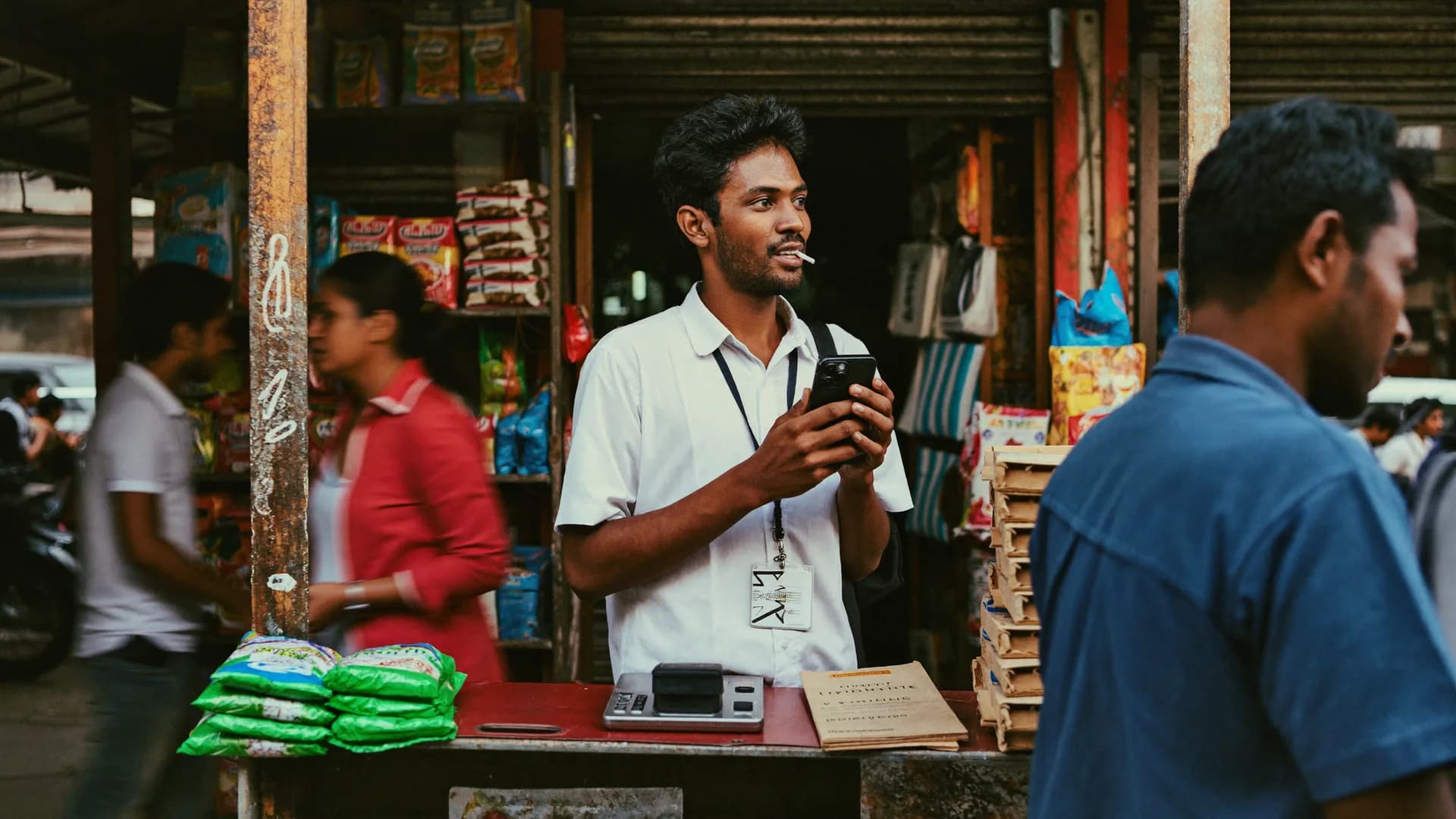
किराना दुकान की शेल्फ़ के सामने फोन से रिटेल ऑडिट करता ऑडिटर
Services · Market research

Village and small-town consumers, interviewed where they actually shop

Bharat Survey is a rural market research agency in India for brands, agri-input firms, lenders and media owners who need to hear from buyers beyond the metros. Our field teams interview households, retailers and farmers in villages and small towns using an offline Android survey app, so every response carries a GPS location, a timestamp and an interview duration you can check before a single chart is drawn.

  • Household, retailer and haat interviews
  • Hindi and regional-language questionnaires
  • Works with no network, syncs later
  • Back-checks before data is accepted
Retail audit · Wave 3 · 1,200 outletsUpdated 12s ago · sample
3,000
Target outlets
2,184
Visited
1,962
Audited
1,871
Accepted
Daily accepted auditsLast 12 days
Quality
Accepted1871
In review64
Outside area19
Weak signal8
Top gaps · by territory
Out of stock62%
Planogram48%
Price label31%
Visibility24%
Rural market research agency India
Village householdsKirana and haat outletsFarmer interviewsTier 2 and tier 3 townsOffline CAPILocal-language fieldworkDistribution checksPrice and pack tests
Why rural is different

Most consumer studies in India are designed in a metro office and quietly assume metro conditions: a working phone signal, respondents who are home in the evening, a shop with a barcode scanner, a sampling frame that exists on a spreadsheet. Very little of that holds in a village of 1,200 people or a tier 3 town where the weekly haat is the real market day.

The frame is thin

There is rarely a ready list of households or outlets. We build one on the ground: a quick listing of dwellings or shops in each selected village or ward, then a systematic pick from that list, so the sample is not simply whoever the enumerator met near the bus stand.

Time of day decides who you meet

Men working fields, women managing the household, migrants who come home only at festivals — the hour of the visit shapes the sample. We plan visit windows and call-backs by respondent type and report the achieved mix against the plan instead of hiding it.

Language is not a translation step

A word for credit, savings or "premium" can mean something different two districts apart. Questionnaires are translated, back-translated and piloted in a non-sample village before fieldwork, and enumerators are hired for the local language, not only for Hindi.

Typical rural studies

  • Usage and attitude surveys
  • Retail distribution audits
  • Price and pack-size tests
  • Farmer input purchase journeys
  • Media habits and reach
  • Financial product awareness
In the field

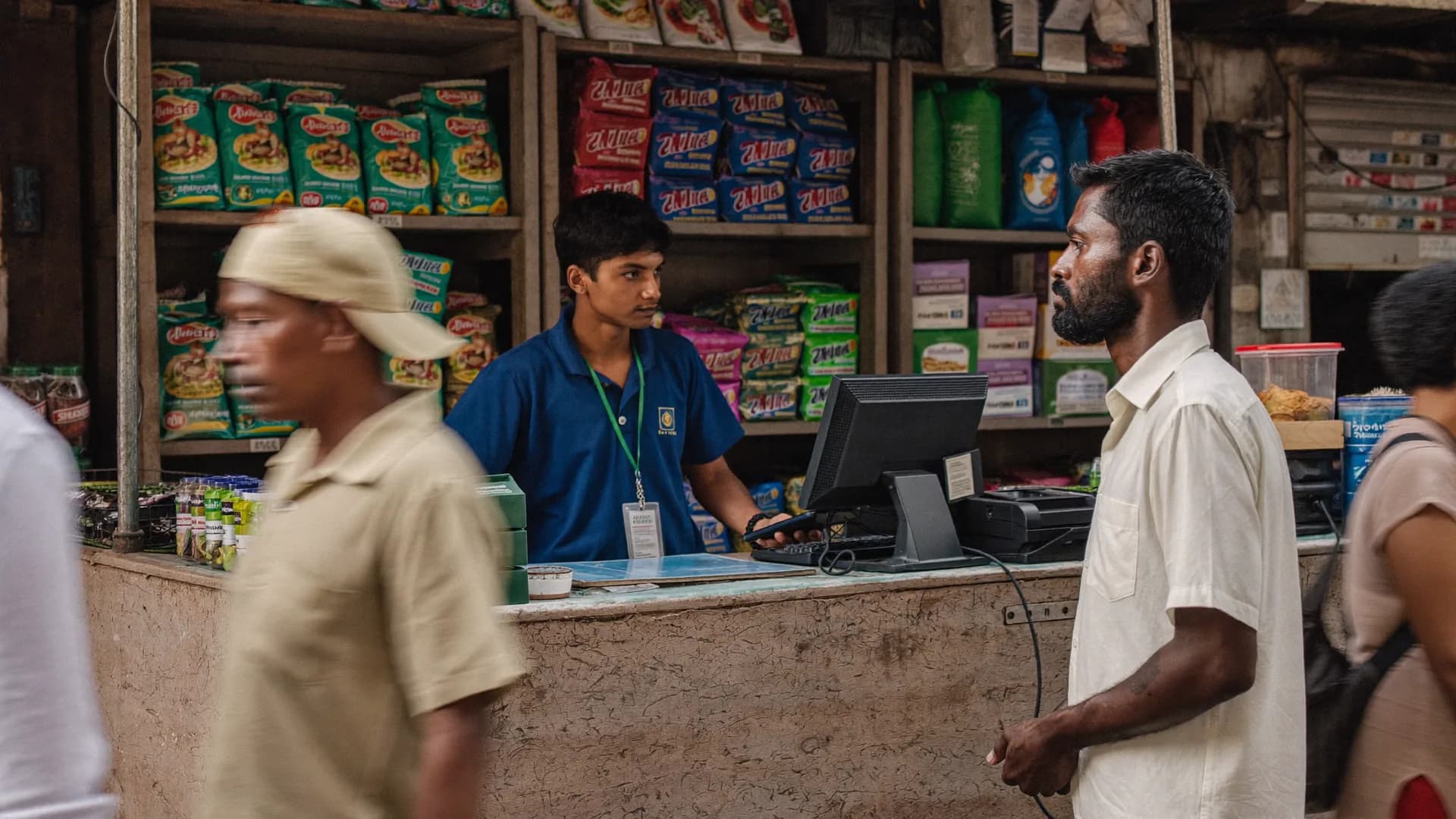
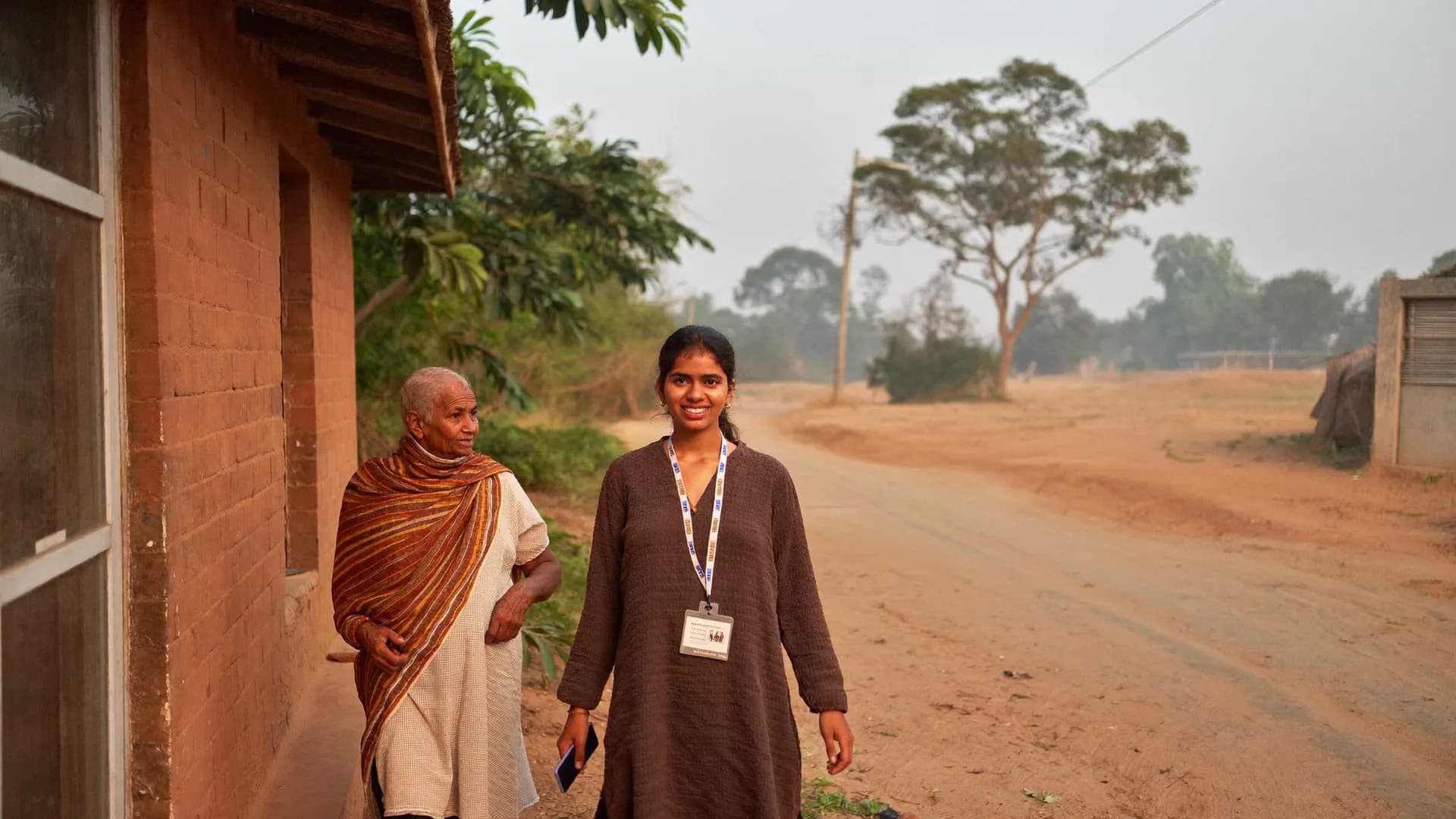
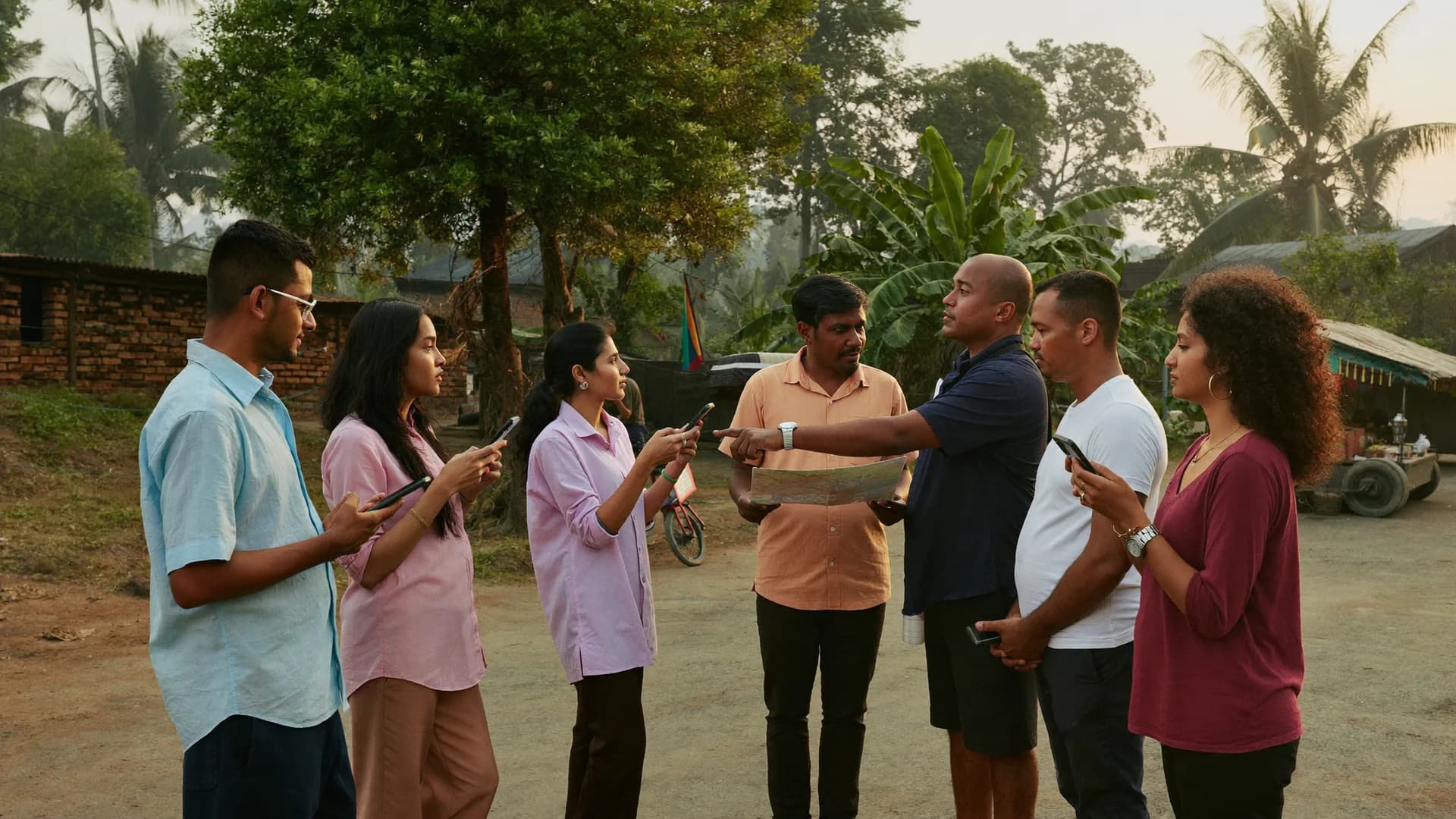
Outlet audits and household interviews run in the same village on the same day, so a brand can compare what shops stock with what families say they buy.

Village outlet visit
Household interview
Household interview
Offline form entry
Offline form entry
Morning team briefing
Method

Five stages, each ending with something you can review.

01 · Design

Brief to sampling plan

We turn your business question into a sampling plan: which states, which town classes, how many villages, how many households per village. Census 2011 village and town data is the usual starting frame; we say where it is out of date.

  • Town-class and village-size strata
  • Sample size per reporting cell
  • Quota rules written down
Retail audit · Wave 3 · 1,200 outletsUpdated 12s ago · sample
3,000
Target outlets
2,184
Visited
1,962
Audited
1,871
Accepted
Daily accepted auditsLast 12 days
02 · Tools

Questionnaire built for a phone screen

Skip logic, range checks and picture cards for pack and brand recall are built into the app. Long grids are broken up because they fail on small screens in bright sunlight.

  • Back-translation
  • Pilot in a non-sample village
  • Show cards as images
Survey 3/6 · AmenitiesOffline
How is drinking water in your area?
  • Comes regularly
  • Comes sometimes
  • Rarely / never
  • Don't know
✓ Section saved on phone · autosave
BackNext
03 · Field

Offline interviews with location evidence

Enumerators work without network and sync at the block town. Each record keeps GPS, time and duration, and interviews from outside the assigned village go to review.

  • Village listing first
  • Call-backs planned
  • Daily sync targets
Location evidence
Survey #BS-0412
  • In areaInside approx. boundary
  • Accuracy±12 m
  • Time09:42 · fresh fix
  • Mock GPSNot detected
  • Interview length11 min
Added to accepted count
04 · Quality

Back-checks before acceptance

Supervisors re-contact a share of respondents with a short verification form. Records that fail are rejected and replaced, and the rejection rate is reported.

  • Independent supervisors
  • Duration and pattern checks
  • Replacement rules agreed
Outside area · 14.2 km away · in review
05 · Report

Data and findings you can reuse

You receive the clean dataset, codebook and weighted tables with base sizes shown, plus a findings deck that separates what the data shows from what we recommend.

  • Weighted and unweighted bases
  • Village-level map of interviews
  • Open-ended responses coded
Retail audit · Wave 3 · 1,200 outletsUpdated 12s ago · sample
3,000
Target outlets
2,184
Visited
1,962
Audited
1,871
Accepted
Daily accepted auditsLast 12 days
Quality
Accepted1871
In review64
Outside area19
Weak signal8
Top gaps · by territory
Out of stock62%
Planogram48%
Price label31%
Visibility24%

Our view on rural samples

Who uses it

FMCG and consumer durables

Retail + household
Distribution depth, stock-outs, pack-size preference and brand recall in villages and small towns where the next wave of volume is expected.

Agri-inputs and farm equipment

Farmer interviews
Farmer purchase journeys for seed, fertiliser, crop protection and machinery: who advises, where they buy, and when the decision is made in the season.

Banks, NBFCs and insurers

Sensitive topics
Awareness and use of credit, savings and insurance products, with careful wording and consent for questions about money and debt.

Telecom and digital services

Usage
Handset sharing, data recharge habits and app use inside a household, measured by person rather than by SIM.

Media and advertising

Media habits
Reach of TV, radio, wall painting, haat activations and short video in areas where syndicated measurement is thin.

Social marketing

Baseline
Behaviour and awareness baselines for health, sanitation or nutrition campaigns run with brands or foundations.
Choosing a method

Rural research method comparison
MethodBest forWatch out for
Face-to-face CAPI (household)Usage, attitudes, purchase journeys, low-literacy respondentsNeeds village listing and call-backs to avoid convenience samples
Retail audit (outlet visits)Distribution, stock, visibility, price at shelfOutlet frame changes fast; list on the day
Farmer interviews at plot or mandiInput decisions, crop cycle timingSeason decides availability; plan around sowing and harvest
Phone follow-upShort repeat rounds after a face-to-face baselinePhone ownership skews the sample; not a first-round method in villages
Focus groupsLanguage, concepts, reasons behind a numberNot a basis for percentages

Many studies combine a household survey with a retail audit in the same villages.

Not the right fit if

  • You need a syndicated national retail index or panel data
  • Results are needed in a week across many states
  • The study must be purely online in rural areas
  • You want projections without a probability-based sample

A good fit if

  • You need verified face-to-face interviews in villages
  • You want to audit where each interview happened
  • Fieldwork must run offline in local languages
  • You want raw data, not only a deck
FAQ

Straight answers to the questions people ask most about this topic.

How many villages should a rural market research study cover?

It depends on how many separate results you need and how similar villages are. Spreading interviews across more villages with fewer per village usually gives better estimates than a few large clusters. We share the sample size and cluster calculation in the proposal before fieldwork starts.

Do you conduct interviews in regional languages?

Yes. Questionnaires are translated and back-translated into the language of the area, piloted in a non-sample village, and enumerators are recruited for that language. Hindi and English versions are always kept in sync so results can be compared.

How do you know an interview really happened in the village?

Every record from the offline app stores GPS location, time and interview duration. Interviews outside the assigned village, or too short to be real, are flagged for review, and supervisors re-contact a share of respondents before data is accepted.

What does rural market research cost?

Cost is quoted per study. It depends on the number of states and villages, interview length, respondent type and travel. Farmer and retailer interviews in remote districts cost more per interview than small-town households. Send a brief and we will send a scoped quotation.

Can you combine a retail audit with a household survey?

Yes, and it is often the most useful design. Running both in the same villages lets you compare what shops stock with what households report buying, and spot distribution gaps directly.

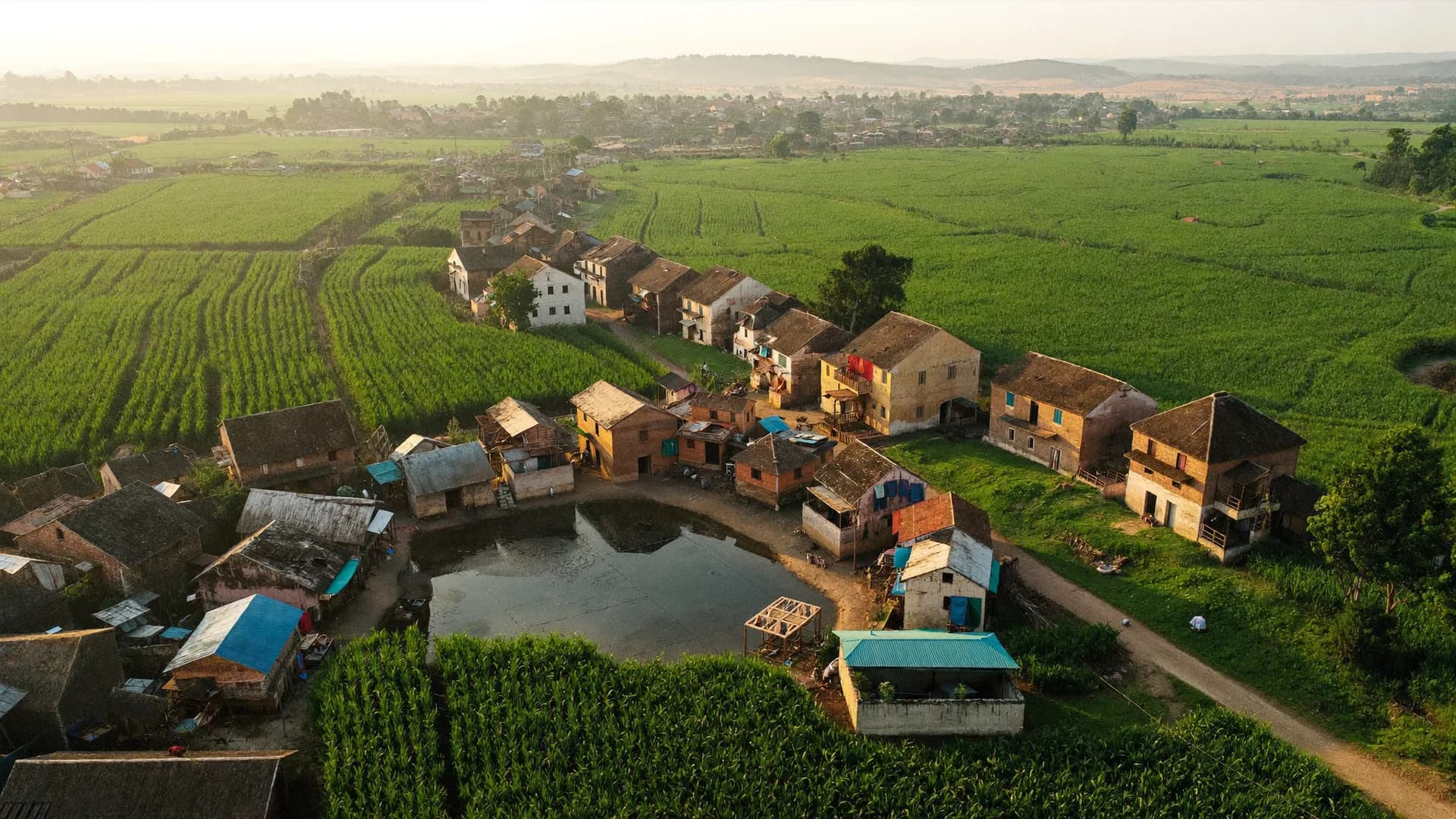
शाम के समय कस्बे का हवाई दृश्य
India Nationwide, Hindi-first

Send your objective, target respondents and states. We will reply with a sampling plan, timeline and quotation.