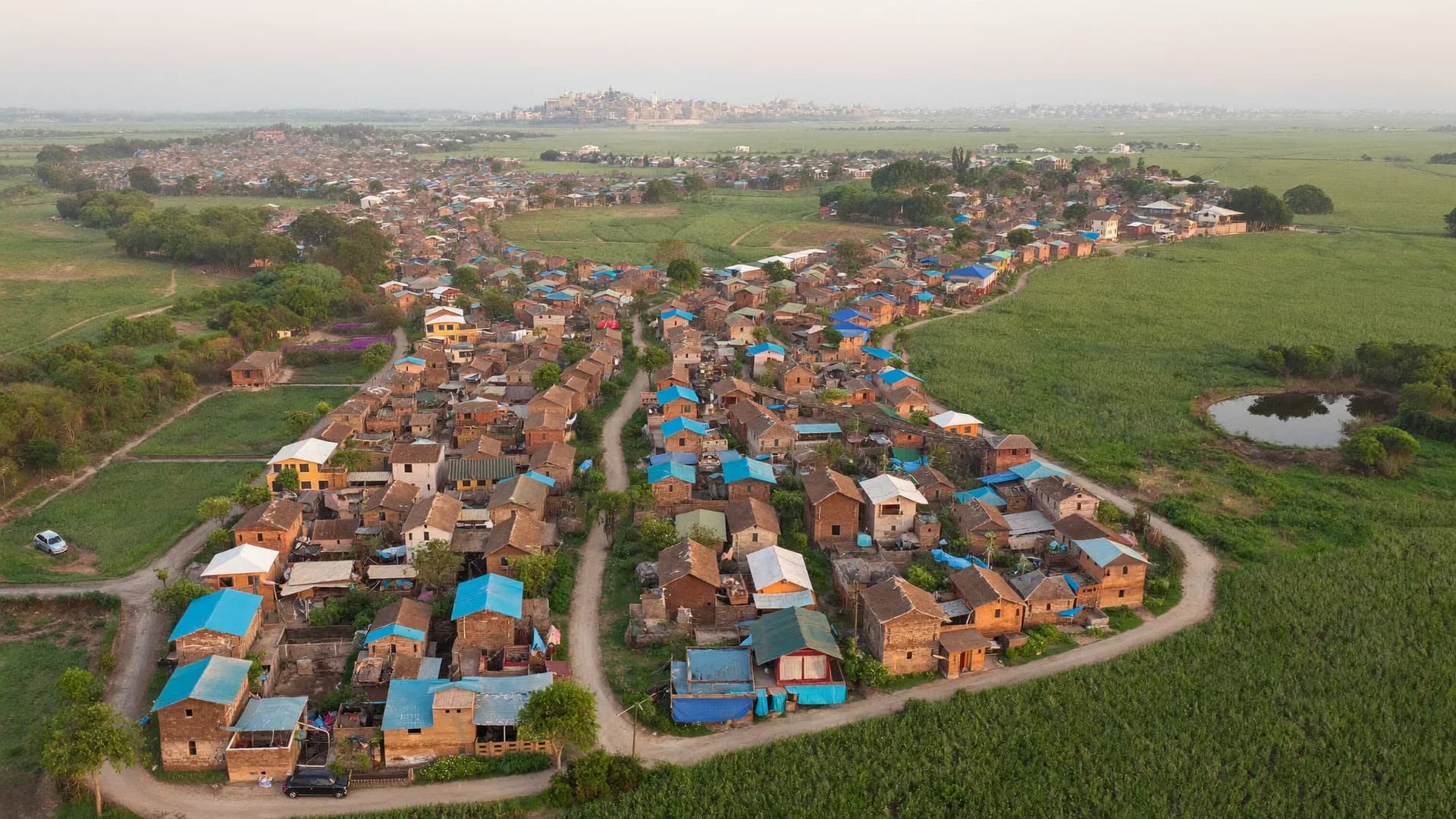
For the teams that walk Indian villages and wards with a phone in hand.
Bharat Survey is made in India survey software that grew out of a field-operations team’s frustration: volunteers filled forms from home, reports showed everything ‘complete’, and decisions rested on bad data. The tools on the market were either voter-list utilities or foreign research software that knew nothing of India’s panchayats, wards and booths. So we built the tool we needed ourselves.
Inside area · ±12 mGram Panchayat Barauli · sample
Saved on phone: 6Syncs when network returns
Hindi-firstEnglish one tap away
States / UTs
LGD-coded, loaded from day one
Location states on every survey
Inside · near boundary · outside · weak signal · mock GPS
1–2 days
To set up an assembly seat or district
Including 45-minute training in Hindi
Our story
Whyweexist
The gap in Indian election and survey tools that Bharat Survey was built to close
From one campaign team’s problem to a platform
We used to run voter surveys and field operations for different leaders. Every campaign raised the same questions: Did this survey really happen in that village? Was this volunteer actually in the field today? Is the percentage in the report calculated on the right denominator? Answering them meant paper sheets, WhatsApp photos, Excel copies and phone calls — and at the end, a report nobody fully trusted.
Looking for an answer, we examined five platforms and a dozen Play Store apps. The conclusion was clear: none combined three capabilities — business control (plans / seats / billing), field operations (assignments / live tracking / GPS checks) and survey quality (validation / review / back-checks).
Indian election tools: voter-list utilities, no survey logic
Most election management software in India is built around the voter list — search by EPIC number, caste and age reports, voter slips, booth-wise turnout counters. Useful, but there is no real survey logic: no skip rules, no validation, no version control, no back-checks. Where GPS exists, it is just a ‘tag’ — nothing tells you whether a submission came from inside the assigned panchayat or from 14 km away. And the most common user complaint is “check your internet”, meaning offline mode doesn’t really work.
Global research tools: excellent forms, no Indian geography
Tools such as SurveyCTO, KoboToolbox and ODK are strong on form logic and data quality — we learn from them and import their XLSForms directly. But they have no state → district → block → gram panchayat → village hierarchy, no urban body → ward, no Lok Sabha → assembly → booth; every project means building areas by hand. The interface is English-first, plans are in USD, and data may sit outside India. For an assembly candidate or a district NGO, that distance is too great.
Hence: made in India, Hindi-first, data in India
We filled the space in between. A Hindi-first app that runs a full day without network on phones with 2–3 GB of RAM. All-India administrative geography — 36 states and UTs, 6.6 lakh+ villages, 4,000+ assembly constituencies — preloaded with LGD codes. GPS verification that sorts every survey into five location states and never counts ‘outside area’ as accepted. Seat-based plans in INR, with GST invoices. And data in India, with consent and retention aligned to the DPDP Act 2023.
The first detailed data load is Uttar Pradesh; the first pilot runs in one assembly constituency with about 10 volunteers. From there, the rest of India — and beyond elections, to corporate market research, NGO baseline and endline studies, and government door-to-door surveys. We are in the pilot phase; this website shows no client logos or results because we don’t have any yet.
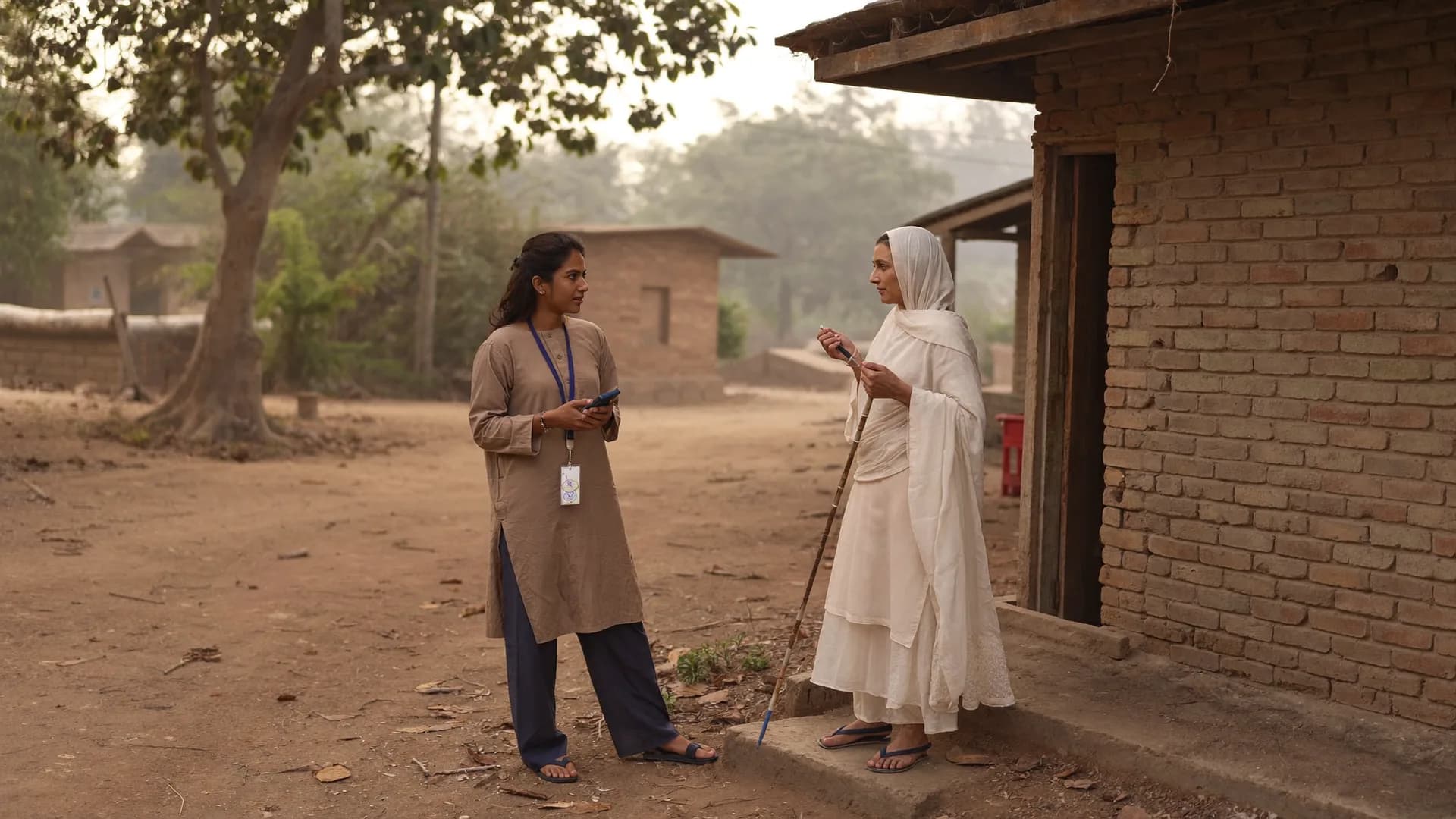
The whole product exists to protect this one moment. The surveyor introduces themselves, explains that taking part is voluntary, and asks the questions. The form is saved on the phone, proof of place and time is attached — and the report counts only what actually happened on the spot.
Consent v3 recorded · 09:21‘Taking part is voluntary’ · sample
Keep scrolling and the story moves forward. Where a date is firm, we show it; where it isn’t, only the order. The last card is still unfinished — and we are showing it that way.
The start
01 / 07
A problem we kept seeing in the field
Running voter surveys and field operations for different campaigns, the same three questions kept coming back: did this survey really happen in that village? Was this volunteer actually in the field today? Is the percentage calculated on the right denominator? The answers were scattered across paper sheets, WhatsApp photos and copies of Excel files.
Reports said ‘done’; the ground said half
Decisions were made on that same data
Research · September 2026
02 / 07
We put the market’s tools to the test
Indian election software, global research platforms and Play Store survey apps — we logged features, pricing structures and user complaints side by side. The most common complaints: sync nobody trusts (“check your internet”), failing OTPs, no skip logic or validation, and opaque monthly pricing for a three-month campaign.
Voter-list tools: weak survey logic
Research tools: no Indian geography
The brief
03 / 07
Three capabilities, in one place
The finding fit in one line: no single tool combined business control (plans, seats, billing), field operations (assignments, live tracking, GPS checks) and survey quality (validation, review, back-checks). The brief was written for exactly that gap — with acceptance tests, so every claim can be checked.
A testable acceptance test for every feature
No ‘coming soon’ — it exists or it doesn’t
16 September 2026
04 / 07
Core decisions locked
Four kinds of client — political, corporate and research, NGO, government — on one platform; booth tools and the war room for political clients only. Hindi-first, with English alongside. Maps built on OpenStreetMap data. Pilot builds shipped as a direct APK so Play Store review never holds up fieldwork. Personal voter-roll import kept out of v1.
All-India geography from day one
Consent text built into the product
16 September 2026
05 / 07
Website v1 goes live
Fourteen pages at bharatsurvey.org: solutions, features, coverage, the pricing structure, a privacy policy and a demo form. One rule from the first day: no client logos, no made-up numbers, no list prices until plan tiers are final.
Demo form → call back within 1 working day
No advertising trackers
17 September 2026
06 / 07
Website v2: more truth, more depth
The home page and inner pages were rebuilt — real maps, animated sample dashboards and far deeper content: how-tos, checklists, a glossary and ‘when this is not right for you’. The aim: you should know what the product does, and what it doesn’t, before the demo.
‘Sample’ on every sample figure
Straight answers on every page
What comes next
07 / 07
Server → panels → app → pilot
The order from here: server and company panel (clients, plans, seats, geography data, form builder, QA), then the client panel (team, assignments, live map, reports), then the Android app, and then the first pilot in one assembly constituency with about 10 volunteers. Each stage passes its acceptance tests before the next begins.
We promise an order, not a date
Pilot report public only with permission
Made in IndiaHindi-firstOffline-firstData in IndiaDPDP-alignedNo party ties‘Sample’ on samplesIndian survey softwareVerified > claimed
Made in IndiaHindi-firstOffline-firstData in IndiaDPDP-alignedNo party ties‘Sample’ on samplesIndian survey softwareVerified > claimed
Principles
Fiverulesthatshapeeveryfeature
Product principles we do not trade away
These aren’t slogans; they are design rules. When a feature is debated, these five questions settle it. Keep scrolling — each rule opens, shows its example and makes room for the next.
01Verified beats claimedPrinciple 01
Every record shows the state of its evidence — inside area, near boundary, outside, weak signal, suspected mock GPS. Where boundaries are approximate, the badge says ‘approximate’. Never a false ‘Verified’ badge.
A submission from 14 km away is ‘outside area’ — not in the accepted count
Exceptions only with a reason; the original evidence is never erased
Location evidence
Survey #BS-0412
In areaInside approx. boundary
Accuracy±12 m
Time09:42 · fresh fix
Mock GPSNot detected
Interview length11 min
Added to accepted count
02Honest status everywherePrinciple 02
‘Saved on phone’ and ‘reached server’ are shown as two separate counts. If the network drops, the dashboard says ‘last updated 18 minutes ago’. Old data is never dressed up as live.
The volunteer knows by evening: 38 of 38 on the server
The manager knows how fresh each number is
Offline
No network
6
Safe on phone
8
Synced to server
Syncs when network returns
03Volunteer-firstPrinciple 03
Big buttons, fewer screens, one question per screen, Hindi, offline. The app is built for the field worker, not the admin — in harsh sun, on a cheap phone, on a weak network.
Native performance on phones with 2–3 GB RAM
The test: the whole app makes sense after 45 minutes of training
Hello, Ram Kumar
Today's work
Shift on
Assignment
Gram Panchayat Barauli
Target 40 homes14 done15 done16 done17 done
Shift
On · 2:14 h
Sync
6 phone · 8 server
Today's homes
Home 15 · RamlalDone
Home 16 · SunitaDone
Home 17 · LockedRevisit
Home 18 · MohanFilling…
✓ #BS-0413 synced to server
Start new survey
04Isolation and consent are featuresPrinciple 04
Tenant isolation, the introduction-and-consent screen, the contact vault, the retention policy — these aren’t fine print but parts of the product that clients can see and check in their panel.
No path for client A’s data to reach client B
Consent time and text version stored with every record
Tenant A · campaign
Tenant B · NGO
Tenant C · agency
Role + area + tenant checked on every request
05Prove it with the productPrinciple 05
Real screens, real flows, testable acceptance tests. No fake client logos, no made-up numbers. Sample data is always labelled ‘Sample’.
Test: an 8-hour field session, 100 surveys, not one confirmed save lost
No performance claim until it is measured in the pilot
Constituency 172 · Survey round 2Updated 12s ago · sample
Commitments to every client, every respondent and every volunteer
In India
Isolation
Encryption
Consent
Retention
Neutral
No tracking
Hindi
Servers in India
Client data is never sold to third parties; no advertising trackers.
Every client’s data fully separate
API, database, files, exports, live connections — shared at no level.
Encryption and audit
HTTPS, sensitive fields encrypted at rest, an encrypted database on the phone; every sensitive access logged with a reason.
Consent text in the app, version recorded
Respondents are told who is asking, why, and that it is voluntary; contact details need separate consent and live in a separate vault.
Retention decided up front
Data kept while you need it; plan ends = read-only with export; deletion or anonymisation when you instruct.
Neutral and compliant
Sensitive questions only after our approval; never a false ‘representative sample’ claim.
What we don’t do
Personal voter-roll import (v1), tracking voters, tracking volunteers outside shifts, face photos by default, political messaging on WhatsApp.
Hindi and English — both first-class
App, panel, training, documentation and support in both languages; more Indian languages later.
Who we build for
Fromthemorningbriefingtotheeveningreview.
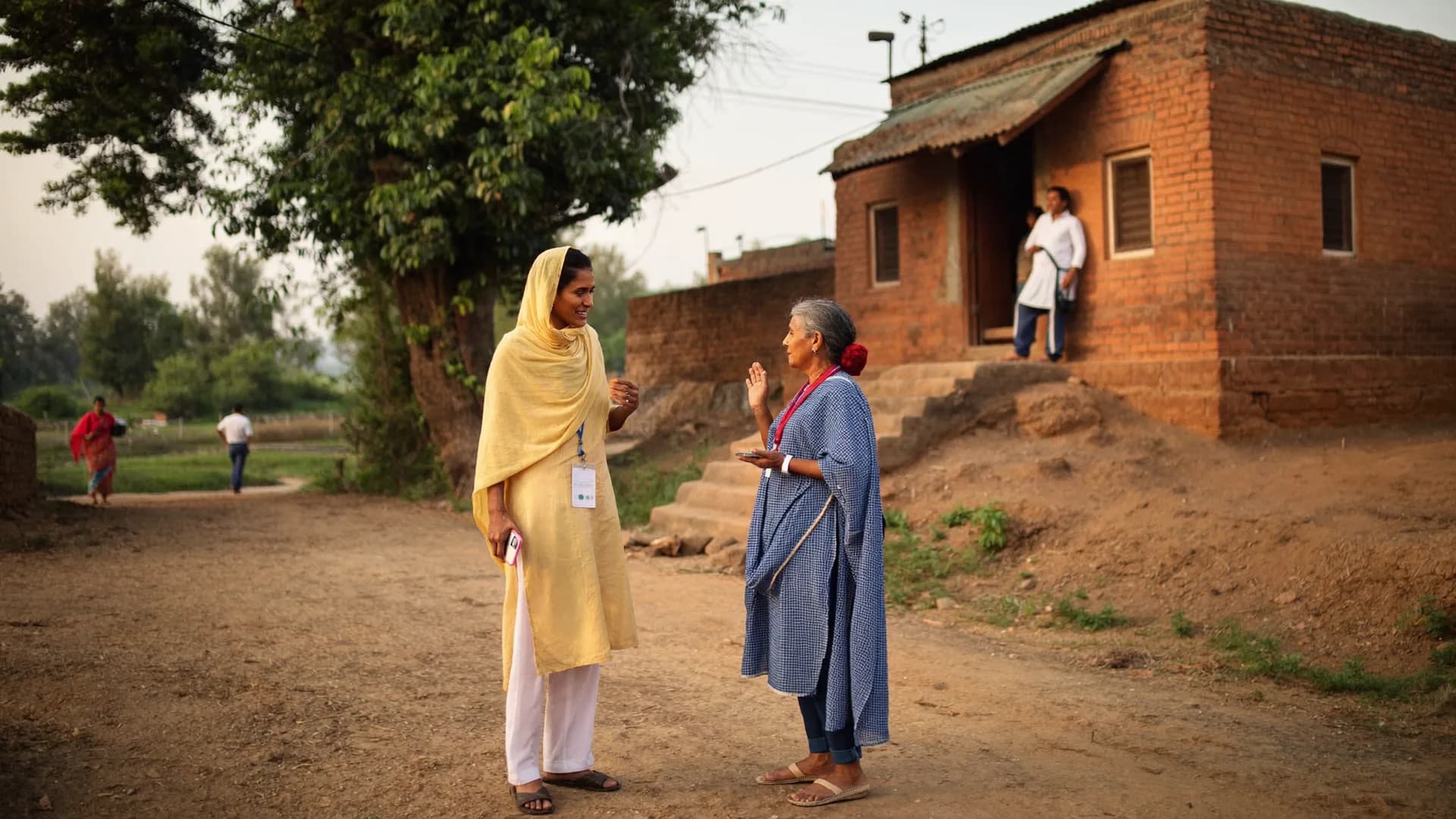
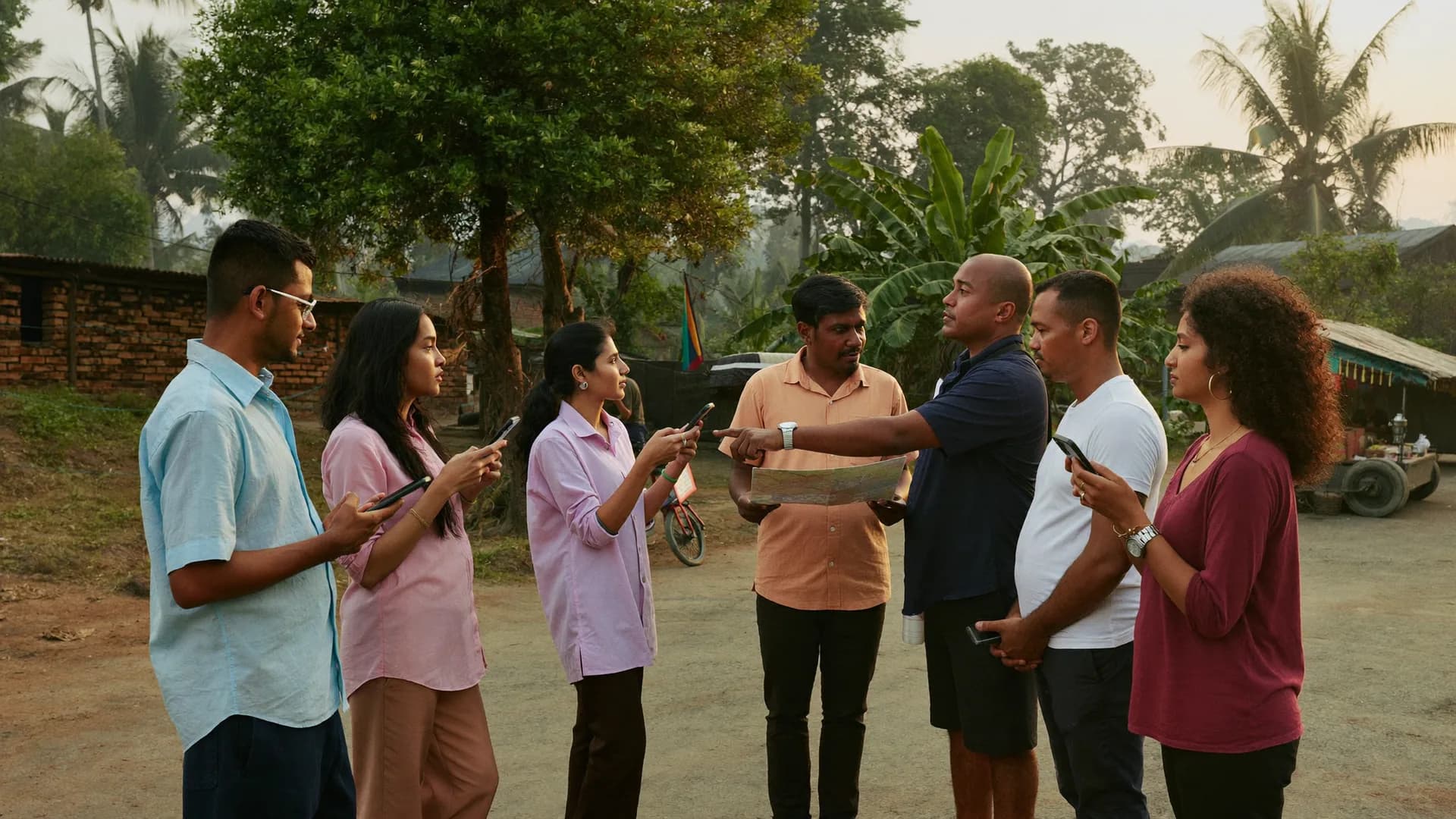
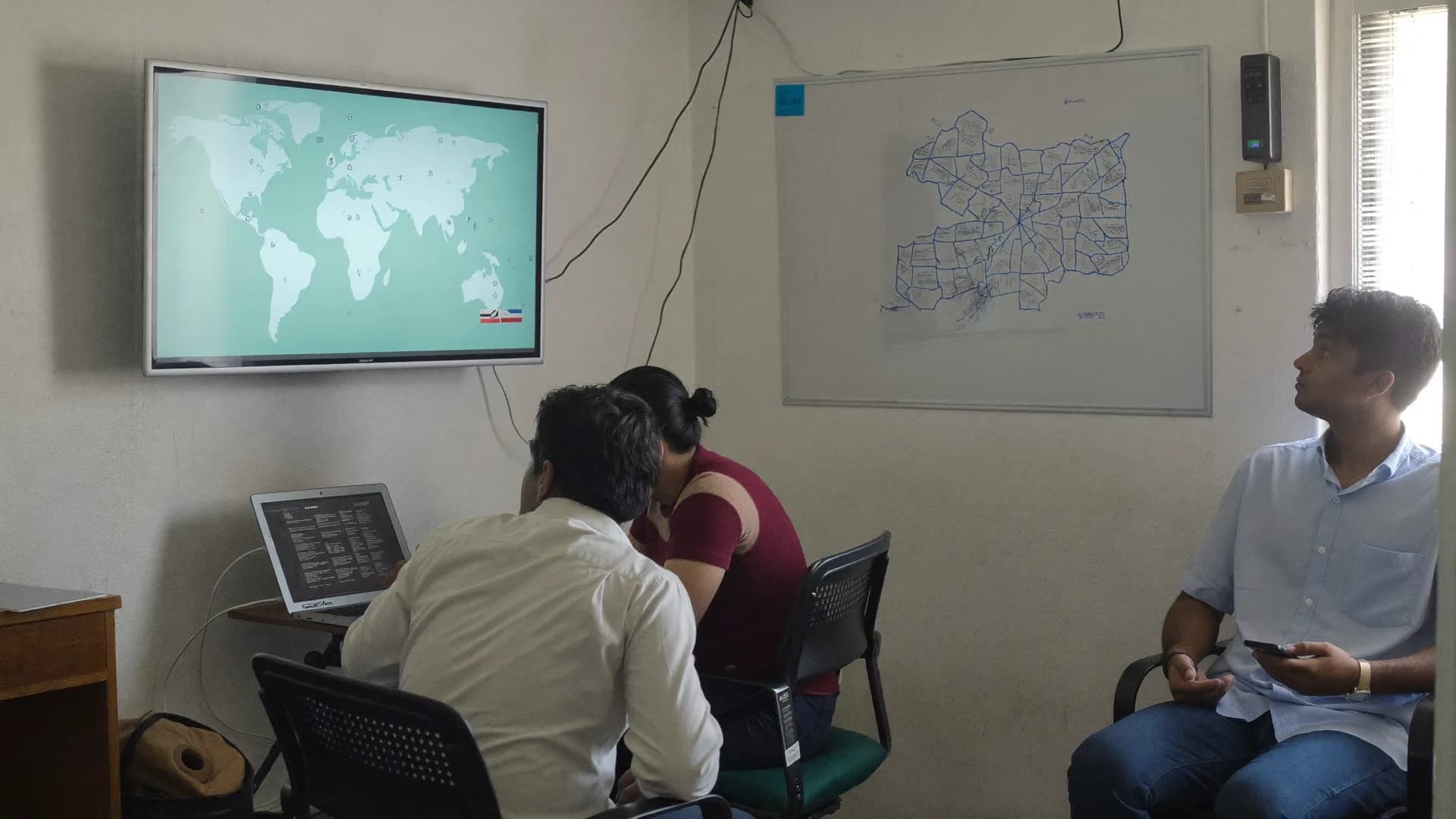
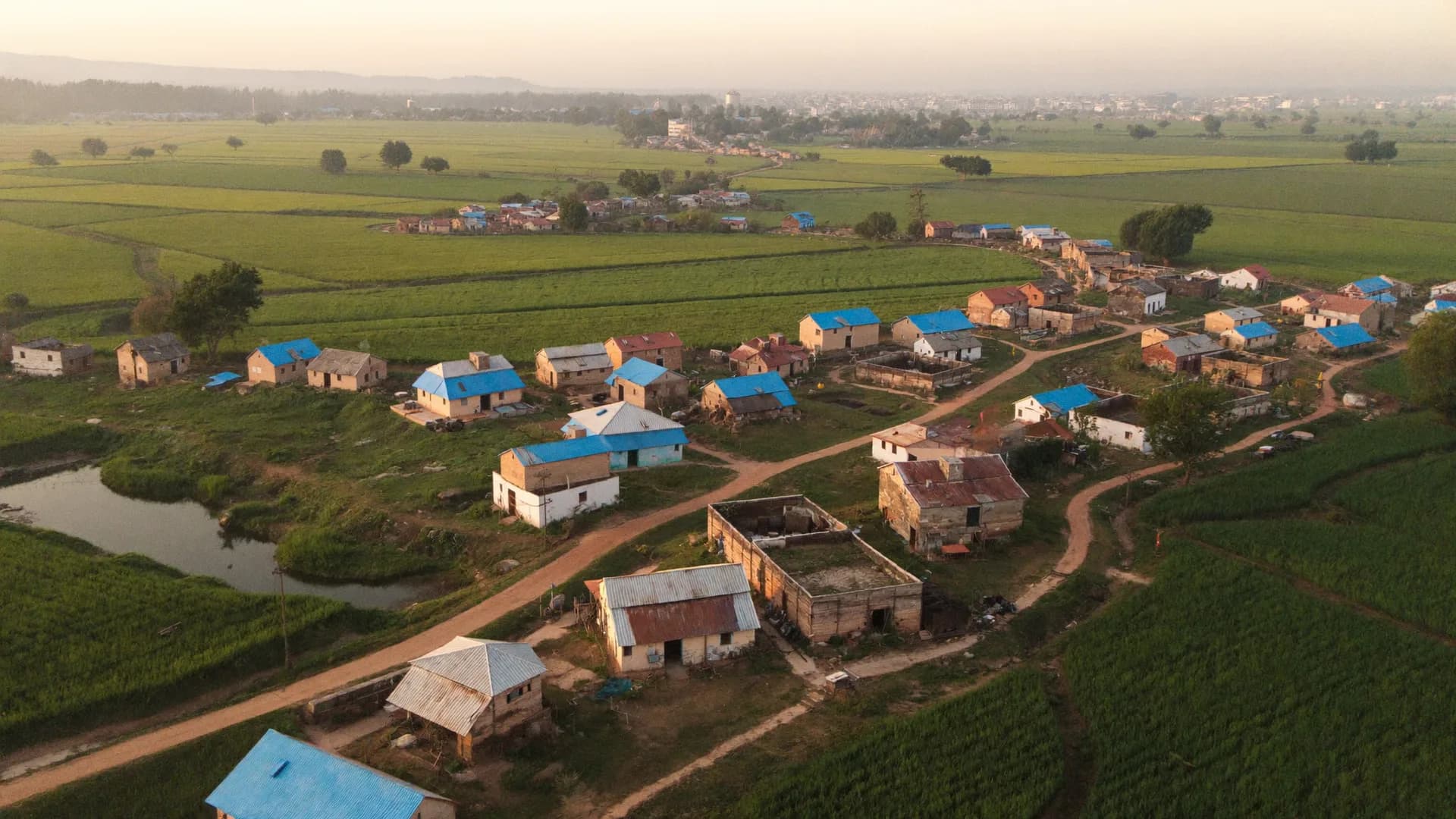
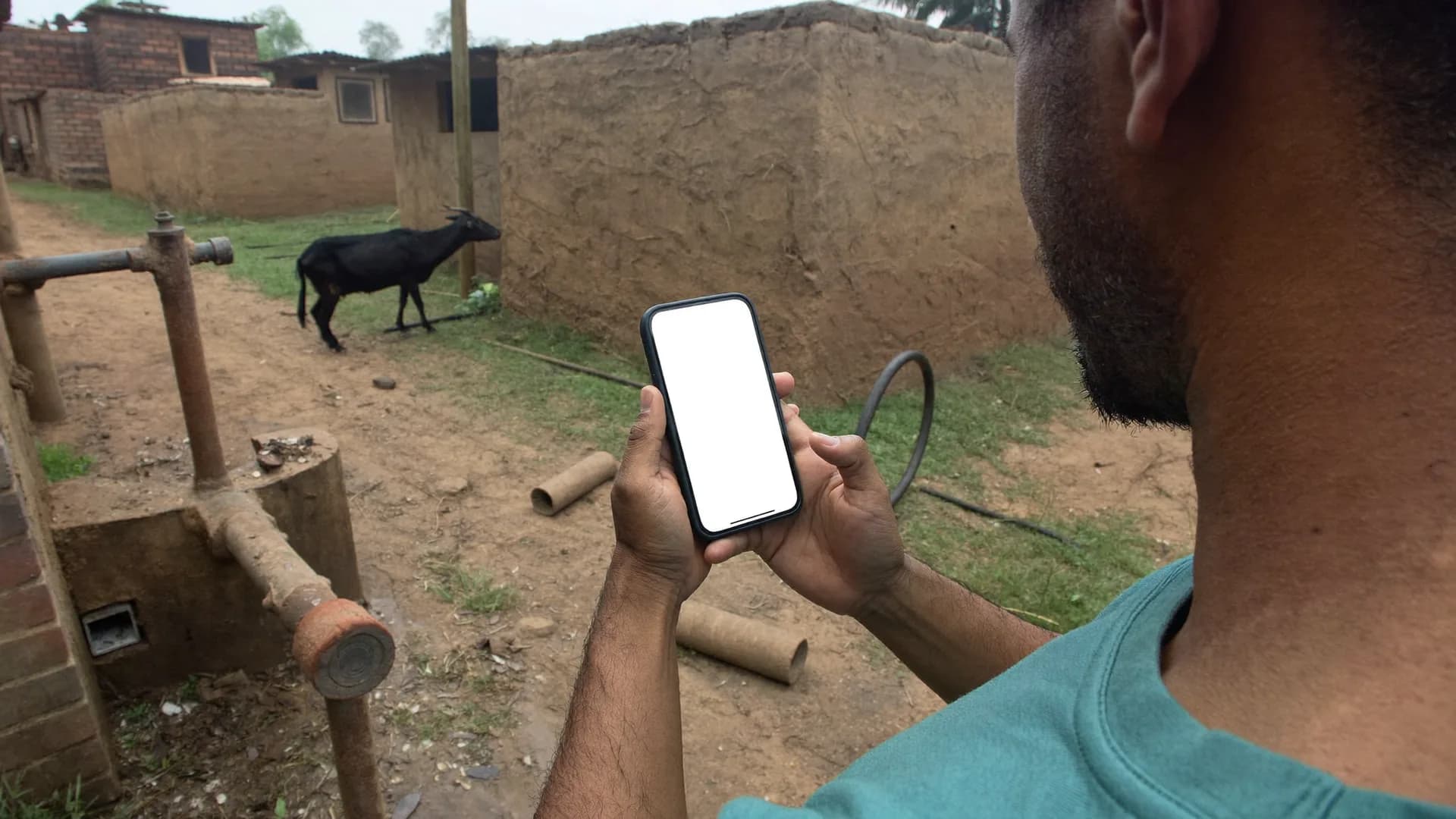
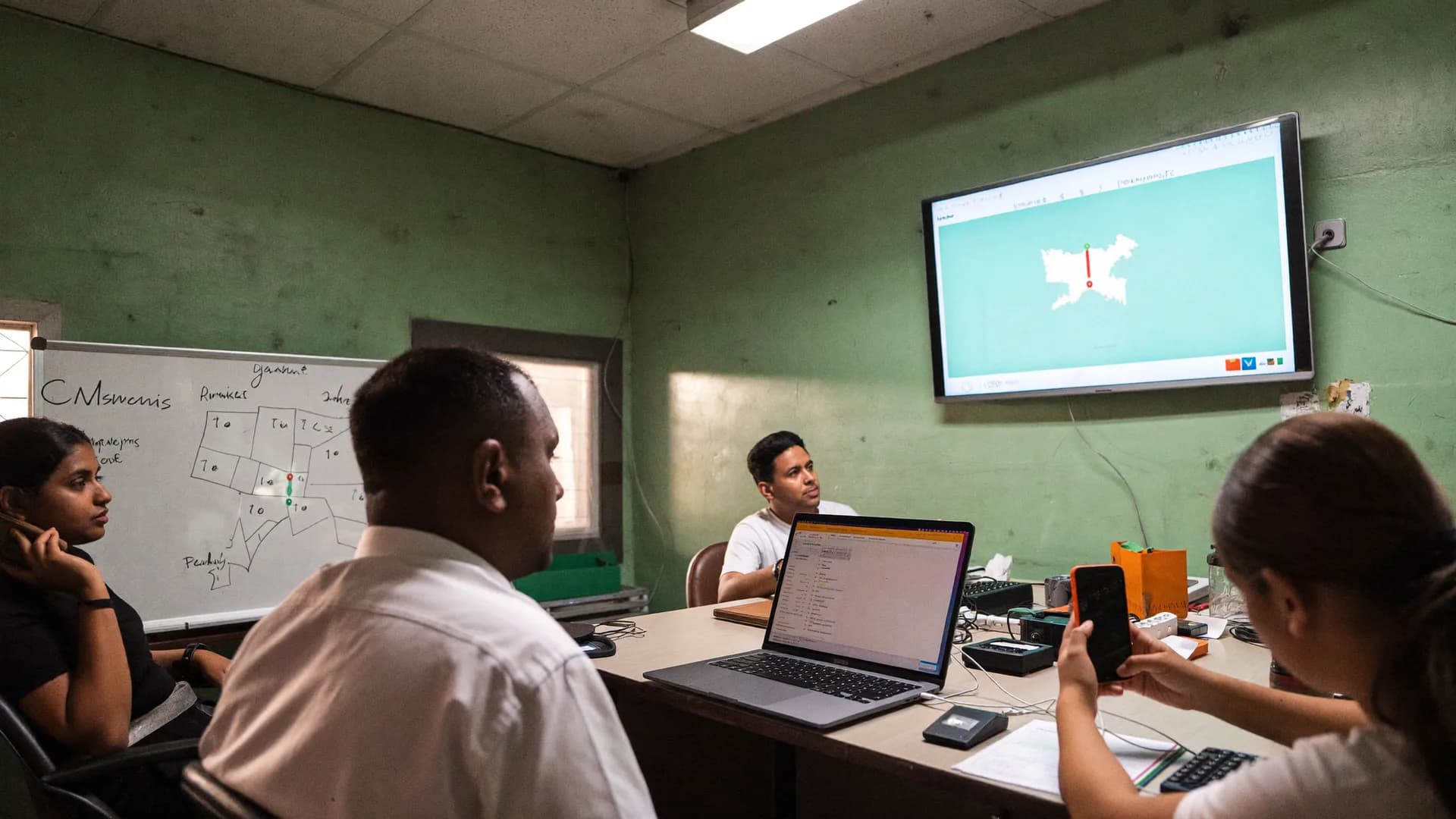
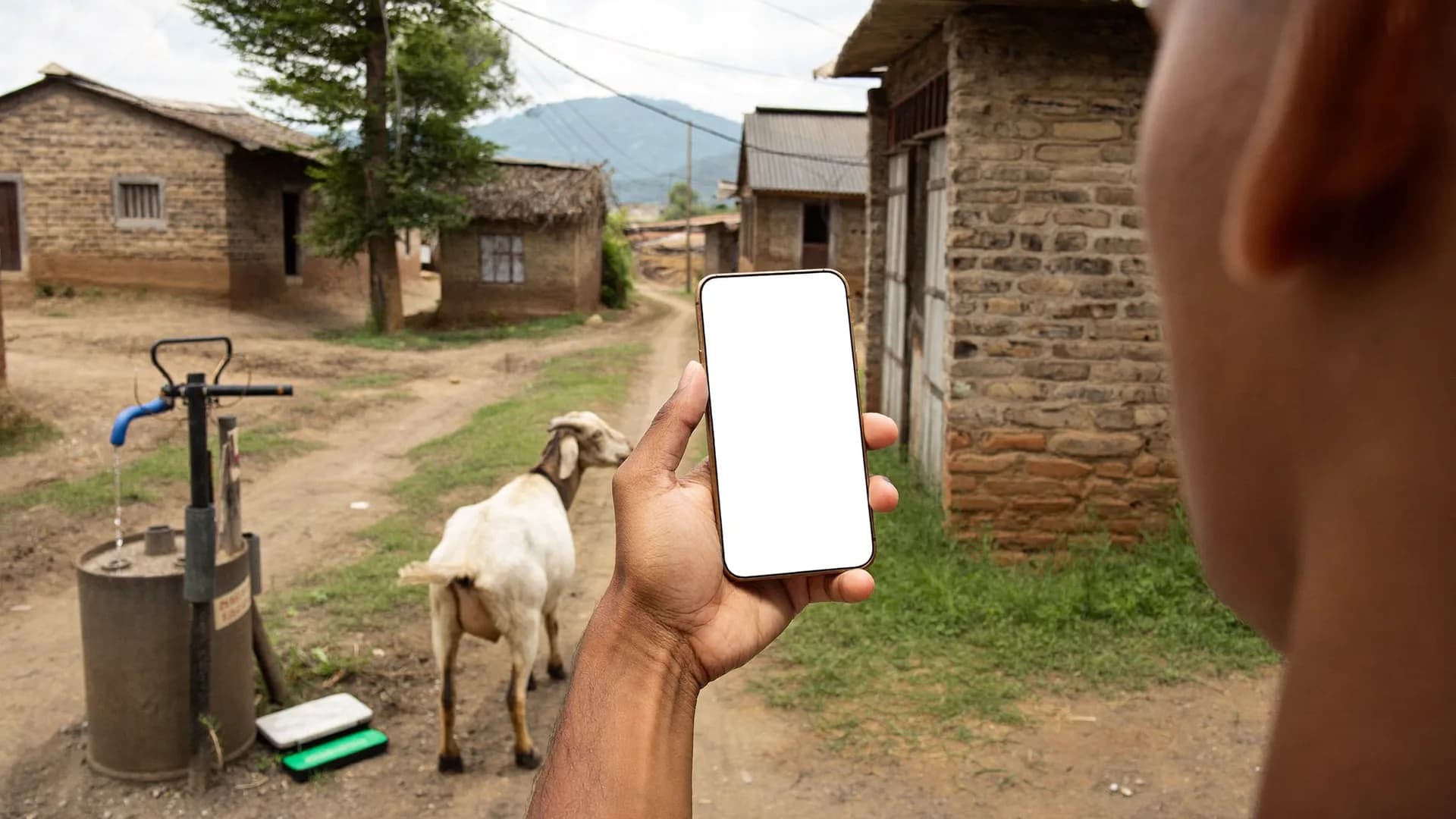
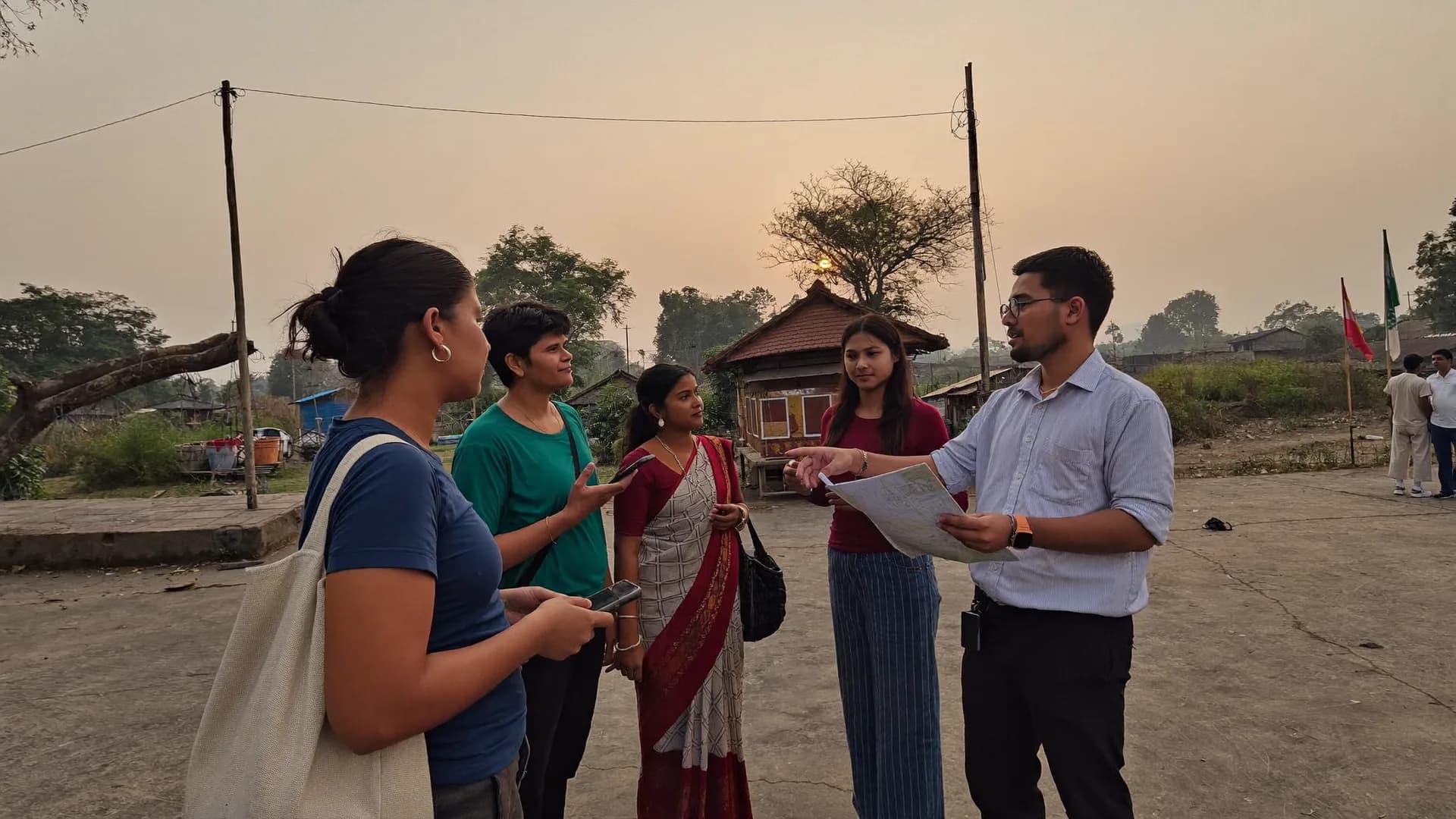
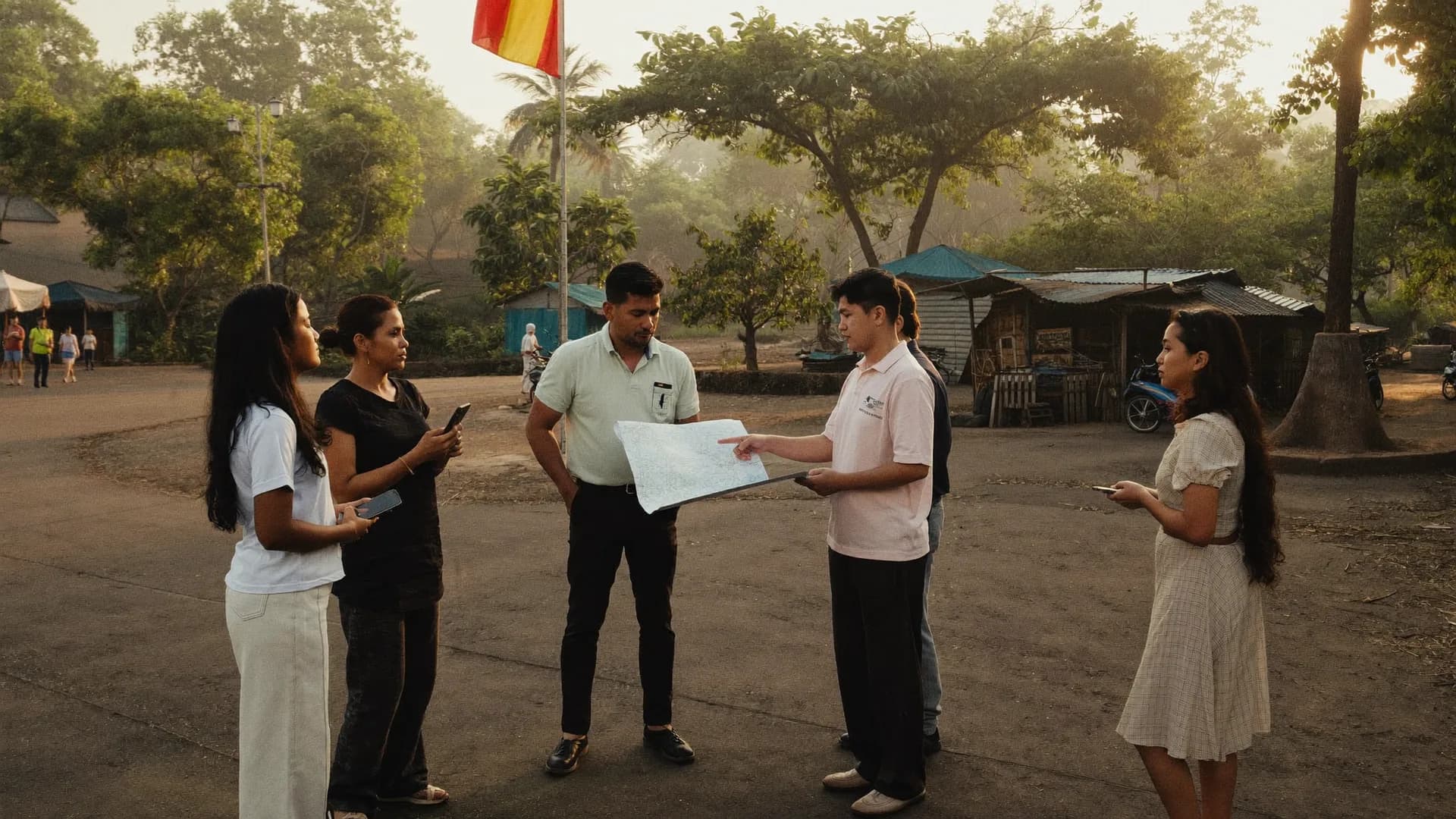
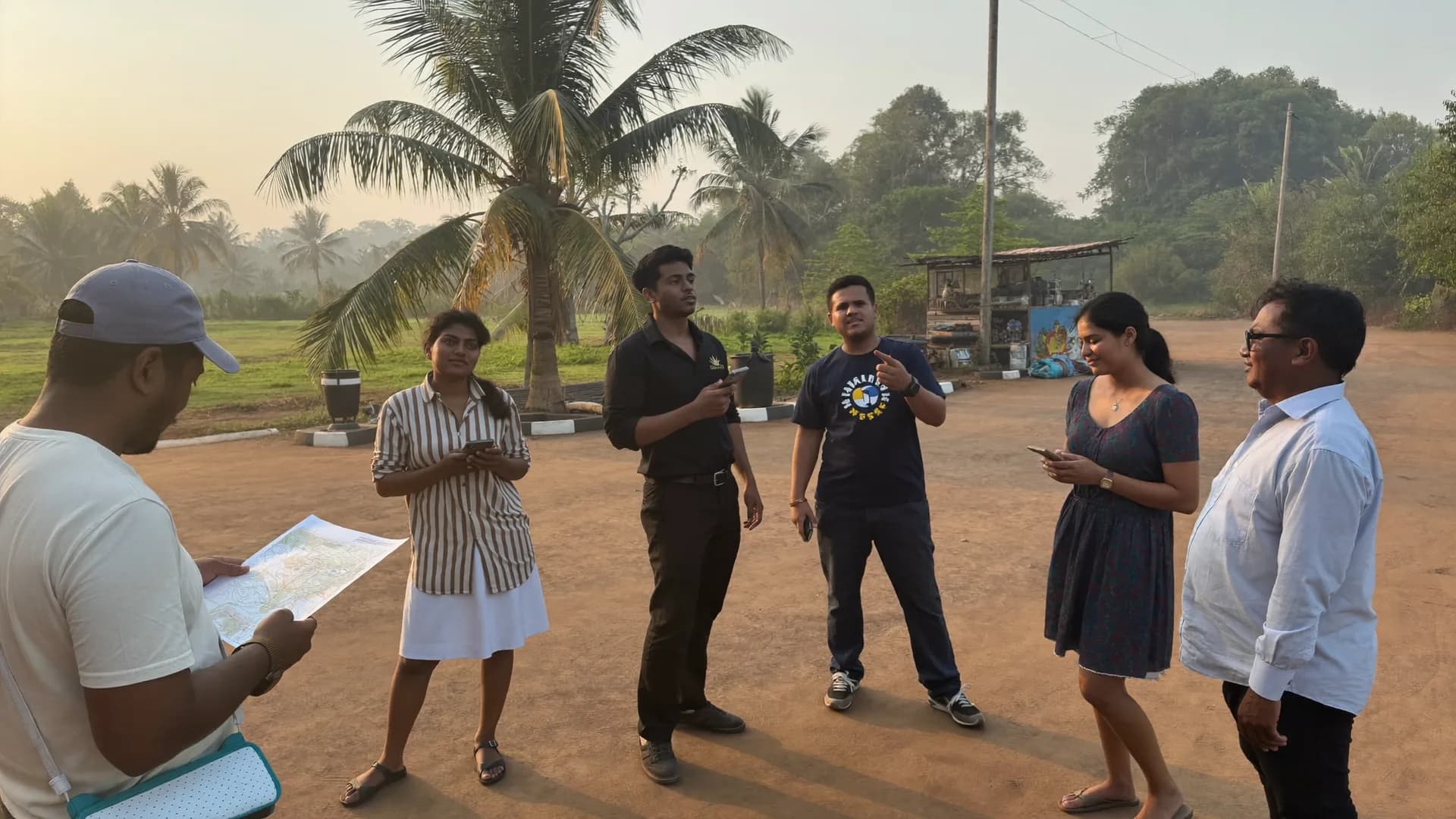
The working day we design for — illustrative photos, real routine
Every screen starts with one question: how will this feel in the hands of a supervisor in the village square and a volunteer walking the lanes? Hover over a card or use the arrows. The photos are illustrative — not of any real client or respondent.
07:30 · Download today’s work
08:15 · Briefing in the square
08:30 · Areas and targets
09:20 · Introduction, consent, questions
13:30 · Midday check
15:30 · QA queue
18:30 · Evening review
Neutrality
We are a technology platform — no party’s ally, and no one’s data is ours.
Bharat Survey works on equal terms for every party, candidate, company, NGO and government department. Survey responses belong to the client; we act as the processor. We do not profile individual voters — not in v1, and not in this product’s principles.
The boundaries and working methods behind every Bharat Survey project
What we won’t build — and why
A product is defined by its ‘no’ as much as its ‘yes’. These four things will often be asked of us, and our answer is already settled:
Voter-level profiles and voter tracking: storing which household said it would vote for whom, linked to a person’s name, is both a legal and an ethical risk. We show area-level opinion, not individual-level surveillance. We never track voters’ locations.
Political messaging and bulk campaigns on WhatsApp: it breaks WhatsApp’s policy and isn’t a survey platform’s job. Using the tool that asks people questions to send them propaganda breaks their trust.
Monitoring volunteers outside their shift: the volunteer turns on location sharing by pressing ‘Start shift’, a permanent notice stays on screen, and ‘End shift’ switches it off. At night or on a day off, nobody can see where they are.
A decorative ‘Verified’ badge: where boundaries are approximate or GPS was weak, we say exactly that. A green tick stamped on every record is worth nothing.
How we handle data — in plain words
Survey data holds private things: a household’s circumstances, opinions, sometimes phone numbers. So the rules are few and strict. Isolation: each client’s data is kept apart — at the API, database, file, export and live-connection level. Minimal collection: contact details only when the respondent gives separate consent; they sit in a separate vault, hidden from people who view reports. Accountable access: even our own team opens sensitive data only with a recorded reason, and it shows in the audit log.
Retention: data is kept for as long as the account or contract lasts and as needed for legal, audit and export purposes. When a plan ends, data stays read-only; it is deleted or anonymised when the client instructs or on a valid DPDP request. Backups: daily backups and weekly snapshots, with restores tested — because a backup that has never been restored isn’t a backup, it’s a hope. The full detail is in our privacy policy, which will be legally reviewed before launch.
How we work with field teams
Software only works if a 45-year-old party worker who has never done a survey on an app understands it by the second house. That’s why training takes 45 minutes, in Hindi, screen by screen — start shift, arrival check, consent, form, visit outcome, sync. Every volunteer gets a one-page Hindi guide and a short video; supervisors get a separate session on review and back-checks.
On the first day of fieldwork we are live with you: the first sync, the first ‘outside area’ alert, the first evening report, reviewed together. A record sent back for correction always comes back with a reason — so the volunteer knows what went wrong and doesn’t repeat it the next day. And at the end of the pilot, a written report: what worked, what didn’t, and what needs to change next — in our product too.
We tell volunteers one thing plainly: the app isn’t there to doubt you; it’s there to keep proof of your work. If you covered 38 houses in the sun, all 38 should count — and forms filled from home shouldn’t. For an honest volunteer, that is the biggest benefit of all.
A record’s journey — seven stops
At the door: introduction and consent, time and version recorded
On the phone: encrypted local database, every section autosaved
In transit: HTTPS; one permanent ID, so no duplicates
On the server: in India; location state, speed and duplicate checks
In the panel: visible only by role + area + tenant
Sensitive access: logged with a reason in the audit log
At the end: kept read-only for export; deleted or anonymised on the client’s instruction
Our approach
Howwework
How we work with every client: field first, honest numbers, Hindi throughout
“Did this survey really happen in that village?” — that question produced the five location states. “Was it saved on the phone or did it reach the server?” — that one produced two separate counts. We write the field question first, then its acceptance test, and only then the screen.
An 8-hour field session, 100 surveys, no confirmed saves lost through restarts and retries — that is our test
Every rule appears in the panel exactly as this website describes it
No performance claim until it has been measured in the pilot
Of 240 complete records, 210 accepted; 180 gave a valid answer to the water question; 90 reported a problem → 50%. Every report states its time period, form version and response count. A survey of whoever was convenient to reach is never called a ‘representative sample’ of the whole constituency.
Percentages always on valid answers; blank ≠ 0
‘Outside area’ and too-fast interviews excluded from the accepted count
Dashboards and figures on this website carry a ‘Sample’ label
Training · 45 minutes, in Hindi
90 ÷ 180 = 50%On valid answers · sample
03 · In Hindi, alongside you
Fromthedemotoday-onesupport—oneteam,onelanguage.
Hindi throughout
A 20-minute demo using your own assembly constituency, district or ward. Setup in 1–2 working days. Volunteer training in 45 minutes, in Hindi. We are live with you on the first day of fieldwork. After that, email and call-backs in Hindi or English — whichever suits you.
A training video and a one-page Hindi guide for every volunteer
A separate review and back-check session for supervisors
A written report at the end of the pilot: what worked, what didn’t, what’s next
Evening review · sync and QA
38 / 38 on serverShift ended 18:04 · sample
Team
Asmallteamthatcamefromthefield
A small team from the field, building for the field — and the roles we are hiring
We come from both field operations and software — we have run volunteer teams ourselves, counted paper sheets and watched Excel reports built on the wrong denominator. Names and photos will go up when the team is complete; until then, here are the roles we are looking for.
Field
Field operations lead
Someone who has run an assembly- or district-level survey team; owns volunteer training, back-checks and the pilot.
Product
Android engineer (Kotlin)
Offline-first, low-RAM phones, location and sync — experience building apps that stay reliable on cheap phones.
Product
Backend / data engineer
Postgres + PostGIS, tenant isolation, audit, backups; working with Indian administrative data (LGD, booths).
Clients
Customer success (Hindi)
Demos, setup, training and day-one support — in Hindi, with candidates, agencies, NGOs and officials.
Where the work begins
First data load: Uttar Pradesh; first pilot: one assembly constituency
How we work
A small team close to the field; an acceptance test for every feature
Contact
hello@bharatsurvey.org — put the role in the subject line
Honestly
Whenwearenottherightpartnerforyou
When Bharat Survey is not the right partner — yet, or at all
No one can be right for every organisation all the time. In the four situations below, we will tell you ourselves to wait, or to look elsewhere.
You need case studies and reference clients before you buy
That is a fair requirement, and right now we can’t meet it — the product is in its pilot phase. If your procurement process demands three references, come back in a few months; or join the pilot and see the results for yourself.
You need a survey agency, not software
We don’t send field teams and we don’t take on questionnaire analysis contracts. The field team is yours; we give it the tools, the training and support on day one. If you don’t have a team, choose a survey agency first — it can work on our platform.
What you need is a voter-list and voter-outreach tool
Search by EPIC number, voter slips, voter-by-voter tagging, bulk WhatsApp messaging — we don’t build these. Not in v1, and voter profiling is ruled out on principle. Other Indian tools on the market cover that need.
You want the numbers to ‘look good’
Bharat Survey keeps ‘outside area’ and too-fast interviews out of the accepted count, and always calculates percentages on valid answers. In the first week your count will often go down. If the goal is filling a report rather than learning the truth, we are the wrong partner.
FAQ
Aboutus—frequentlyaskedquestions
What Bharat Survey is, how it differs, and what we don’t do — straight answers.
What is Bharat Survey?
An Indian SaaS platform — a web panel plus an Android app — that lets organisations run door-to-door and field surveys through their own volunteers or enumerators. Every submission is checked against GPS, and results land on a live dashboard. It is built for election surveys, booth management, market research, NGO baseline and endline studies, and government surveys. Seat-based plans, Hindi-first, data kept in India.
Is Bharat Survey an Indian survey software company? Where is the data stored?
Yes. The product is built in India, for Indian field teams, and the servers are hosted in India. Each client’s data is isolated, encrypted in transit and at rest, audit-logged and backed up daily, with consent and retention rules aligned to the DPDP Act 2023. The company’s legal name and registration details will be added to this page and the footer before launch.
Is Bharat Survey linked to any political party?
No. We are a technology platform and work on equal terms for every party, candidate, company, NGO and government department. No client’s data reaches another client at any level — API, database, file, export or live connection. Questions are worded neutrally, and sensitive questions go live only after our review.
How is it different from Indian tools like Smart Neta or Korum?
Those are mainly voter-list and booth tools: voter search, slips, turnout counters. We focus on survey quality and verification — real form logic (skip rules, validation, XLSForm), GPS checks that sort every record into five location states instead of just tagging it, an offline-first app, transparent seat-based plans, and uses beyond elections in research, NGO and government work. We do not import personal voter-roll data in v1.
How is it different from global tools like SurveyCTO or KoboToolbox?
They are strong research tools, but they don’t know India’s administrative map — panchayat, ward, assembly constituency, booth. Their interfaces are English-first, plans are priced in USD and data may sit outside India. Bharat Survey ships with LGD-coded geography for all 36 states and UTs, a Hindi-first app, seat-based INR plans and data in India. Your existing XLSForms import directly.
Do you have clients, case studies or published numbers?
Not yet, and we will not invent them. The product is in its pilot phase; the first pilot will run in one assembly constituency with about 10 volunteers. Every dashboard and figure on this website carries a ‘Sample’ label. When a real pilot report exists, it will appear here only with the client’s permission.
Does the app work in Hindi on low-cost Android phones?
Yes. The app is native Kotlin, designed for phones with 2–3 GB of RAM, with a Hindi-first interface (English is one tap away), large buttons, minimal typing and a full day of work without network. Photos are compressed on the phone to save data. More Indian languages will follow in later versions.
Who is on the team? Are you hiring?
A small team that comes from both field operations and software. We will publish names and photos once the team is complete; the roles we are hiring for are listed on this page. Write to hello@bharatsurvey.org with the role in the subject line.
What stage is Bharat Survey at, and when can we start?
The website has been live since September 2026. The platform is being built in stages — server and company panel first, then the client panel, then the Android app, then a first pilot in one assembly constituency with about 10 volunteers. Each stage must pass its acceptance tests before the next begins, so we do not publish dates. Book a demo and we will tell you exactly where things stand and whether a pilot fits.
Do you run surveys yourselves, or only provide software?
We are a software platform. The field team is yours — your volunteers, enumerators or agency staff. We handle setup, a 45-minute training in Hindi, live support on the first day of fieldwork and help after that. The questionnaire is yours too, though you can start from our form library.
Who owns the survey data — you or us?
You do. Survey responses belong to the client; in DPDP terms you are the data fiduciary and we are the processor. We never show your data to another client, never sell it to a third party and never build our own analytics product on it. After a plan ends you can still export in read-only mode; data is deleted or anonymised when you instruct us or on a valid DPDP request.
Can an agency or consultant work with you?
Yes. The state and agency setup includes a multi-client workspace: the agency keeps each client’s project separate, and each client sees only its own dashboard. For partnerships, write to hello@bharatsurvey.org with ‘Partnership’ in the subject line.
Are the photos and dashboards on this website real?
The photos are illustrative — none show a real client, volunteer or respondent. Dashboards, moving map points and figures use sample data and are labelled ‘Sample’. The geography figures (36 states and UTs, 6.6 lakh+ villages, 4,000+ assembly constituencies) are facts. A real pilot report will appear here only with the client’s permission.
India Nationwide, Hindi-first
Talktous
Demo, partnership, press or careers — we reply within 1 working day. Book a 20-minute demo using your own assembly constituency, district or project.