

Find out what consumers understand before the media money is spent
Bharat Survey works as a concept testing agency in India for brand, product and agency teams that need honest reactions from the people they are actually selling to, including in smaller towns. We test product ideas, packs, ad scripts and finished films through structured interviews at central locations, in homes and at the doorstep, with Hindi and regional-language stimuli. Every interview is GPS and time verified, and the report separates what consumers understood from what they liked.
- Target consumers screened, not convenience samples
- Monadic or sequential designs chosen for the decision
- Stimuli shown on the app, exposure logged
- Understanding, appeal and intent reported separately
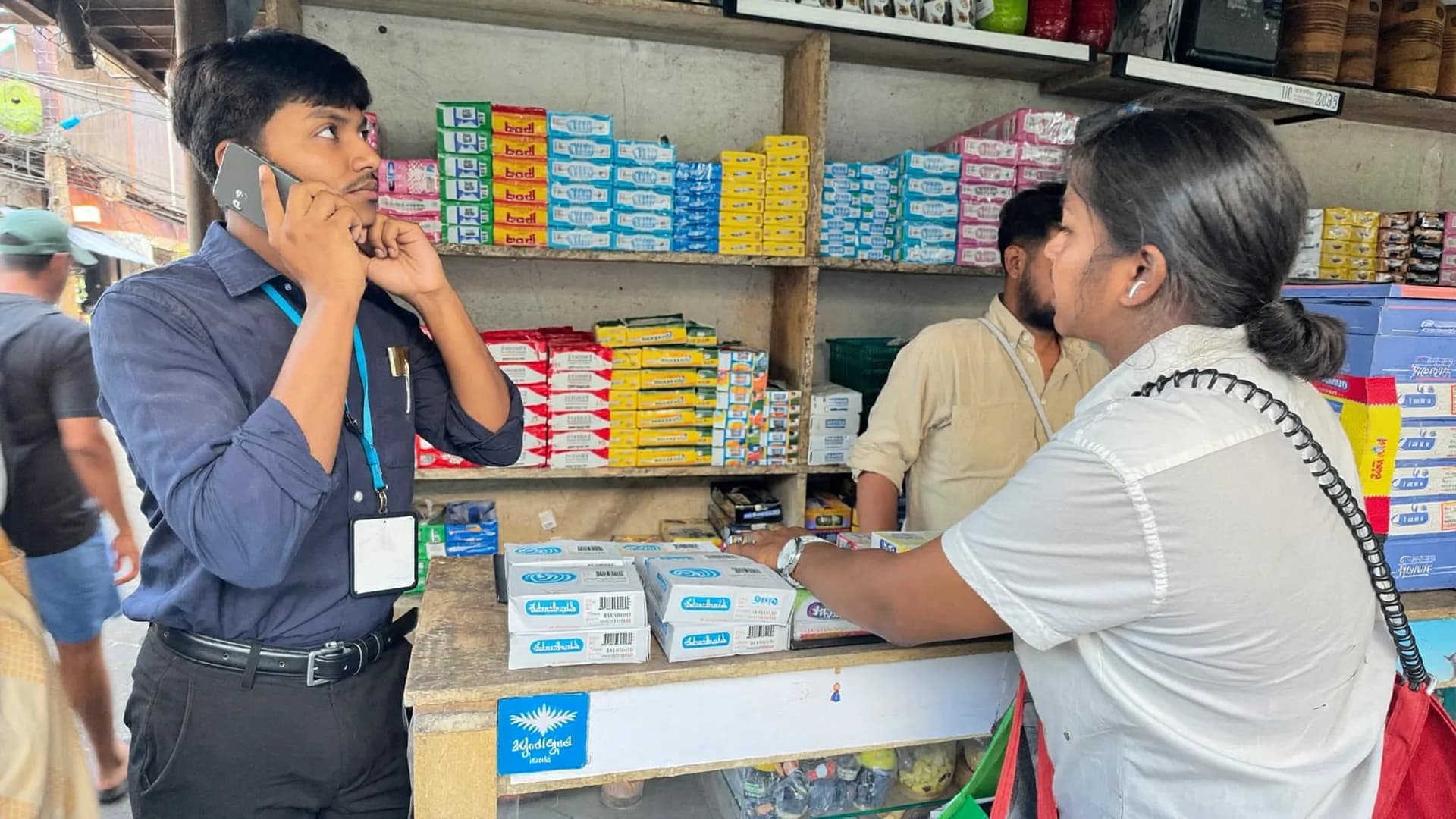
- Comes regularly
- Comes sometimes
- Rarely / never
- Don't know
| Your question | Method | Setting |
|---|---|---|
| Is this idea worth developing? | Concept screening, monadic | Doorstep or central location |
| Which of three packs stands out? | Sequential pack test | Central location |
| Does the ad script land the message? | Script or animatic test | Central location |
| Does the product perform in real use? | Home use test | Respondent homes |
| Does taste or feel beat the benchmark? | Blind paired sensory test | Central location |
| Can people use the app or device? | Task-based usability test | In-person sessions |
A product concept test survey shows a written or visual idea to screened target consumers and measures whether they understand it, find it relevant, believe it and would buy it. The biggest risk is not a low score. It is a high score from the wrong people, or a score driven by a price that will not survive costing.
Monadic or sequential
In a monadic test each respondent sees one concept, which gives clean, comparable scores but needs a larger sample. Sequential tests show several concepts to each respondent, which is cheaper but lets earlier concepts colour later ones. We rotate order and recommend monadic when a launch decision rides on the result.
What we measure
Understanding in the respondent's own words, relevance, believability, uniqueness, likes and dislikes, purchase intent at a stated price, and what they would stop buying. Understanding is coded before appeal, because a liked concept that was misread is a warning, not a win.
Stimuli we can show
- Written concept boards
- Pack mock-ups and renders
- Ad scripts and storyboards
- Animatics and films
- Price and claim variants
Most ads fail on one of three things: people do not notice them, do not get the message, or do not link it to the brand.
Script and storyboard tests
- Message take-out
- Confusing moments
Finished film tests
- Brand linkage
- Persuasion shift
What the report scores
- Region and language splits
- Verbatims by theme
- Comes regularly
- Comes sometimes
- Rarely / never
- Don't know
A line that works in English can land flat or wrong in Bhojpuri-speaking Bihar or Marathi-speaking Nashik. Ad copy testing research in India should test the regional version with regional consumers, not a translated questionnaire around the Hindi master. We show the language version each respondent will actually see and code their playback in that language.
Claims and taglines
Alternative claims, taglines and product names can be tested in one study with rotated order. We report which version is understood correctly most often, not only which is liked.
Our view on testing
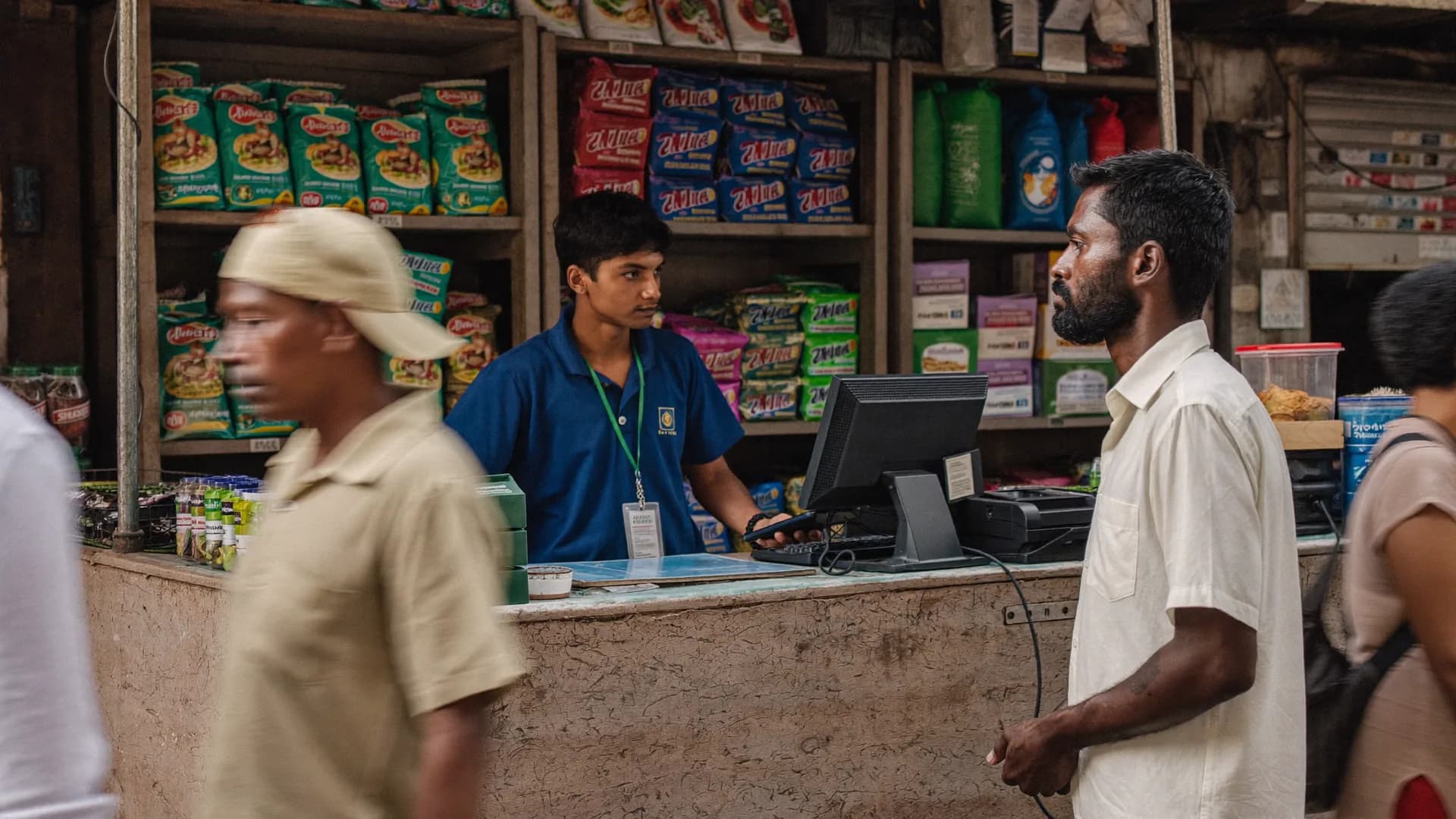
CLT market research India venues
A hall or shop space near where target consumers live and shop, set up with product preparation, stimulus screens and interview stations.
- Venue near target catchment
- Controlled preparation
Screened respondents
Recruiters invite consumers who meet screening criteria. Screening is repeated at the venue so professional respondents and repeat attendees are turned away.
- Re-screening at entry
- Duplicate checks
- Complete
- Partial
- Declined
- No contact
- Home locked
- Revisit
Sensory research agency India work
Blind, rotated tasting or trial of products against benchmarks, with palate cleansing and serving rules agreed with your R&D team.
- Blind coded samples
- Order rotation
- In areaInside approx. boundary
- Accuracy±12 m
- Time09:42 · fresh fix
- Mock GPSNot detected
- Interview length11 min
Home usage test HUT
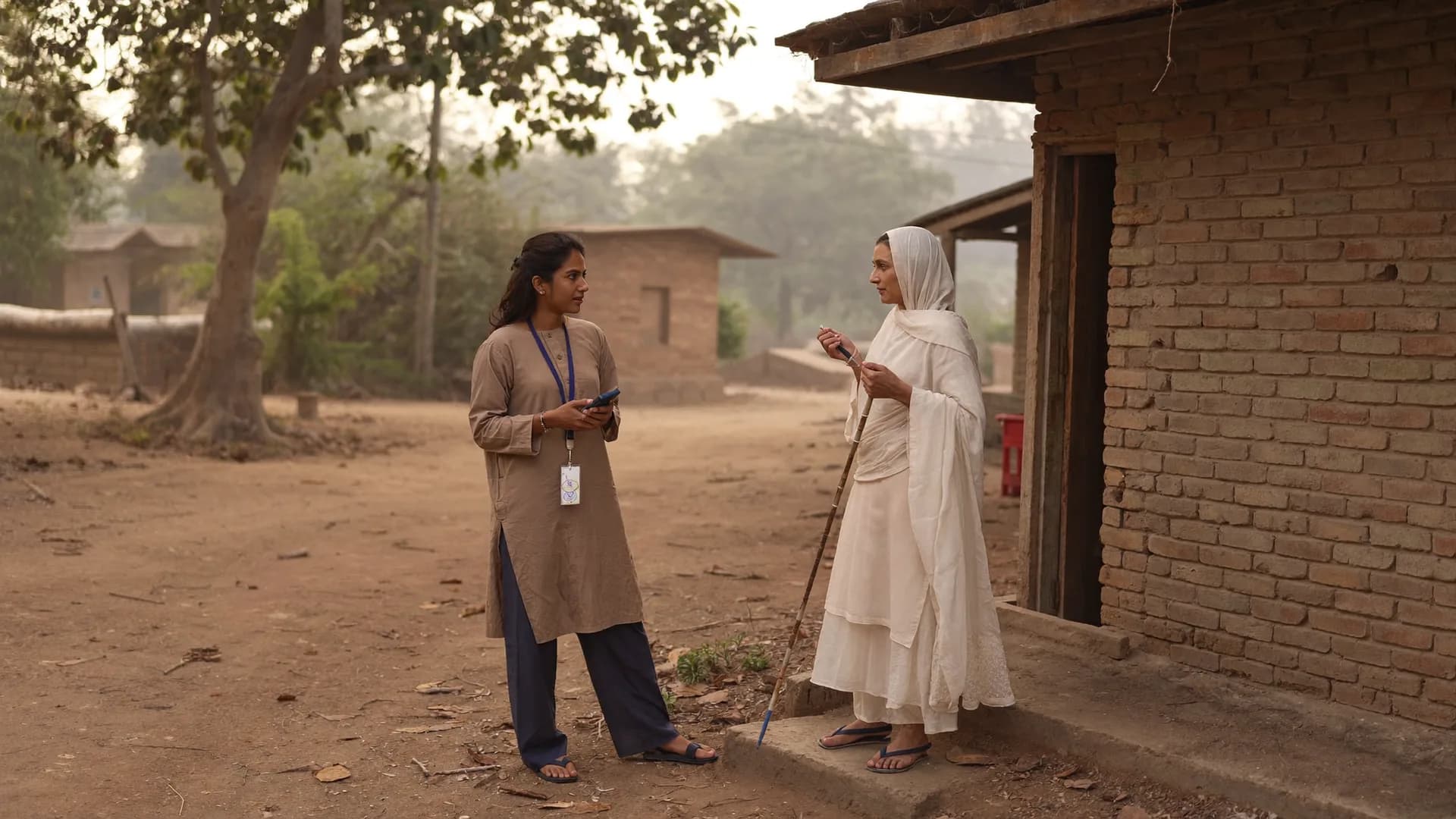
Consumers receive coded products to use in their normal routine for an agreed period, then answer a structured interview at their door. Placement and pick-up visits are both GPS verified, so you know products reached real homes.
- Placement and recall visits verified
- Usage diaries where needed
Usability testing services India
For apps, devices and appliances, respondents complete set tasks while a moderator records success, time and errors. Sessions run in person with consumers who match your users, including first-time smartphone users.
- Task success and time
- Moderator notes
- Comes regularly
- Comes sometimes
- Rarely / never
- Don't know
Not the right fit if
- Eye tracking research India studies without a lab partner
- Facial coding emotion research India studies without a licensed vendor tool
- Online panel tests of thousands in a day
- Syndicated ad pre-test norms databases
A good fit if
- Concept, pack and script tests with screened consumers
- Central location and home use tests
- Hindi and regional-language stimuli
- Small-town and rural consumer samples
Corporate solutions
Research and field data for companies.
Learn moreConsumer research
Usage and attitude and shopper studies.
Learn moreBrand tracking
Measure what the launch did, wave after wave.
Learn moreRural market research
Consumers outside the metros.
Learn moreIVR survey
Short voice surveys.
Learn moreStraight answers to the questions people ask most about this topic.
Can you do eye tracking or facial coding?
Not in-house. Eye tracking research in India needs lab hardware and trained analysts, and facial coding emotion research needs a licensed vendor tool. If your study needs them, we can scope it with a specialist partner and handle recruitment and survey modules ourselves, stating clearly in the proposal who does what.
How many respondents does a concept test need?
It depends on the design and the difference you need to detect. Monadic tests need a separate cell per concept; regional splits add cells. We give a cell-by-cell sample plan and tell you which comparisons it can and cannot support.
Do you provide action standards or norms?
We do not hold a syndicated norms database. We help you set action standards before fieldwork, such as beating the current product or a benchmark concept tested in the same study, so the decision rule is agreed before results arrive.
How do you keep unreleased concepts confidential?
Respondents see stimuli on the app without downloads, agree to confidentiality where you require it, and venue staff sign non-disclosure terms. Physical products are coded and collected back after home use tests. Stimuli are removed from devices when fieldwork ends.

Send the stimuli, target consumer and markets. We will propose a design, samples and timeline.