
Partner to EIA consultants
Environmental consultants lead air, water, soil and ecology studies; we run the household, consultation and livelihood components on the same timeline.
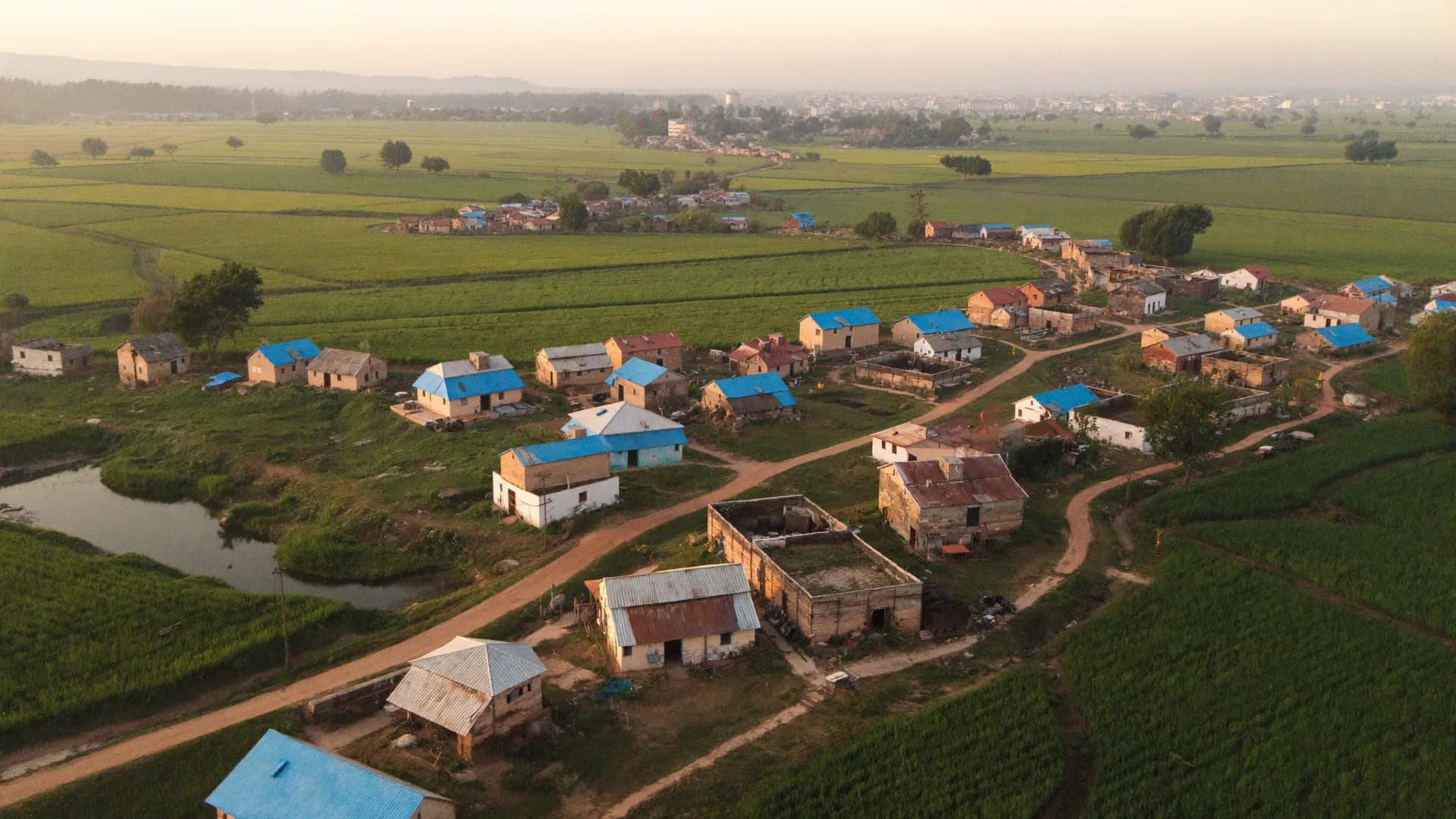
Field evidence for SIA studies that must survive a public hearing and an expert review
Bharat Survey supports social impact assessment work in India for state SIA units, requiring bodies, project developers and the consultants who prepare SIA reports. We run the census of affected families, record assets and livelihoods with GPS and photo evidence, document public hearings, and provide the data behind a social impact management plan. We are not a state-empanelled SIA agency; where a notified unit or empanelled body must sign the study, we work as its field and data partner.
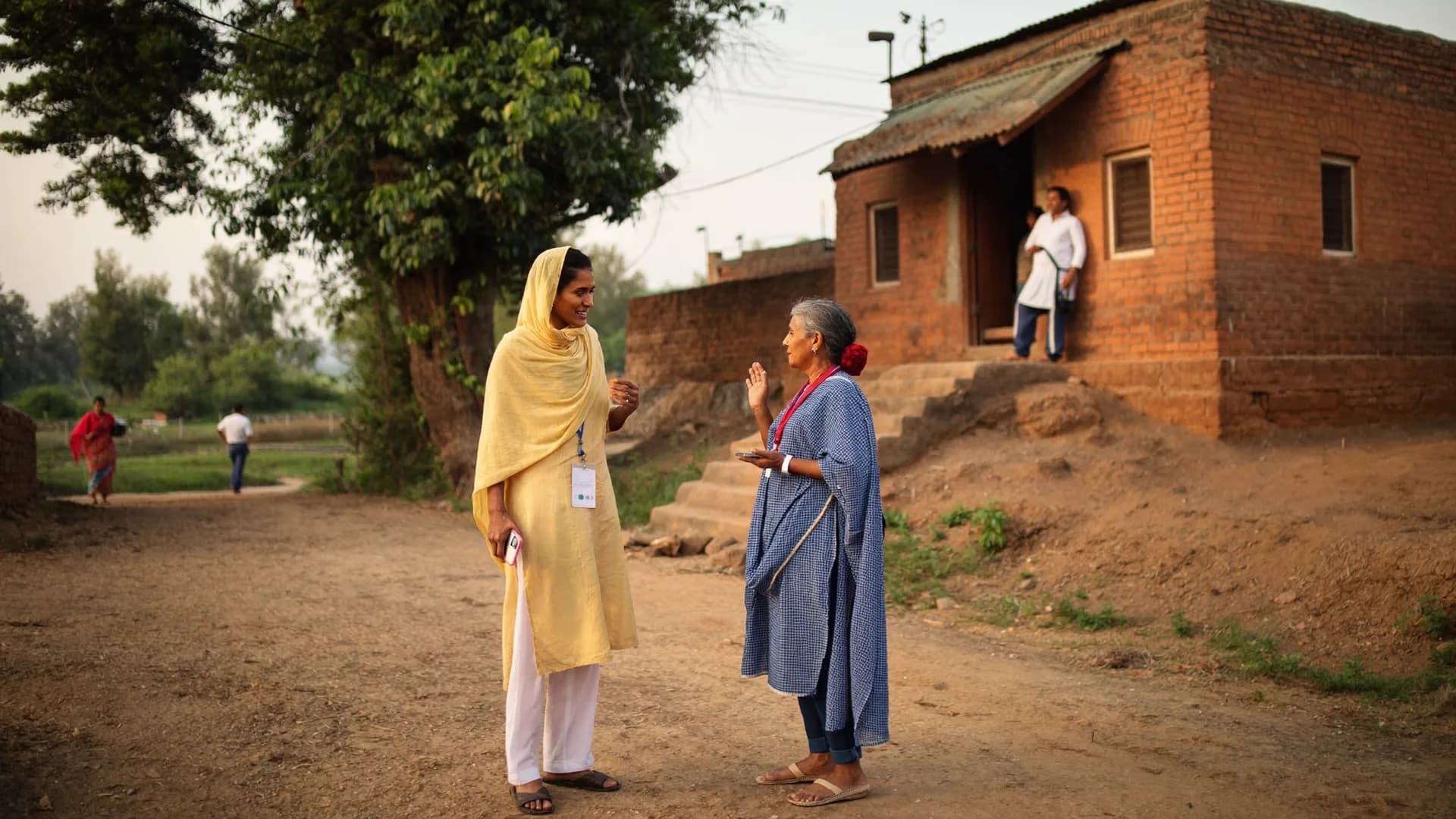
The Right to Fair Compensation and Transparency in Land Acquisition, Rehabilitation and Resettlement Act, 2013 (RFCTLARR Act) makes a social impact assessment the first step when the appropriate government proposes to acquire land for a public purpose, with exemptions the Act and state rules define. Chapter II sets out the process: the SIA is carried out in consultation with the panchayat or municipality of the affected area, a public hearing is held, and the study is normally to be completed within six months.
The Act asks whether the project serves a public purpose, estimates affected families and those likely to be displaced, checks the extent of land, lists public and private assets affected, looks at whether the land proposed is the bare minimum, and considers alternative sites. It also studies social impacts and weighs them against benefits. A Social Impact Management Plan lists the measures to address the impacts.
An independent multi-disciplinary expert group appraises the SIA report and recommends whether the project should proceed. Weak field data is the most common reason these reviews stall: family counts that do not match revenue records, livelihood losers who are not landowners left out, or hearing minutes that do not record objections.
Four components that make up most of an SIA's evidence base.
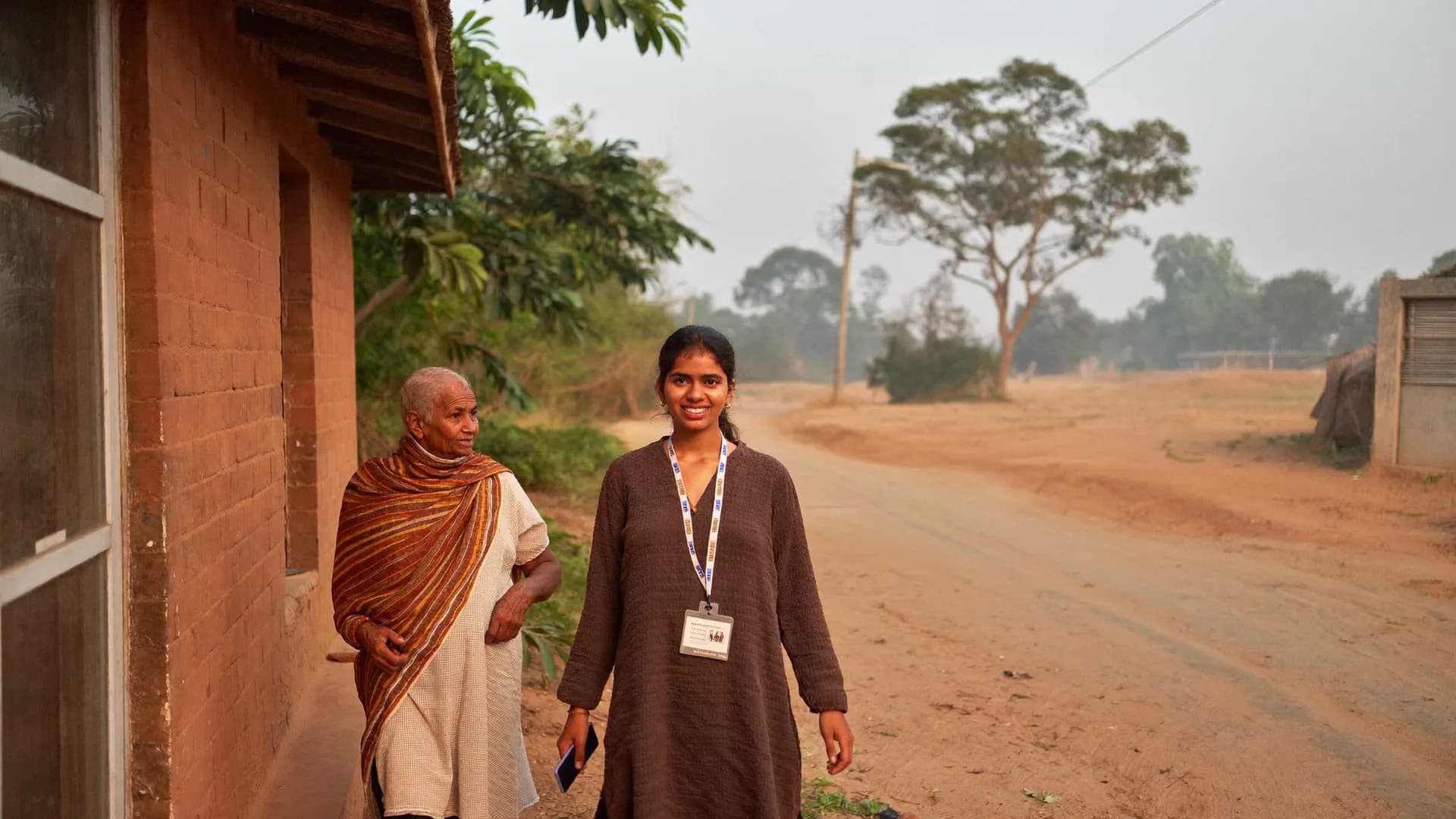
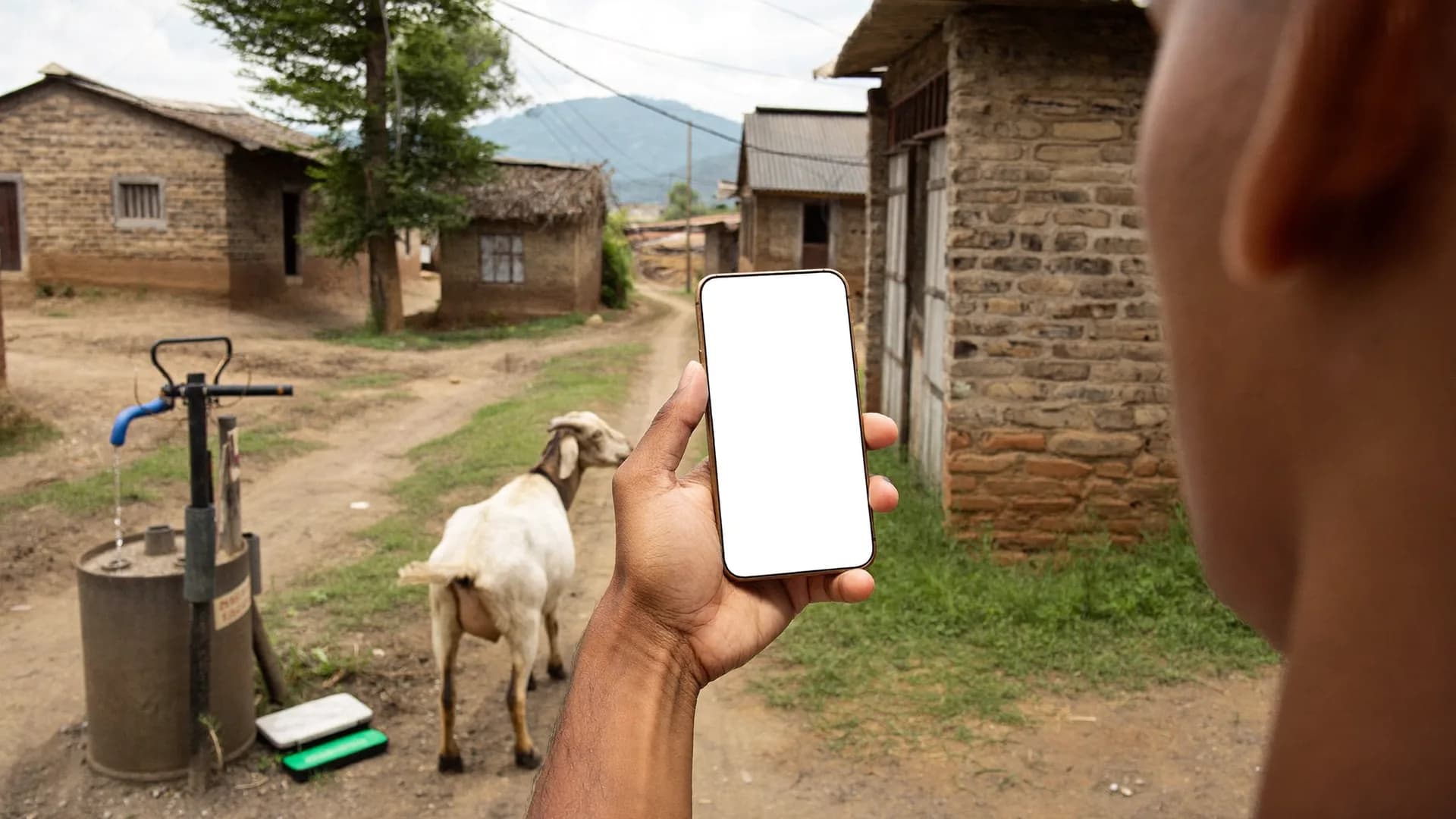
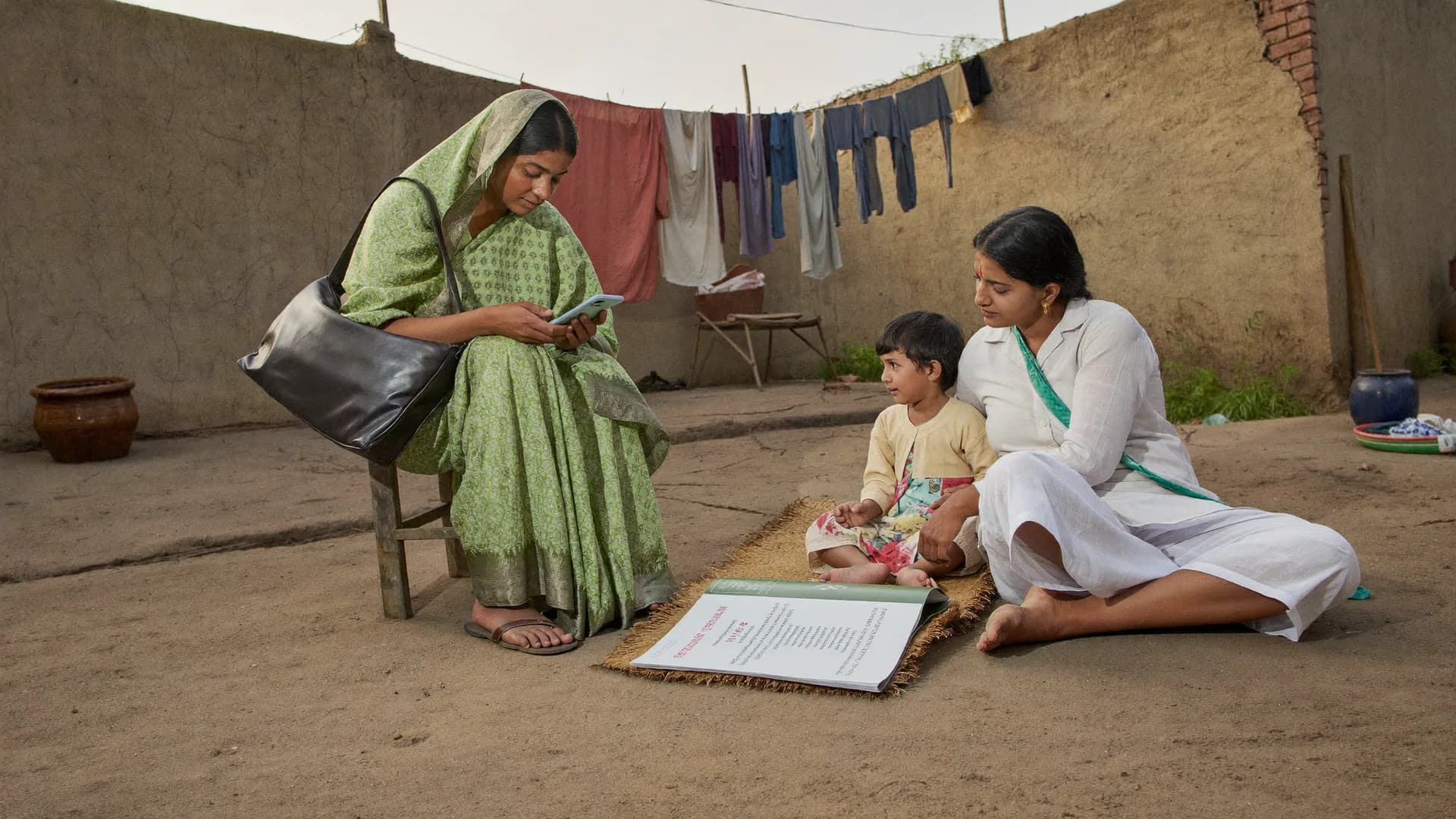
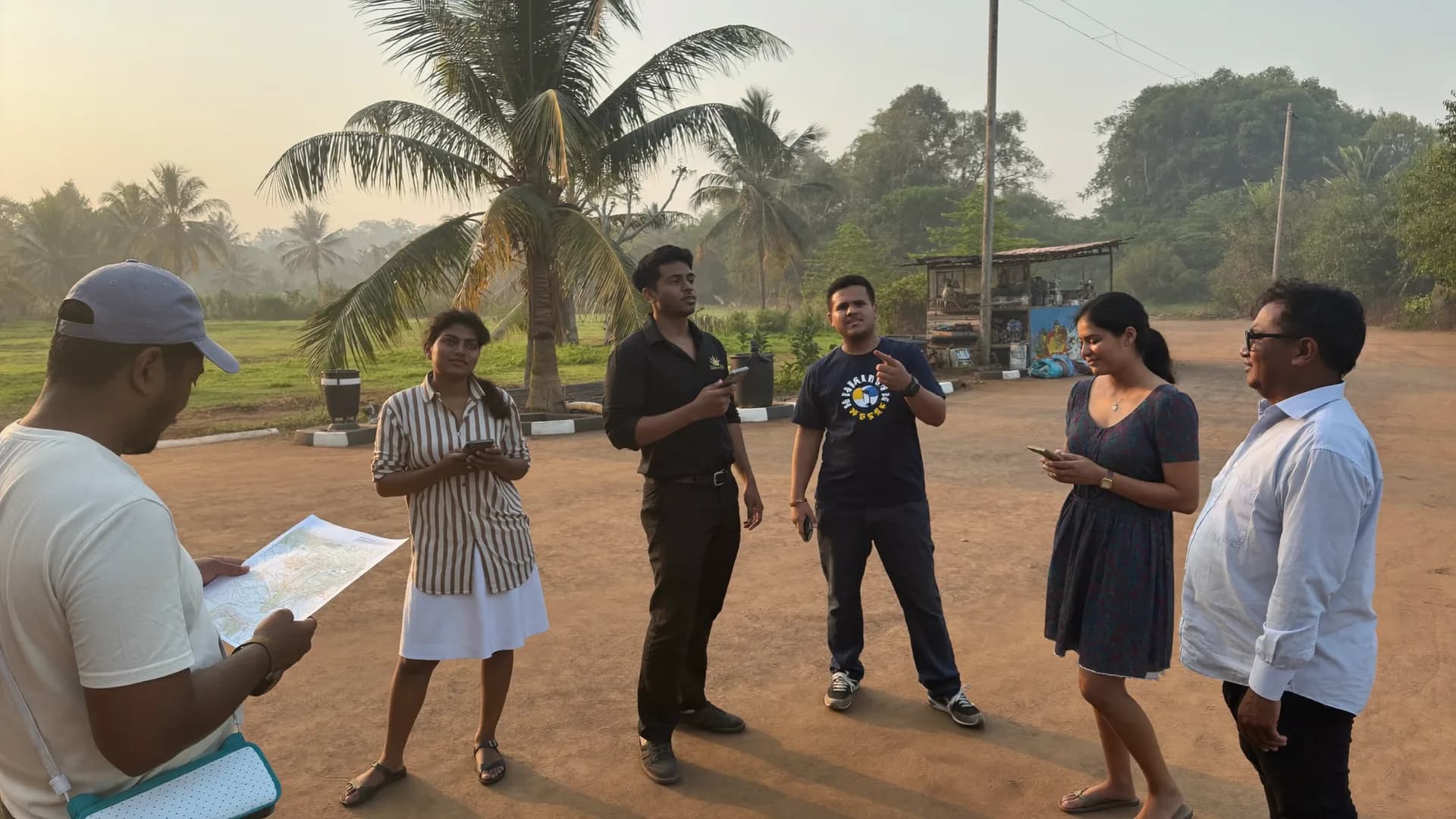
A management plan is only as specific as the data under it.
For ESIA work we cover the social side and field data. Environmental baselines stay with accredited environmental consultants.
States handle SIA differently. Some notify a State Social Impact Assessment Unit; some empanel institutions, universities or NGOs to conduct studies; some do both. Requiring bodies usually cannot pick any consultant freely.
Where a state SIA unit exists, it typically assigns or approves the agency and reviews the draft. We work with the assigned agency as its field partner, following the unit's formats.
An empanelled social impact assessment agency is one listed by the state government after a selection process. Bharat Survey does not claim any such listing. If your study requires an empanelled body, we can support the body you appoint with census fieldwork, data management and hearing documentation.
Social impact assessment agency empanelment notices commonly look for experience with SIA or R&R studies, social scientists on the team, field capacity in local languages, and absence of conflict of interest with the requiring body. Read each notice closely; criteria vary by state.
R&R entitlement surveys and resettlement monitoring.
Learn moreSurvey software and field work for departments.
Learn moreGovernment survey services in Hindi.
Learn moreIndependent evaluation of outcomes.
Learn moreHow empanelment processes usually work.
Learn moreProcuring survey services through GeM.
Learn moreStraight answers to the questions people ask most about this topic.
Under the RFCTLARR Act the appropriate government arranges the SIA, usually through a state SIA unit or an institution or agency it has notified or empanelled. The study is done in consultation with the local panchayat or municipality and reviewed by an independent expert group. Field agencies like ours support the assigned body.
There is no standard rate. Cost depends on the number of affected villages and families, whether a full census is needed, the number of public hearings, languages, and whether monitoring rounds follow. We quote the field and data components after seeing the project footprint and terms of reference.
The Act sets a normal limit of six months from the start of the study. Fieldwork for a census of affected families is usually a few weeks for a compact project, longer for linear projects like roads or canals crossing many villages.
Yes, and we treat it as essential. Tenants, sharecroppers, agricultural labourers, artisans and families dependent on common property are enumerated in the same census, with their dependence recorded explicitly.
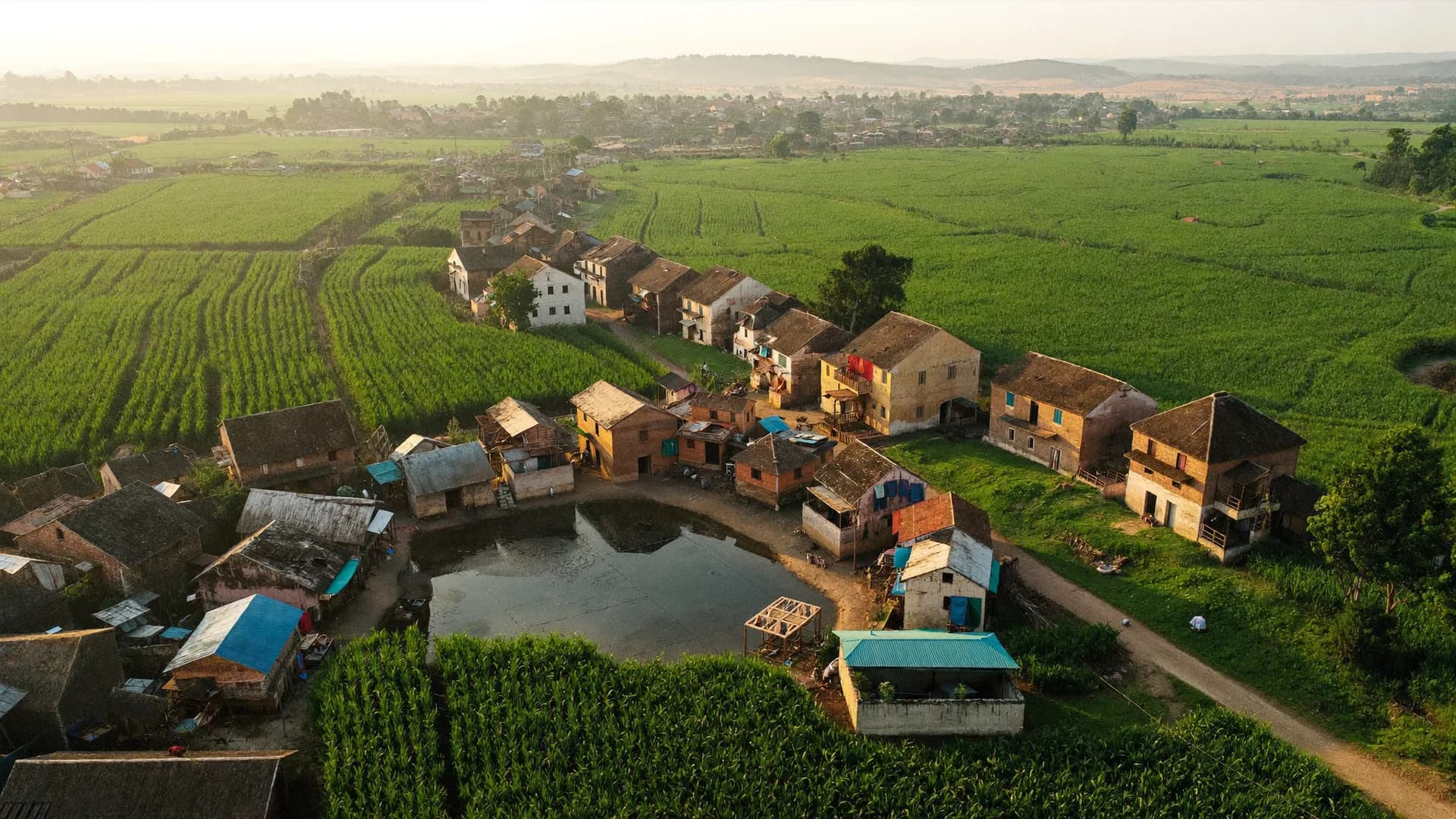
Share the project footprint, number of villages and the state's process. We will propose the field and data scope.