
Days 1–3
01 / 04Wards and segments mapped to the right seat
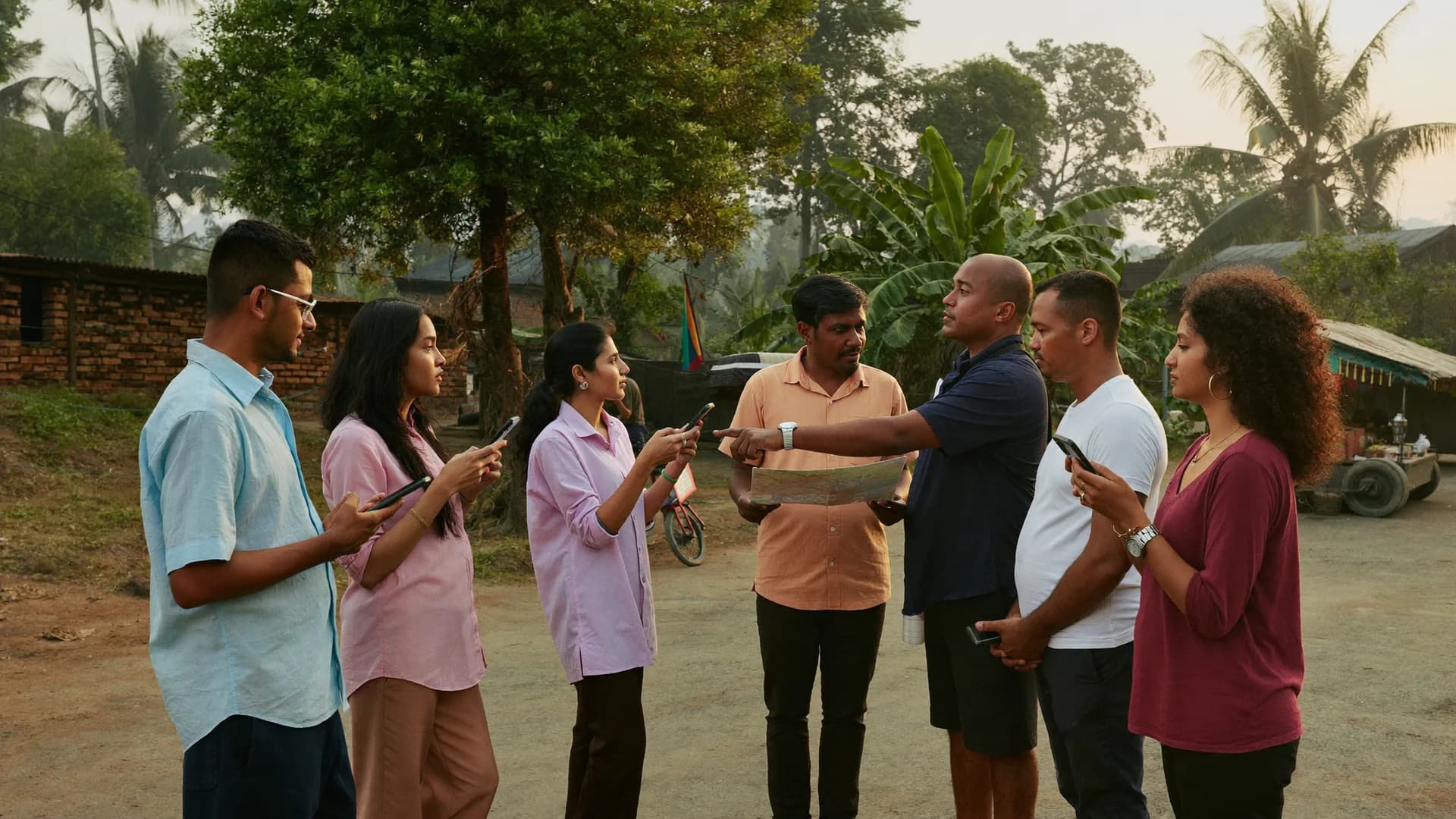
We split the brief by SMC ward and assembly segment and confirm which Lok Sabha seat each belongs to.
Shift-aware fieldwork for a city that works in diamond units, looms and markets
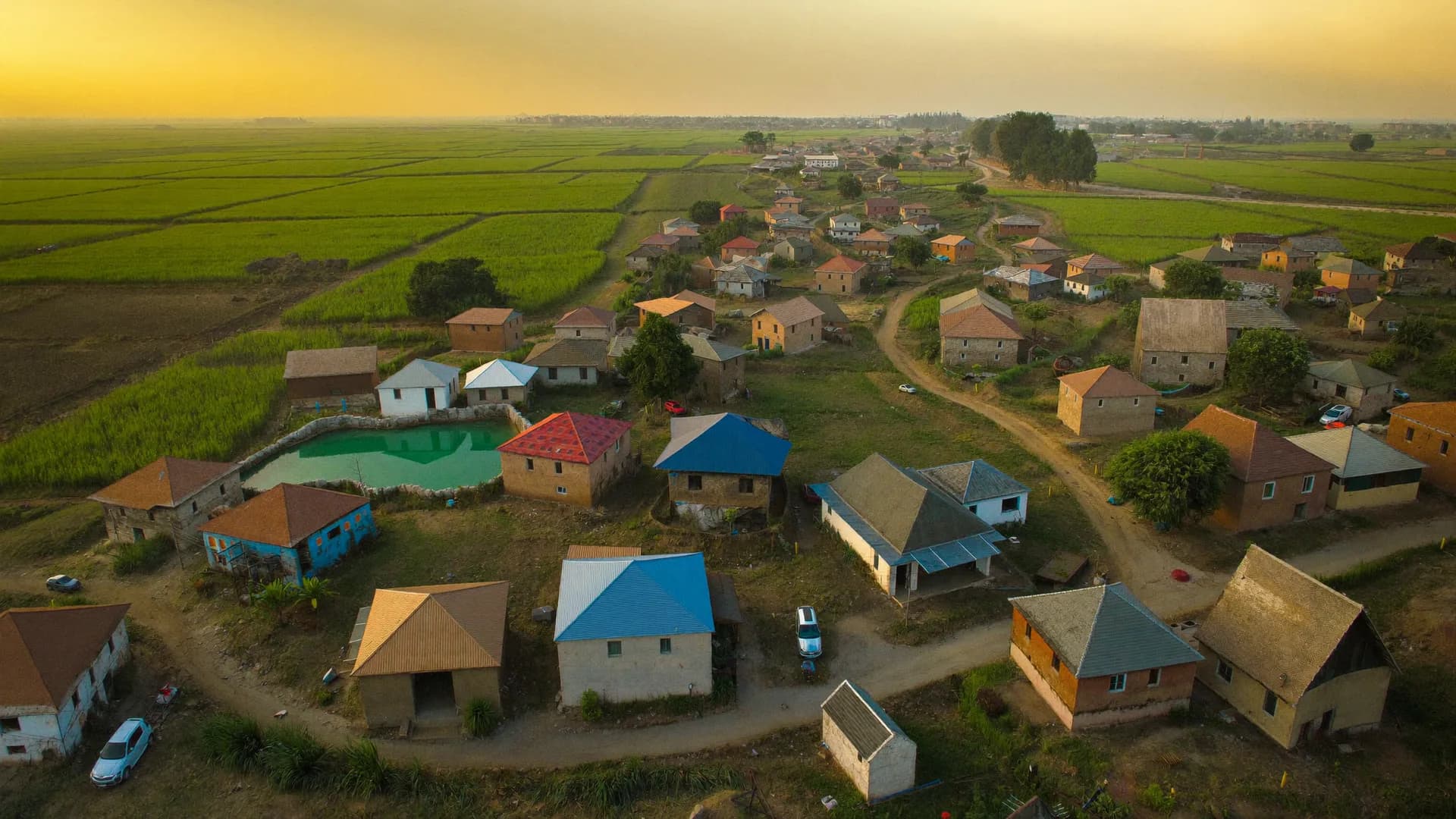
Bharat Survey works as a survey company in Surat for campaigns, brands, NGOs and civic bodies. Surat's electorate is split across three Lok Sabha seats and 30 SMC wards, and much of its workforce keeps factory hours. We plan samples around those facts, deploy field teams per project and capture every interview offline with GPS, time and consent.
Checked against public sources in September 2026.
Sources: Surat Municipal Corporation — elected wing · Chief Electoral Officer, Gujarat · Navsari district — constituencies · Surat district (pointer to Census 2011 language data)
Surat city does not map neatly onto one parliamentary seat. Limbayat, Udhna and Majura vote in Navsari, while Kamrej and Bardoli sit in the Bardoli seat. A party office or independent researcher studying city opinion has to decide first which seat the question is about, then build quotas per assembly segment.
Census 2011 recorded sizeable Hindi, Marathi and Odia-speaking populations in the district, many working in textile and embroidery units. Limbayat and Udhna interviews often need Marathi or Odia-speaking interviewers, while Varachha and Katargam, home to much of the diamond workforce, are largely Gujarati. We assign interviewers by segment language, not at random.
The same cycle serves SMC ward polls and assembly or Lok Sabha seat studies.
We split the brief by SMC ward and assembly segment and confirm which Lok Sabha seat each belongs to.
Interview windows are set around factory shift changes and market closing hours, with Sunday slots for workers who are away all week.
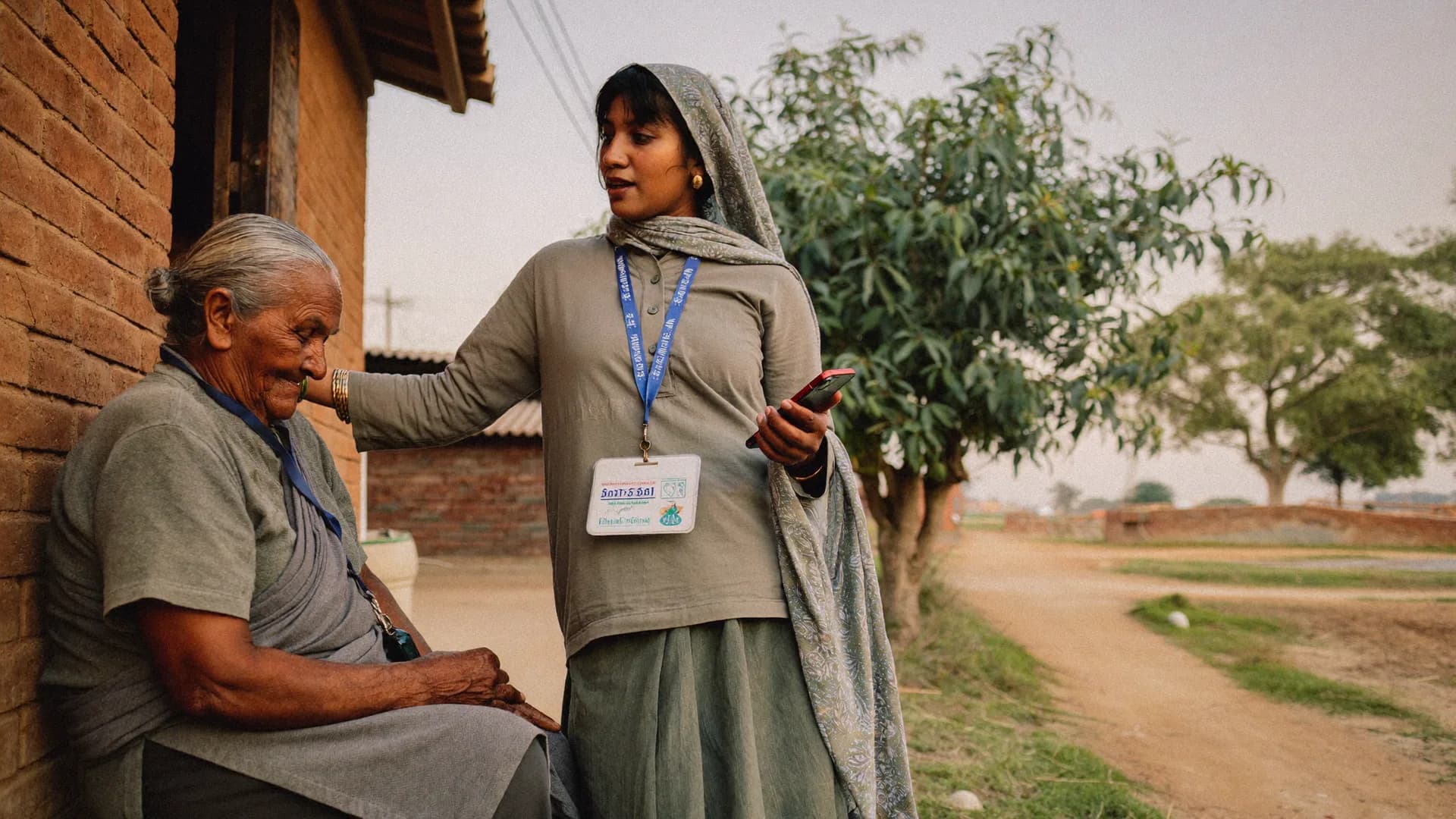
Each interview is logged offline and synced; out-of-ward and too-short interviews are flagged daily.
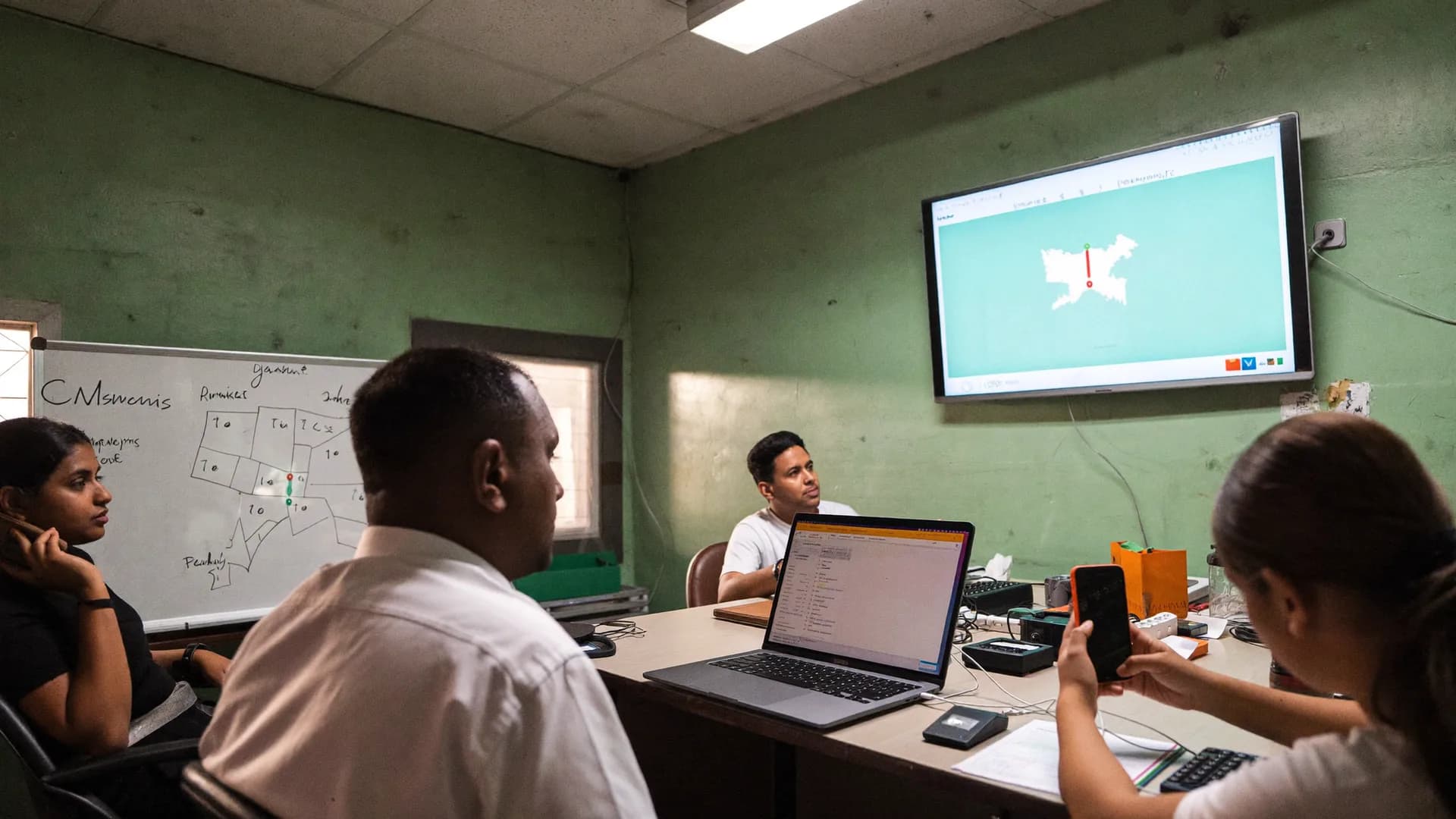
Campaigns can move from research to organisation: a booth management app Surat volunteers use offline tracks booth tasks, volunteer check-ins and turnout reports.
Surat's economy runs on diamond cutting and polishing, synthetic textiles and wholesale trade. Research here often means reaching traders and workers, not only households.
| Your goal | Best format | Surat-specific care |
|---|---|---|
| Mood in one assembly segment | Door-to-door sample by ward | Check which Lok Sabha seat the segment is in |
| Worker welfare or wages | Cluster interviews near residences | Evening and Sunday timing |
| Trader sentiment | Market intercepts and shop audits | Avoid peak dispatch hours |
| Flood or civic service feedback | Household survey in river-adjacent wards | Schedule outside the monsoon when possible |
Statewide seats, languages and services.
Learn moreAMC wards, pols and western suburbs.
Learn moreHousehold fieldwork method and quality checks.
Learn moreSurveys for municipal corporation polls.
Learn moreBooth teams and polling-day reporting.
Learn moreOutlet audits with photo evidence.
Learn moreStraight answers to the questions people ask most about this topic.
It depends on the assembly segment. Varachha Road, Katargam, Karanj and Surat West are in Surat seat; Limbayat, Udhna, Majura and Choryasi are in Navsari; Kamrej and Bardoli are in Bardoli. We confirm each ward's segment from official constituency data before setting quotas.
We schedule interviews in residential clusters in the evening and on Sundays, and, where an employer agrees, during breaks at the unit. Interview time is recorded, so you can see how the sample spreads across working and non-working hours.
Yes. Census 2011 shows notable Marathi and Odia-speaking populations in Surat district. We translate and pilot those versions and assign interviewers who speak them in wards like Limbayat and Udhna where the need is highest.
It can. Heavy rain and high water in the Tapi have disrupted the city before, and low-lying wards are harder to reach during intense spells. We keep buffer days in monsoon schedules and move affected wards later instead of cutting the sample.
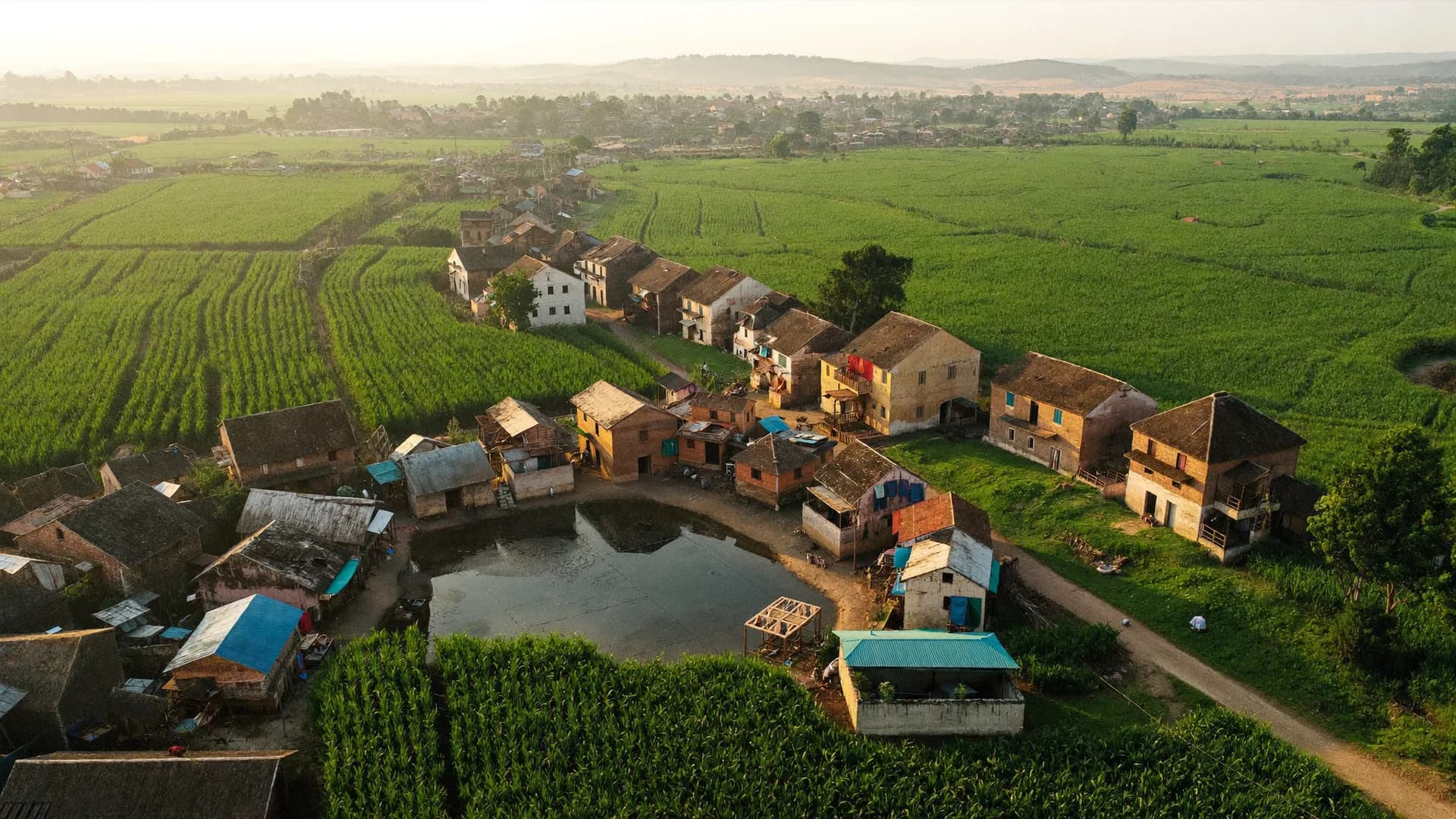
Share your seats or wards, respondent groups and languages. We will send back a shift-aware field plan.