Bharat Surveyभारत सर्वे
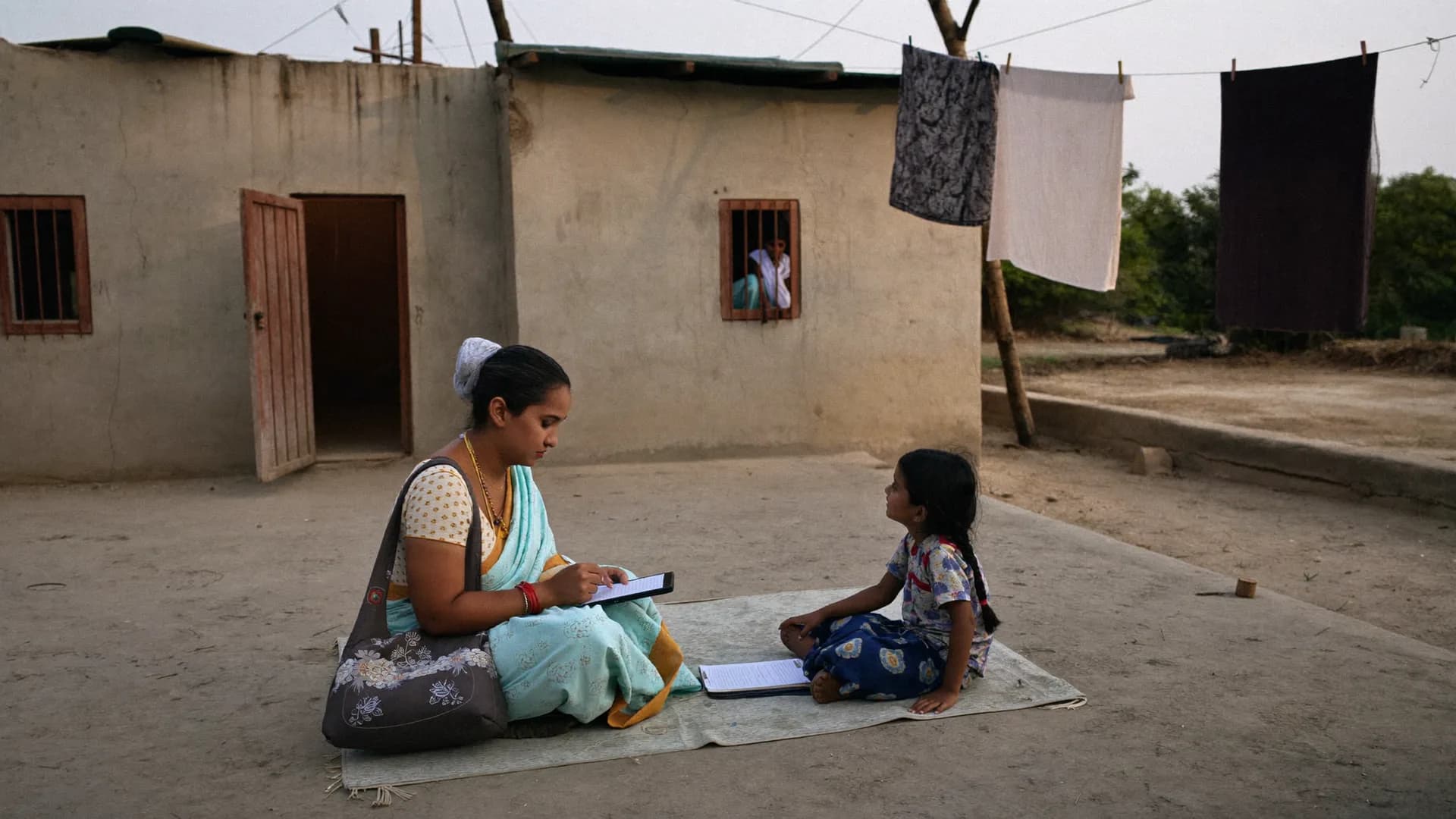
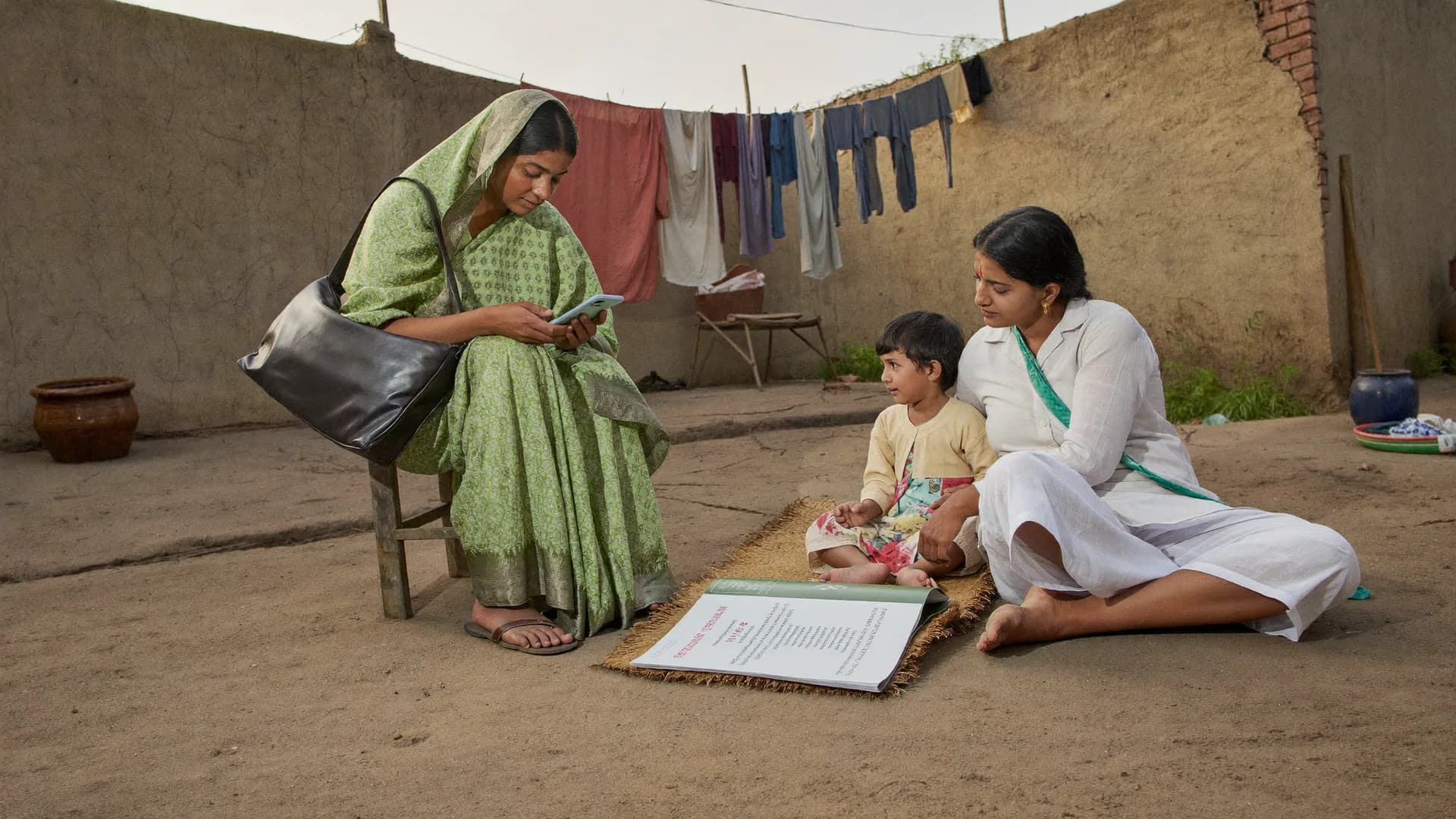
गाँव के घर के दरवाज़े पर परिवार से बात करती NGO कार्यकर्ता, हाथ में फोन
Services · CSR compliance and learning

Board-ready evidence on what your CSR projects changed

Bharat Survey is a CSR impact assessment agency for companies whose CSR committees need an independent view of projects before the report goes to the Board. We assess projects that fall under Rule 8(3) of the Companies (CSR Policy) Rules and those you choose to evaluate voluntarily: reviewing documents, surveying beneficiaries with GPS-verified field teams, speaking to implementing partners and local stakeholders, and writing a report that separates outputs, outcomes and what can honestly be attributed to your spend.

  • Independent of your implementing NGO
  • Beneficiary surveys verified by location and time
  • OECD-DAC style criteria adapted to each project
  • Report format ready to annex to the annual CSR report
CSR impact assessment agency
Constituency 172 · Survey round 2Updated 12s ago · sample
3,000
Target homes
2,184
Visits
1,962
Completed
1,871
Accepted
Daily accepted surveysLast 12 days
Location evidence
Survey #BS-0412
  • In areaInside approx. boundary
  • Accuracy±12 m
  • Time09:42 · fresh fix
  • Mock GPSNot detected
  • Interview length11 min
Added to accepted count
Rule 8(3) assessmentsVoluntary assessmentsBeneficiary surveysNGO due diligenceUtilisation verificationPortfolio reviewsKPI frameworksBoard-ready reports
The rule

Rule 8(3) of the Companies (Corporate Social Responsibility Policy) Rules, 2014, as amended in 2021, requires every company with an average CSR obligation of ten crore rupees or more in the three preceding financial years to carry out impact assessment, through an independent agency, of CSR projects with outlays of one crore rupees or more that were completed at least one year before the study. The report goes to the Board and is annexed to the annual report on CSR.

CSR impact assessment eligibility criteria independent agency questions

The rules require the agency to be independent but do not publish a list of approved agencies or a certification. In practice, CSR committees look for independence from the implementing partner, a documented field method, relevant sector experience, and no conflict of interest. Ask any agency, including us, to declare conflicts in writing.

Rule 8(3) in brief

  • Average CSR obligation ≥ ₹10 crore
  • Project outlay ≥ ₹1 crore
  • Completed ≥ 1 year before study
  • Independent agency
  • Report placed before the Board
  • Annexed to annual CSR report

Our position

Method

Desk review and evaluation framework
Weeks 1–2
01 / 05

Desk review and evaluation framework

Project proposals, MoUs, utilisation certificates, monitoring reports and any baseline are reviewed. We build an evaluation matrix of questions, indicators and data sources.

  • Theory of change check
  • Indicator gaps flagged
Tools and sample
Weeks 2–3
02 / 05

Tools and sample

Beneficiary questionnaires, partner interview guides and site checklists in local languages, with a sample drawn from beneficiary lists.

  • Random sample from lists
  • Pilot in non-sample sites
CSR impact assessment survey India fieldwork
Weeks 3–6
03 / 05

CSR impact assessment survey India fieldwork

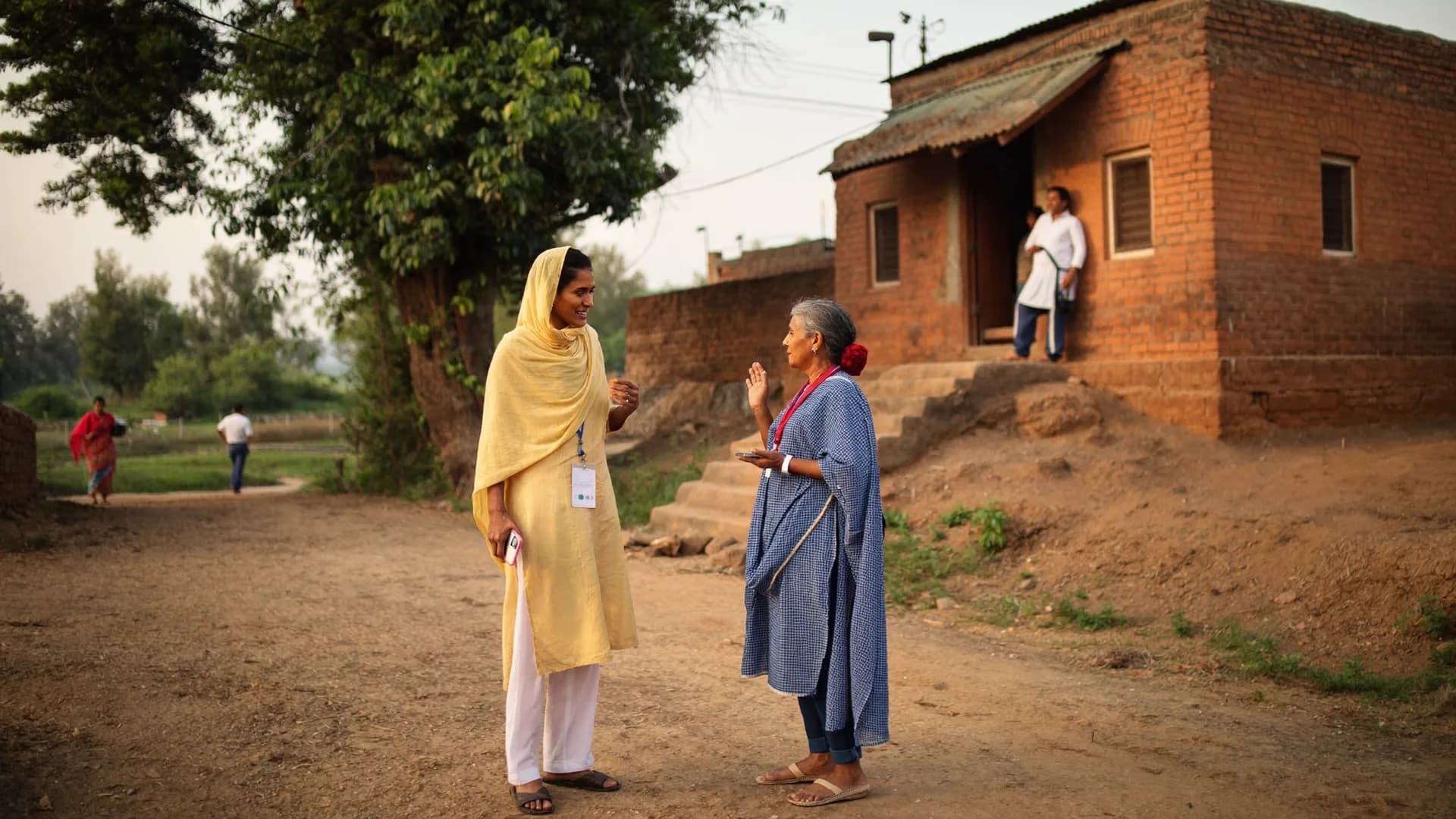
Enumerators interview beneficiaries at home or at facilities, with GPS, time and duration captured and back-checks on a share of interviews.

  • Offline app in project villages
  • Back-check results reported
Stakeholder interviews and site visits
Weeks 6–8
04 / 05

Stakeholder interviews and site visits

Implementing staff, panchayat members, teachers, health workers or other local stakeholders give context to the numbers.

  • Structured interview notes
  • Asset and facility checks
Report for the CSR committee and Board
Weeks 8–10
05 / 05

Report for the CSR committee and Board

Findings on relevance, effectiveness, efficiency, impact and sustainability, with evidence limits stated and recommendations kept separate.

  • Executive summary for the Board
  • Annexures with data and tools
Before and alongside the assessment

CSR due diligence NGO validation

Partners
Before funding, we check an implementing partner's registration documents, track record claims, field presence and systems, with site visits where needed.
Home #17 · Visit outcome
  • Complete
  • Partial
  • Declined
  • No contact
  • Home locked
  • Revisit
Save

NGO due diligence checklist CSR team members can use

Checklist
Registration and CSR-1 status, 12A and 80G, audited accounts, FCRA if relevant, governance, past project evidence and reference checks with previous funders.
Survey 3/6 · AmenitiesOffline
How is drinking water in your area?
  • Comes regularly
  • Comes sometimes
  • Rarely / never
  • Don't know
✓ Section saved on phone · autosave
BackNext

CSR utilisation certificate verification survey

Spend
Field checks that assets and services reported in utilisation certificates exist and are in use: classrooms built, equipment installed, beneficiaries trained.
Survey 5/6 · Photo
Photo of a public issue
Camera · no faces
5 MB → 210 KB · with location/time
SkipTake photo

CSR programme monitoring agency support

Ongoing
Quarterly or half-yearly independent monitoring rounds so the CSR team sees problems before the impact assessment finds them.
Constituency 172 · Survey round 2Updated 12s ago · sample
3,000
Target homes
2,184
Visits
1,962
Completed
1,871
Accepted
Daily accepted surveysLast 12 days
Frameworks

Many assessments struggle because projects were never designed to be measured. We help CSR teams set indicators that can be assessed later, and we say when an existing project's indicators are too vague to conclude anything.

SMART KPI indicator framework CSR teams can adopt

Indicators that are specific, measurable, achievable, relevant and time-bound, linked to the project's theory of change: from outputs such as trainings held, to outcomes such as women earning from the skill, to longer-term impact. Each indicator names its data source and who collects it.

  • Output, outcome and impact levels
  • Baseline value and target
  • Data source and frequency
  • Responsibility for collection

Portfolio evaluation CSR committees ask for

When a company funds many projects across themes and states, a portfolio evaluation compares them on common measures such as reach, cost per outcome and sustainability, so the committee can decide where to scale, fix or exit.

For studies needing quick follow-up with many beneficiaries spread across districts, call centre data collection CSR teams sometimes request can supplement field visits, with phone interviews used only for short questions and never as a replacement for site verification.

Budget

The rules cap how much impact assessment spend can be counted as CSR expenditure. Within that, cost is set by the study design.

Cost drivers for a CSR impact assessment
DriverRaises costLowers cost
Number of projectsSeveral projects across themesOne project
GeographyMultiple states, remote villagesOne district
SampleComparison group, subgroup reportingBeneficiaries only, overall figures
Data availableNo baseline or beneficiary listBaseline and clean lists exist
LanguagesSeveral local languagesOne language
ReportingMultiple reports and presentationsSingle report

Rule 8(3)(c), as currently amended, limits impact assessment spend that can be booked as CSR expenditure. Check the latest text on the MCA site before budgeting. Bharat Survey quotes per study.

Decision aid

Before

Partner self-assessment

Useful for learning

  • Low cost and quick
  • Good for routine monitoring
  • Partner has an interest in good results
  • Does not meet Rule 8(3) independence
With Bharat Survey

Independent agency

Required for Rule 8(3)

  • No stake in the findings
  • Own enumerators and back-checks
  • Credible to Board and auditors
  • Costs more, takes longer

Not the right fit if

  • We designed, implemented or monitored the project for you
  • You need a financial audit of CSR spend by a chartered accountant
  • Findings must be positive by a fixed date
  • No beneficiary contact is possible

A good fit if

  • Rule 8(3) mandatory assessments
  • Voluntary assessments of flagship projects
  • NGO due diligence before funding
  • Multi-state portfolio reviews
FAQ

Straight answers to the questions people ask most about this topic.

Who can do CSR impact assessment?

Under Rule 8(3), an independent agency. The rules do not name approved agencies or require a licence, so independence and competence are for the company to judge. The agency should not have implemented or monitored the project, should declare conflicts of interest, and should show a documented field and analysis method.

Is impact assessment needed for projects under ₹1 crore?

The mandatory requirement applies to projects with outlays of ₹1 crore or more, for companies with an average CSR obligation of ₹10 crore or more. Many companies still assess smaller projects voluntarily, often with a lighter design, because the findings guide future funding.

Can our implementing NGO's evaluation be used?

It can be useful for learning, but it does not meet the independence the rule requires, because the NGO has an interest in the result. An independent agency can review the NGO's data and use it where it holds up, while collecting its own evidence.

What if there was no baseline?

We can still assess outcomes using recall questions, project records, comparison with similar non-project villages and secondary data. The report states clearly that conclusions on change are weaker without a baseline. For future projects, we recommend setting one up at the start.

How long does a CSR impact assessment take?

A single-project study commonly takes a couple of months from desk review to final report, depending on geography, sample and data quality. Portfolio studies across states take longer. Start well before the date the CSR report must go to the Board.

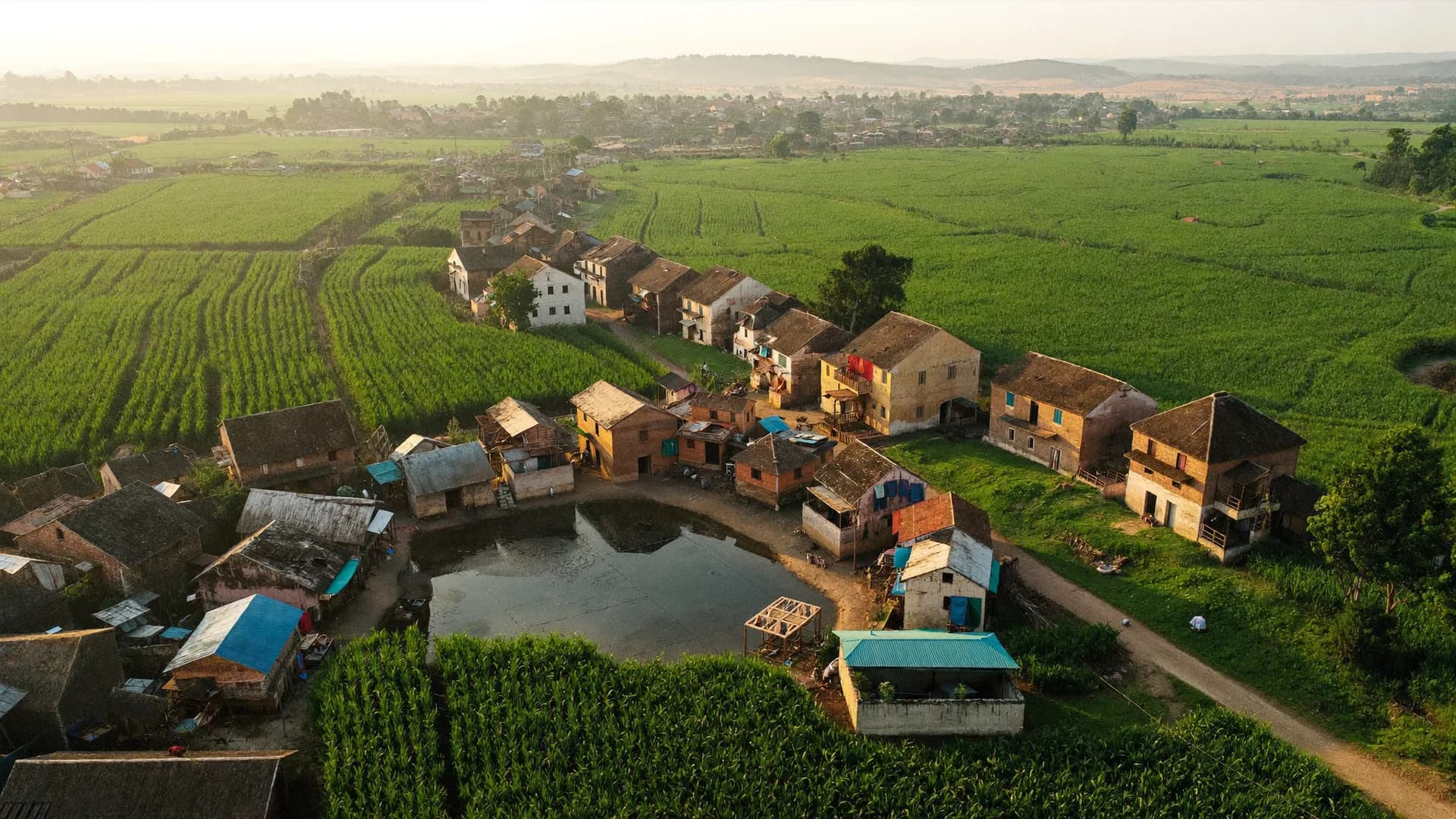
शाम के समय कस्बे का हवाई दृश्य
India Nationwide, Hindi-first

Share the project list, outlays, locations and completion dates. We will return a scope, method and timeline for the assessment.