
Aspiring candidates
Is there space for me here, which issues are unowned, and where am I known?
Know the seat before you commit a ticket, a budget or a message
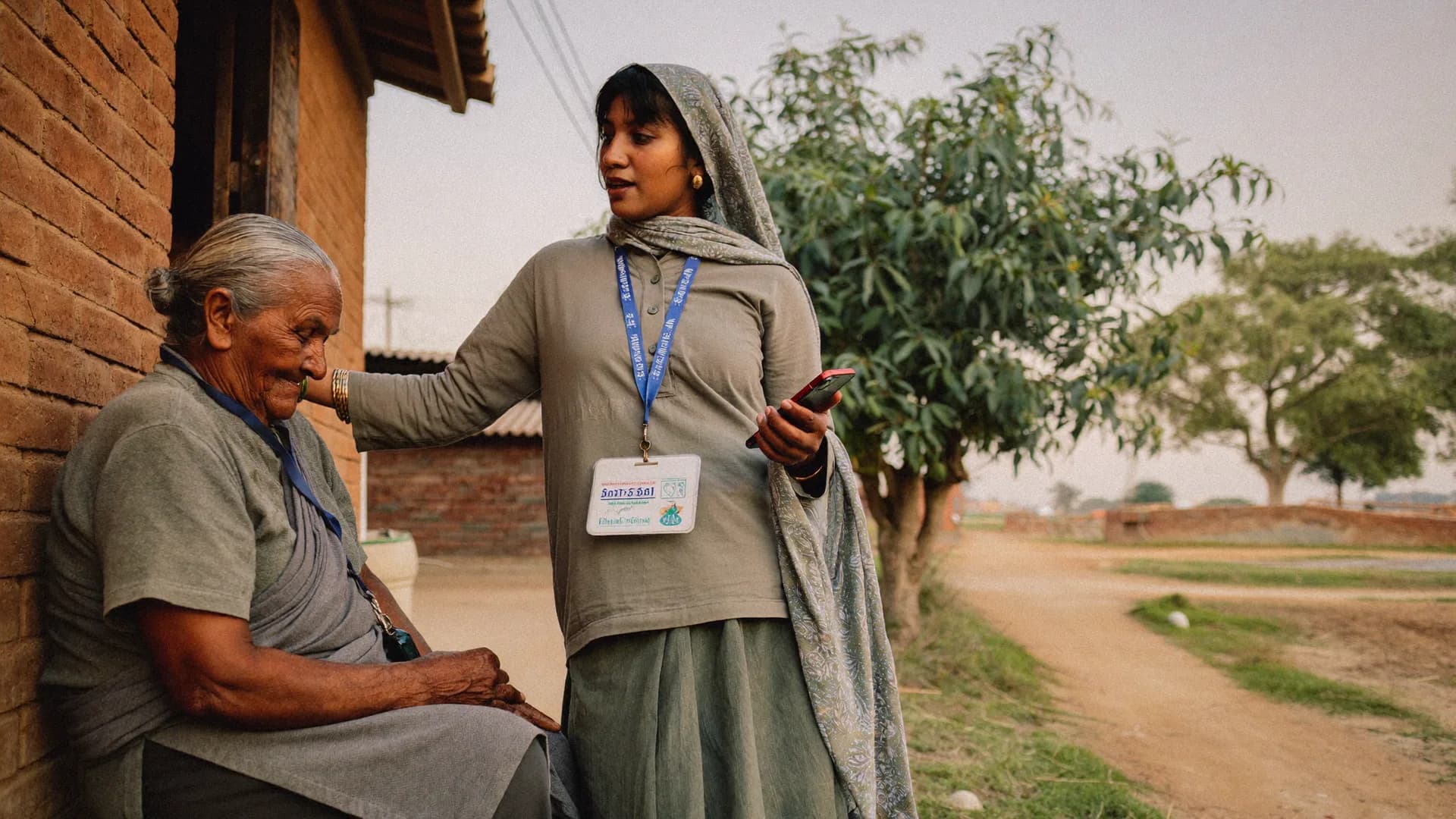
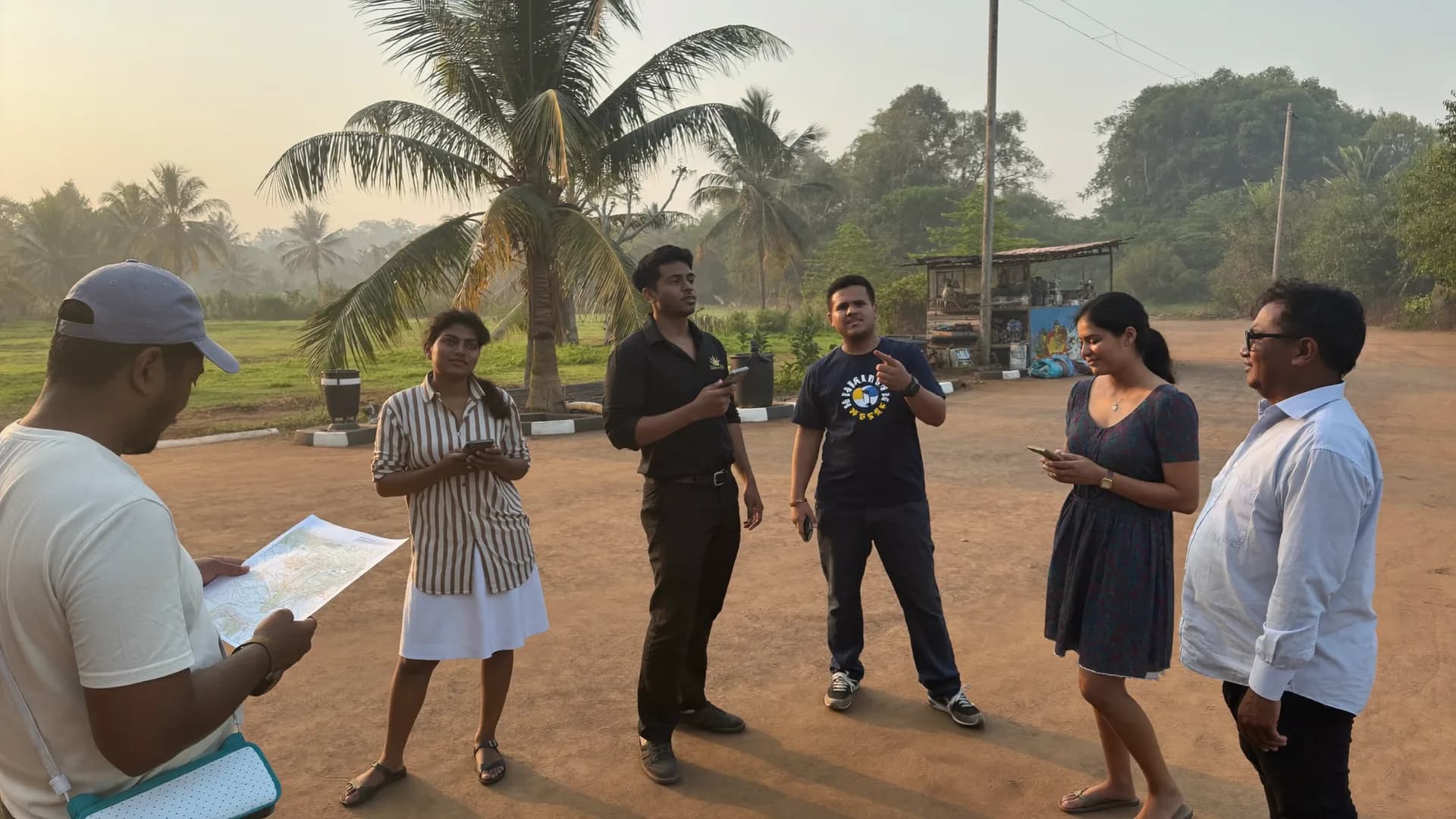
Constituency survey services give candidates, parties' research teams and political consultancies a grounded picture of one assembly or Lok Sabha seat: its geography and demographics from public records, and what residents think from verified interviews. Bharat Survey combines both. We map the constituency from ECI and Census sources, sample voters across every part of the seat, interview them at the doorstep with GPS-verified field teams, and report issues, performance ratings and mood by area, with sample sizes printed on every figure.
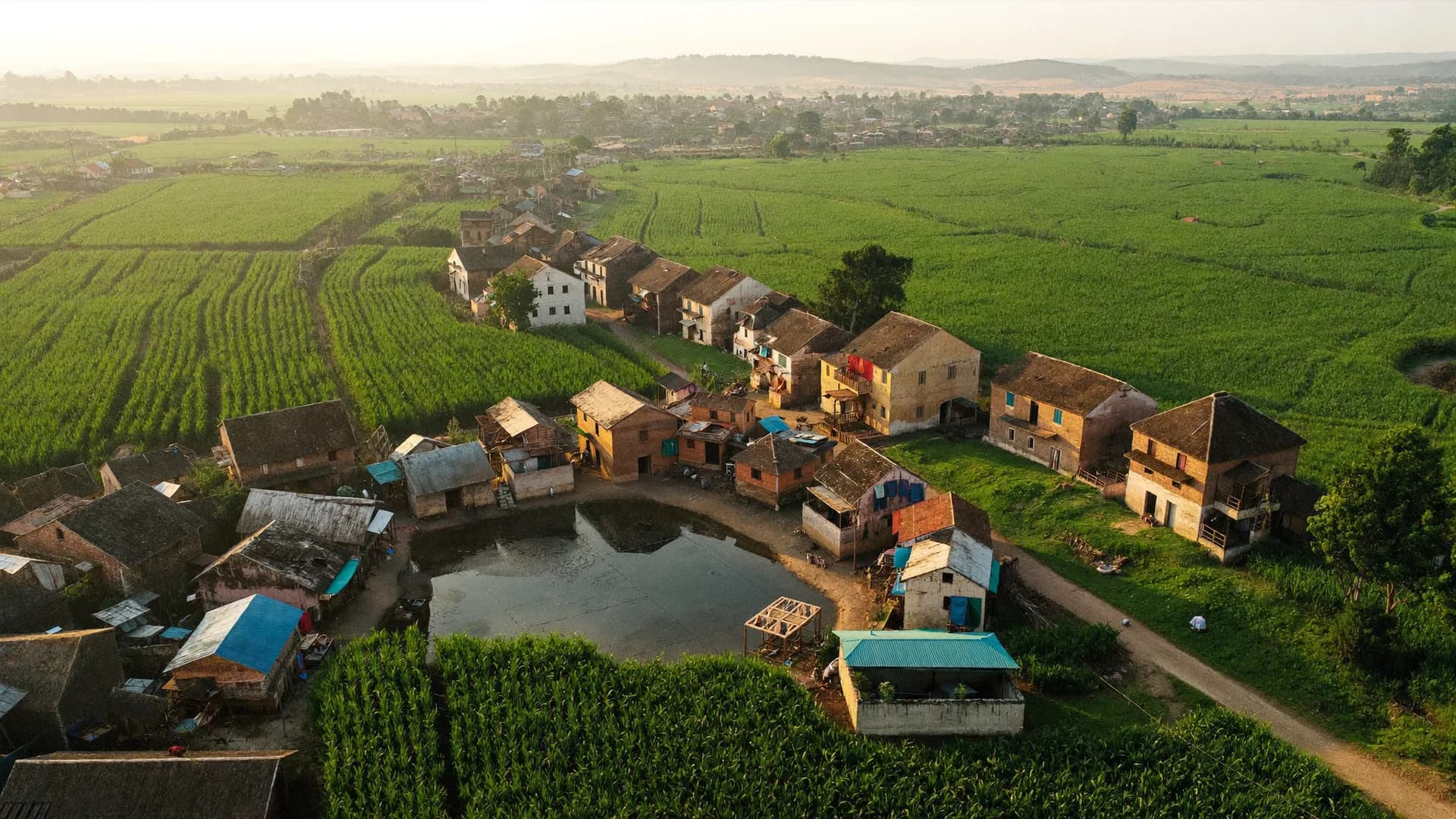
Every seat study starts with a map of what the constituency contains: its blocks, towns and wards, the number of polling stations, rural and urban share, and past turnout. We build this from the Election Commission of India's constituency and polling station data, Census 2011 tables and the Local Government Directory, and cite each source in the report.
Mapping decides where the sample goes. A seat with a large town and a scattered rural belt needs interviews in both, in proportion, or the survey will describe only the part that was easy to reach.
Open question first, then a prompted list: water, roads, jobs, prices, health, law and order. Answers are coded and ranked by area.
Ratings of the local representative and of named local works, asked with balanced scales and without naming the party first.
Whether residents know of and have received benefits from major schemes, which often shapes how incumbents are judged.
Alongside the numbers, supervisors file short structured ground notes per block: local disputes, visible works, who residents name as influential.
Anti-incumbency is often claimed and rarely measured. We measure it through specific, answerable questions: satisfaction with the representative's work, whether life has improved, desire for change, and willingness to consider a different candidate. The combination matters more than any single question, because many voters dislike the representative but still like the party, or the reverse.
Questions like 'Are you unhappy with the MLA's failures?' produce the answer they suggest. We use neutral wording, balanced scales and randomised order for lists, and we pilot the questionnaire with people outside the sample to catch loaded phrases.
Many clients ask about social composition because Indian constituencies differ so much in it. We treat this as a sensitive, legally bounded topic. Section 123(3) of the Representation of the People Act, 1951 makes an appeal to vote on grounds of caste, community or religion a corrupt practice. Our work stays on the right side of that line.
Where a study includes a self-identified social group question, it is voluntary, asked at the end, and reported only in aggregate to check that the sample reflects the constituency and that issue priorities are understood across groups. We do not build lists of voters by caste, and we do not design messaging aimed at dividing communities. Clients who want a caste survey agency for targeting individuals should look elsewhere.
Requests for a 'caste equation' usually mean understanding which issues matter to which groups. We answer that question with aggregate issue and service-reach data by group, subject to sample size, and without estimating vote banks.
One seat, read area by area
Polling station areas
Surveys, booth management and war room.
Learn morePolitical survey services in Hindi.
Learn moreWider opinion polling.
Learn moreField partner for media polls.
Learn morePolling-day surveys within ECI rules.
Learn moreStraight answers to the questions people ask most about this topic.
A seat profile from public data with sources, the sample design and field dates, ranked issues by area, ratings of the representative and local works, scheme awareness and reach, desire for change, and structured ground notes. Every figure shows its sample size, and the method annex lists back-check results and rejected interviews.
It depends on how many areas need their own reading. One seat-wide figure needs far fewer interviews than separate figures for each block or ward. We propose a sample spread across the whole seat and state which area-level readings it can support reliably.
They overlap. A constituency survey goes deep on one seat for internal decisions: issues, performance, local dynamics. An opinion poll usually measures voting intention across many seats or a state, often for publication. Publishing either during ECI restricted periods is not allowed.
No. Each client's data sits in a separate workspace, questionnaires and results are confidential, and we do not reuse one client's findings for another. Our field teams are briefed not to discuss the study's sponsor with respondents.
Send the constituency name and your decision date. We will reply with a sample plan, questionnaire outline and timeline.