
Mystery shopping for Food and Beverage outlets
AuditShoppers order at restaurants, cafés and QSR counters, timing service, checking order accuracy, temperature on arrival, bill correctness and visible cleanliness of the service area.
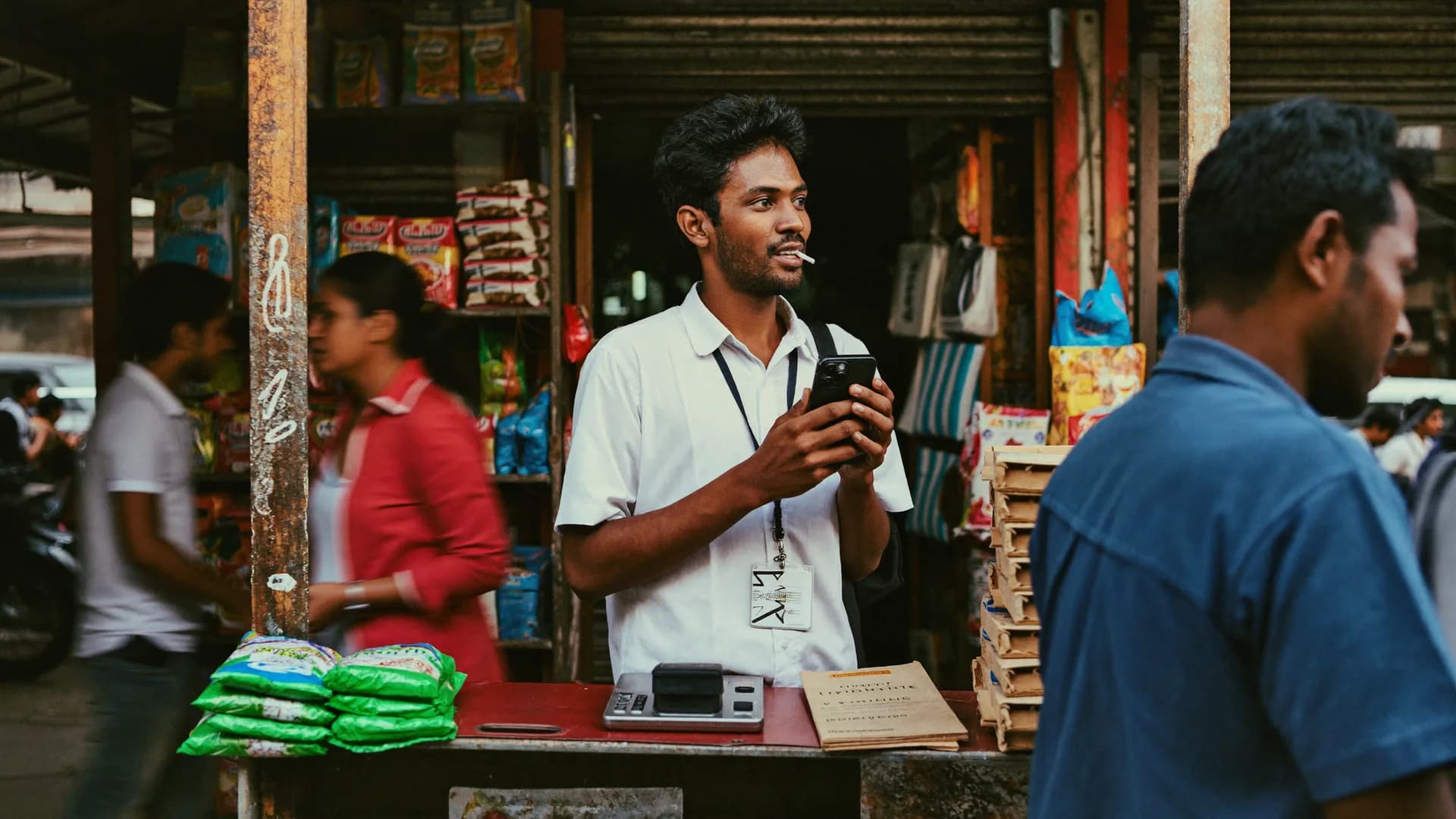
Taste, price and shelf, tested where people actually eat and shop
Bharat Survey is a market research company for food and beverage brands, restaurant chains and packaged-food makers. We run taste and product tests with screened consumers, audit outlets and quick-service restaurants with photo evidence, and interview shoppers in towns where a ₹5 or ₹10 pack decides the category. Every interview carries its location and time so results can be checked.
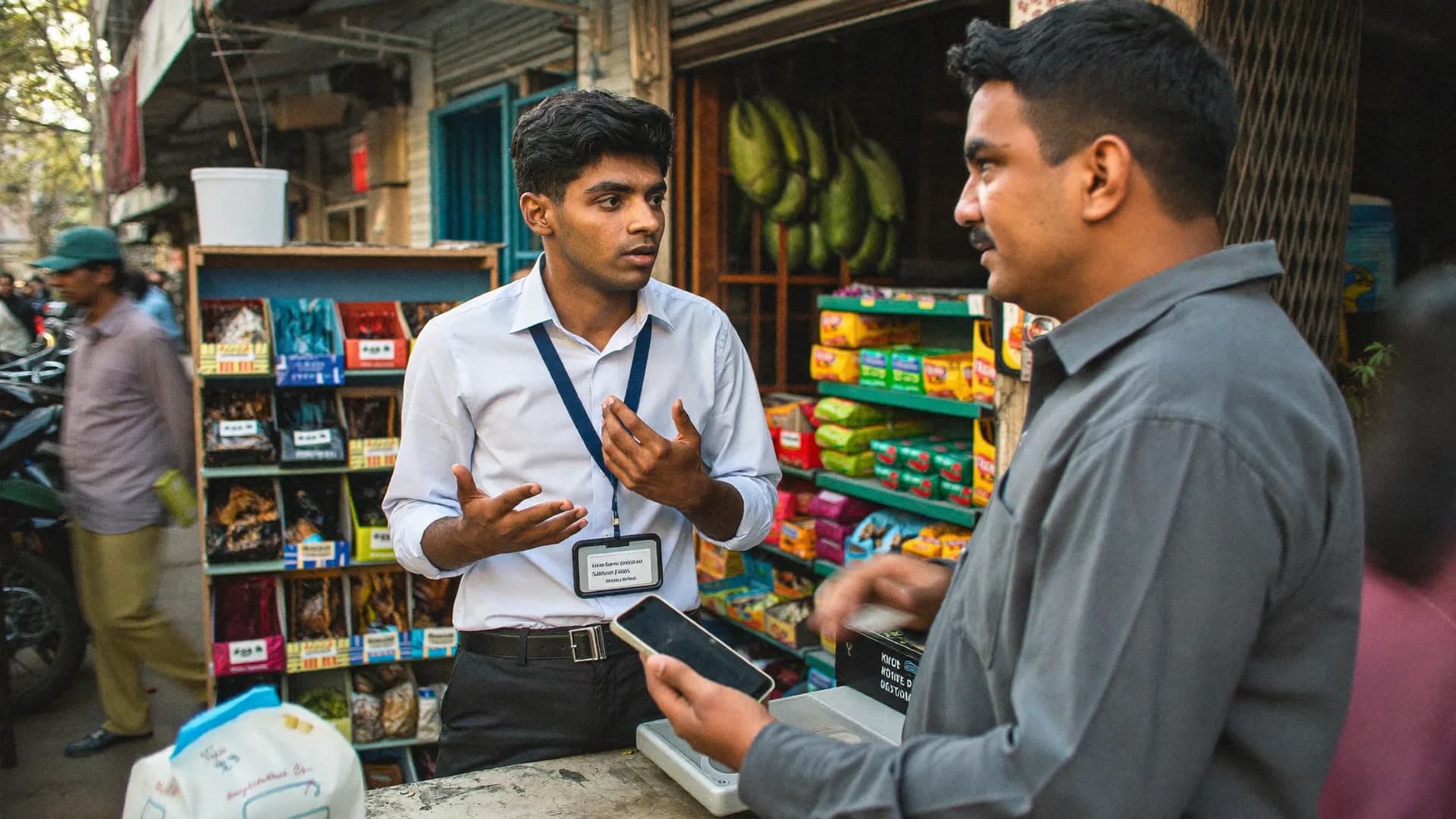
A spice level that sells in Guntur fails in Lucknow. Food research has to be designed state by state, in the language people use to describe flavour, with quotas that respect what each region already eats.
Product tests put food in people's mouths, so screening and consent come before any sample is handed over.
For restaurants and QSR chains, satisfaction depends on a few things diners remember: waiting time, whether the order was right, food temperature and how staff handled a complaint. For delivery orders, add packaging and spill. We keep the questionnaire short enough to finish at the table or at the door, and we separate dine-in from delivery so one does not mask the other.
The Food Safety and Standards Authority of India sets standards under the Food Safety and Standards Act, 2006, and licensing and inspection sit with FSSAI and state food safety departments. Our audits record what a customer or auditor can observe, such as visible cleanliness and staff hygiene practice. They are not official inspections, and we do not issue FSSAI hygiene ratings.
| Question | Format | Where it happens |
|---|---|---|
| Will the new recipe beat the current one? | Blind paired taste test | Home or central location |
| Is our ₹10 pack reaching small outlets? | Outlet availability audit | Kirana and paan shops |
| Are franchise outlets following service standards? | Mystery audit | QSR counter or dine-in |
| Which pack size should launch in rural markets? | Price and pack research | Village households |
| Is our brand losing regular users? | Brand health waves | Fixed towns, repeated |
Straight answers to the questions people ask most about this topic.
It depends on how many regions and user groups need separate reads and how small a preference gap you want to detect. Paired tests need fewer respondents than monadic tests. We share the sample calculation with the proposal and explain what the chosen size can and cannot conclude.
The brand supplies products that are safe and legal to consume and signs off the ingredients list. We screen respondents for allergies and dietary restrictions, collect consent, and stop testing for anyone who reports discomfort. Those reports go to your team the same day.
Yes. Auditors in each city use the same Android form, and every visit is checked for location, time and duration before it is scored. Bills and consented premises photos can be attached, and outlet-wise scores are shared as waves complete.
Yes. Village and small-town fieldwork covers pack-size preference, price points, retailer margins and trial of new variants. Interviews run offline where networks are weak and sync when coverage returns.

Share the product, regions and timing. We will reply with a test design and sample plan.