
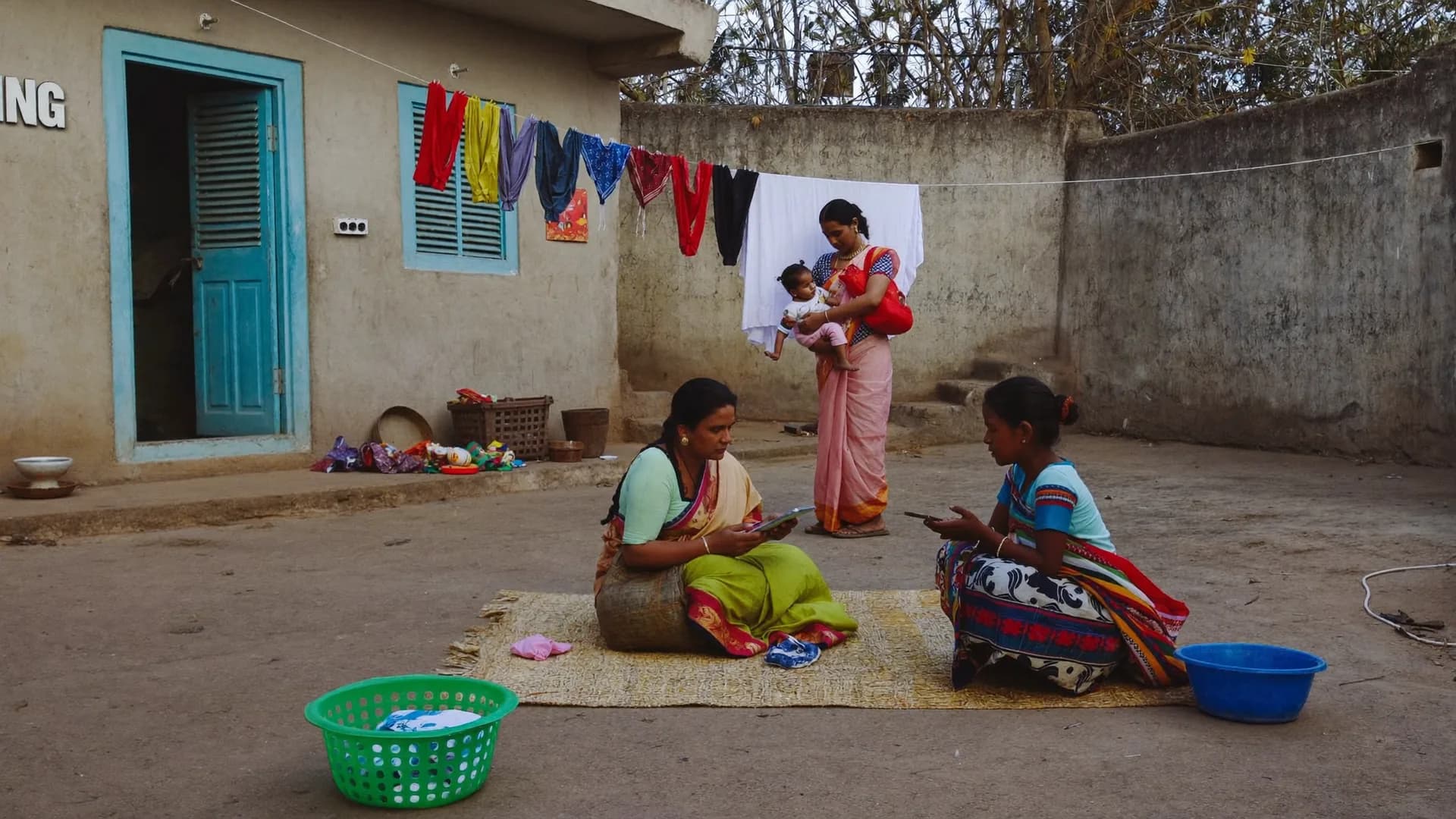
Income, assets and enterprise, measured in a way households recognise
Bharat Survey is a survey agency for poverty alleviation and livelihood NGOs, microfinance-linked programmes, CSR foundations and producer organisation promoters. We measure household income and assets, track self help groups and enterprises, and run baselines and endlines that can show whether families actually moved out of poverty, using an offline app and field teams who can explain a question about seasonal income in the local language.
- Household income, consumption and asset surveys
- SHG and federation data collection
- Farmer producer organisation member surveys
- Graduation and enterprise programme tracking
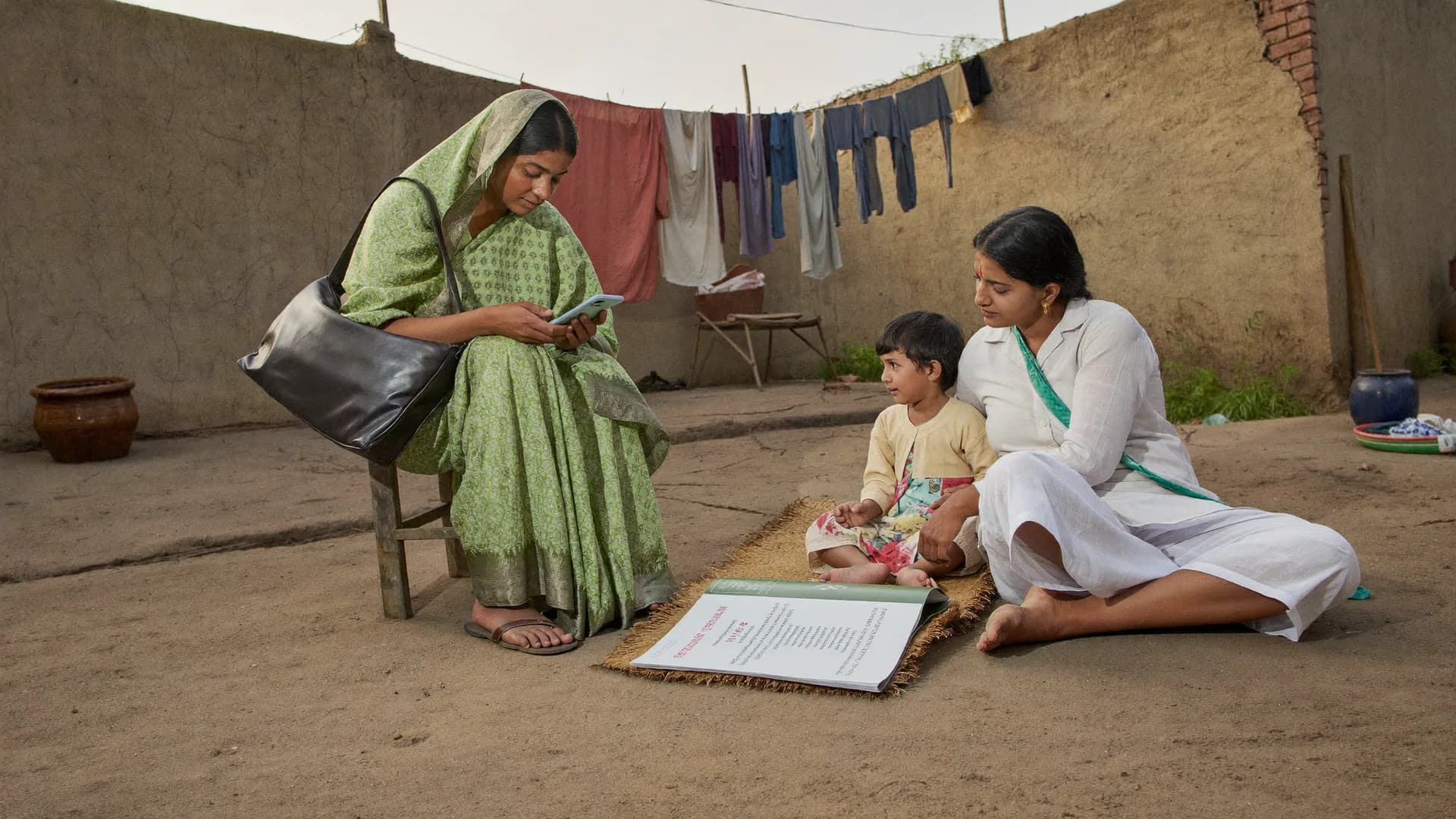
Ask a farming household its monthly income and you get a guess. Ask what it earned from each crop, animal, wage and remittance over the last season, and you get data.
Livelihood income is seasonal, mixed and partly in kind. Our questionnaires break it into sources with recall periods that match each one: agricultural season for crops, last month for wages, last year for livestock sales. Assets are counted, not estimated. Debt is asked about carefully, with its source and purpose.
The scale of the SHG ecosystem
Under DAY-NRLM, the Ministry of Rural Development reported more than 10 crore rural women organised into over 90 lakh self help groups as of June 2025. Programmes built on that network need data at member, group and federation level, often from the same visit.
Income modules
- Crop income by season
- Livestock and dairy
- Wage labour days and rates
- Non-farm enterprise
- Remittances and transfers
Graduation programmes
Producer organisations
Micro-enterprise support
Migration and skilling links
Self help group survey app for community resource persons
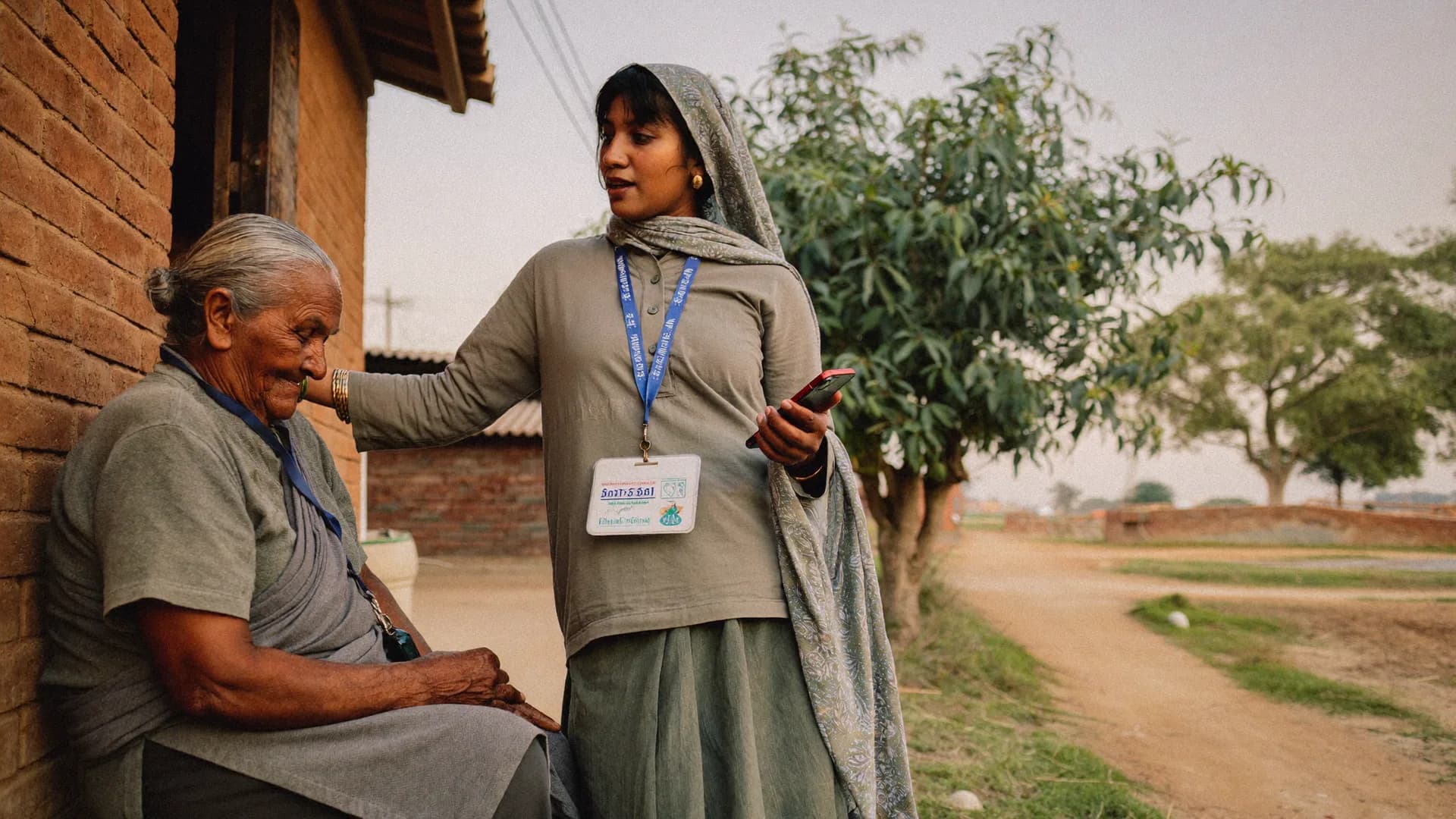
Community resource persons record meeting attendance, savings, internal loans and repayments during the group meeting itself, offline, in Hindi or the local language. Supervisors see which groups met and which did not.
- Meeting-day forms
- Group and member records linked
- Works without network
- Home 15 · RamlalDone
- Home 16 · SunitaDone
- Home 17 · LockedRevisit
- Home 18 · MohanFilling…
SHG data collection app for grading and federation reviews
Federations and promoting organisations run periodic group grading checklists and member surveys through the same app, with results rolled up by village organisation and cluster.
- Grading checklists
- Cluster-level summaries
- Export for MIS reconciliation
Data collection app for Poverty Alleviation and Livelihood NGOs
Programme staff use one household ID from baseline to endline, so a family surveyed today is the same family revisited in two years, even when the enumerator changes.
- Stable household IDs
- GPS on each visit
- Visit history on one record
- Comes regularly
- Comes sometimes
- Rarely / never
- Don't know
Our view
The baseline decides whether an endline can prove anything. We recommend including comparison households with similar profiles, collecting in the same agricultural season as the planned endline, and keeping the income and asset modules identical across rounds. Where a full comparison group is not affordable, we say so in writing and suggest what the data can still show.
| Design | What it shows | Main limit |
|---|---|---|
| Before and after, programme only | Change among participants | Cannot separate programme from a good monsoon |
| Comparison villages | Difference against similar non-participants | Villages may differ in hidden ways |
| Phased rollout | Early versus later participants | Needs rollout plan agreed in advance |
| Monitoring rounds | Whether milestones are met on time | Tracks outputs more than impact |
Not the right fit if
- Lending, credit scoring or loan recovery
- Official BPL or SECC eligibility determination
- Integration into the government NRLM MIS without your IT team
- Claims that a programme ended poverty without comparison evidence
A good fit if
- Household income and asset surveys
- SHG, federation and FPO data collection
- Baselines and endlines with comparison groups
- Offline tools for community cadres
Straight answers to the questions people ask most about this topic.
How do you measure income in rural households?
By source and season rather than one monthly figure. Enumerators ask about each crop, livestock sale, wage day, enterprise and remittance with a recall period suited to it, and totals are computed afterwards. This takes longer but gives far more stable estimates across rounds.
Can SHG cadres use your app without much smartphone experience?
Most community resource persons pick up the app after a short hands-on training, because forms follow the order of a group meeting and work in the local language. We recommend a practice week before data counts toward reports.
Can you survey FPO members across many villages?
Yes. We sample members from the FPO register, interview them at home or at collection points, and compare prices and services they report with local market information gathered in the same period.
How long after a programme should an endline be run?
Ideally at least one full agricultural cycle after support ends, so results show whether gains held without the programme. If funding cycles force an earlier endline, we label results as short-term.
Share your programme model, geography and reporting dates. We will propose a design and sample.