
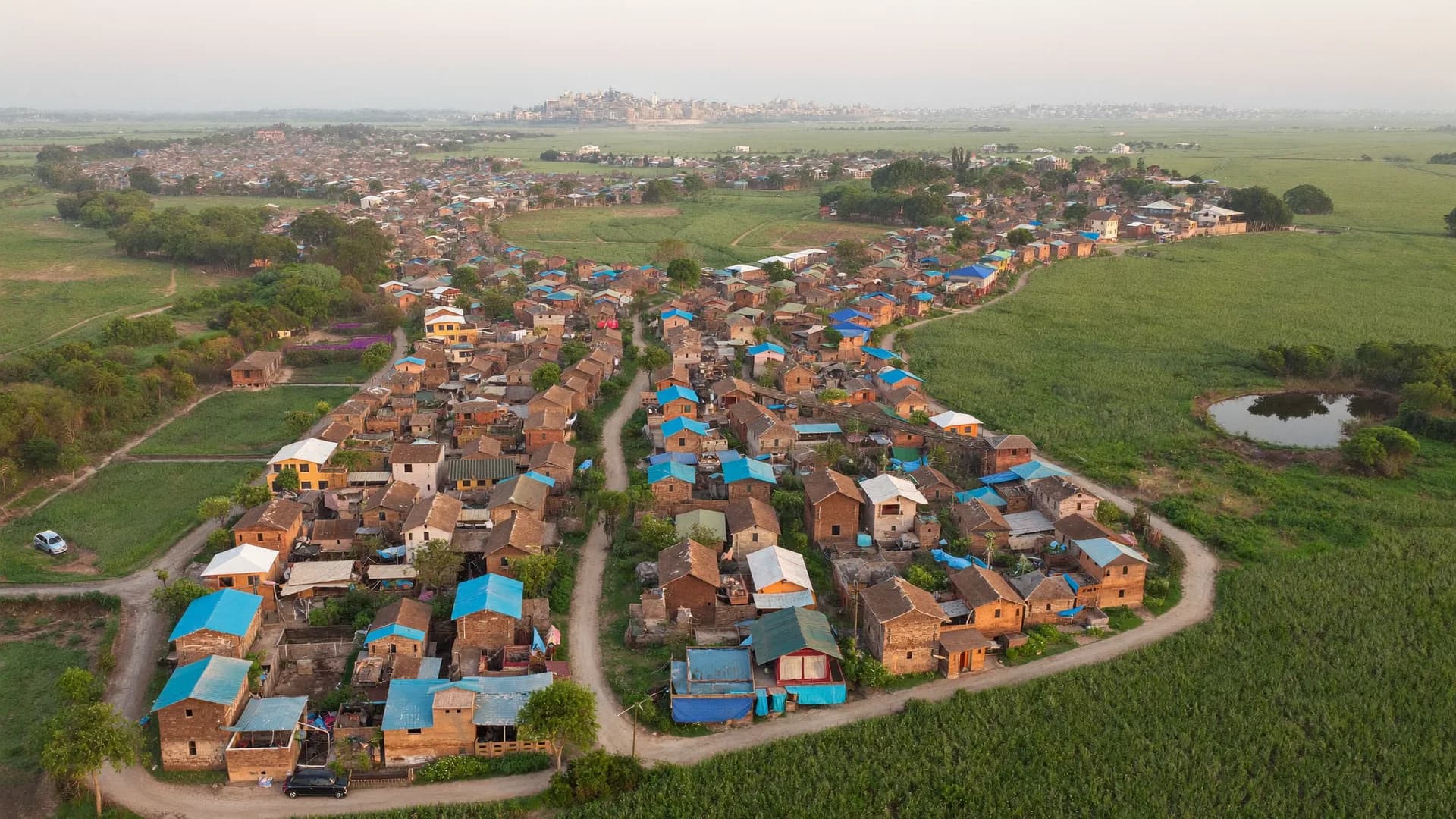
Before
01 / 04Survey station selected on a homogeneous road section
Stations are placed away from junction influence, towns and toll plazas unless those are the subject. Location, chainage and photos are recorded.
- Chainage and GPS
- Station photos
Field counts and roadside interviews for highway, urban and toll studies
Bharat Survey is a traffic survey company in India that supplies the field manpower, supervision and data systems behind road project studies. DPR consultants, EPC firms, state PWDs and urban authorities use us for classified volume counts, origin-destination interviews, turning movement counts and roadside surveys, collected to IRC methods with GPS-stamped shift records and clean data files that drop straight into traffic analysis.
Traffic data sets the size of almost everything in a road project: number of lanes, pavement thickness, toll revenue, junction design and the economic case. IRC:SP:19, the Indian Roads Congress manual for survey, investigation and preparation of road projects, treats classified traffic counts as the basic study, with origin-destination and axle load surveys alongside for most highway projects.
A few missed night hours or a misclassified truck category can carry through to the design traffic in million standard axles. That is why we treat traffic survey as data engineering, not headcount: shifts are rostered, supervisors check each station, and every file carries station, date, hour and enumerator IDs.
How a typical 7-day, 24-hour count is run.
Stations are placed away from junction influence, towns and toll plazas unless those are the subject. Location, chainage and photos are recorded.

Three shifts per day with overlap at handover. Vehicle classes follow the project ToR, typically aligned to IRC categories, tallied in 15-minute or hourly intervals.
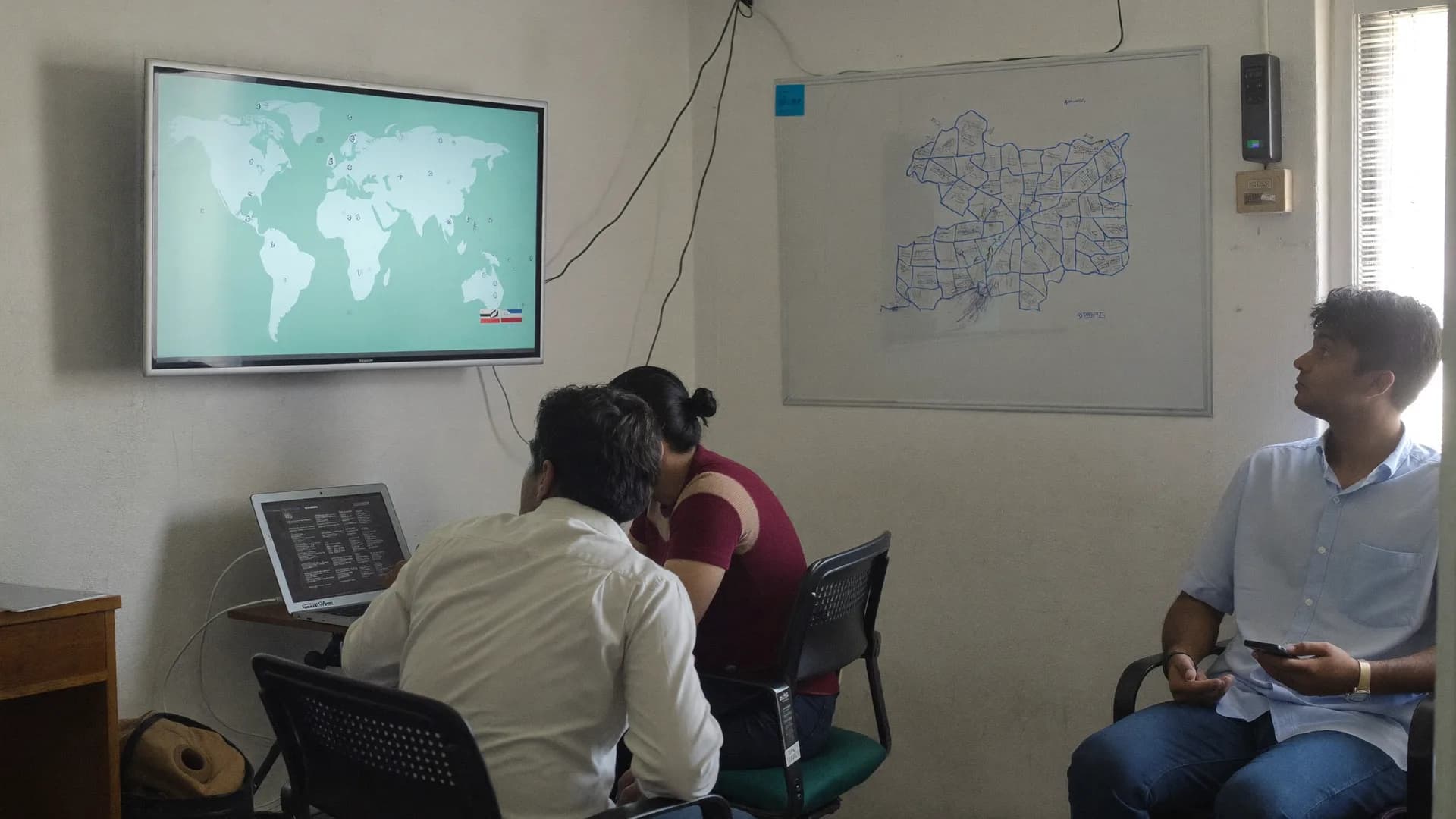
Night shifts get lighting, safety vests and unannounced supervisor visits with GPS-stamped check-ins. Night data is where weak surveys fail.
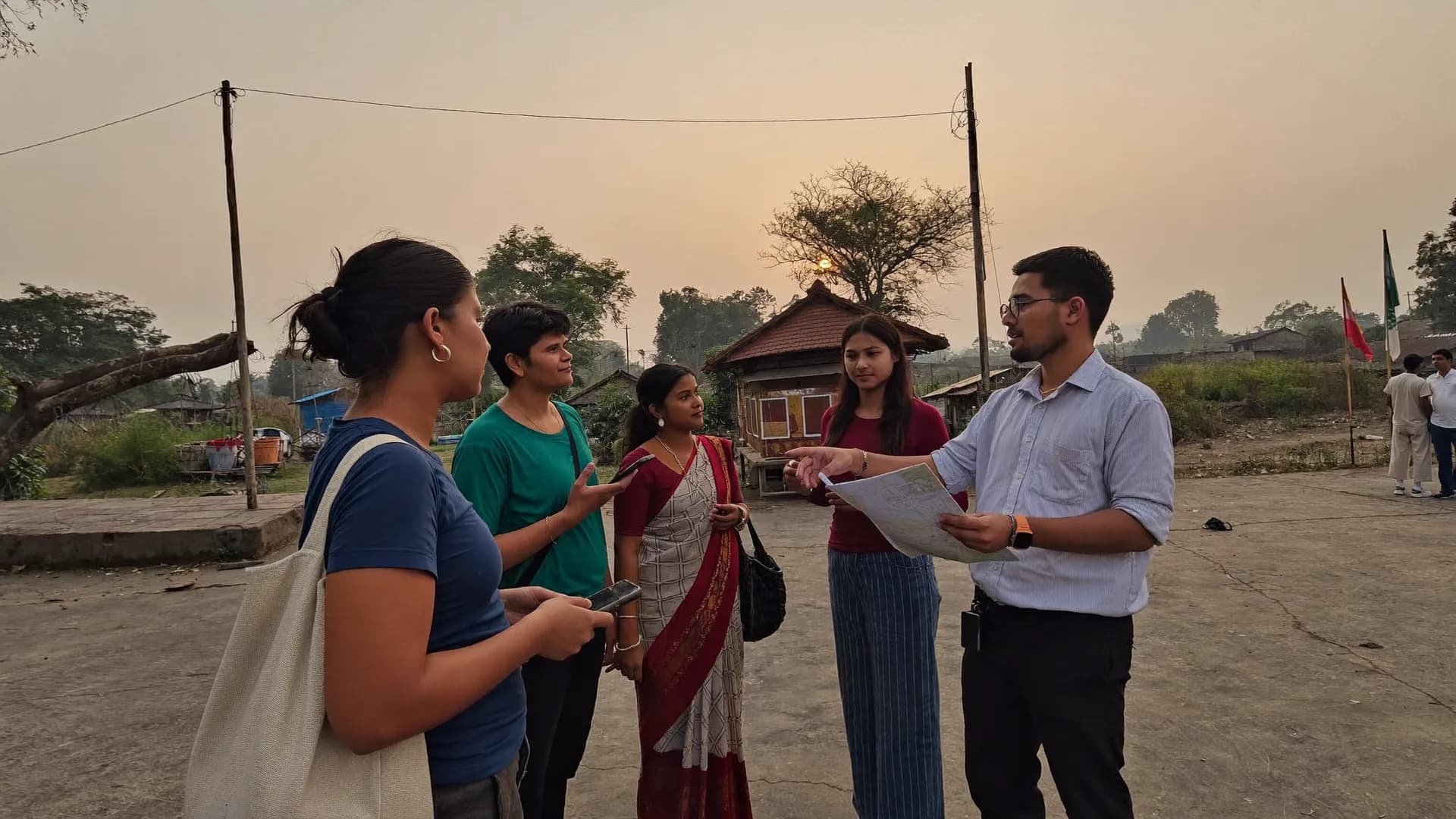
Counts are compiled, checked for gaps and unusual hourly profiles, converted to PCU where required, and delivered with station metadata.
OD surveys stop a sample of vehicles and ask where the trip started, where it ends, what is carried and why.
Roadside interviews are done with police support where required, at a safe lay-by, on a sample of vehicles by class. Enumerators record origin, destination, commodity, load, trip purpose and frequency on an offline tablet form with location codes from a pre-loaded zone list.
Zone lists are built from the project influence area, so trips code consistently for the traffic model.
For toll projects, the same interview can include stated preference questions on route choice at different toll rates, or willingness to pay for time saved, designed with the lead consultant's modeller.
An axle load survey weighs a sample of commercial vehicles to estimate vehicle damage factors for pavement design. IRC:SP:19 calls for it to run alongside the classified count. Portable axle load pads or weigh-in-motion equipment are operated by trained teams, with police assistance to stop vehicles safely.
We provide field manpower, supervision and data recording; weighing equipment is supplied by the lead consultant or a specialist equipment partner, with calibration records attached to the dataset.
A typical mix of surveys requested in highway DPR terms of reference. Always follow your ToR.
| Survey | Typical duration | Main use |
|---|---|---|
| Classified volume count | 7 days × 24 hours per station (3 days at some) | AADT, lane requirement, design traffic |
| Origin-destination | 24 hours or as per ToR at selected stations | Traffic model, diversion, toll forecast |
| Turning movement count | Peak hours at junctions | Junction design |
| Axle load | 24–48 hours with CVC | Vehicle damage factor, pavement design |
| Speed and delay | Peak and off-peak runs | Travel time, economic analysis |
Durations are indicative of common ToR practice under IRC:SP:19, not a substitute for the contract.
Household travel and public transport surveys for cities.
Learn moreSurveys for departments and authorities.
Learn moreGovernment survey services in Hindi.
Learn moreProcuring survey services.
Learn moreEmpanelment requirements explained.
Learn moreIndependent evaluation of projects.
Learn moreStraight answers to the questions people ask most about this topic.
Enumerators at a station on a homogeneous road section count every passing vehicle by class, direction and time interval, usually 15 minutes or an hour, across three 8-hour shifts for 3 or 7 days. Supervisors check stations including at night, and counts are compiled into hourly and daily volumes and converted to PCU.
There is no fixed rate. It depends on survey type, duration, number of shifts, vehicle classes, remoteness, police support and whether equipment such as ATCC or axle load pads is needed. A 7-day, 24-hour count costs very differently from a 2-hour peak turning count. We quote per scope.
Yes. Survey procedures follow IRC:SP:19 and the vehicle classes and durations in your terms of reference. Where the ToR and a manual differ, the ToR prevails and we note it in the method statement.
Yes. Stations are planned with local enumerators recruited near each location and supervisors rotating across stations. The data format stays identical everywhere so the lead consultant can combine it directly.
Excel or CSV files by station, direction, date and interval with vehicle classes as columns, plus station metadata, photos, shift rosters and supervisor check logs. Formats can match the consultant's analysis templates.
Send the station list, survey types and dates. We will reply with a field plan and quotation.