Bharat Surveyभारत सर्वे
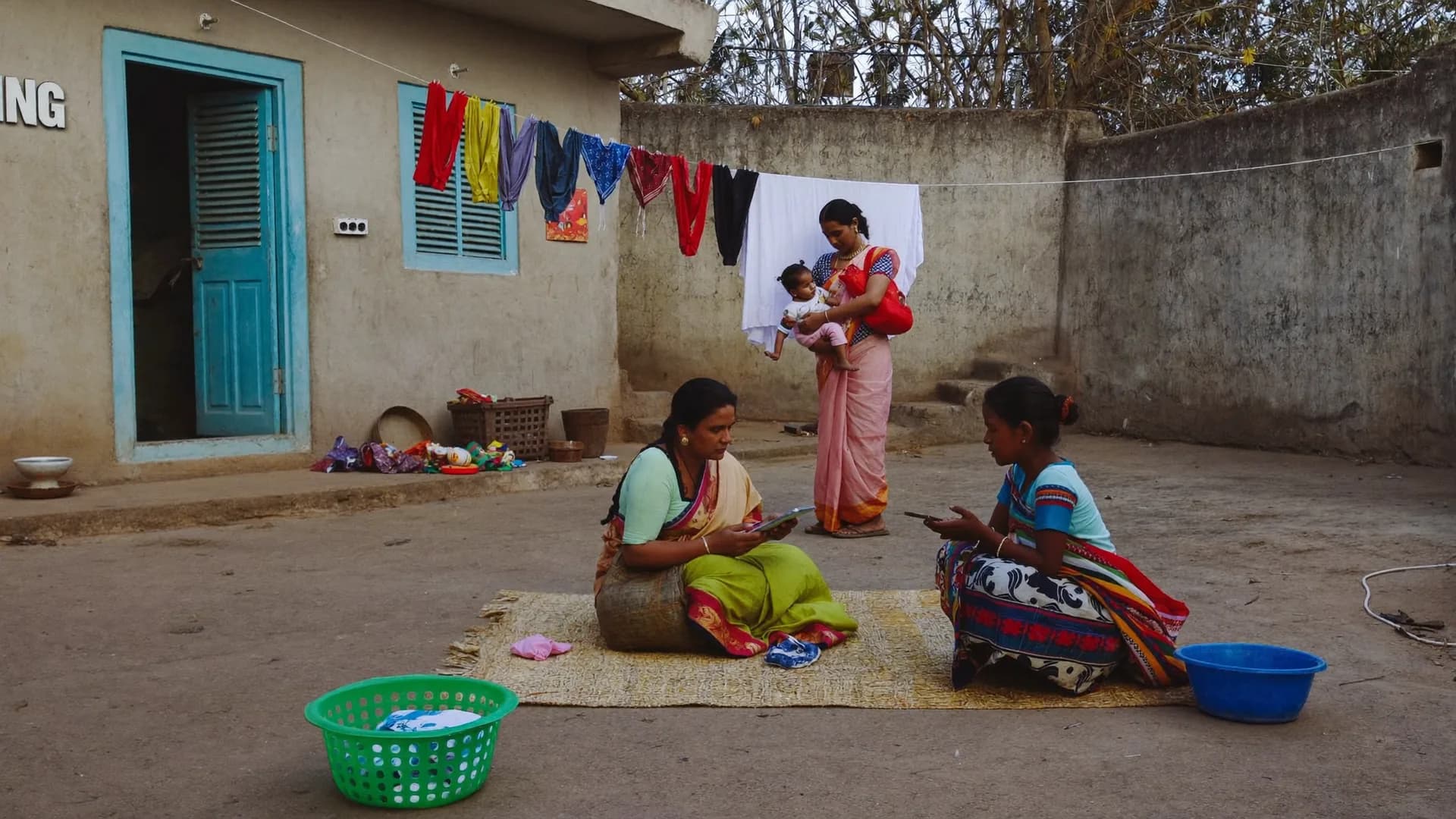
आँगनवाड़ी के बाहर महिलाओं के समूह से बात करती NGO कार्यकर्ता
Services · Monitoring and evaluation

Measure the starting line so the finish line means something

Bharat Survey is a baseline survey agency in India for NGOs, CSR foundations and development programmes that will be asked, three years from now, what changed. We design the baseline so the midline and endline can be compared with it: the same indicators, the same sampling logic, the same households where the design calls for a panel. Field teams collect offline in the project villages, every record carries GPS and time, and you get a clean dataset and a baseline report that sets realistic targets.

  • Indicators tied to your results framework
  • Treatment and comparison villages when the design allows
  • Stable household IDs for re-contact
  • Same questionnaire logic across rounds
Baseline survey agency India
BaselineMidlineEndlinePanel householdsComparison villagesLogframe indicatorsTarget settingRound-wise reports
The basics

A baseline survey measures the indicators a project hopes to change before the project starts, in the places and among the people it will serve. It gives the numbers against which progress is later judged. A weak baseline cannot be repaired afterwards: if the endline asks a question differently, samples different villages or defines a household differently, no analysis can make the two comparable.

What a usable baseline delivers

Values for every outcome indicator in the logframe with denominators stated, the sampling frame and household IDs for re-contact, data on a comparison group where the budget allows, and a short note on which targets look realistic given the starting values.

  • Indicator table with confidence intervals
  • Clean dataset and codebook
  • Village and household lists with IDs
  • Target-setting note

Share with your brief

  • Project results framework
  • Intervention villages or blocks
  • Duration and funding cycle
  • Donor or CSR reporting format
  • Any earlier survey data
Three rounds, one design

Each round reuses the baseline sample frame and question logic. What changes is only what the project was meant to change.

Baseline: before activities start
Midline: halfway, same households
Endline: after the project closes
Round by round

Midline

Midline survey services

The midline checks whether the project is on track while there is time to adjust. It usually repeats the core outcome indicators, adds process questions on reach and quality, and flags villages where results lag.

  • Core indicators repeated
  • Process and coverage questions
  • Course-correction note
Constituency 172 · Survey round 2Updated 12s ago · sample
3,000
Target homes
2,184
Visits
1,962
Completed
1,871
Accepted
Daily accepted surveysLast 12 days
Midline

Mid-term appraisal end line longitudinal study

When donors want a mid-term appraisal and a proper end line in one longitudinal study, we set up the panel at baseline and track attrition in every round, so losses to migration are reported instead of hidden.

  • Panel IDs from day one
  • Attrition reported per round
Offline
No network
6
Safe on phone
8
Synced to server
Syncs when network returns
Endline

Endline survey consultant support

At endline we repeat the baseline instrument, measure change in treatment and comparison areas, and write findings with the limits of the design stated plainly. Where there is no comparison group we say that change cannot be fully attributed to the project.

  • Before-after and comparison analysis
  • Attribution limits stated
Location evidence
Survey #BS-0412
  • In areaInside approx. boundary
  • Accuracy±12 m
  • Time09:42 · fresh fix
  • Mock GPSNot detected
  • Interview length11 min
Added to accepted count
All rounds

Baseline midline endline survey agency under one contract

Using one agency for all three rounds keeps field protocols, training and definitions constant. If you change agency midway, we can take over with your earlier data and instruments.

  • Constant protocols
  • Handover from earlier agency possible
bharatsurvey.org/app/172/live
Ram Kumar · shift on
26.8467 N · 80.9462 E · ±12 m
14
Received
12
Accepted
1
Review
1
Outside

Our view

For NGOs

Built for teams with limited M&E staff and a donor deadline.

01

Indicator review

We go through your logframe and remove indicators a household survey cannot measure well, suggesting better sources where needed.
Week 1
02

Sample and tool

Sample size per indicator, village selection, and a questionnaire built in the app in local language with skip logic.
Week 2
03

Fieldwork

Trained enumerators work offline with GPS checks; supervisors back-check a share of households.
Weeks 3–5
04

Report and targets

Indicator values, disaggregated by gender and social group where the sample allows, with target recommendations.
Week 6+
Special cases

Benchmarks

Benchmark baseline studies agency

When there is no project yet but a funder wants to know the situation in a region, a benchmark study sets reference values that future programmes can use.
No baseline done

Reconstructed baselines

If a project started without one, recall questions and secondary data can reconstruct a partial baseline. We state clearly how much weaker this is.
Decision aid

Before

Fresh sample each round

Repeated cross-section

  • Easier when households migrate often
  • Represents the area at each point
  • Cheaper tracking
  • Weaker for individual-level change
With Bharat Survey

Same households each round

Panel

  • Shows change within households
  • Needs stable IDs and consent to re-contact
  • Attrition must be tracked
  • Stronger for livelihood and income outcomes

Not the right fit if

  • Activities have already been running for a year
  • No endline is funded or planned
  • Indicators are all administrative counts you already hold
  • You need results in two weeks for a proposal

A good fit if

  • Multi-year projects with donor reporting
  • Programmes with comparison villages
  • CSR projects facing impact assessment later
  • Teams needing a panel of households
FAQ

Straight answers to the questions people ask most about this topic.

When should a baseline survey be done?

Before project activities reach the households you will measure, ideally after villages are selected but before enrolment or distribution begins. If activities start first, early exposure contaminates the baseline and understates later change. Plan the baseline into the project timeline rather than after the inception meeting.

How big should the baseline sample be?

It depends on the indicator with the smallest expected change, the number of subgroups you must report separately and clustering by village. We calculate it per key indicator and share the calculation. Endline and midline samples then follow from the same logic so rounds stay comparable.

Can the same agency do midline and endline?

Yes, and it usually helps comparability because training, definitions and field protocols stay the same. If another agency did your baseline, we can still run the midline or endline using their instrument and data, and we will note any differences in method in the report.

Do we need a comparison group?

Without one, you can show change but not prove the project caused it, because rainfall, prices or other schemes also move outcomes. A comparison group of similar non-project villages strengthens the claim. If budget does not allow it, we say so in the report instead of overstating impact.

Can our own staff collect baseline data?

They can, using the offline app with GPS and back-checks, but donors and CSR boards often prefer independent collection for endline because staff have an interest in good results. A common mix is independent baseline and endline with staff-run monitoring in between.

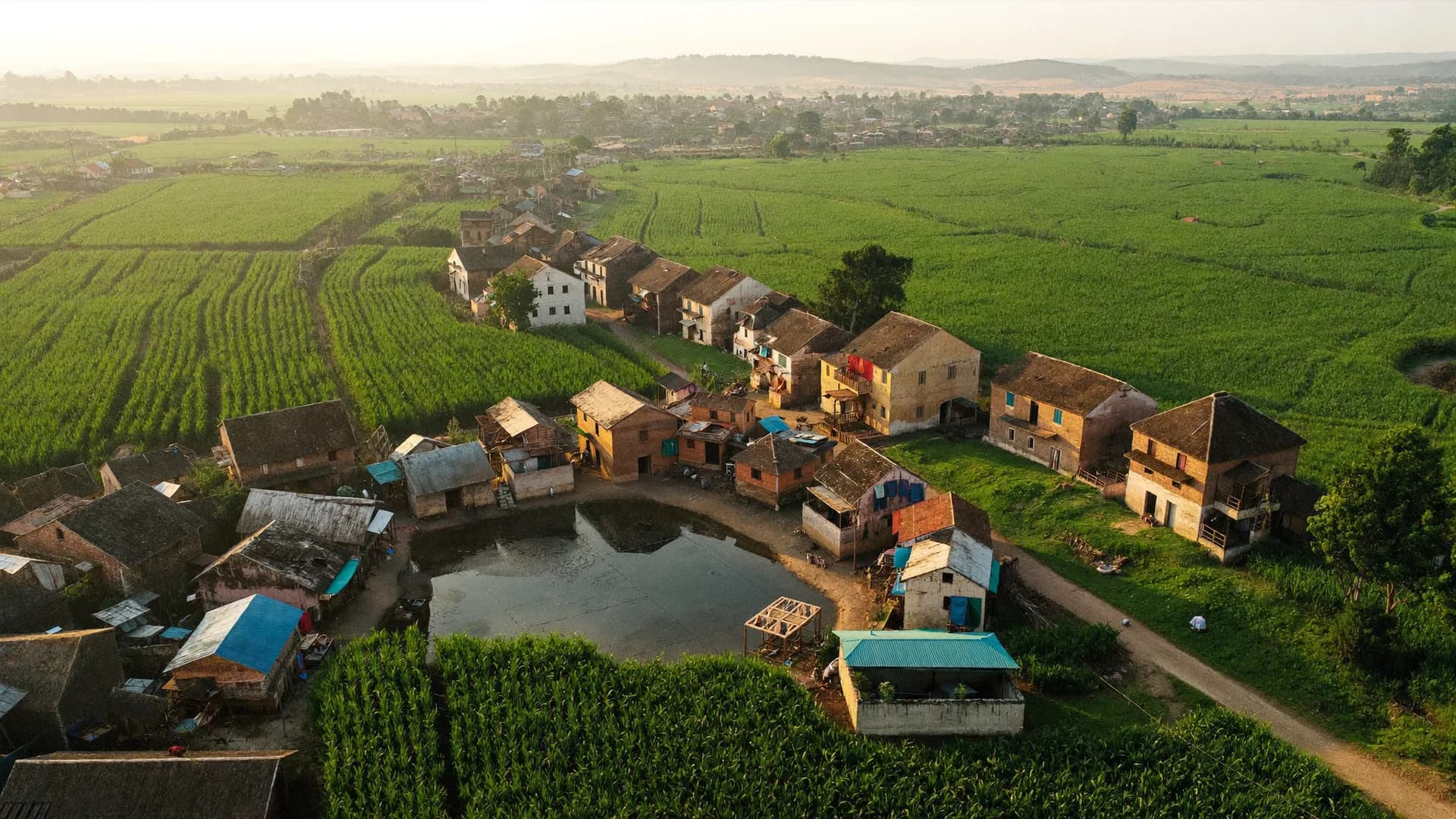
शाम के समय कस्बे का हवाई दृश्य
India Nationwide, Hindi-first

Send the results framework and project villages. We will return a sample plan, questionnaire outline and timeline for the baseline.