
Third party assessment agency
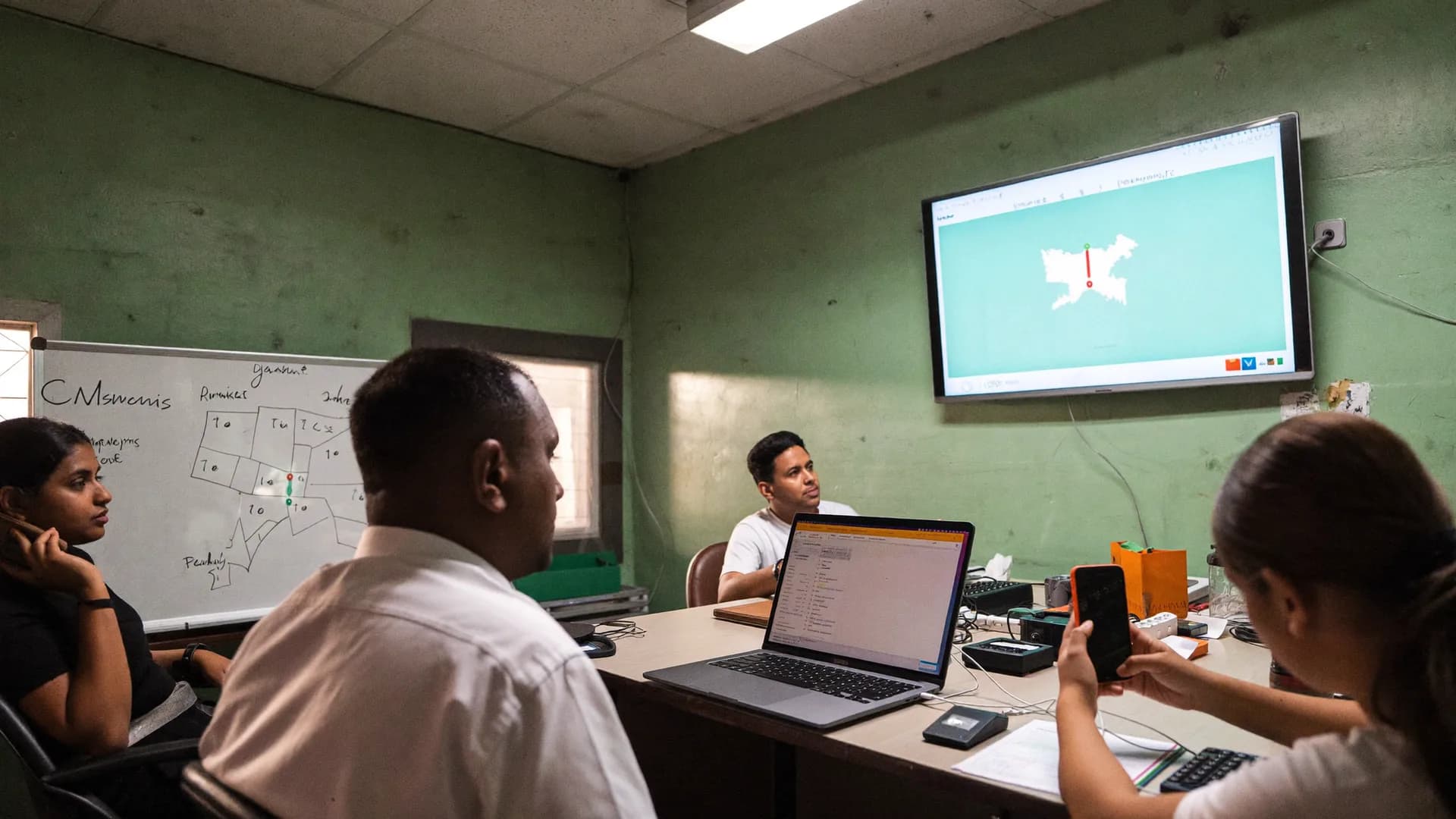
We sit outside the implementing chain. Enumerators report to our supervisors, not to the block or district office whose work is being assessed, and the data is locked the moment it syncs.
Independent field evidence for scheme and programme evaluation
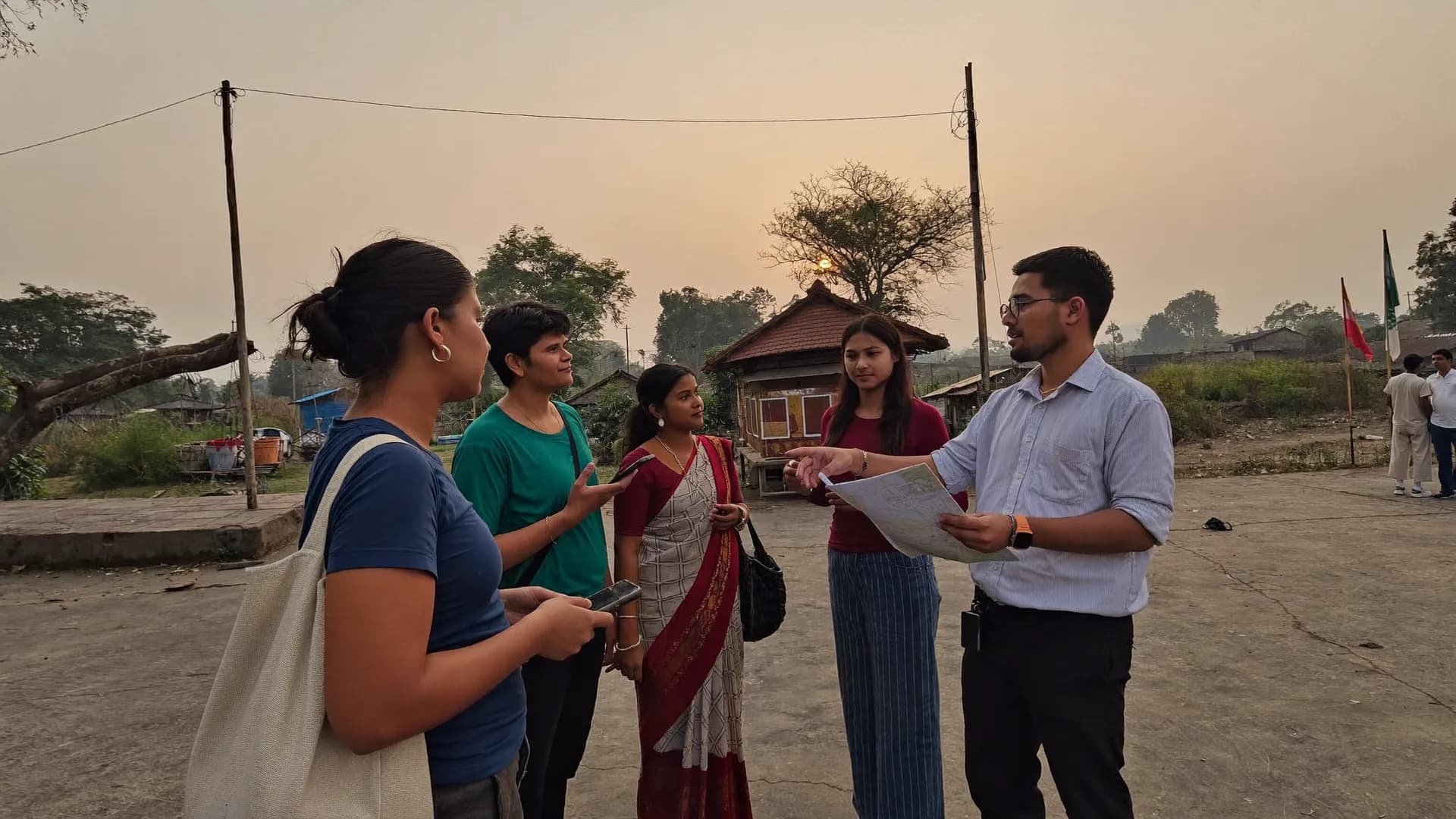
Bharat Survey works as a third party evaluation agency in India for departments, PSUs and CSR foundations that need independent evidence on what a scheme delivered. We design the sample, run GPS-verified household and facility surveys with our own field teams and software, back-check a share of interviews, and hand over a report whose every number can be traced to a record, a location and a time.
An evaluation is only useful if the people who ran the scheme did not also collect the evidence about it. That separation is the whole job.
Most scheme evaluations answer the same core questions in a different order: did the intended beneficiaries receive the benefit, did it arrive on time and in full, did it change the outcome it was meant to change, and would that change have happened anyway. We structure the study around the evaluation criteria the commissioning department uses — usually relevance, effectiveness, efficiency, impact and sustainability — and agree indicators for each before a single questionnaire is written.
A government scheme impact survey compares outcomes for beneficiaries against a credible comparison: an earlier baseline, a matched non-beneficiary group, or a phased rollout. We tell you in the inception report which comparison your data can support, and we do not describe convenience samples as representative of a district or state.
Process evaluation looks at how delivery worked on the ground — selection, verification, payments, grievance handling. Performance evaluation measures outputs and outcomes against targets. Portfolio evaluation compares several schemes or districts side by side so a department can decide where to expand and where to redesign. Many terms of reference ask for a mix; we scope each component separately so the sample size and budget are honest about what each can conclude.
Five stages, each with a sign-off, so the department always knows what has been decided and what the data can and cannot say.
Different moments in a scheme need different designs. Pick the tab closest to your terms of reference.
Examples of scheme types our methods are built for. We describe capabilities here, not past clients.
Most selection of agency for third party evaluation is done through a quality-and-cost-based process on GeM or an open tender. The strongest proposals are rarely the longest; they are the ones that state the sample size calculation, the verification method and the data handover format in plain terms. If you are drafting terms of reference, these are the clauses that protect data quality.
Ask bidders to name the share of interviews that will be back-checked and by whom, to deliver raw data with GPS and time stamps rather than only tables, and to state how out-of-area or very short interviews will be treated. Require a pilot and an inception sign-off before full fieldwork.
Share the terms of reference or a short brief. We respond with a proposed evaluation matrix, sample size note and timeline. For GeM-based procurement, see the procurement page for the category and documents usually required; we do not claim empanelments we do not hold.
Household, property and facility surveys with LGD-mapped geography and audit trails.
Learn moreHow departments usually procure survey and evaluation services, and what to ask for.
Learn moreThird party quality monitoring for construction and infrastructure works.
Learn moreWhat empanelment processes usually require and how we respond to them.
Learn moreStraight answers to the questions people ask most about this topic.
It independently collects and analyses evidence on how a scheme or programme performed — coverage, delivery quality, outcomes and impact — so that the department receives findings not produced by the team that implemented it.
Monitoring tracks routine indicators continuously, usually by the implementer. Evaluation is a periodic, independent study that asks why results happened and whether they can be attributed to the scheme.
It depends on the indicator, the expected change, the number of districts that need separate estimates and the design effect of clustering. We share the calculation in the inception report instead of quoting a fixed number.
Yes. The survey app works fully offline and syncs when network returns, while keeping each record's GPS location, time and duration for verification.
Sources: DMEO, NITI Aayog · OECD DAC evaluation criteria

Send the terms of reference or a one-page brief and we will reply with an evaluation matrix, sample size note and timeline.