
Evidence for ticket decisions, gathered before the list is final
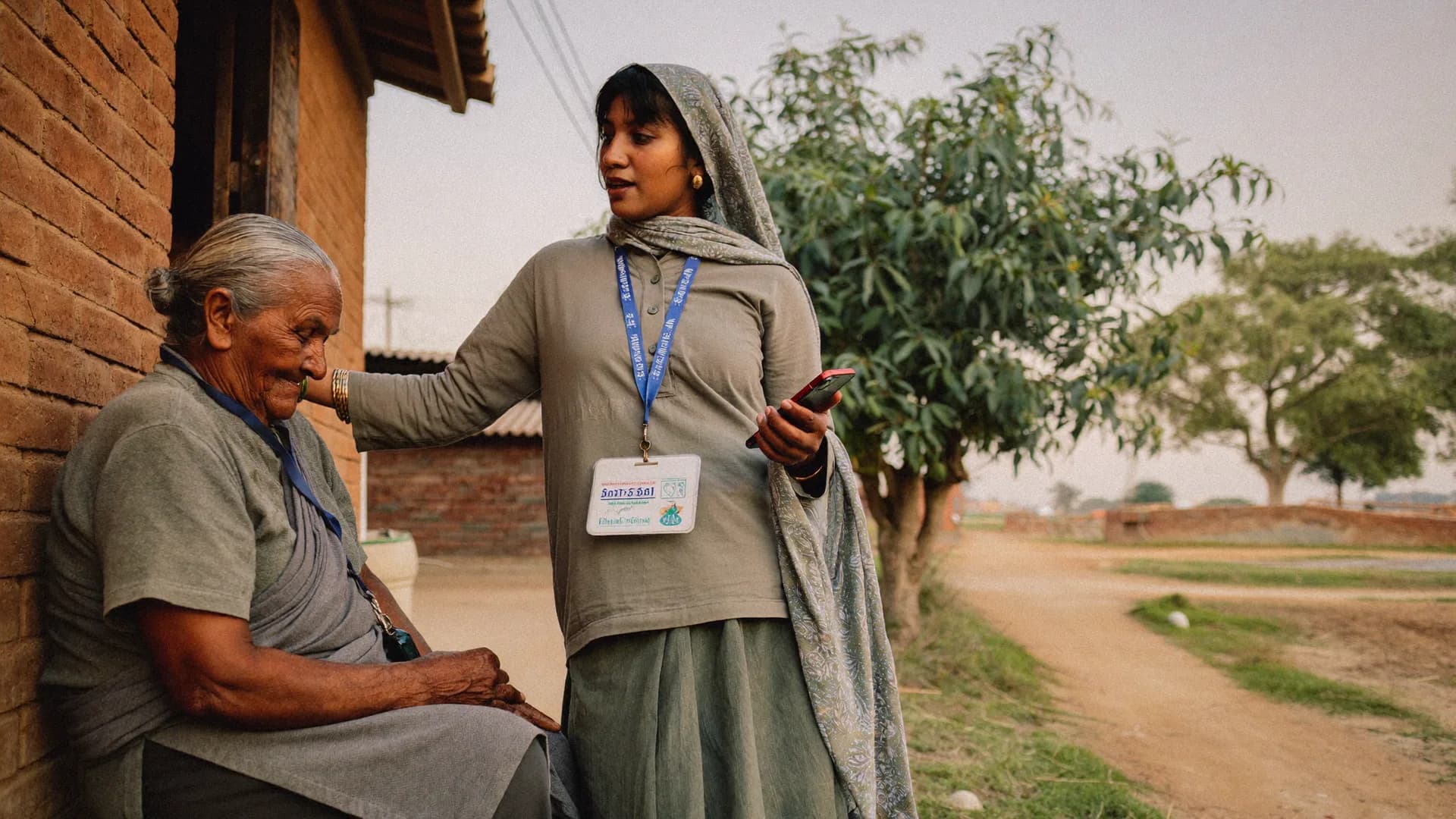
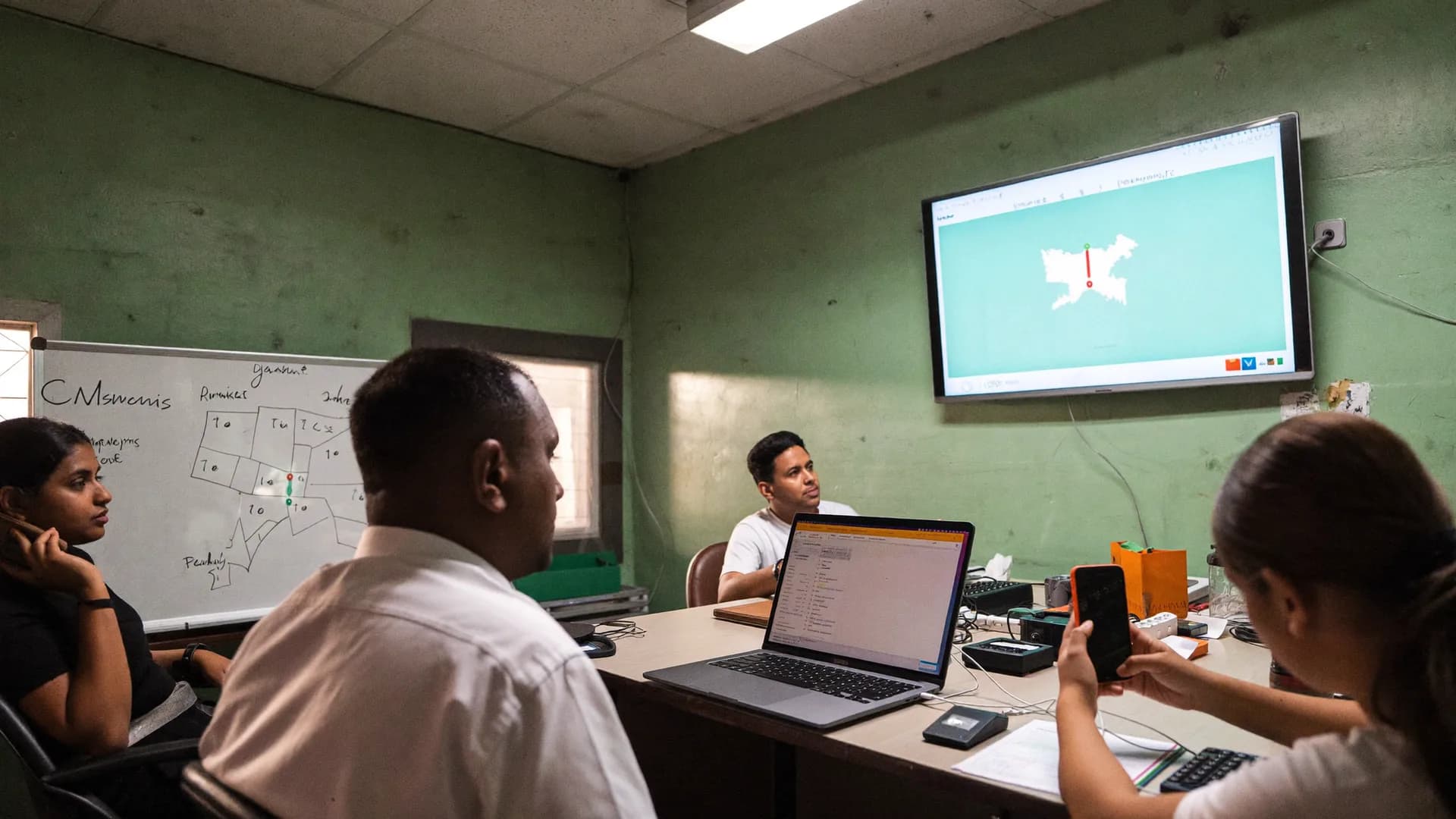
A candidate winnability survey tells party leadership how aspirants actually stand with voters in a constituency: who is recognised, who is trusted, whose image carries weaknesses, and how preference varies across the seat. Bharat Survey runs these studies with trained field teams and an offline survey app that records GPS, time and duration for every interview, so the leadership can see that the evidence came from voters, not from the aspirants' own networks.
- Name recognition and image by aspirant
- Head-to-head preference tests
- Results by area within the seat
- Interviews verified by GPS and back-checks
Ticket decisions are usually made on reports from local leaders, each with their own preferred aspirant. A winnability study adds a voter-side view that no aspirant controls. It does not pick the candidate. It tells decision-makers how each name is seen by the people who will vote.
Core measures
The same measures for every aspirant, asked in rotated order so no name gets a position advantage.
- Recognition: have voters heard of the person?
- Image: honest, accessible, effective, local?
- Negatives: specific concerns voters raise unprompted
- Preference: which aspirant voters would choose in paired comparisons
- Issue fit: whether voters see the aspirant as able to address top local issues
Typically delivered
- Aspirant scorecards
- Area-wise preference maps
- Voter verbatims on each name
- Local issue ranking
- Method note with margins
- Confidential briefing
Open questions ask voters which local people they respect and would trust to represent them. Names that recur across areas go into the closed-question round.
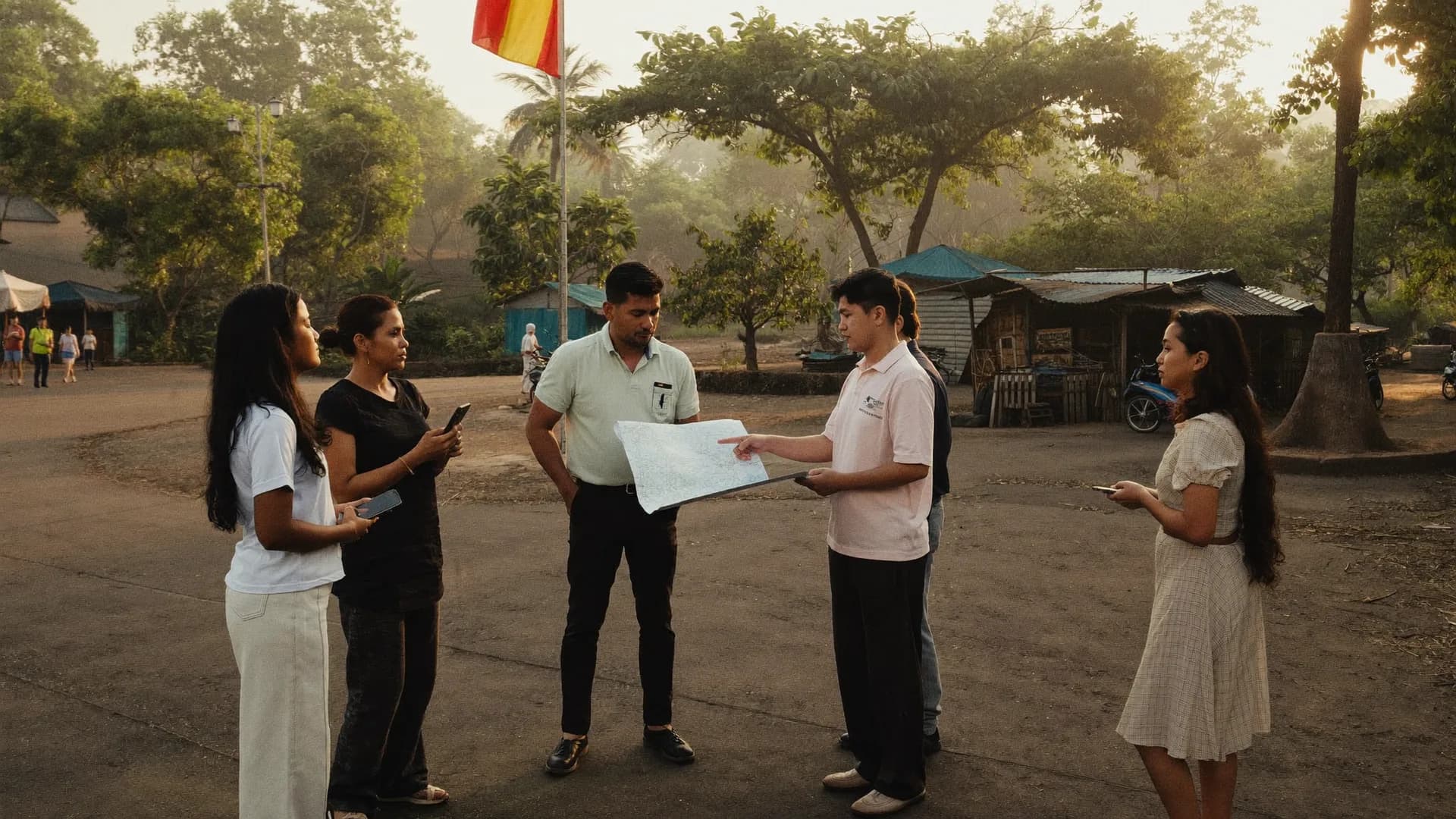
Brief and aspirant list
Sample across the seat
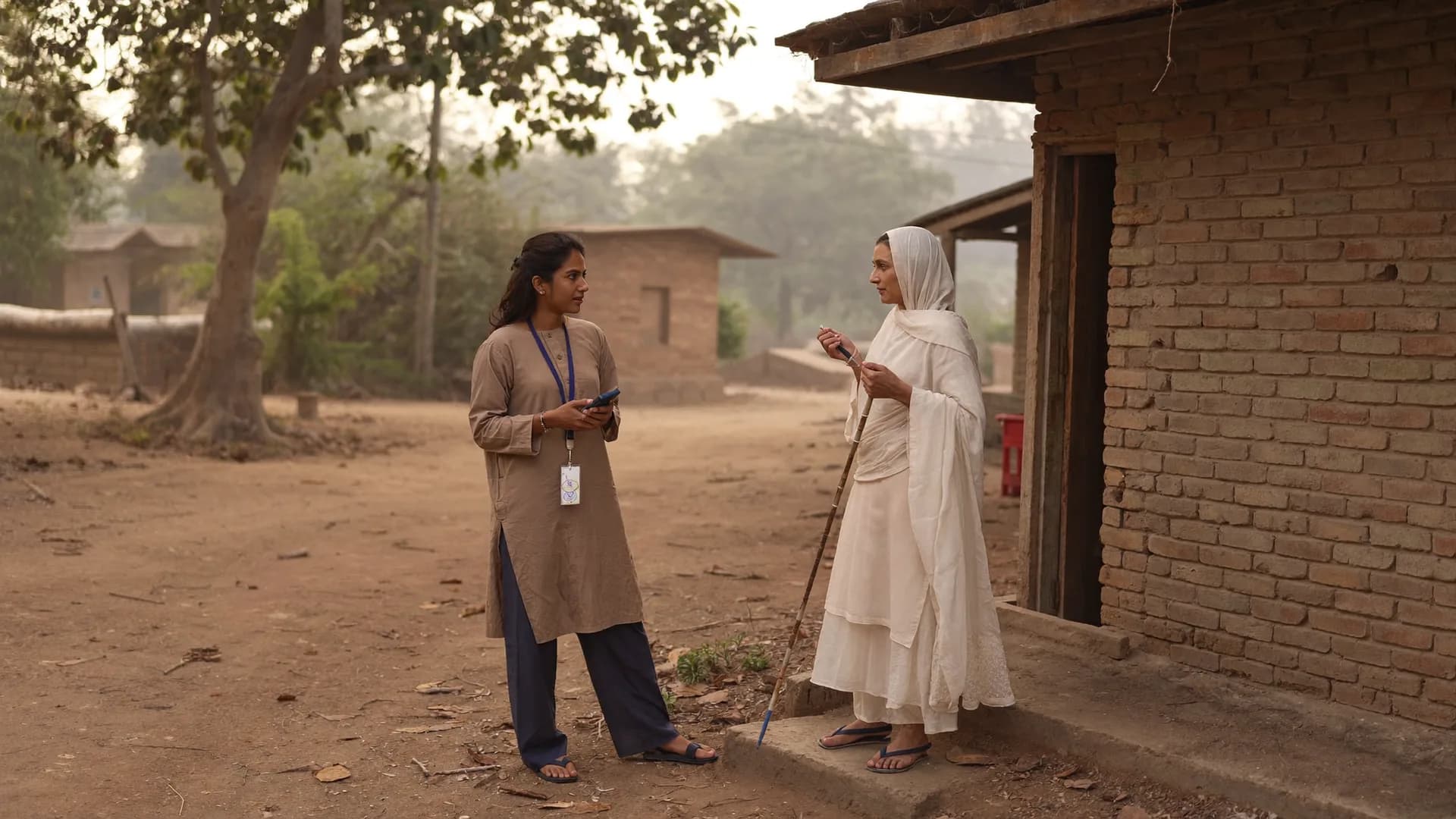
Fieldwork with checks
Scorecards and briefing
A winnability questionnaire is short by design. Voters at the doorstep give ten to fifteen minutes at most, and quality falls after that.
Local issues first
Unprompted recall
Prompted image ratings
Paired preference
Voter profile
Verification built in
A caution we give every client
| Design | When to use | Limitation |
|---|---|---|
| Single seat, full sample | A contested seat with several strong aspirants | Higher cost per seat |
| Many seats, lighter sample | Screening across a region before shortlists | Area-level detail is thin |
| Two-round (open then closed) | No agreed shortlist yet | Needs more time |
| Repeat wave | Final decision close to nominations | Short gap may show little change |
Every design reports sample size and margin of error per seat.
Ask for
- Sample size and margin per seat
- Map of where interviews happened
- Rotated order of names
- Back-check rate
Be wary of
- Results delivered in two days for many seats
- No negatives reported for any aspirant
- Samples drawn from party workers
- Exact seat predictions
Not the right fit if
- Reports designed to favour a particular aspirant
- Promises of electoral outcomes
- Caste or religion-based targeting of voters
- Using voter-roll personal data
A good fit if
- Party leadership making ticket decisions
- Independent candidates testing viability
- Regional screening before shortlists
- Confidential, method-transparent reports
Political solutions
Survey software and research for campaigns.
Learn moreराजनीतिक सर्वे (हिंदी)
Political survey services in Hindi.
Learn moreOpinion poll survey
Representative voter opinion surveys.
Learn moreMedia poll partner
Field partner for published polls.
Learn moreExit poll survey
Exit poll fieldwork within ECI rules.
Learn moreStraight answers to the questions people ask most about this topic.
How many interviews does a winnability survey need per seat?
It depends on how many aspirants are tested and whether leadership needs area-wise results inside the seat. A seat-level comparison needs a few hundred interviews spread across booth clusters; area-wise views need more. The proposal states sample and margin of error per seat.
Are aspirants told they are being tested?
That is the party's decision. We keep aspirant names confidential within the project team, and enumerators are briefed only on the questionnaire, not on the purpose of any particular name.
How long does a winnability survey take?
A single seat typically takes about two weeks from brief to briefing, including design, fieldwork, back-checks and analysis. Multi-seat screening depends on number of seats and field teams deployed.
Can a winnability survey predict who will win?
No survey can guarantee that. It measures voter perception of aspirants at the time of fieldwork. Campaigns, alliances and events change outcomes, so results should inform decisions, not replace judgement.

Share the seats, aspirant count and your deadline. We will propose a design and timeline in confidence.