Bharat Surveyभारत सर्वे
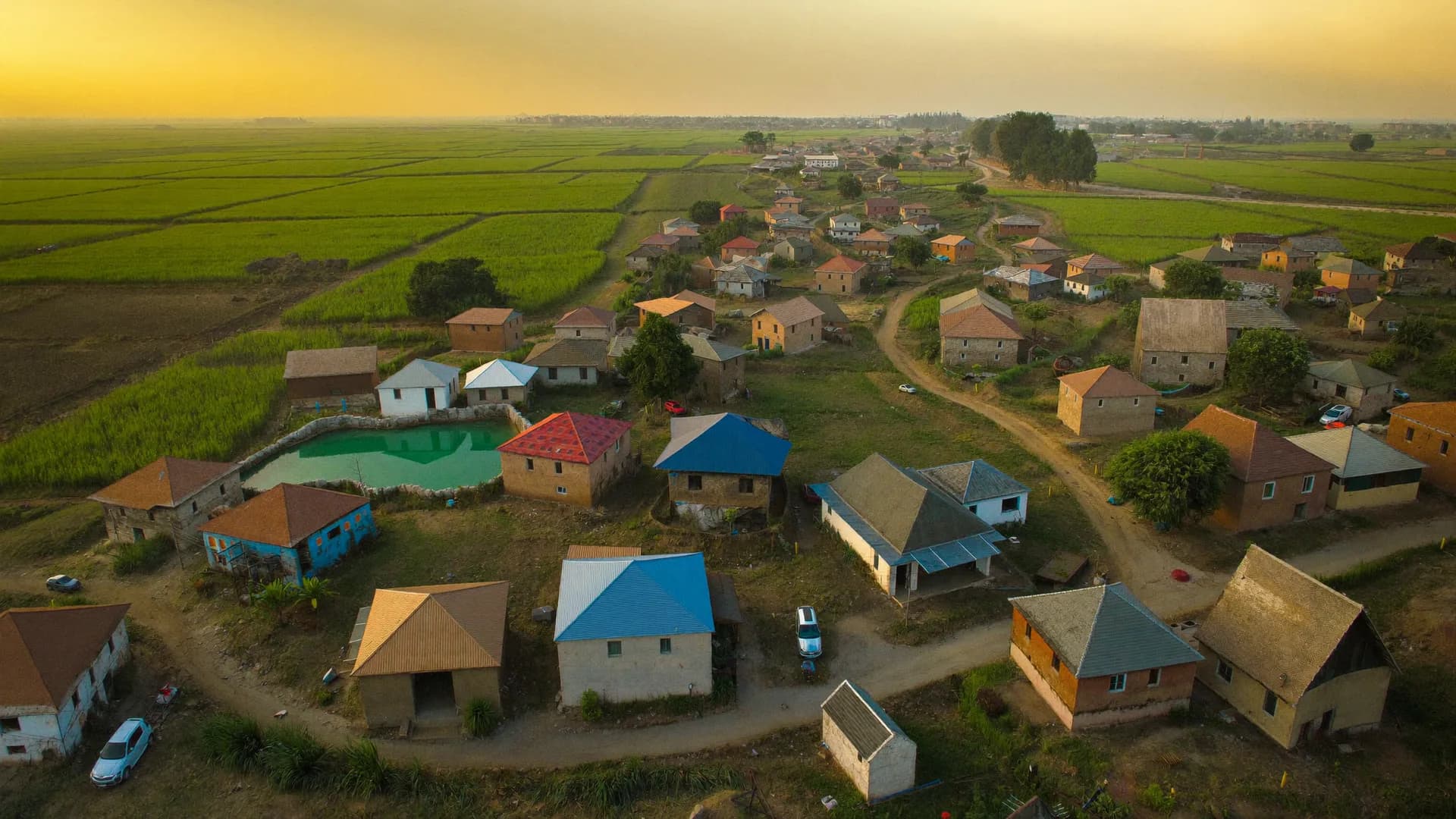
ऊपर से विधानसभा क्षेत्र के गाँव, खेत और कच्ची सड़कों का दृश्य
Services · Political research

Know the issues and moods of an electorate without building files on individuals

Bharat Survey offers voter profiling services in India the lawful way: representative surveys that describe groups of voters by area, age, occupation and issue, never dossiers on named people. Campaigns, media houses and researchers get constituency and booth-cluster views of what voters care about, how sentiment is moving, and where turnout may shift, from GPS-verified interviews collected with consent.

  • Survey-based segments, not personal dossiers
  • Booth-cluster and ward-level views
  • Issue and sentiment tracking over waves
  • No voter-roll import, no tracking
Constituency 172 · Survey round 2Updated 12s ago · sample
3,000
Target homes
2,184
Visits
1,962
Completed
1,871
Accepted
Daily accepted surveysLast 12 days
Quality
Accepted1871
In review64
Outside area19
Weak signal8
Top issues · by panchayat
Water62%
Roads48%
Power31%
Drains24%
Issue prioritiesSentiment by areaTurnout intentAge and occupation segmentsBooth-cluster viewsTracking wavesConsent recordedParty-neutral method

Start here

Definition

Voter profiling, done properly, is segmentation from survey data. A sample of voters in each area answers questions about issues, trust, awareness of schemes, media habits and voting intent. Results are weighted to the area's population and reported for groups: young women in semi-urban wards, farmers in a block, first-time voters across a constituency.

What it is not: importing voter rolls, matching phone numbers to names, predicting how a named person will vote, or targeting anyone by caste or religion. The Digital Personal Data Protection Act, 2023 requires a lawful basis and purpose limitation for personal data; ECI's model code and the Representation of the People Act, 1951 set further limits on campaign conduct. Our software does not import voter-roll data or track voters, by design.

Segments we commonly report

  • Age band and gender
  • Urban, semi-urban, rural
  • Occupation groups
  • First-time voters
  • Scheme beneficiaries vs not
  • Media consumption groups
Method

Four stages that turn interviews into an area-by-area picture.

  1. 01

    Sample by area

    The constituency is divided into clusters of booths or wards. Interviews are allocated to each cluster so area-level results rest on enough responses.
    Design
    1
    2
    3
    4
    5
    6
    7
    8
    9
    10
    11
    12
    13
    14
    15
    16
    17
    18
    19
    20
    21
    22
    23
    24
    25
    26
    27
    28
    29
    30
    A strongB fairC weakD very weakNo report today
  2. 02

    Consent-first interviews

    Enumerators ask for consent, record answers offline, and the app stores GPS and time. No names or phone numbers are needed for the analysis.
    Field
    Home #17 · Intro & consent

    Hello, I am Ram Kumar. This survey is run by Sample Organisation. Purpose: to learn about amenities in your area. It is voluntary, and you can say no at any time.

    Consent v2 · 09:44
    Agreed — start surveyDeclined
  3. 03

    Weight and segment

    Responses are weighted to area demographics and grouped into segments by issue, sentiment and intent.
    Analysis
    Constituency 172 · Survey round 2Updated 12s ago · sample
    3,000
    Target homes
    2,184
    Visits
    1,962
    Completed
    1,871
    Accepted
    Daily accepted surveysLast 12 days
  4. 04

    Map by cluster

    Results are shown by booth cluster or ward on a map, with sample size shown so thin areas are not over-read.
    Reporting
    bharatsurvey.org/app/172/live
    Ram Kumar · shift on
    26.8467 N · 80.9462 E · ±12 m
    14
    Received
    12
    Accepted
    1
    Review
    1
    Outside
Analysis

Voter intelligence

Here voter intelligence means aggregate insight: which issues rank highest in each area, which groups are undecided, and which messages they report hearing. Nothing is tied to a named voter.
Influencer identification survey

Voters are asked whom they consult on public matters — types of people such as teachers, SHG leaders or local doctors — so outreach can be planned by role, not by tracking individuals.

AI vote estimation

Model-based vote estimates from weighted survey data, shown with a stated margin of error and the assumptions used. We do not promise accuracy or predict individual votes.
Participation

Turnout decides many close contests. Three angles we measure.

Past turnout patterns

Published ECI statistical reports give turnout by constituency and, in many cases, by polling station. We set survey results against these public figures.
  • ECI statistical reports
  • Polling-station level where published
  • Change across elections
Constituency 172 · Survey round 2Updated 12s ago · sample
3,000
Target homes
2,184
Visits
1,962
Completed
1,871
Accepted
Daily accepted surveysLast 12 days
Mood

A single survey is a photograph. Sentiment mapping repeats a core set of questions in waves, in the same clusters, so you see movement: satisfaction with local services rising in one block, anger over prices spreading in another. Each wave shows its sample size and margin, so real shifts are separated from noise.

What changes between waves

Keep the core questions fixed and add a short module for new issues. Changing wording between waves breaks comparison, a common error in campaign research.

  • Fixed core question set
  • Rotating topical module
  • Same clusters each wave
  • Change shown only when outside margin of error
Choosing a vendor

Before

What we provide

Survey-based profiling

  • Representative samples with consent
  • Group-level segments and maps
  • Margins of error stated
  • Raw anonymised data on request
  • Party-neutral method
With Bharat Survey

What to avoid

Red flags from any vendor

  • Named voter lists with predicted votes
  • Voter roll matched to phone numbers
  • Caste or religion targeting lists
  • Guaranteed seat predictions
  • No method statement

Not the right fit if

  • Anyone seeking individual voter dossiers
  • Projects importing voter-roll personal data
  • Caste or religion targeting of individuals
  • Clients wanting guaranteed outcome predictions

A good fit if

  • Campaigns planning issues and outreach by area
  • Media houses studying the electorate
  • Researchers and think tanks
  • Parties of any affiliation wanting neutral method
FAQ

Straight answers to the questions people ask most about this topic.

Is voter profiling legal in India?

Survey-based research that reports groups of voters, collected with consent, is lawful and common. Collecting or processing personal data of named voters without a lawful basis, or targeting people by religion or caste, raises serious issues under the DPDP Act, 2023, the Representation of the People Act, 1951 and ECI rules.

Do you use the voter list?

No. We do not import voter rolls or personal data from them. Samples are drawn by area, and published ECI aggregate statistics are used only for context such as past turnout.

How accurate are your vote estimates?

Every estimate comes with a stated margin of error based on sample size and design. Estimates describe opinion at the time of fieldwork; we do not promise accuracy for the result and do not predict individual votes.

What is the smallest area you can profile?

It depends on sample per area. Constituency-level results need a few hundred interviews at minimum; booth-cluster views need interviews in each cluster. We show sample sizes on every map so small areas are not over-read.
शाम के समय कस्बे का हवाई दृश्य
India Nationwide, Hindi-first

Share the constituency, timeline and questions. We will propose a sample and waves.