
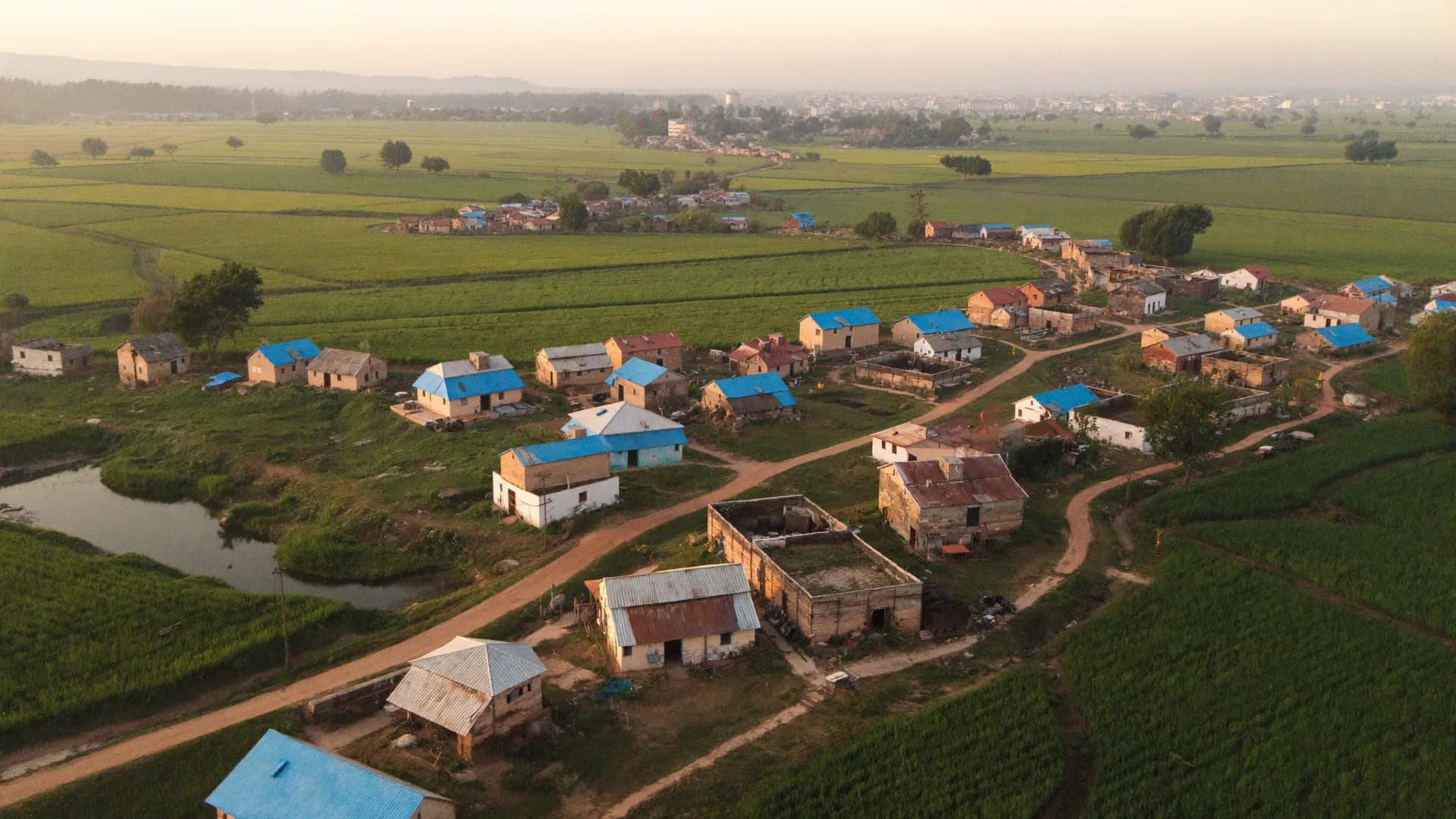
Know where your city stands before the official assessor arrives
Cities searching for an ODF plus verification agency usually need two different things. Official third-party certification under Swachh Bharat Mission–Urban is done by agencies appointed by the Ministry of Housing and Urban Affairs; we are not one of them. What Bharat Survey offers is the city's own preparation: independent ward-level surveys of toilets, door-to-door collection, segregation and user charges, with GPS and photo evidence, so gaps are fixed before certification.
- Mock assessments against the published protocols
- Public and community toilet audits
- Household collection coverage surveys
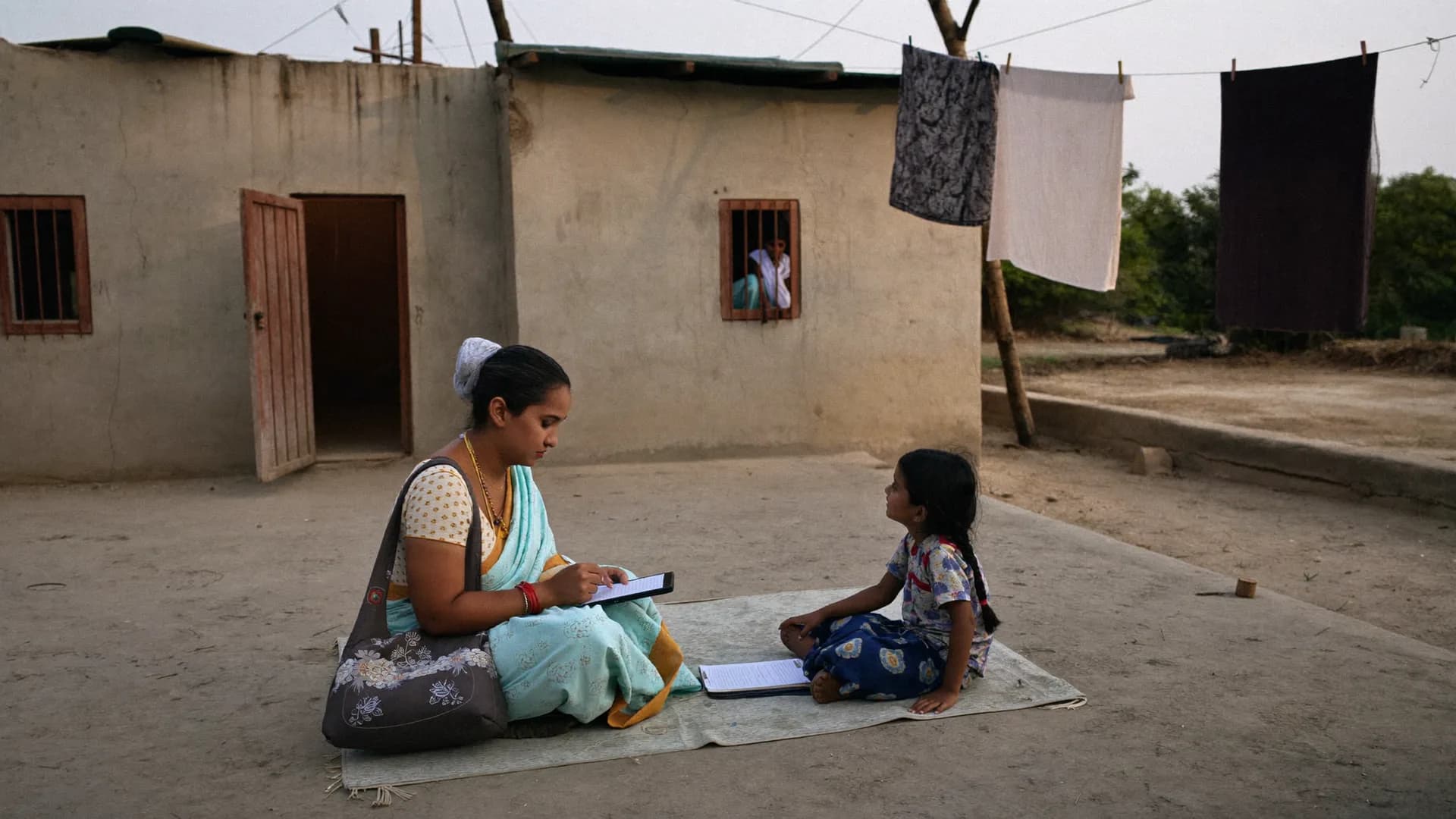
- Citizen feedback drives with consent
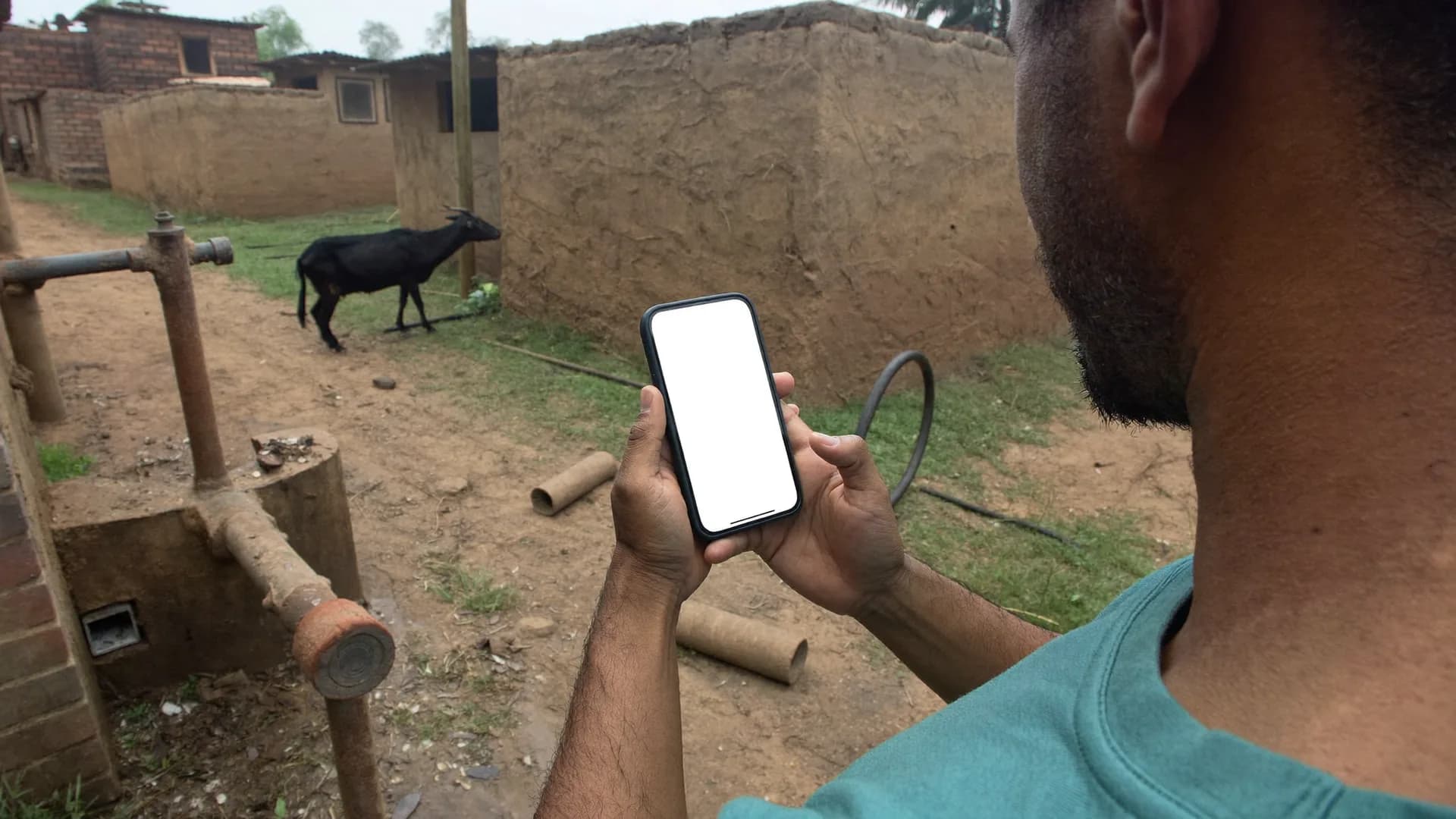
Since 2016 MoHUA has introduced standard protocols under Swachh Bharat Mission–Urban: ODF, ODF+ (functional and clean public and community toilets), ODF++ (adds safe faecal sludge management), Water+ (treatment and reuse of used water), and the Star Rating Protocol for Garbage Free Cities launched in January 2018. Cities are rated at ascending levels up to 7 stars on parameters covering collection, segregation, processing and dumpsite remediation.
Certification runs in stages: the city self-assesses and uploads evidence, a third-party agency appointed by MoHUA carries out a desktop assessment, and claims that pass are verified through independent field observation. A city that walks into the field stage without its own ward-level data is guessing.
Official process
- City self-assessment and evidence upload
- Desktop assessment by MoHUA-appointed agency
- Field verification by that agency
- Certification or re-application
Pick the modules that match the certification you are preparing for.
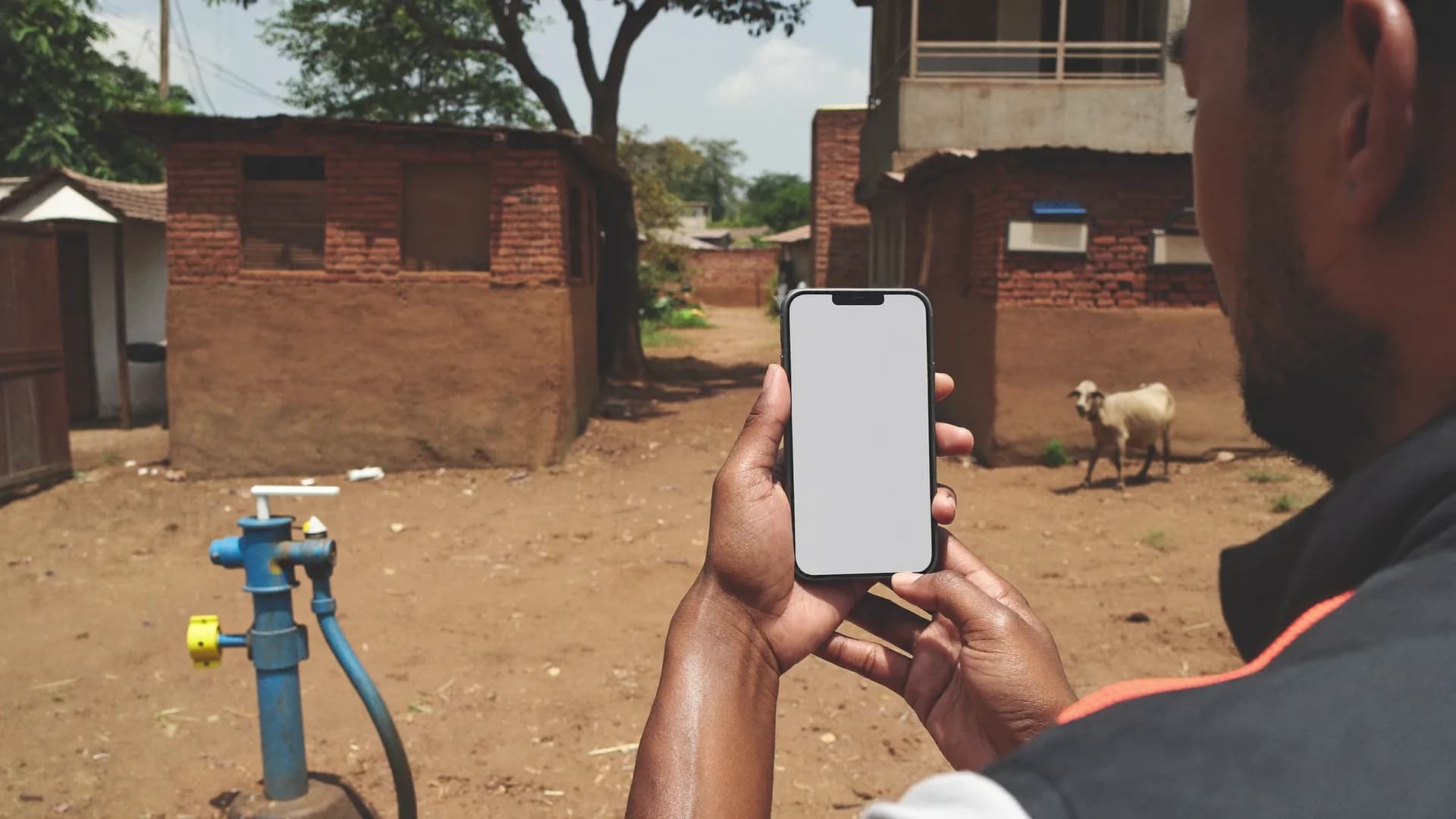
Swachh survey services for toilets
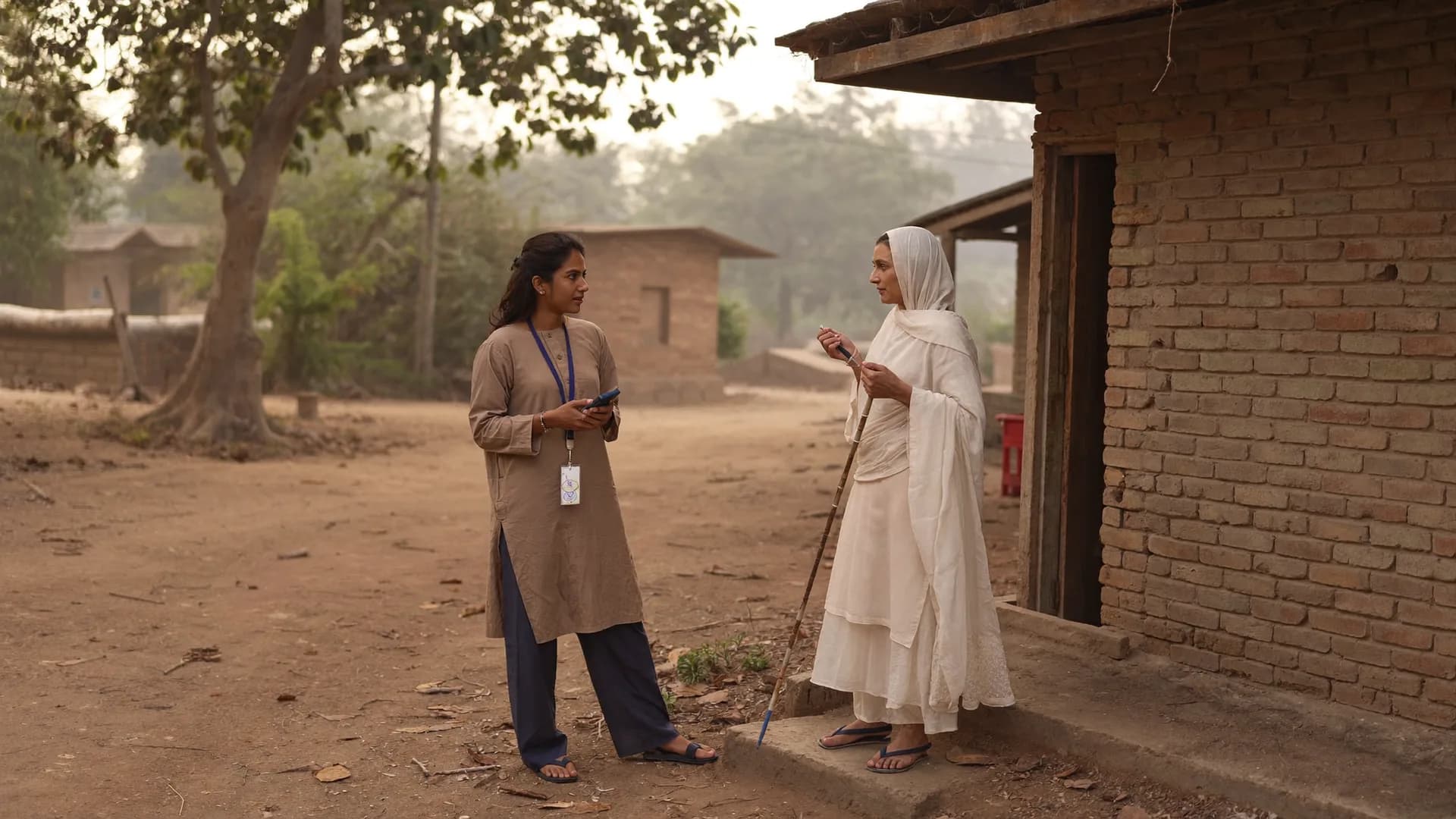
Collection and segregation
Used water and drains
Citizens' voice
Most cities do not know how many bulk waste generators they have. Hotels, marriage halls, institutions, markets and large housing societies are required under the Solid Waste Management Rules, 2016 and local bye-laws to manage their waste, but the list with the ULB is often years old.
What the survey records
Field teams walk each ward, identify and geo-tag establishments likely to cross the bulk generator threshold set by the city, record their category and estimated waste, and note whether on-site processing or a service contract exists.
- Geo-tagged establishment list by ward
- Category and approximate daily waste
- On-site composting or contract status
- Photo of processing unit where present
Coverage claimed in MIS and coverage experienced by households are often different. A short household survey shows the gap.
Is collection really daily?
- Ward-level estimates
- Missed-day hotspots
- Map of reported gaps
Segregation at source
- Observed vs reported
- Collector behaviour
- Awareness gaps
What happens when collection fails
- Disposal on missed days
- Informal collectors
- Open dumping risk
User charges keep collection services running, and bye-laws under the Solid Waste Management Rules, 2016 let local bodies levy them. Many cities still do not know how many households actually pay, what they pay, or to whom — the municipality, a contracted operator or an informal collector.
Questions the module answers
A short household module, added to the coverage survey at little extra field cost.
- Does the household pay a user charge today?
- How much, how often, and to whom?
- Is a receipt given?
- Willingness to pay for reliable daily, segregated collection
Swachh survekshan field assessor
Citizen feedback readiness
SBM-U city manager skill gap assessment
Our view
Evidence to gather
- Status of each treatment facility
- Drains and outfalls observed
- Reuse arrangements documented
- Photos with GPS and dates
Household and facility checks
- Toilet functionality audit
- Faecal sludge collection records
- Collection coverage by ward
- Segregation observed at source
Common gaps we find
- Old bulk generator lists
- Toilets working but unclean
- Coverage claimed in MIS only
- No record of missed collection
Not the right fit if
- Official ODF, Water+ or GFC certification
- Acting as a Swachh Survekshan assessor
- Influencing or managing citizen feedback scores
- Engineering design of treatment plants
A good fit if
- Mock assessments before certification
- Ward-level toilet and collection audits
- Bulk waste generator listing
- User charge and willingness-to-pay surveys
Government solutions
Surveys for departments and ULBs.
Learn moreसरकारी सर्वे (हिंदी)
Government survey services in Hindi.
Learn moreThird party evaluation
Independent evaluation of urban schemes.
Learn moreGeM procurement
How ULBs procure survey services.
Learn moreEmpanelment
What empanelment processes ask for.
Learn moreStraight answers to the questions people ask most about this topic.
Who does third party verification for ODF+ and Garbage Free City ratings?
Agencies appointed by the Ministry of Housing and Urban Affairs carry out the desktop assessment and field verification under SBM-Urban protocols. Cities cannot choose their own certifying agency. Independent readiness surveys like ours are a separate, city-commissioned exercise.
What is a mock assessment?
A rehearsal of the official process using the published protocol parameters. Our field teams check toilets, collection, segregation and processing ward by ward, record evidence, and give the city a gap list before it applies or before field verification.
How many households should a collection coverage survey include?
Enough per ward to give a usable estimate, typically decided by the number of wards and how precise the city needs each ward result to be. We propose a sample per ward in the quotation.
Can the survey data be shared with the city's MIS?
Yes. Results export with ward codes, facility IDs, GPS and photos, so the city can load them into its own dashboards or keep them as supporting evidence.
Tell us the protocol, number of wards and your target date. We will suggest survey modules and a timeline.