
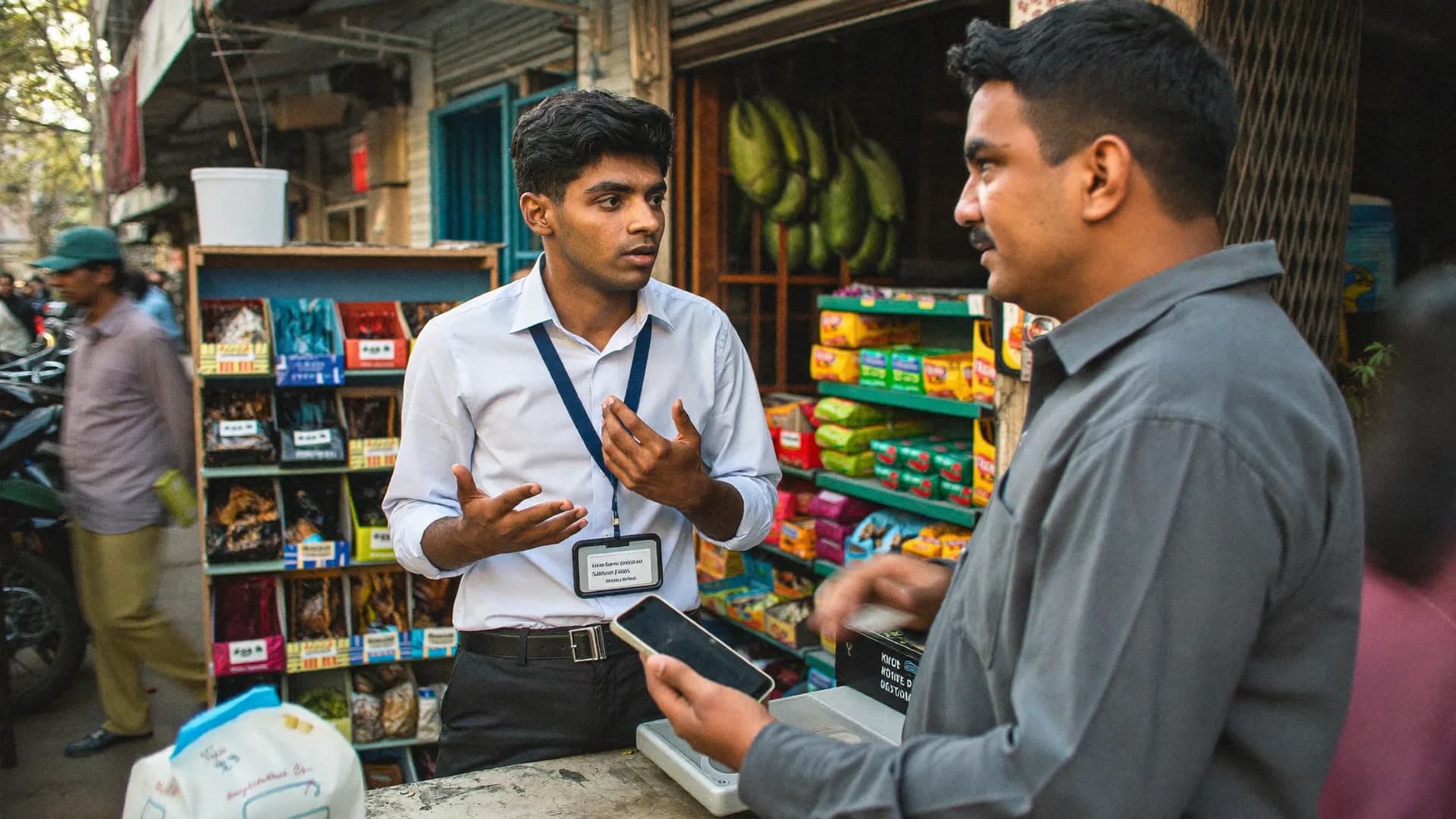
Shelf and price checks
Field teams record competitor brands, pack sizes, prices, promotions and shelf share in sampled outlets, with photos, across target cities.
Numbers from shops, distributors and households, not only from reports
Bharat Survey runs market entry research in India for foreign brands, Indian companies moving into new states, investors and the strategy teams advising them. Desk estimates tell you how big a market might be. We test them in the field: consumer and business surveys, retailer and distributor interviews, price and shelf checks, and competitor mapping in the cities and towns you are considering, so the entry case rests on data someone actually collected.
India is a set of very different markets sharing one border. A national figure from a syndicated report rarely tells you whether a product will sell in Indore, Guwahati or a block town in Bihar.
A feasibility study answers a practical question: given what customers will pay, how products reach them, and who already sells to them, is entry in this place worth it? Strategy consultants and in-house teams usually build the model. Our role is the primary evidence the model depends on: what consumers buy and spend, what retailers stock and at what margin, how distributors work, and how competitors price and place their products.
We keep a written register of every assumption in the entry case and mark which ones field data has confirmed, contradicted or left open. That register tends to be the most useful page for the decision meeting.
We are a research and data collection firm. We do not give legal, tax, foreign investment or regulatory advice, and we do not choose partners or negotiate for you. We work alongside advisers who do, and we hand over data and findings in a form their models can use.
We usually build more than one estimate and show where they agree.
The three layers are simple to define and easy to inflate. Each layer should narrow for a stated, measurable reason.
There is no magic in a TAM SAM SOM calculator; it is multiplication with honest filters. TAM equals the number of potential buyers times annual spend per buyer. SAM applies the share of those buyers in your target geographies, channels and price band. SOM applies an achievable share, which should come from evidence such as trial and repeat intent, distribution coverage you can fund, and competitor share in comparable launches.
We deliver the model as a spreadsheet with every input linked to its source: a survey table, an outlet count or a stated assumption. Change an input and the three layers update, so the team can test scenarios instead of defending one number.
Size is only one part of an assessment. We also report route-to-market options, typical trade margins, credit terms retailers expect, price bands where competitors cluster, and the features or pack sizes customers said they would switch for.
Competitive intelligence here means structured observation and public information, never deception or confidential data.
All corporate research services.
Learn moreDeeper studies of buyers and usage.
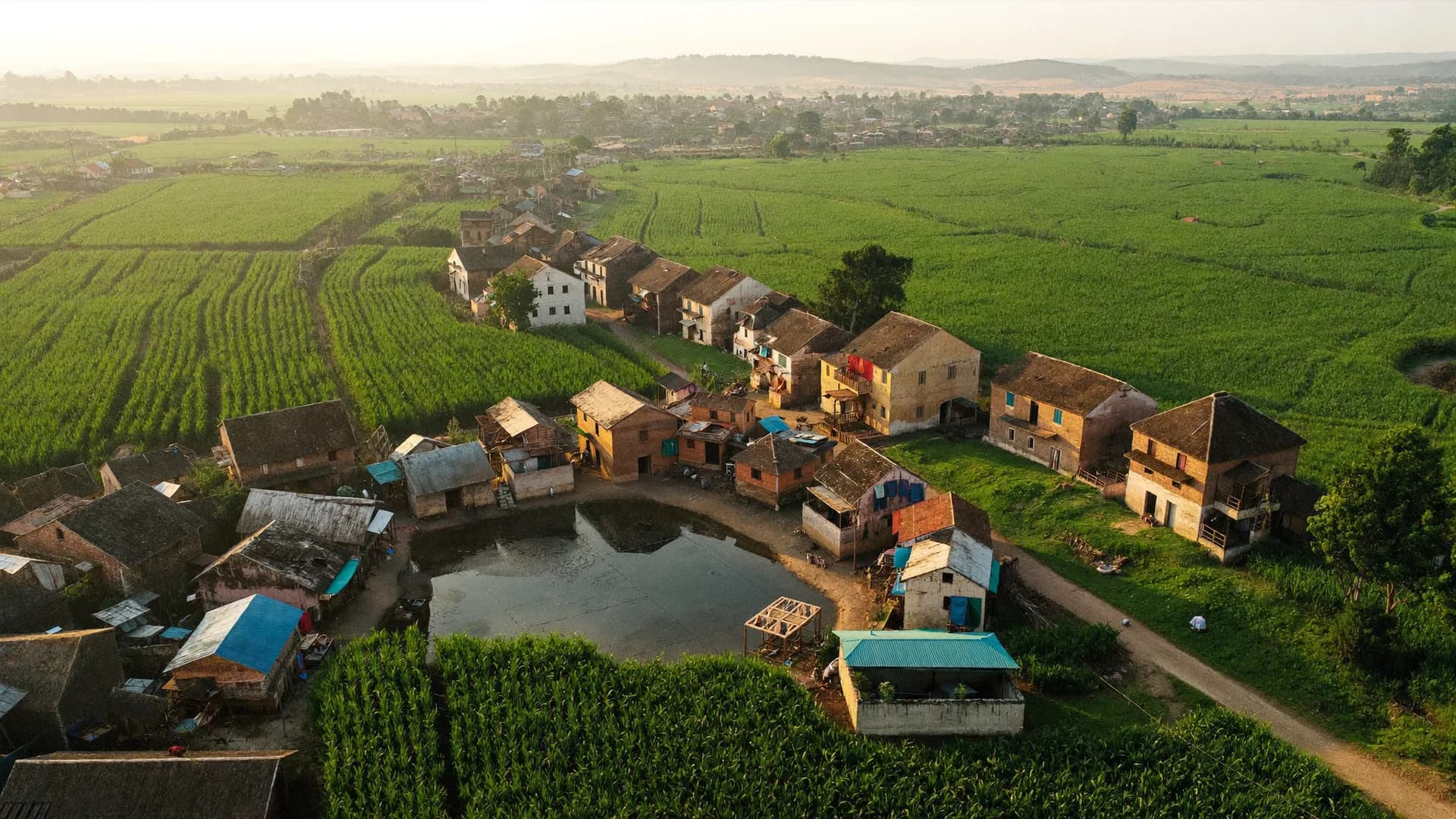
Learn moreVillages and small-town markets.
Learn moreAwareness and preference after launch.
Learn moreVery short phone surveys.
Learn moreShare category, target states and timeline.
Learn moreStraight answers to the questions people ask most about this topic.
It depends on the number of cities, the mix of consumer, retailer and distributor research, and languages. A focused study in a few cities commonly takes several weeks from questionnaire sign-off to report. We share a week-by-week plan with the proposal.
Often yes, by building estimates from the demand side, the outlet side and the trade side and comparing them. Where the three disagree widely, we report a range and explain the reason instead of forcing a single number.
Yes. Field teams work offline in villages and small towns, and outlet and household samples can be drawn from tier 2 and tier 3 towns and rural blocks as well as metros.
Pricing is on quotation, driven by the number of cities, sample sizes for each research component, languages and reporting depth. Share your category, target geographies and decision date for a scoped proposal.
Send the category, target geographies and the decision you need to make. We will propose the smallest study that can answer it.