
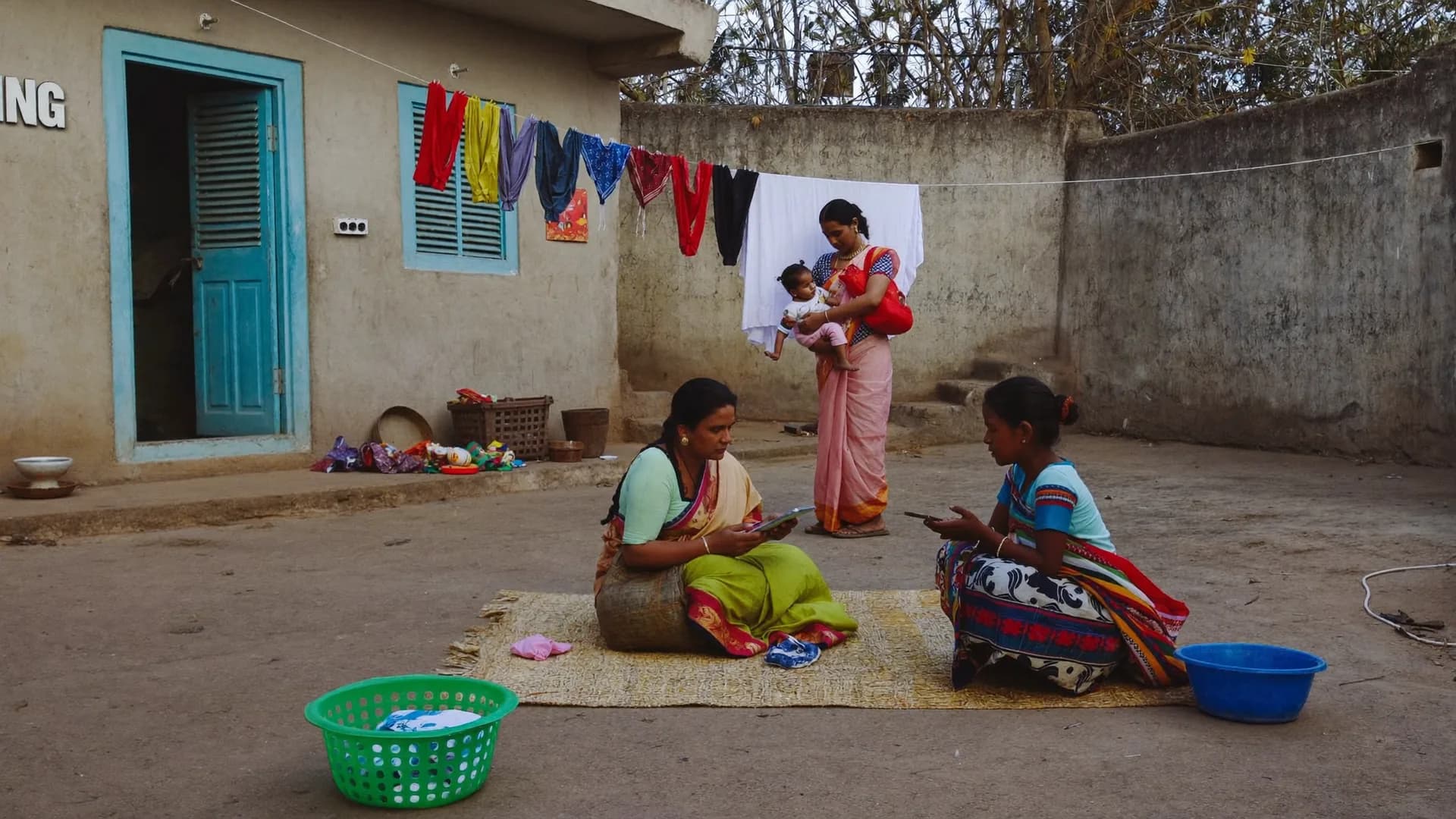
Frameworks, field monitoring and evaluation studies with evidence behind every figure
Bharat Survey is a monitoring and evaluation agency in India for NGOs, CSR foundations, donors and government departments. We build the results framework with you, run concurrent and process monitoring through trained field teams and our offline survey app, and carry out evaluations whose findings trace back to GPS-verified, time-stamped records. You get indicators you can track monthly and reports your board or funder can check.
- Results framework and indicator reference sheets
- Monthly or quarterly monitoring rounds
- Process and performance evaluations
- Dashboards for programme and field teams
- Comes regularly
- Comes sometimes
- Rarely / never
- Don't know
- In areaInside approx. boundary
- Accuracy±12 m
- Time09:42 · fresh fix
- Mock GPSNot detected
- Interview length11 min
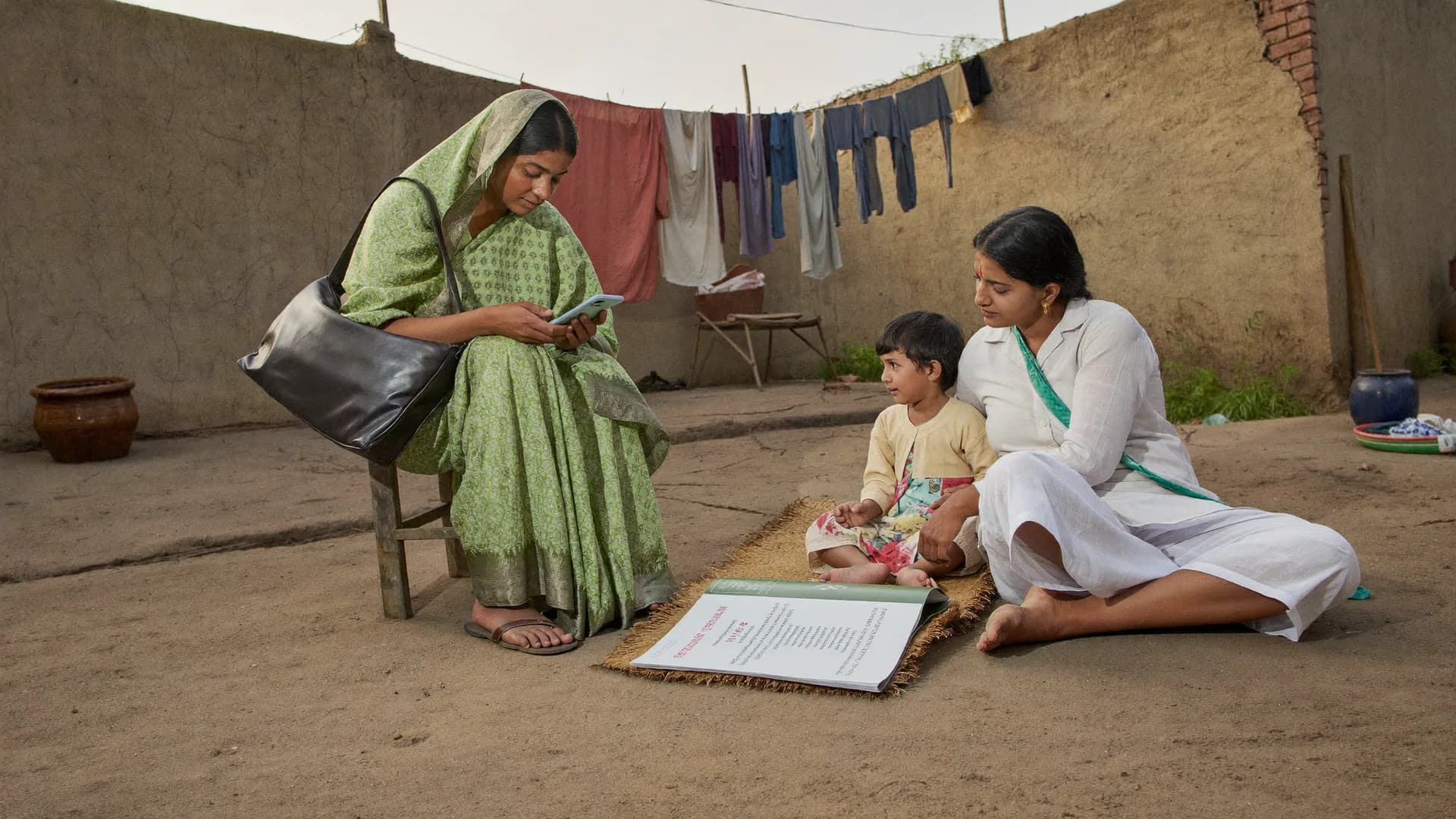
As a MEAL framework consultant we start with what decisions the data must inform, then work backwards to indicators, tools and schedules. Accountability and learning are built in, not added to the final report.
Comprehensive MEL solutions
Theory of change, logframe or results framework, indicator reference sheets with definitions, frequency and data source, and a data flow that says who collects what and who reviews it.
- Indicator reference sheets
- Data quality plan
- Reporting calendar
Project tracking and monitoring agency
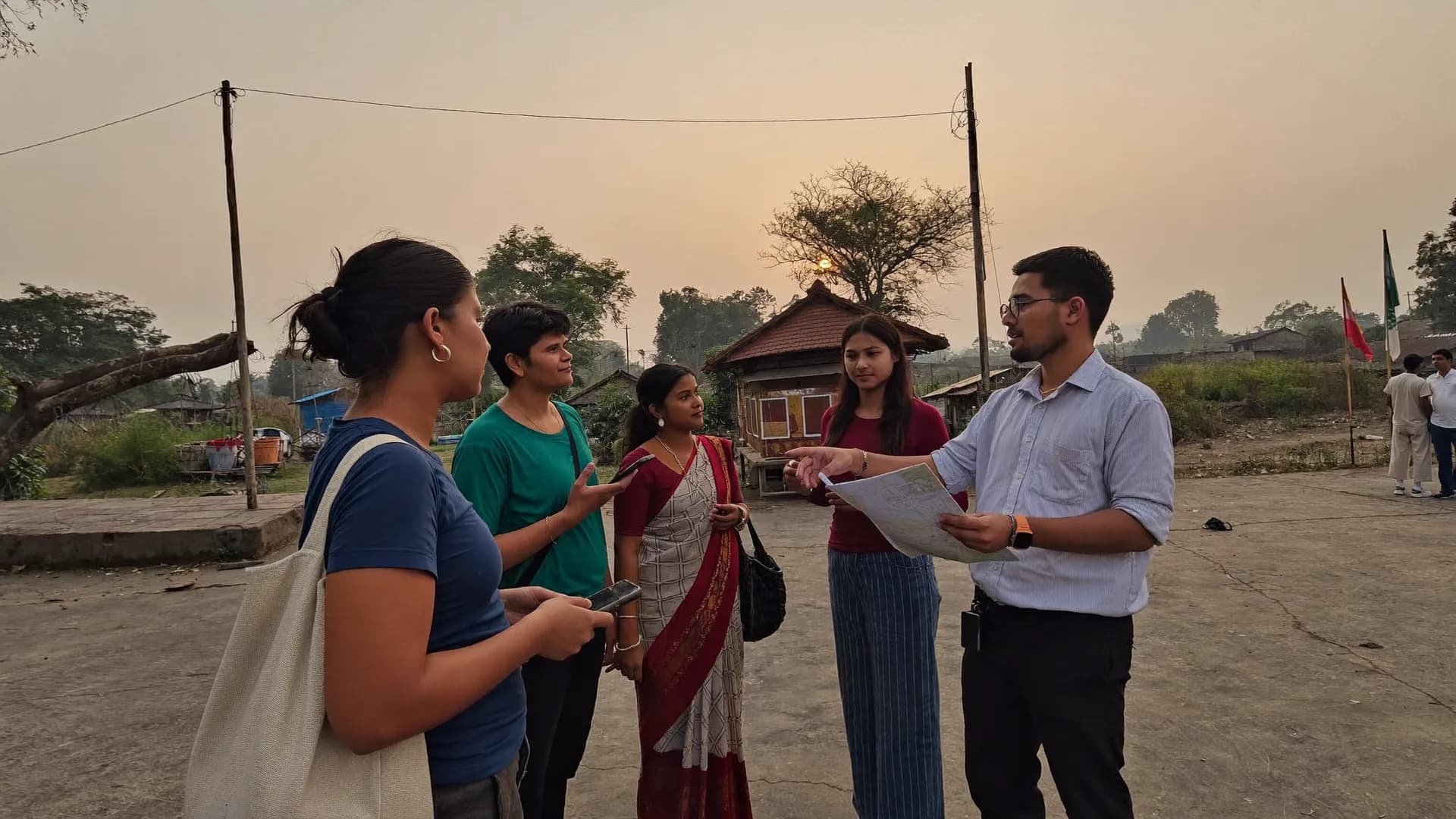
Our teams or yours collect data in the offline app. As a project tracking and monitoring agency we also run independent verification visits on a sample of activities.
- Offline Android app
- GPS and photo evidence
- Supervisor back-checks
- Comes regularly
- Comes sometimes
- Rarely / never
- Don't know
Performance evaluation development programme
A performance evaluation of a development programme compares achieved outputs and outcomes with targets and explains variation between districts, partners or cohorts.
- Targets vs achievement
- Variance by site
- Cost per output
Monitoring evaluation policy analysis and learning MEPAL
Some government and donor programmes use a monitoring evaluation policy analysis and learning (MEPAL) structure. We support the field evidence and learning notes that feed policy reviews.
- Learning briefs
- Reflection workshops
- Policy-ready summaries
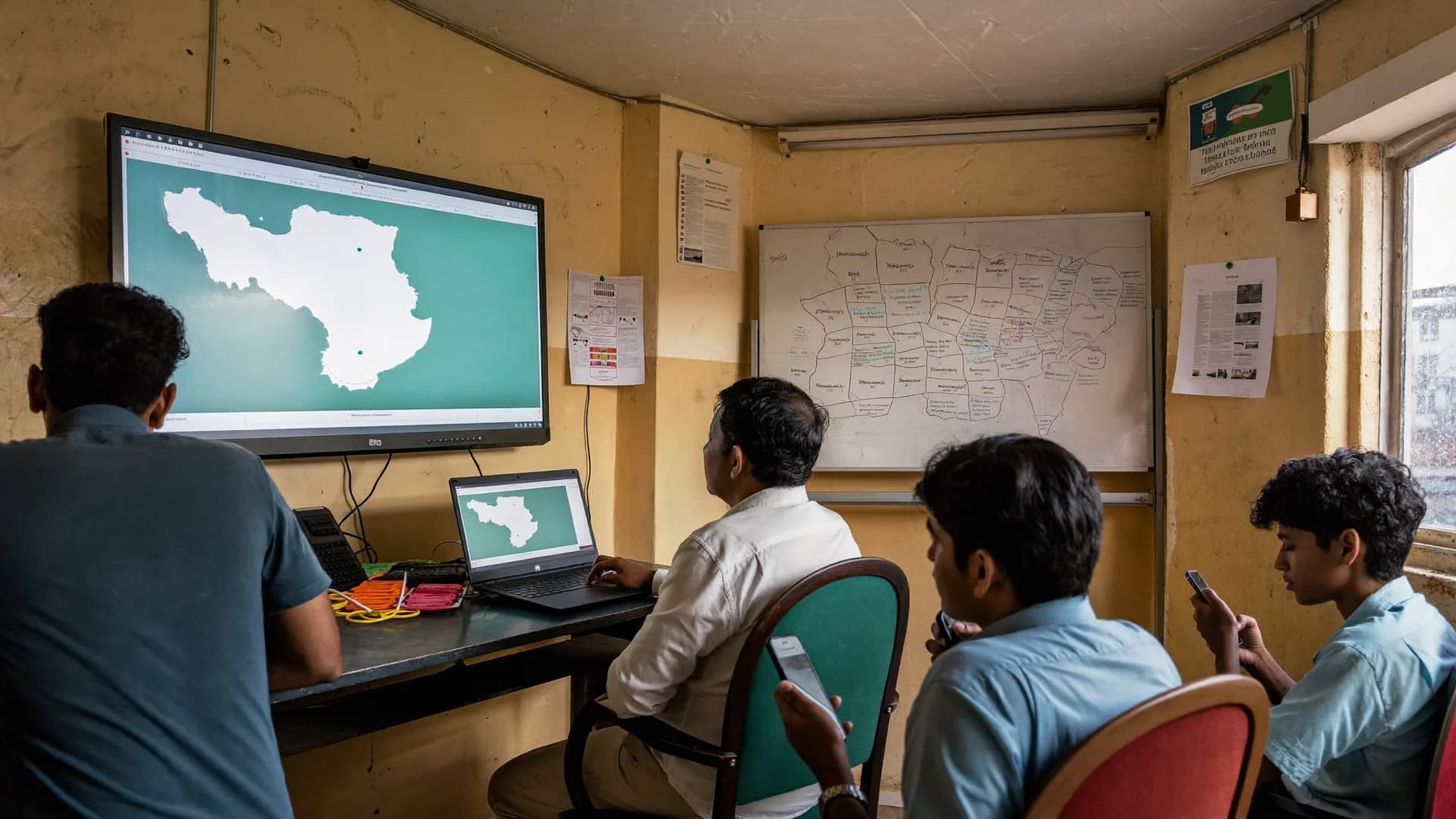
When the organisation delivering a programme also reports on it, the numbers drift toward targets. A third party monitoring agency in India breaks that link: enumerators report to our supervisors, records are locked on sync, and a fixed share of visits is re-checked by someone who did not do the first visit.
Independent monitoring does not have to mean slow or adversarial. We agree the checklist, sample and reporting format with the programme team so findings arrive while there is still time to act on them.
Third party monitoring USAID project and other donor-funded work
Donor-funded projects often require verification that is separate from the implementing partner. For third party monitoring on a USAID project or any bilateral or multilateral grant, we follow the donor's indicator definitions and data standards specified in the award. We make no claim of a direct contract or relationship with any donor; we work for whoever commissions the monitoring.
Implementation research agency India
Implementation research asks why a proven intervention works in one district and stalls in another. As an implementation research agency in India we pair short monitoring surveys with interviews of frontline workers and beneficiaries, so the team learns what to adjust while scale-up continues.
Monitoring outputs
- Round-wise findings note
- Red-flag list with locations
- Photo and GPS evidence file
- Dashboard access
- Clean dataset and codebook
Our view on M&E
Concurrent monitoring of government schemes runs alongside implementation, in rounds, so departments see delivery gaps within weeks.
Process monitoring of government schemes
- Step-wise pass rates
- District comparison
- Stalled case list
Supervision and monitoring of rural infrastructure projects
- Geo-tagged photos
- Progress against milestones
- Defect categories
Concurrent monitoring NGO projects
- Partner scorecards
- Attendance checks
- Quality rubrics
They sound alike and often appear in the same terms of reference, but they answer different questions.
Process monitoring
Continuous, during delivery
- Tracks whether activities follow the plan
- Runs in rounds: monthly or quarterly
- Short checklists, many sites
- Output: red flags and fixes
- Owner: programme manager
Process evaluation
Periodic, analytical
- Explains how and why delivery worked
- Usually once, mid-way or at the end
- Mixed methods, fewer sites in depth
- Output: findings and recommendations
- Owner: leadership, funder, department
As a process evaluation agency we look at fidelity (was the model delivered as designed), reach (who was and wasn't covered), dose (how much each participant received) and context (what helped or blocked delivery). Quantitative surveys give the scale; key informant interviews and focus groups give the reasons.
Before fieldwork we share an evaluation matrix that links each question to indicators, sources and sample. After fieldwork, the report separates findings from recommendations so a reviewer can disagree with one without doubting the other.
Choosing between monitoring, evaluation and impact studies
If you need to know whether activities are happening, monitor. If you need to know how well delivery works, run a process evaluation. If you need to know whether outcomes changed because of the programme, you need an impact evaluation with a comparison group, covered on our impact evaluation page.
Not the right fit if
- Empanelment with DMEO, NITI Aayog or any donor we don't hold
- Attribution of impact from monitoring data alone
- Audited financial verification of grants
- Evaluations where the implementer also collects the data
A good fit if
- Programmes needing independent field verification
- Multi-district monitoring in low-network areas
- Teams wanting an M&E framework they can run themselves
- Funders who want raw data, not just a summary
NGO & CSR solutions
Field surveys and software for development programmes.
Learn moreNGO data collection app
Offline forms with GPS, photos and consent capture.
Learn moreNGO M&E software
Indicator tracking and dashboards for programme teams.
Learn moreImpact evaluation
Comparison-group designs to estimate programme impact.
Learn moreBaseline and endline survey
Before-and-after surveys on the same indicators.
Learn moreStraight answers to the questions people ask most about this topic.
What does a monitoring and evaluation agency do?
It designs the indicators and data systems for a programme, collects or verifies field data during implementation, and runs evaluations that judge how well the programme performed. An external agency adds independence, so findings are not produced only by the team delivering the work.
Can you set up M&E that our own staff then run?
Yes. We can design the framework, build forms in the survey app, train your field staff and supervisors, and hand over dashboards. Many organisations then commission us only for periodic independent verification rounds.
How often should monitoring rounds happen?
It depends on how quickly delivery can go wrong and how quickly you can respond. Payment or attendance problems often justify monthly checks; infrastructure progress may need quarterly visits. We set frequency by decision cycle, not habit.
Do you work in areas without mobile network?
Yes. The app works fully offline and syncs later, keeping the GPS location, time and duration of each visit so records can still be verified.
What does an M&E engagement cost?
Pricing is on quotation. It depends on the number of sites, rounds, languages, questionnaire length and whether you need framework design, fieldwork, analysis or all three. Share the programme scope and we will send a line-item estimate.
Sources: OECD DAC evaluation criteria · DMEO, NITI Aayog
Share your programme design, geography and reporting needs. We will propose a framework, monitoring schedule and evaluation plan.