Bharat Surveyभारत सर्वे
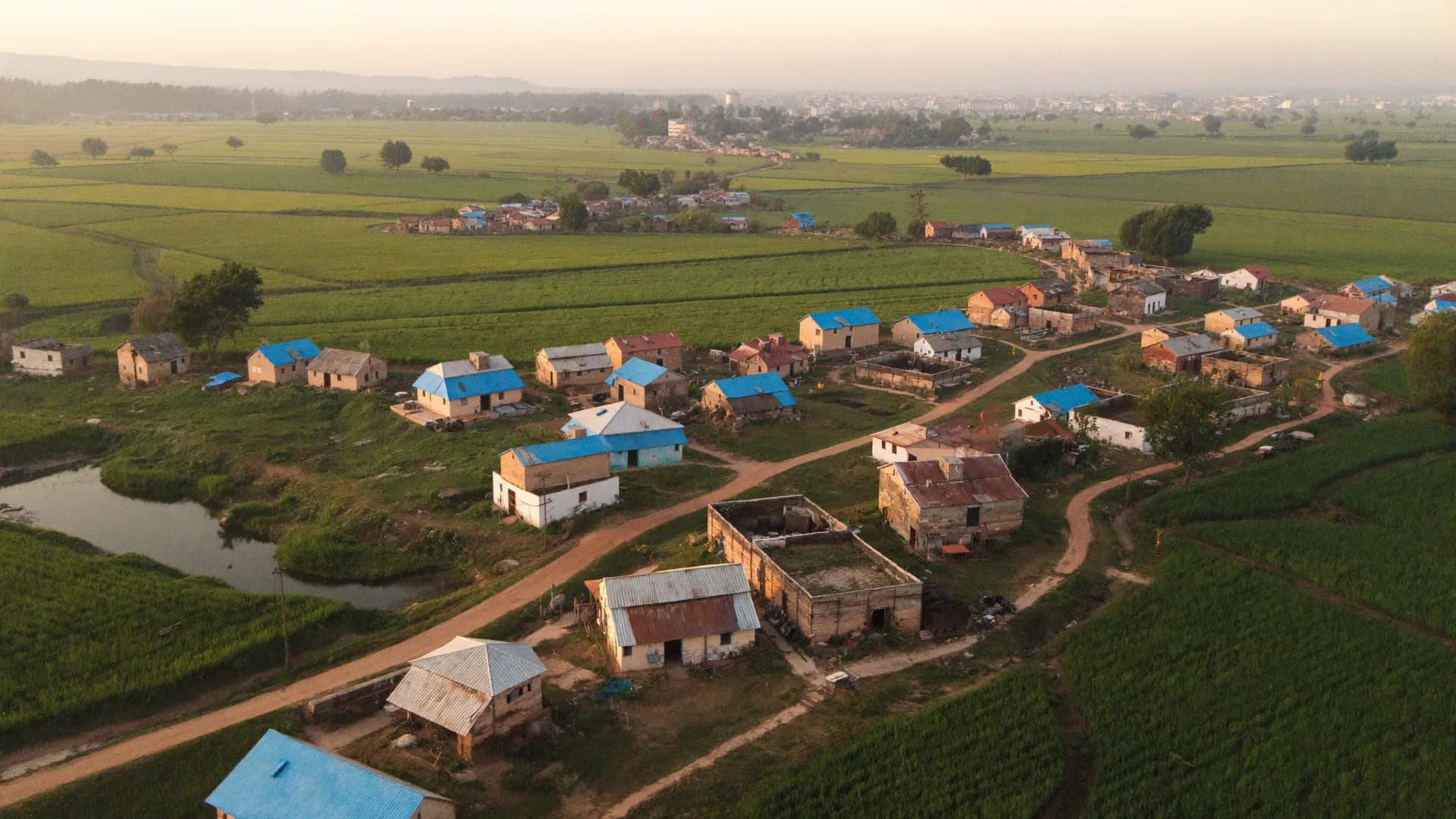
ऊपर से गाँव, खेत और पंचायत भवन का दृश्य
Government · Jal Jeevan Mission

Is the tap working, is there enough water, does it come on time, and is it safe?

Bharat Survey supports functionality assessment of household tap connection studies for state water and sanitation missions, district water and sanitation missions, PHED and RWS departments, and agencies running national or state assessments. Our field teams interview households and village institutions, measure flow at the tap, coordinate water sample collection with accredited laboratories, and deliver records that carry GPS, time and photo evidence for every village.

  • Household, village and scheme-level modules
  • Flow measurement at the tap for litres per capita
  • Sample collection coordinated with NABL-accredited labs
  • Every record GPS-stamped and back-checked
Functionality assessment of household tap connection
District household survey · Round 1Updated 12s ago · sample
3,000
Target homes
2,184
Visits
1,962
Enumerated
1,871
Verified
Daily verified recordsLast 12 days
Quality
Accepted1871
In review64
Outside area19
Weak signal8
Coverage · by block
Block A62%
Block B48%
Block C31%
Block D24%
Survey 5/6 · Photo
Photo of a public issue
Camera · no faces
5 MB → 210 KB · with location/time
SkipTake photo
Functional household tap connections55 litres per capita per dayBIS 10500 qualityRegular supply scheduleHar Ghar Jal villagesFlow-rate measurementVillage water committeesGPS-verified records
The benchmark

Under Jal Jeevan Mission, a tap connection counts as functional only if three conditions hold at once. The national assessment commissioned by the Department of Drinking Water and Sanitation in 2024 used this definition at scale.

Quantity
55 lpcd
At least 55 litres per capita per day
Quality
BIS 10500
Microbiologically safe at household, chemically compliant at source
Regularity
As scheduled
Water delivered as per declared schedule
2024 national sample
19,812 villages
2.37 lakh households in 761 districts

Sources: India Water Portal: review of the 2024 functionality assessment · JJM Operational Guidelines

Survey modules

A functionality assessment is several surveys in one visit. Each module has its own respondent and its own evidence.

Household

Household tap and supply module

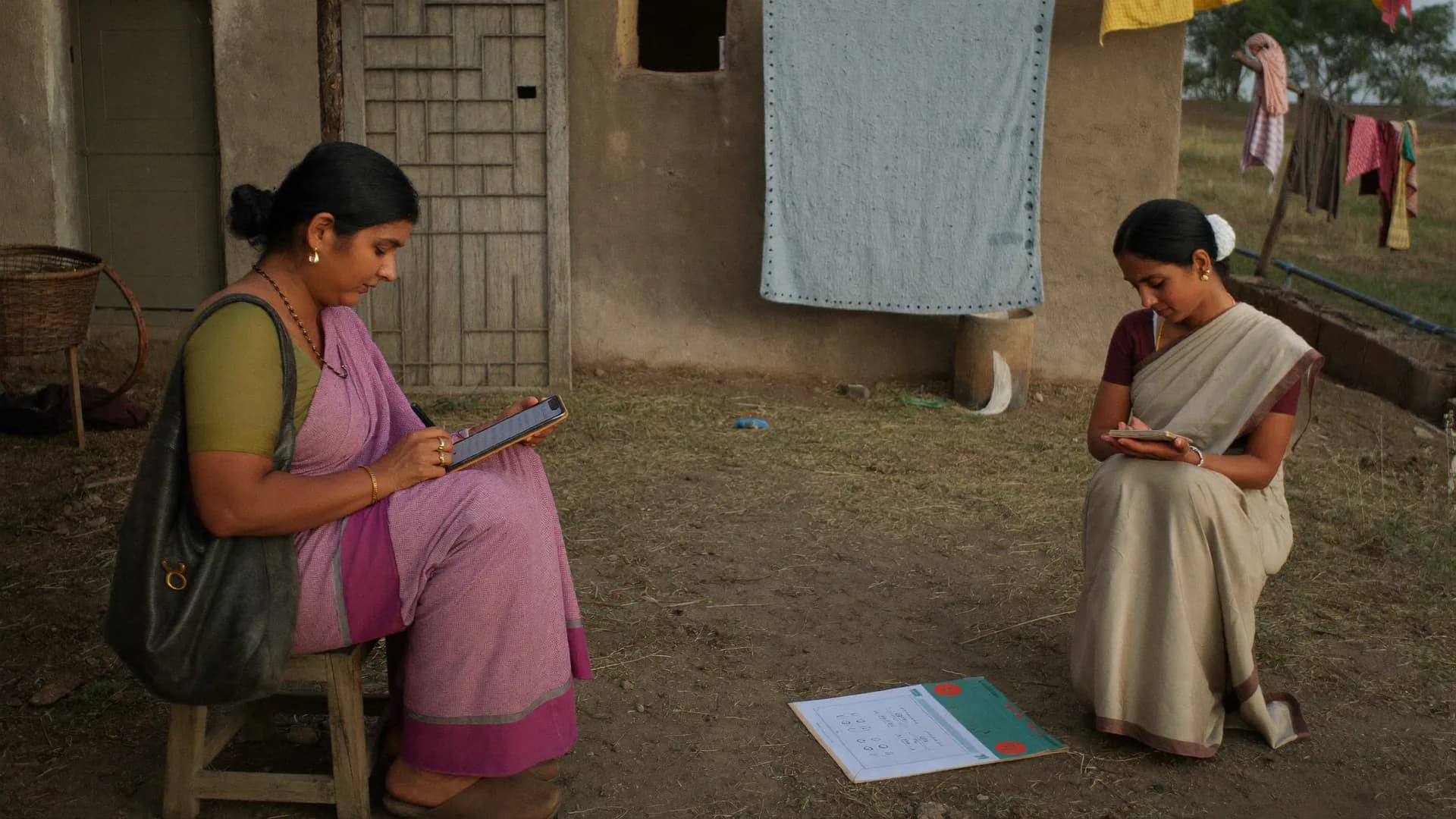
Does the household have a tap, does it work today, how many days and hours water came in the last week, how much is stored, and whether members still fetch water from other sources.

  • Tap present and working
  • Supply days and hours last week
  • Other sources used
  • Satisfaction and complaints
Survey 3/6 · AmenitiesOffline
How is drinking water in your area?
  • Comes regularly
  • Comes sometimes
  • Rarely / never
  • Don't know
✓ Section saved on phone · autosave
BackNext
Measurement

Flow measurement at the tap

Where supply is running during the visit, the enumerator times how long the tap takes to fill a measured container. With household size and supply hours, this gives an estimate of litres per capita per day.

  • Measured container and timer
  • Household size recorded
  • Supply duration from schedule and recall
  • Photo of measurement
Survey 5/6 · Photo
Photo of a public issue
Camera · no faces
5 MB → 210 KB · with location/time
SkipTake photo
Quality

Water sample collection

Samples are collected in sterile containers using the laboratory's protocol, labelled with household and village codes, and handed over with chain-of-custody records to a NABL-accredited laboratory appointed by the client.

  • Lab-supplied containers
  • Time of collection recorded
  • Cold chain where needed
  • Chain-of-custody form
Location evidence
Survey #BS-0412
  • In areaInside approx. boundary
  • Accuracy±12 m
  • Time09:42 · fresh fix
  • Mock GPSNot detected
  • Interview length11 min
Added to accepted count
Institutions

Village and scheme module

Interviews with the gram panchayat, village water and sanitation committee and pump operator on operation and maintenance, user charges, water quality testing with field test kits and grievance handling.

  • O&M arrangements
  • Pump operator and schedule
  • Field test kit use
  • Grievance records
District household survey · Round 1Updated 12s ago · sample
3,000
Target homes
2,184
Visits
1,962
Enumerated
1,871
Verified
Daily verified recordsLast 12 days

Our view on tap counts

Method

The steps below follow the logic of a sampled assessment. Sample design and tools follow the terms of reference of the commissioning department.

  1. 01

    Sample of villages and households

    Villages are drawn from the Har Ghar Jal or scheme list, then households are selected at random within each village from a quick listing or the tap connection list, as the terms of reference specify.
    Inception
    bharatsurvey.org/app/172/live
    Ram Kumar · shift on
    26.8467 N · 80.9462 E · ±12 m
    14
    Received
    12
    Accepted
    1
    Review
    1
    Outside
  2. 02

    Tools on an offline app

    Household, measurement and village modules run in one offline Android app with skip logic, range checks and LGD village codes, in Hindi and regional languages.
    Tools
    Survey 3/6 · AmenitiesOffline
    How is drinking water in your area?
    • Comes regularly
    • Comes sometimes
    • Rarely / never
    • Don't know
    ✓ Section saved on phone · autosave
    BackNext
  3. 03

    Fieldwork with evidence

    Every interview and measurement carries GPS, time and duration. Photos of the tap, measurement and sample labels are taken within the form.
    Fieldwork
    Survey 5/6 · Photo
    Photo of a public issue
    Camera · no faces
    5 MB → 210 KB · with location/time
    SkipTake photo
  4. 04

    Back-checks and lab data merge

    Supervisors revisit a share of households. Laboratory results are merged using sample codes, and mismatches are resolved before analysis.
    Quality
    Location evidence
    Survey #BS-0412
    • In areaInside approx. boundary
    • Accuracy±12 m
    • Time09:42 · fresh fix
    • Mock GPSNot detected
    • Interview length11 min
    Added to accepted count
  5. 05

    District and state reporting

    Functionality on each parameter and on all three together, by district, with denominators and the reasons taps were not functional.
    Reporting
    District household survey · Round 1Updated 12s ago · sample
    3,000
    Target homes
    2,184
    Visits
    1,962
    Enumerated
    1,871
    Verified
    Daily verified recordsLast 12 days
    Quality
    Accepted1871
    In review64
    Outside area19
    Weak signal8
    Coverage · by block
    Block A62%
    Block B48%
    Block C31%
    Block D24%
Who does what

Typical division of work in a functionality assessment
TaskField survey agencyAccredited laboratoryDepartment or mission
Sample designProposes per terms of referenceNot applicableApproves
Household and village interviewsYesNoMonitors
Flow measurementYesNoMonitors
Water sample collectionYes, under lab protocolProvides protocol and containersApproves lab
Laboratory testingNoYesReviews results
Analysis and reportYesSupplies test reportsAccepts

Actual responsibilities depend on the commissioning department's terms of reference.

Not the right fit if

  • We do not test water in a laboratory or issue test certificates
  • We do not certify villages as Har Ghar Jal
  • We do not claim past JJM assignments or empanelment
  • We do not audit civil works or pipeline construction quality: see TPQMA

A good fit if

  • State or district missions planning their own assessment
  • Agencies needing a field partner across many districts
  • Assessments that need GPS and photo evidence per household
  • Studies combining household, measurement and village modules
FAQ

Straight answers to the questions people ask most about this topic.

What makes a household tap connection functional under JJM?

It must supply at least 55 litres per capita per day, of water meeting the prescribed quality standard (BIS 10500), on a regular and long-term basis as per the declared schedule. A connection that meets only one or two of these is not counted as fully functional.

Can a field agency test water quality?

Field teams can collect samples and record field test kit results where the protocol asks for them, but laboratory testing should be done by an accredited laboratory. The 2024 national assessment used NABL-accredited laboratories for water testing.

How is quantity measured in the field?

Usually by timing how long a tap takes to fill a measured container while supply is running, then combining that flow with supply duration and household size to estimate litres per person per day. Recall questions on supply hours support the measurement.

Can you work in villages without mobile network?

Yes. The app works fully offline and syncs later, while keeping GPS, time and photos for each household and measurement.

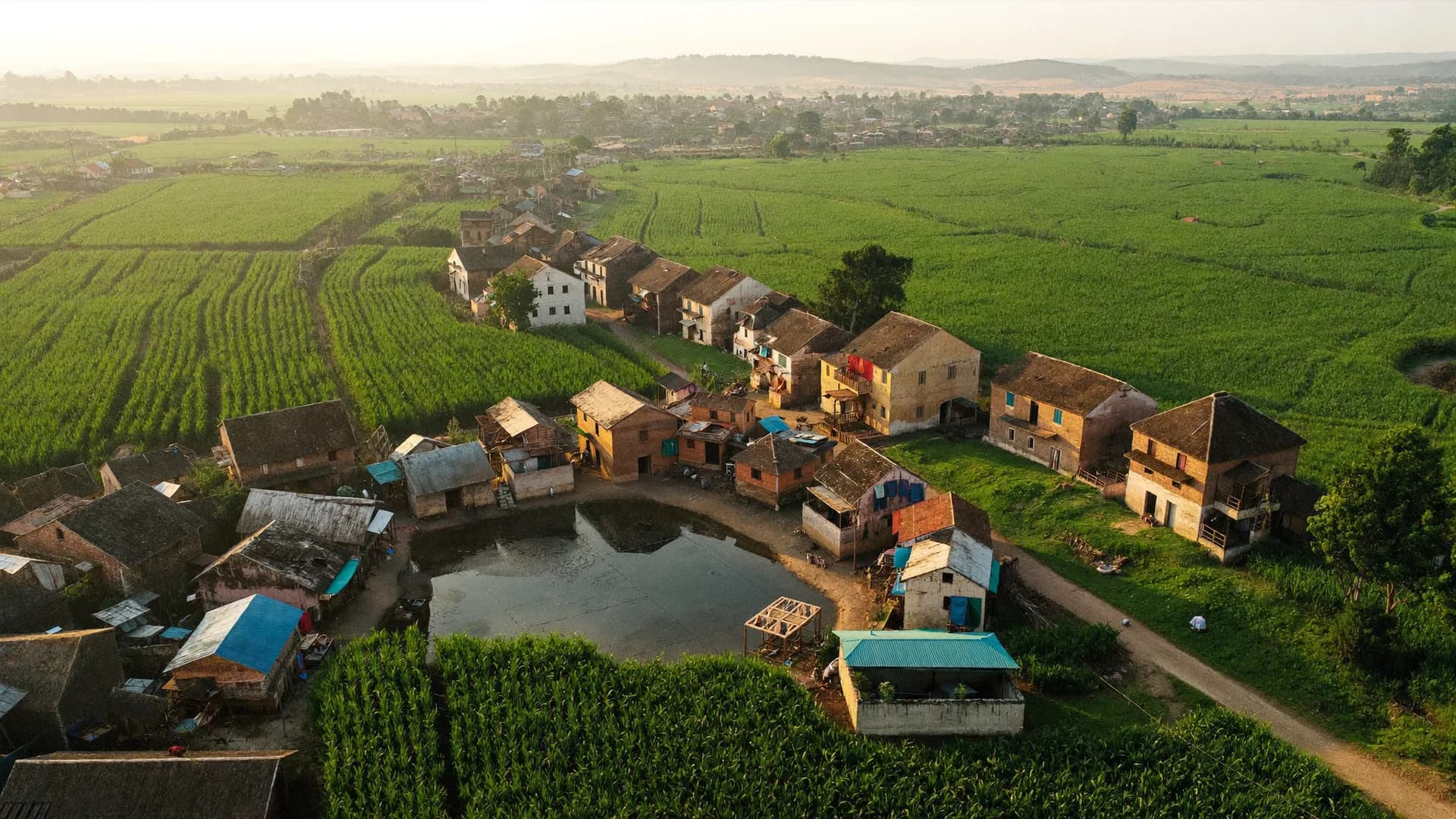
शाम के समय कस्बे का हवाई दृश्य
India Nationwide, Hindi-first

Share the districts, number of villages and the terms of reference. We will reply with a sample and field plan, including laboratory coordination.