
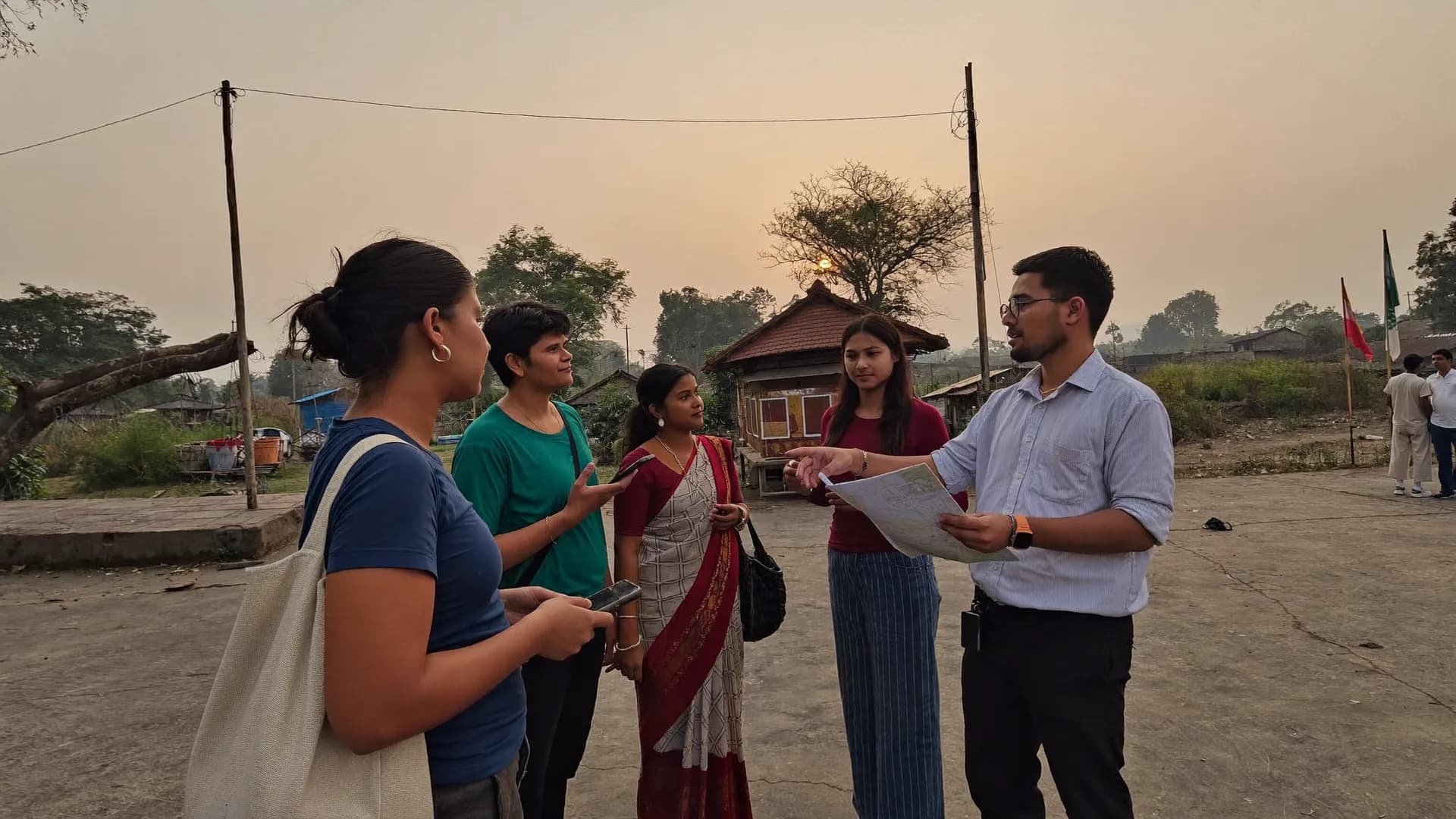
Weeks 1–2
01 / 04Behaviour mapping and questionnaire drafting
Agree target behaviours and groups, draft items for each stage and set the sample by district and group.
- Target behaviours
- Draft K, A and P items
- Sample design
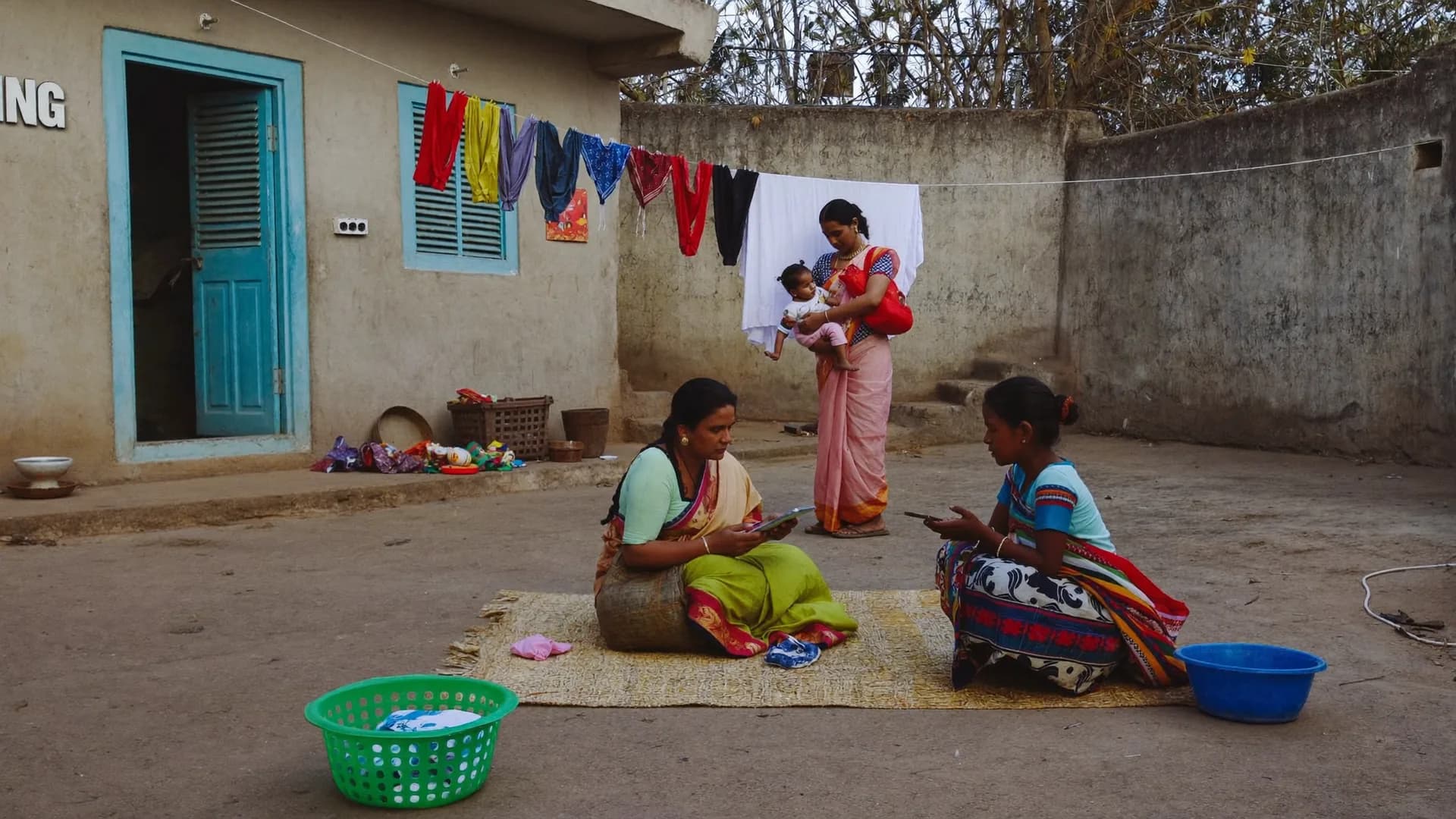
What people know, what they believe, and what they actually do, measured separately
Bharat Survey is a KAP survey agency for NGOs, CSR foundations, health and WASH programmes, government departments and researchers planning behaviour change work. A knowledge, attitude and practice survey shows where the gap sits: people who have not heard the message, people who heard it but do not believe it, and people who believe it but cannot act on it. We design the tool, run private interviews in the local language and report each gap separately.
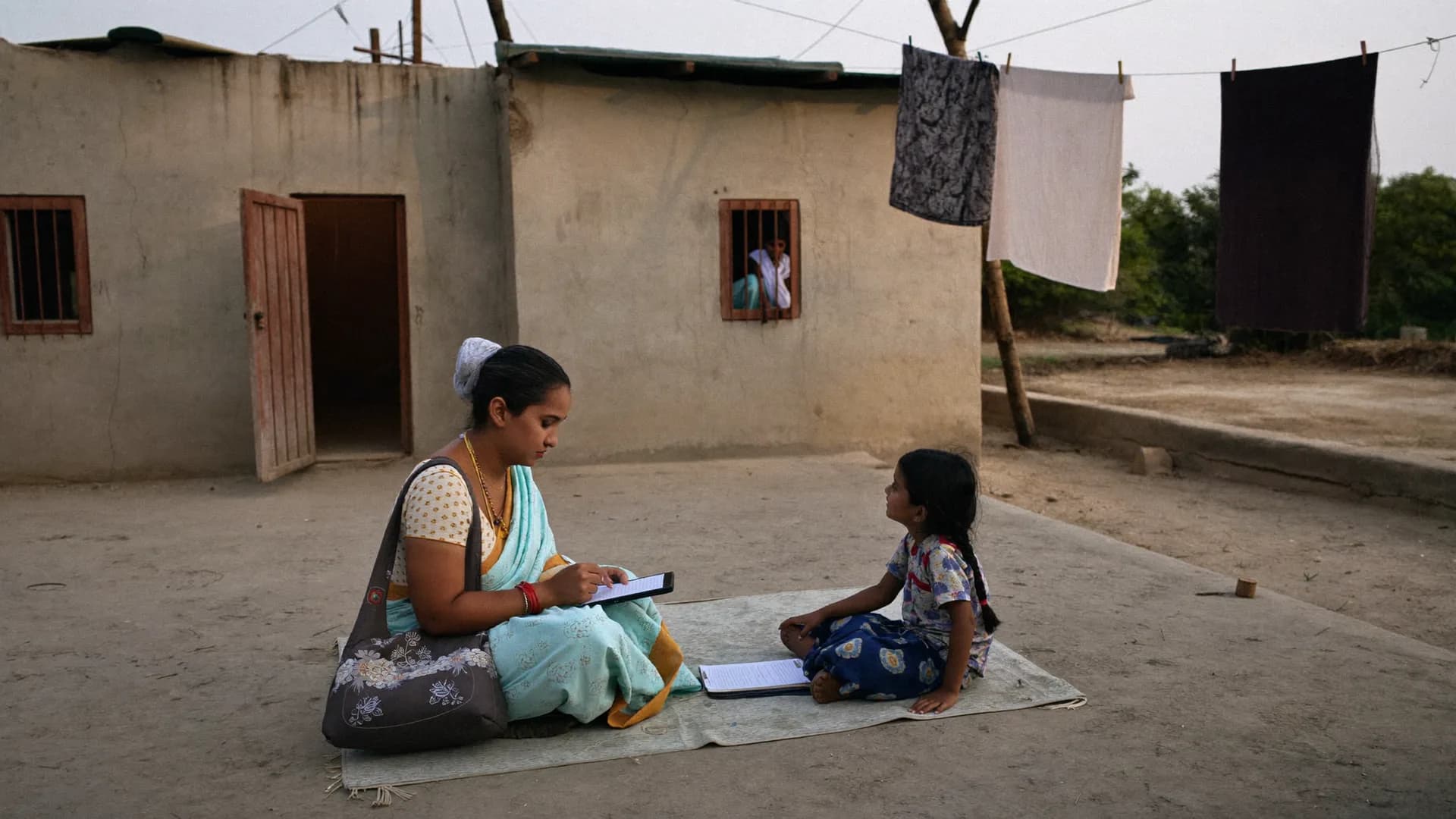
The three parts need different question types. Mixing them in one scale is the most common design error in KAP studies.
We start from the behaviours your programme wants to change and work backwards to the knowledge and attitudes that plausibly drive them. Standard items from published guides, such as WHO's guide to developing KAP surveys, are a starting point, not a template. Each item is translated, back-translated and piloted, and items that most respondents misunderstand or all answer the same way are dropped or rewritten.
Sensitive topics, including menstrual hygiene, family planning, tuberculosis stigma or domestic violence, need same-gender interviewers, a private setting and a clear consent script. Where a question could put a respondent at risk, it is removed or moved to a self-completed section on the tablet.
Knowledge items are scored and summed; attitudes are analysed as scales with reliability checked; practices are reported as the share doing the behaviour. The report shows the gap between each stage, by district, gender, age and other groups the programme targets, so communication can be aimed where it is needed.
Agree target behaviours and groups, draft items for each stage and set the sample by district and group.
Test wording, timing and sensitivity; drop or rewrite items that do not work.
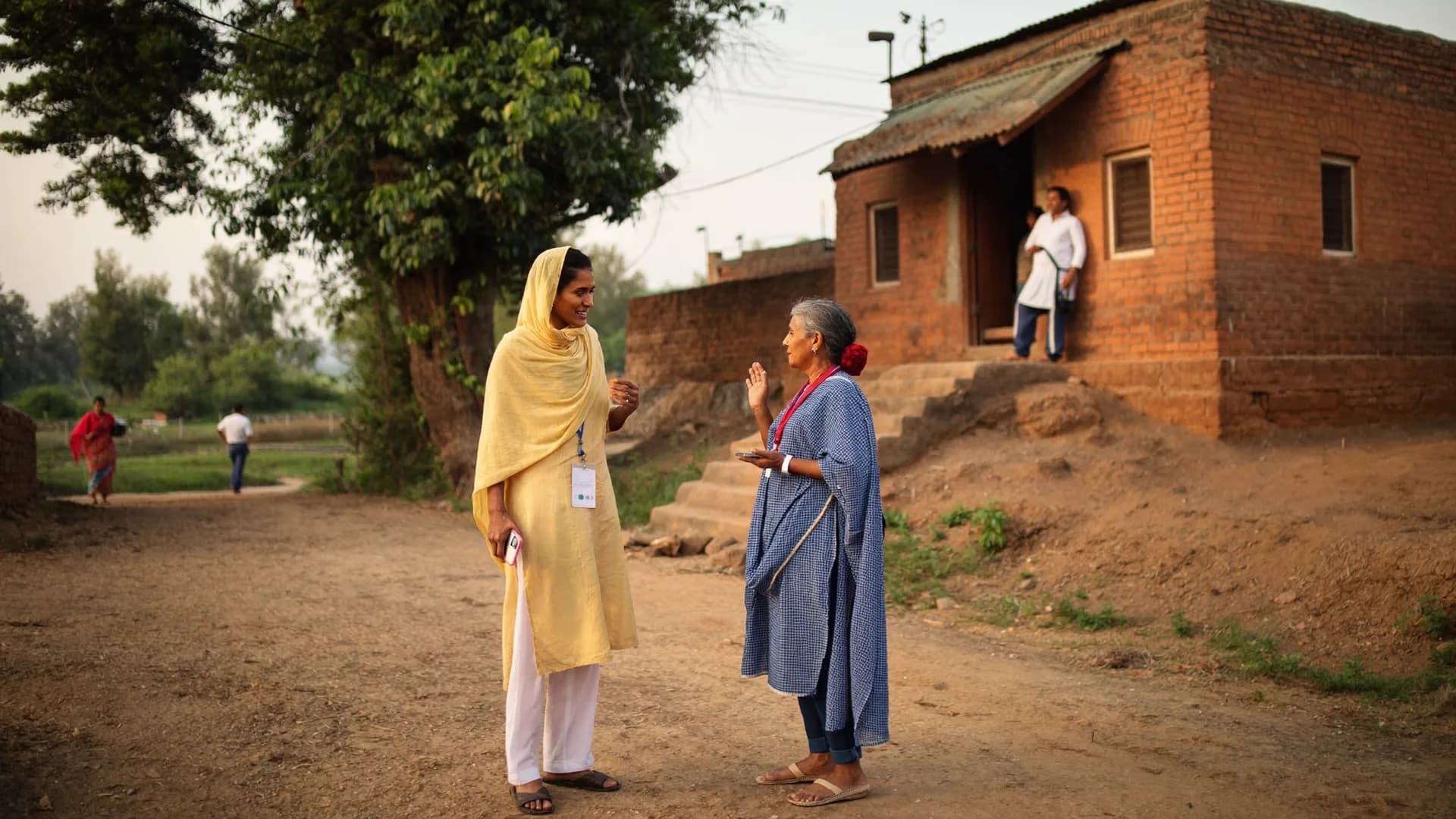
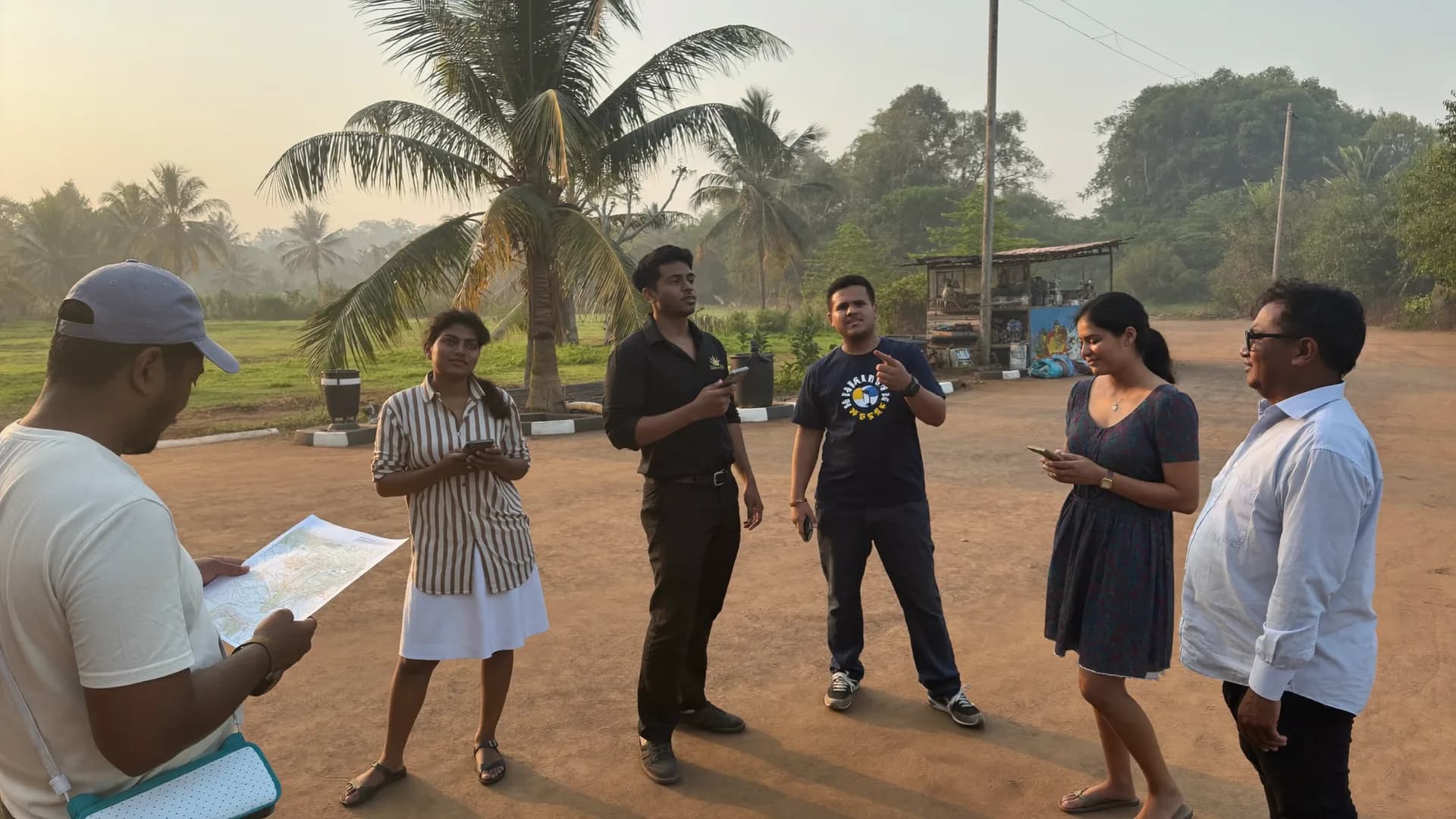
Same-gender interviewers where needed, consent recorded, GPS and time on each record, observation items where agreed.
Report the knowledge, attitude and practice gaps by group, with recommendations separated from findings.
Public and CSR service programmes often want to know both whether people changed behaviour and whether they were satisfied with the service that asked them to. The two can share one visit if kept distinct.
| KAP module | Satisfaction module | |
|---|---|---|
| Question it answers | Did people's knowledge, beliefs and behaviour change? | Was the service good enough to use again? |
| Typical items | Knowledge of the behaviour, perceived barriers, reported and observed practice | Access, waiting time, staff respect, information received |
| Question format | Scored knowledge items, agreement scales, recent-event questions | Rating scales and specific service experiences |
| Who answers | Target group, whether or not they used the service | People who used the service |
| How results are used | Adjust messages and remove barriers | Fix delivery and grievance handling |
Surveys and software for programmes.
Learn moreWhen you need to attribute change.
Learn moreOngoing programme M&E.
Learn moreRun your own KAP rounds.
Learn moreTrack indicators over time.
Learn moreShare topic, districts and groups.
Learn moreStraight answers to the questions people ask most about this topic.
A knowledge, attitude and practice survey measures what a population knows about a topic, what it believes, and what it does. It is used before and after behaviour change programmes to find which of the three is holding people back and to set baselines for later comparison.
It depends on the practices being measured, the precision you need and how many groups must be reported separately. A single district estimate needs fewer interviews than separate figures for women and men in several districts. We share the calculation with the proposal.
Reported practice tends to be overstated for socially desirable behaviours. We ask about specific recent events rather than habits, and where possible add observation items, such as soap and water at the handwashing place, to check reports.
Only partly. Comparing a baseline and an end-line KAP survey shows how knowledge, attitudes and practices changed. To say the campaign caused that change, you also need a comparison area that did not receive it, measured at the same times. We can design both rounds so that comparison is possible.
We start from published items where they fit, such as those in WHO's KAP survey guide, and adapt them to your behaviours, language and context. Every tool is piloted before fieldwork.
Share the topic, target groups and districts. We will reply with a draft item list, sample design and timeline.