Bharat Surveyभारत सर्वे
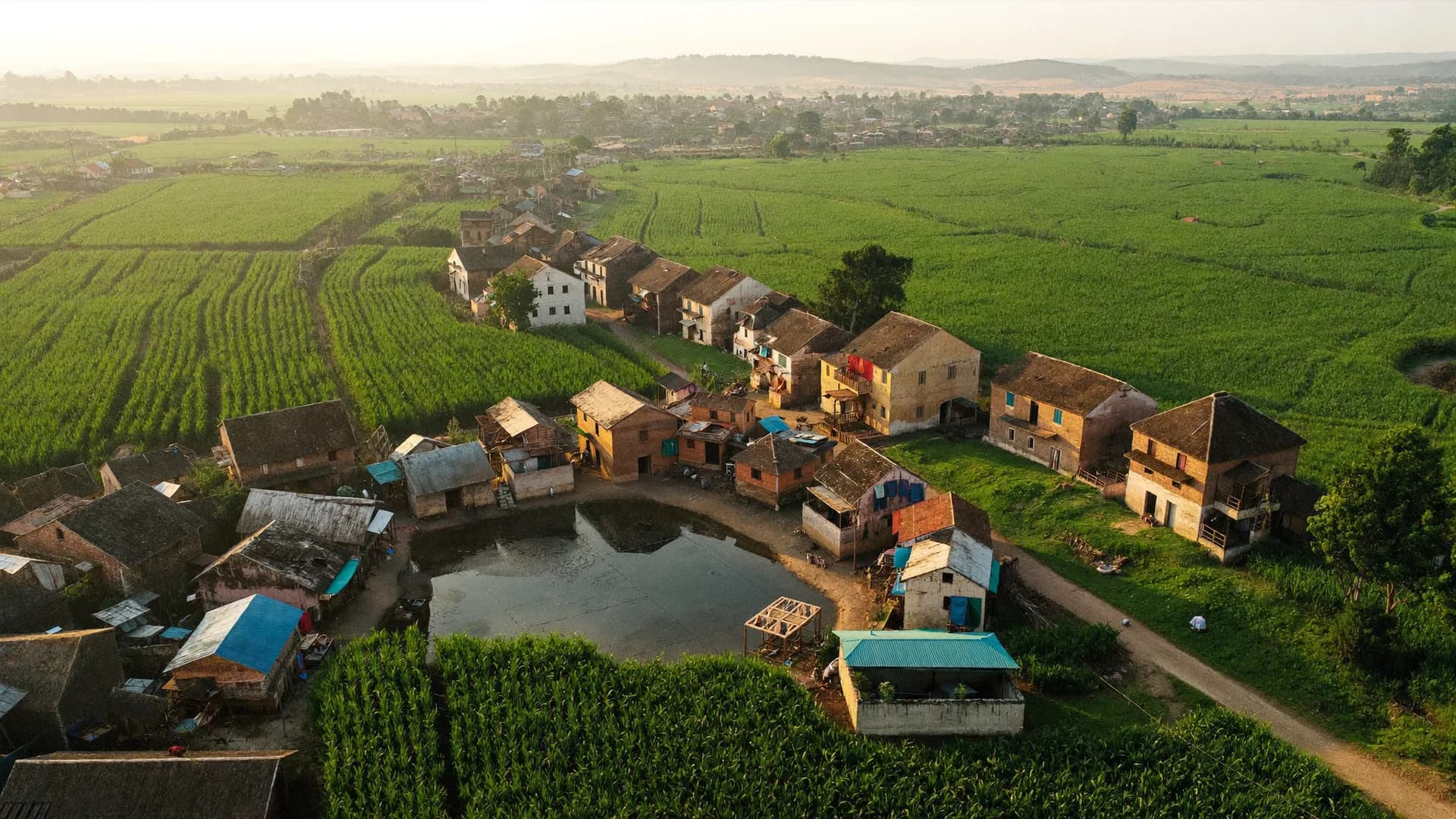
ऊपर से विधानसभा क्षेत्र के गाँव, खेत और कच्ची सड़कों का दृश्य
Election surveys · Parliament

Seat-level research for constituencies that span several assembly segments

Bharat Survey is a Lok Sabha election survey agency for candidates, party research cells, newsrooms and academic teams. A parliamentary seat covers several assembly segments, often mixing a city with rural blocks, and national themes sit next to very local ones. We sample by segment, interview in the voter's language with GPS-verified field teams, and report what the whole seat and each segment can honestly support.

  • Segment-wise samples inside each parliamentary seat
  • Hindi and regional-language questionnaires
  • Location, time and duration checks on every interview
  • Results with sample sizes and margins, not only percentages
Assembly-segment samplingMulti-phase schedulesUrban and rural blocksNational and local issuesPre-poll trackingExit poll embargoMargin of errorParty-neutral method
What makes a parliamentary seat hard

India elects 543 members to the Lok Sabha. Each seat is large enough that a single topline number can hide opposite trends inside it.

Geography

Several assembly segments in one seat

A parliamentary constituency is built from assembly segments that can vote very differently. We allocate the sample across segments first, so a strong urban segment cannot drown out three rural ones.

  • Allocation by segment
  • Clusters of polling stations within each
  • Segment estimates where sample allows
bharatsurvey.org/app/172/live
Ram Kumar · shift on
26.8467 N · 80.9462 E · ±12 m
14
Received
12
Accepted
1
Review
1
Outside
Issues

National mood versus local candidate

Voters weigh the prime ministerial choice, the party and the local MP differently. The questionnaire separates those questions instead of folding them into one preference item.

  • Leadership, party and candidate asked separately
  • Local issue list per segment
  • Past MP satisfaction
Retail audit · Wave 3 · 1,200 outletsUpdated 12s ago · sample
3,000
Target outlets
2,184
Visited
1,962
Audited
1,871
Accepted
Daily accepted auditsLast 12 days
Language

Interviews in the language people speak at home

A Hindi-only form will not work in many seats. Questionnaires are translated, back-translated and piloted in each language the seat needs before fieldwork starts.

  • Back-translation check
  • Pilot in every language
  • Same codes across versions
Survey 3/6 · AmenitiesOffline
How is drinking water in your area?
  • Comes regularly
  • Comes sometimes
  • Rarely / never
  • Don't know
✓ Section saved on phone · autosave
BackNext
Schedule

Multi-phase polling calendars

General elections run in phases. Survey rounds, silence periods and the exit poll embargo are planned against the phase in which your seat votes, not against the national start date.

  • Round dates tied to your phase
  • Section 126 silence respected
  • Section 126A embargo until the last phase
Outside area · 14.2 km away · in review
Choose the study

Most clients combine two or three of these across the campaign.

Lok Sabha survey types and outputs
StudyMain questionWhenOutput
Winnability surveyWhich prospective candidate has recognition and standing?Before ticketsRecognition, favourability, issue fit per name
Opinion pollWhere does the seat stand now?Campaign periodSeat and segment preference with margins
Pre-poll trackingIs anything moving?Two or three roundsChange charts with sample sizes
Exit pollHow did people vote today?Polling day of your phaseVote share estimate, released after the embargo
Post-poll analysisWhy did the result happen?After countingSegment and group-wise explanation

Our position on seat projections

Before and on polling day

A pre-poll survey for a parliamentary seat starts with the sampling frame. We use publicly available polling-station lists and past turnout by segment from the Election Commission to form clusters, then pick households within each cluster at random. No personal voter data is loaded into our systems, and interviewers never work from a list of names.

Interviews are short, usually 12 to 20 minutes, because longer forms raise refusals among exactly the people who are hardest to reach. Every record carries GPS position, start and end time and the interviewer's ID. Supervisors call back or revisit a share of respondents, and records from outside the assigned cluster go to review instead of into the result.

Weighting and reporting

Raw samples never match a seat perfectly. We weight by segment, gender, age band and urban or rural share using Census 2011 and published electoral roll totals, then publish unweighted counts alongside weighted percentages. Readers can see when a sub-group is too small to interpret.

Quality checks on every round

  • GPS inside assigned cluster
  • Minimum interview duration
  • Back-check on a fixed share
  • Interviewer-level pattern review
  • Unweighted bases published
Polling day and after

Exit interviews at sampled stations

Interviewers stand outside a random sample of polling stations and approach every nth voter leaving. The vote is recorded privately on the phone screen, followed by a few profile questions. Results are held until the Election Commission's Section 126A window for the whole general election closes.

  • Random station selection
  • Private vote entry
  • Hourly refusal counts
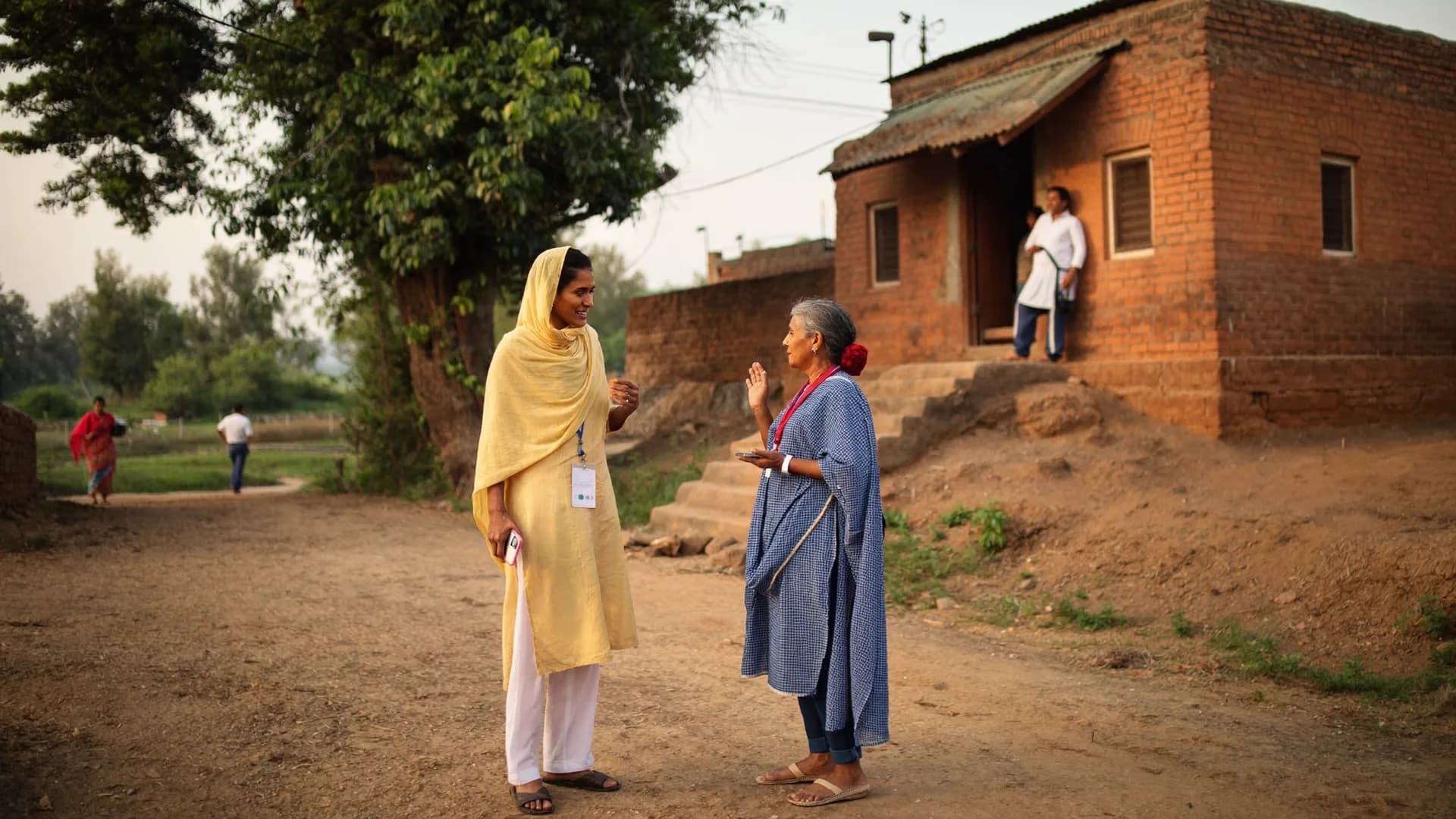
Lok Sabha election survey agency interviewer outside a polling station

Candidate standing study before tickets

For parties still choosing candidates, a winnability survey measures name recognition, favourability and issue fit for each shortlisted name. It says nothing about a named voter; it tells the party how the seat sees each option.

  • Shortlist-wise comparison
  • Segment breakdown
  • Neutral, same questions for each name
Retail audit · Wave 3 · 1,200 outletsUpdated 12s ago · sample
3,000
Target outlets
2,184
Visited
1,962
Audited
1,871
Accepted
Daily accepted auditsLast 12 days
Software and field support

Research stays neutral. These tools are for your own organisation, in a separate workspace.

Lok Sabha election booth management app

  • Volunteer area assignments across segments
  • Polling-day booth status posts
  • Issue alerts to the war room
  • Offline on Android, syncs later
  • No voter-roll uploads

Lok Sabha election voter survey app

  • Your own short doorstep surveys
  • Skip logic and validation
  • GPS and timestamp per record
  • Kept apart from neutral poll data
  • Exports to Excel or CSV

Lok Sabha election campaign management company support

  • Canvassing coverage by segment
  • Daily field report
  • War room dashboard
  • No rallies, ads or social media
  • No promise of outcomes

Not the right fit if

  • You need national seat forecasts from one constituency's sample
  • You want exit poll figures before the last phase has voted
  • You want profiling of named voters
  • The budget only allows a few hundred interviews for a whole seat with segment results

A good fit if

  • You need an honest seat and segment reading
  • You want tracking across a long campaign
  • Your seat needs more than one language
  • You want raw data and a method note, not only charts
FAQ

Straight answers to the questions people ask most about this topic.

How is a Lok Sabha survey different from a Vidhan Sabha survey?

A parliamentary seat contains several assembly segments, so the sample is first allocated across segments and the questionnaire separates national leadership, party and local candidate questions. The calendar is also tied to a multi-phase schedule, which changes when rounds and exit polls can be released.

How many interviews does a Lok Sabha seat need?

A seat-level estimate can work with around 1,000 to 2,000 interviews, but segment-wise figures need enough interviews in each segment. We calculate the size from the margin of error you want and the number of segments you need reported, then share that note with the proposal.

Can you cover many parliamentary seats at once?

Yes, as separate seat samples run on the same app and dashboard. The limit is usually time and budget for training field teams in each language, so we phase multi-seat studies and state that plan in the proposal.

Why choose you as a lok sabha election survey company?

Because every interview can be checked: location, time, duration and interviewer are on the record, back-checks are reported, and unweighted bases are published. We do not claim past clients or accuracy figures we cannot show; we show the method instead.

शाम के समय कस्बे का हवाई दृश्य
India Nationwide, Hindi-first

Tell us the constituency, its polling phase and the decisions you need to make. We will send a segment-wise sample design.