Bharat Surveyभारत सर्वे
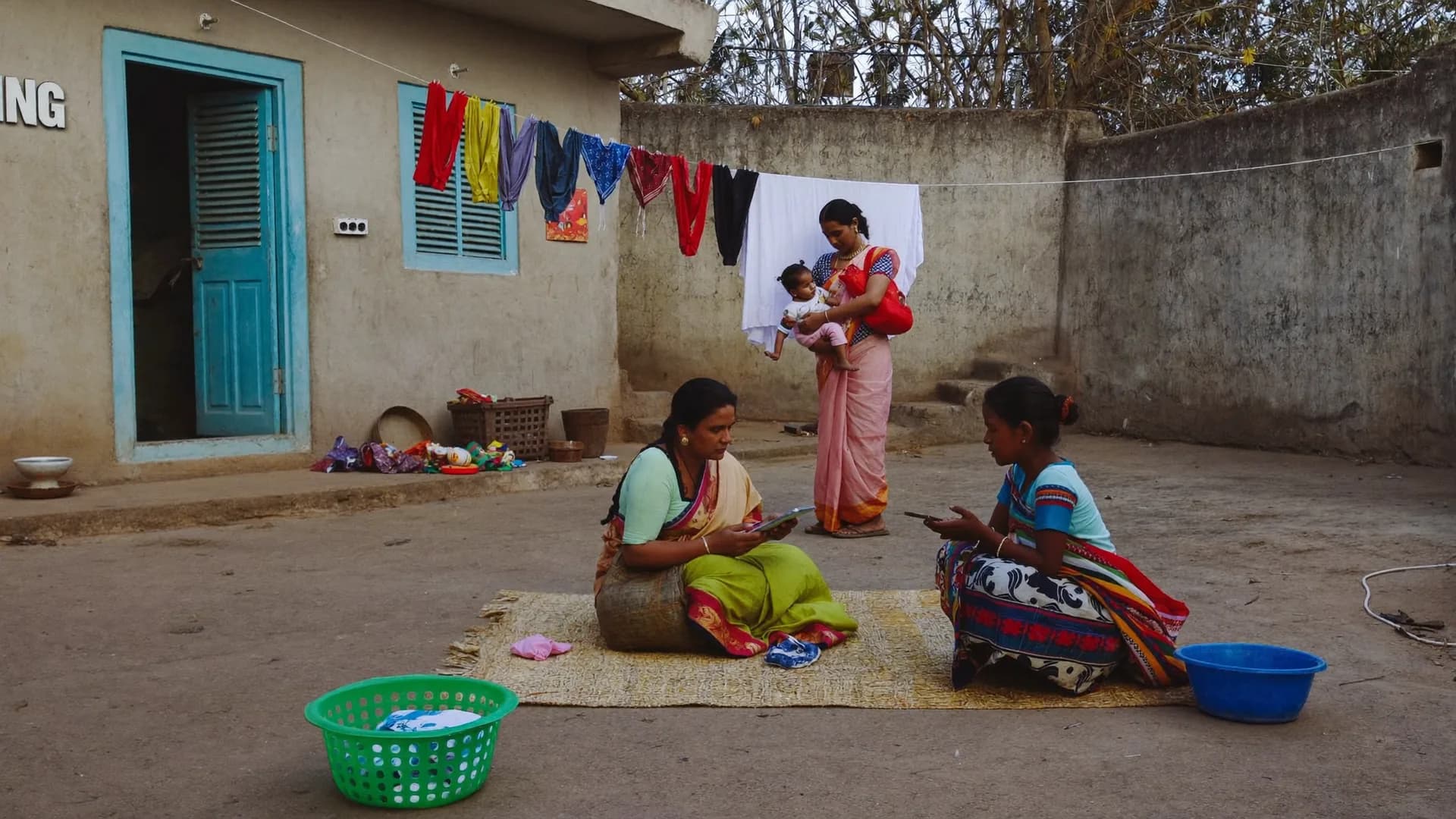
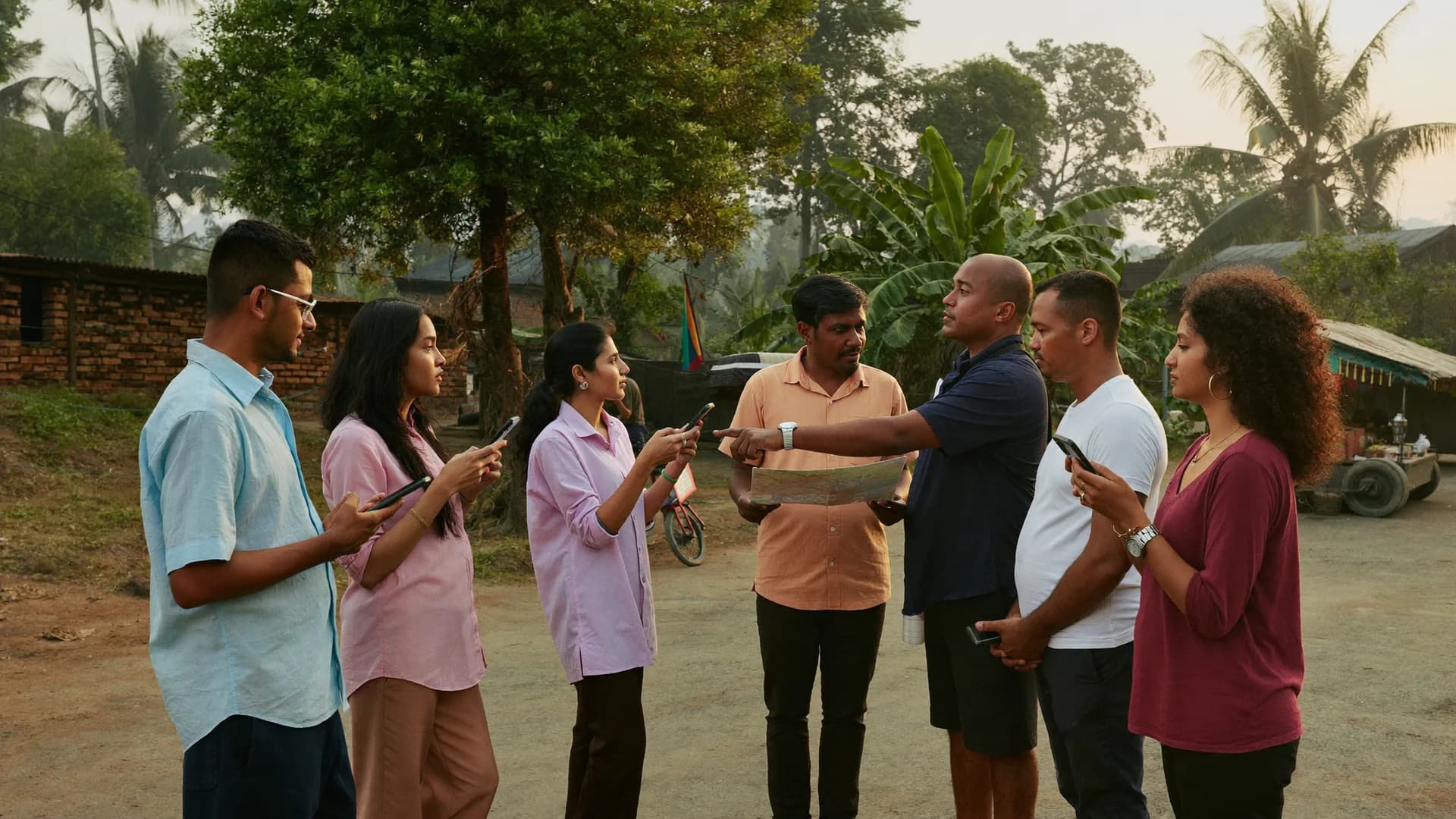
आँगनवाड़ी के बाहर महिलाओं के समूह से बात करती NGO कार्यकर्ता
Election surveys · Rural local bodies

Village, block and district-level polls that work where the network does not

Bharat Survey is a panchayat election survey agency for candidates for pradhan or sarpanch, block and zila parishad seats, and for party district units and researchers. Rural local body contests turn on hamlets, water, roads, scheme access and the candidate's personal standing. Our field teams interview on an offline Android app, every record carries GPS and time, and results are reported for the seat you are actually contesting.

  • Samples by hamlet and ward inside the panchayat
  • Offline interviews that sync when network returns
  • Questions for pradhan, ward, block and district posts kept separate
  • Hindi-first and local-language forms
Panchayat election survey agency
Sync
6
Safe on phone
8
Synced to server
Last sync12:40
Offline permit18 h left
Photos pending3
Sync now
Gram panchayat wardsHamlet-level samplesBlock and zila seatsOffline Android formsScheme access questionsReserved-seat awarenessState Election Commission rulesNeutral method
Where the work happens

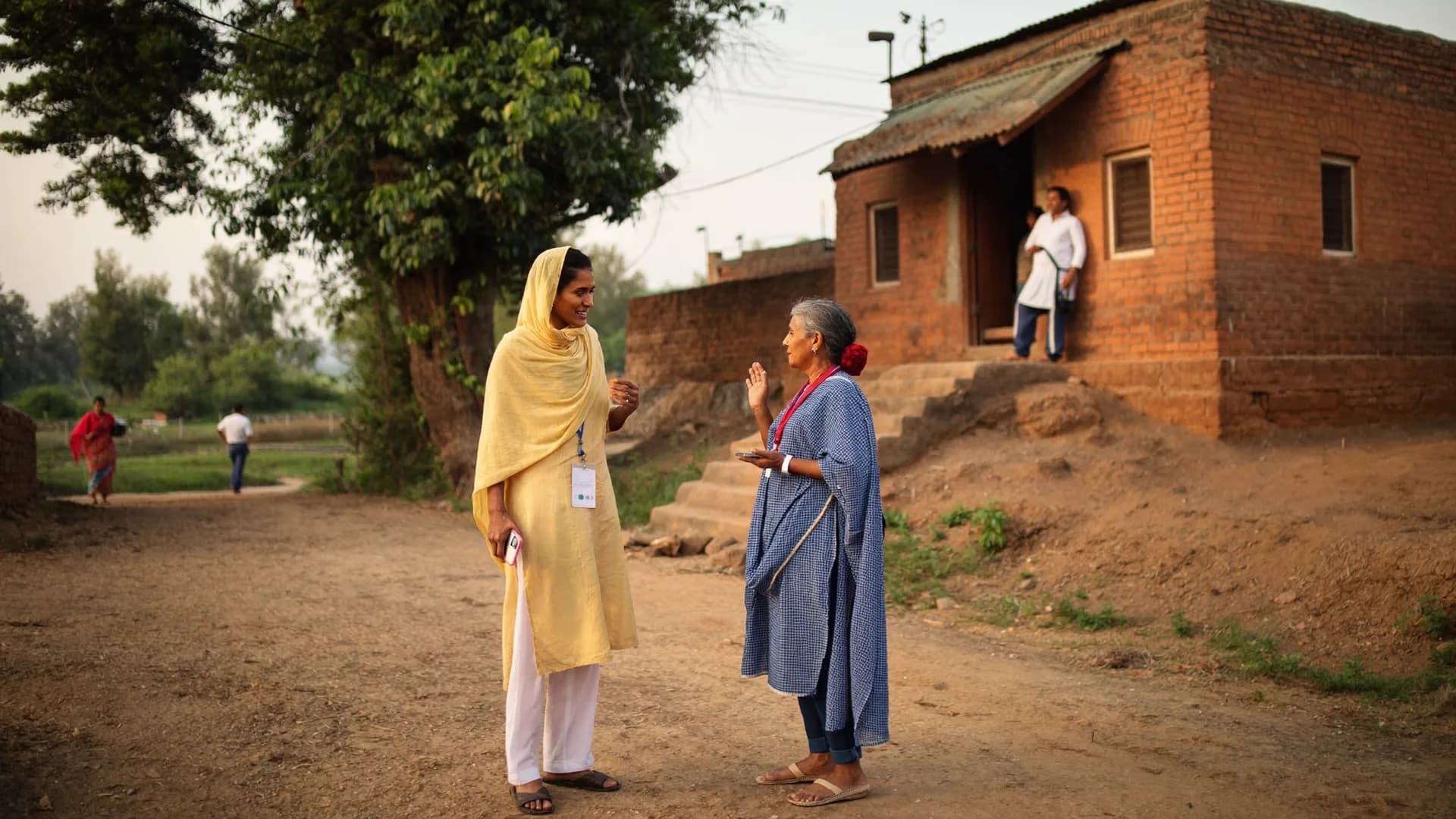
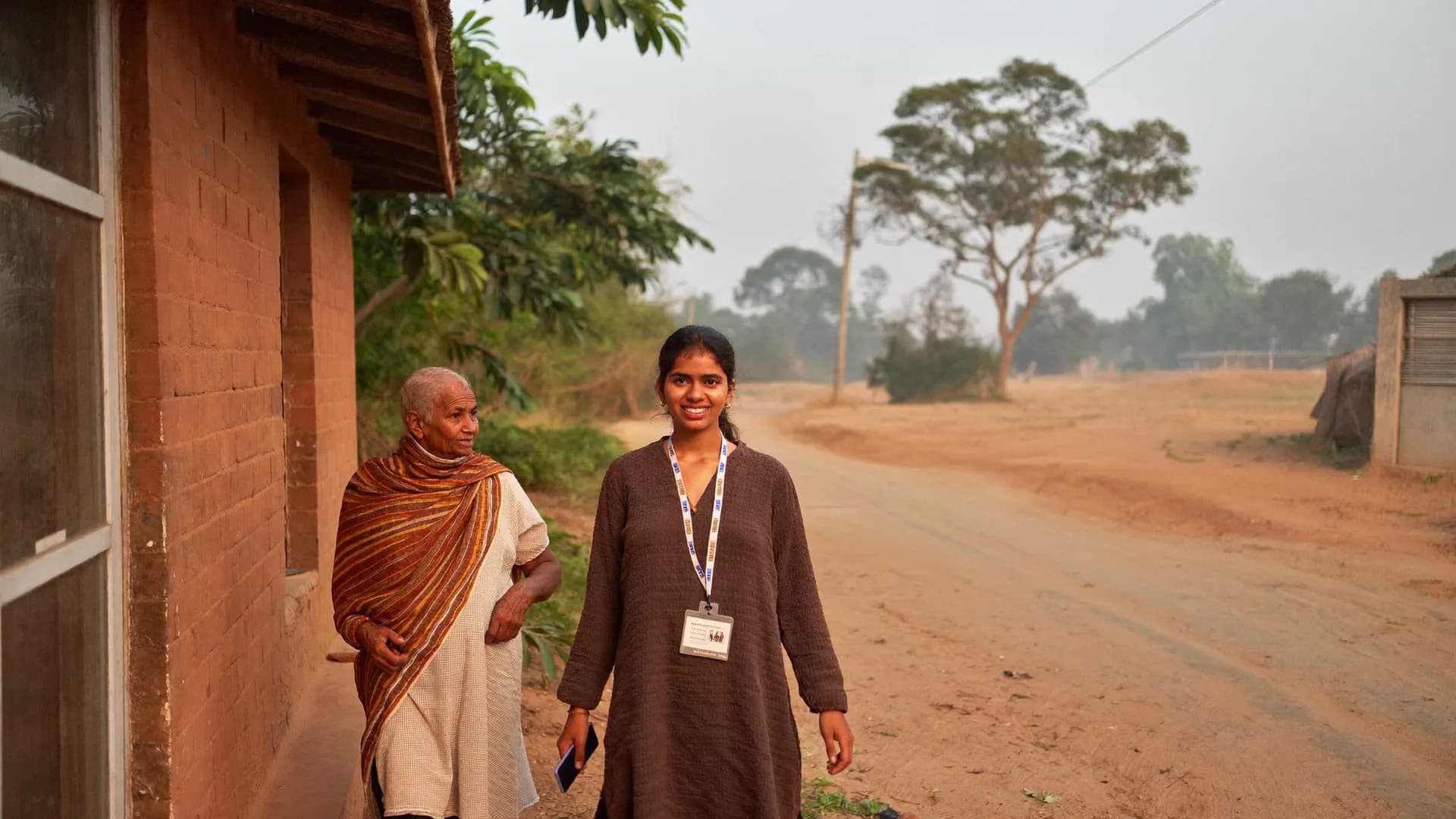
Panchayat polls are three contests at once in most states: gram panchayat, the intermediate block tier and the zila parishad. A voter can pick different people for each. Our teams go hamlet by hamlet, including the outlying tolas that a roadside survey skips.

Household interview
Household interview
Offline form
Offline form
Team briefing
Team briefing
Hamlet visit
Hamlet visit
How rural local body contests differ

Panchayats are set up under Part IX of the Constitution, and their elections are run by the State Election Commission under Article 243K. Rules on reservation, party symbols and campaign timing are set by each state.

The most common mistake in a panchayat election survey is treating it like an assembly poll. At gram panchayat level a candidate's family, caste networks, past work on the village road or handpump and the way scheme lists were handled often matter more than party. In several states candidates at this level do not contest on party symbols at all. We ask about the candidate as a person and about local delivery, and we keep party questions for the tiers where they make sense.

Sampling starts from the panchayat's own geography: revenue villages, hamlets and wards. Households are selected at random within each hamlet in proportion to its size, so the main village does not speak for the whole panchayat. Where a zila parishad seat spans many panchayats, we cluster by panchayat first.

Sensitive topics, handled neutrally

Rotation of reserved seats changes who can contest and often who voters expect to win. Questions about reserved categories are asked only where legally relevant, in neutral wording, and reported in aggregate. No individual's caste or vote is ever shared.

Questions we commonly include

  • Recognition of each candidate
  • Past work of sitting pradhan
  • Water, road and drainage in the hamlet
  • Access to housing, pension and ration schemes
  • Awareness of seat reservation
  • Intention to vote
Process

01

Map the panchayat

List villages, hamlets and wards using LGD codes and a quick field check. Mark areas that need a walk or a boat.
Days 1–3
02

Build and pilot the form

Questions for each tier, translated and tested in a nearby non-sample village. The form works fully offline.
Days 3–6
03

Interview by hamlet

Local enumerators interview selected households. GPS, time and duration are recorded, even without network.
Week 2
04

Check and report

Supervisors revisit a share of households. Results are weighted by hamlet size and reported per seat.
Week 3

Our view on village polls

Which seat, which study

Use this to match the tier you are contesting with a sensible survey size and scope.

Panchayat seats and how a survey is sized
TierTypical geographyMain survey questionHow we sample
Gram panchayat ward memberOne ward of a villageRecognition and local standingOften a near-census of households in small wards
Pradhan or sarpanchWhole gram panchayatPreference, past work, scheme accessRandom households per hamlet, weighted by size
Block tier member (panchayat samiti or BDC)Several panchayatsPreference and issue prioritiesPanchayats as clusters, households within
Zila parishad memberMany panchayats in a district wardPreference, party role, turnout intentTwo-stage cluster sample

Names of the tiers and whether the intermediate tier exists vary by state. Article 243B allows states with population under 20 lakh to skip the intermediate level.

Polling day and campaign tools

Exit interviews at village booths

Exit poll
Interviewers stand outside sampled polling stations and record the vote privately. Where ballot papers are used and several posts are on one day, the form asks about each post separately. Release follows SEC rules for that poll.
Panchayat election booth management app

Software
Your volunteers get ward and hamlet assignments, record canvassing visits and post polling-day booth status offline. No voter roll upload.
1
2
3
4
5
6
7
8
9
10
11
12
13
14
15
16
17
18
19
20
21
22
23
24
25
26
27
28
29
30
A strongB fairC weakD very weakNo report today

Panchayat election voter survey app

Software
Run your own short doorstep survey with volunteers. It syncs when the phone finds network and is labelled separately from our sampled survey.
Survey 3/6 · AmenitiesOffline
How is drinking water in your area?
  • Comes regularly
  • Comes sometimes
  • Rarely / never
  • Don't know
✓ Section saved on phone · autosave
BackNext

Panchayat election campaign management company support

Field support
For zila parishad or block candidates covering many villages: canvassing coverage by village and a daily field report. No rallies, ads or social media handling.

Not the right fit if

  • You want a named list of how households plan to vote
  • You need results the same day the schedule is announced
  • You want us to use the panchayat voter list
  • You expect the survey to guarantee a result

A good fit if

  • Your seat spans hamlets you cannot visit yourself
  • You need an outside, private read on your standing
  • You contest a block or zila seat across many villages
  • Your volunteers need an app that works without network
FAQ

Straight answers to the questions people ask most about this topic.

Who conducts panchayat elections?

Panchayat elections are conducted by each state's State Election Commission under Article 243K of the Constitution. The SEC notifies the schedule, reservation of seats and rules for the poll, so our survey timing and any exit poll release are checked against that state's orders.

Does a panchayat election survey work without mobile network?

Yes. Interviews are recorded fully offline on Android phones with GPS and time stamps, and the data syncs once the phone reaches network. Supervisors can still see where and when each interview happened.

Can you survey a whole block or district?

Yes. For block and zila parishad seats we sample panchayats as clusters and households inside them. The report gives the seat estimate and, where the sample allows, results by panchayat.

Do you ask about caste?

Only where it is relevant to reserved-seat awareness or analysis the client needs, in neutral wording, with consent, and reported in aggregate. We never share an individual household's answers.

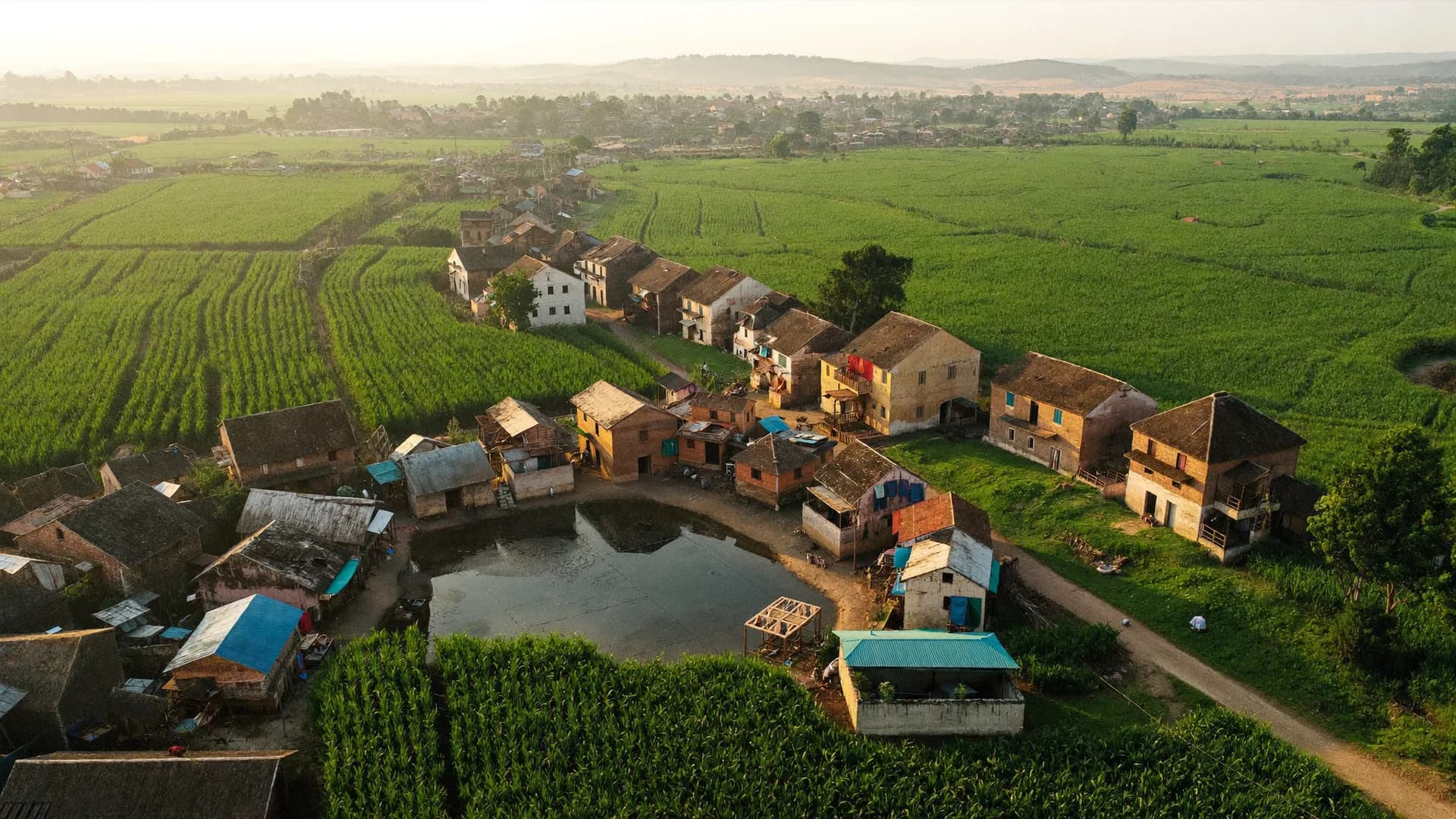
शाम के समय कस्बे का हवाई दृश्य
India Nationwide, Hindi-first

Send the district, block, post and expected polling month. We will reply with a hamlet-wise sample plan.