
Research for special electorates: graduates, teachers and local body members
Bharat Survey is a Vidhan Parishad election survey agency for candidates, party units and researchers in the six states that have a Legislative Council. Council seats are not decided by the general public. Graduates, teachers, elected local body members or MLAs vote, using the single transferable vote. We design screened samples for those electorates, record first and later preferences, and tell you plainly where a survey adds nothing.
- Screened samples of graduate and teacher voters
- Preference ranking, not just first choice
- Anonymous interviews with local body members
- Honest advice on seats a survey cannot read
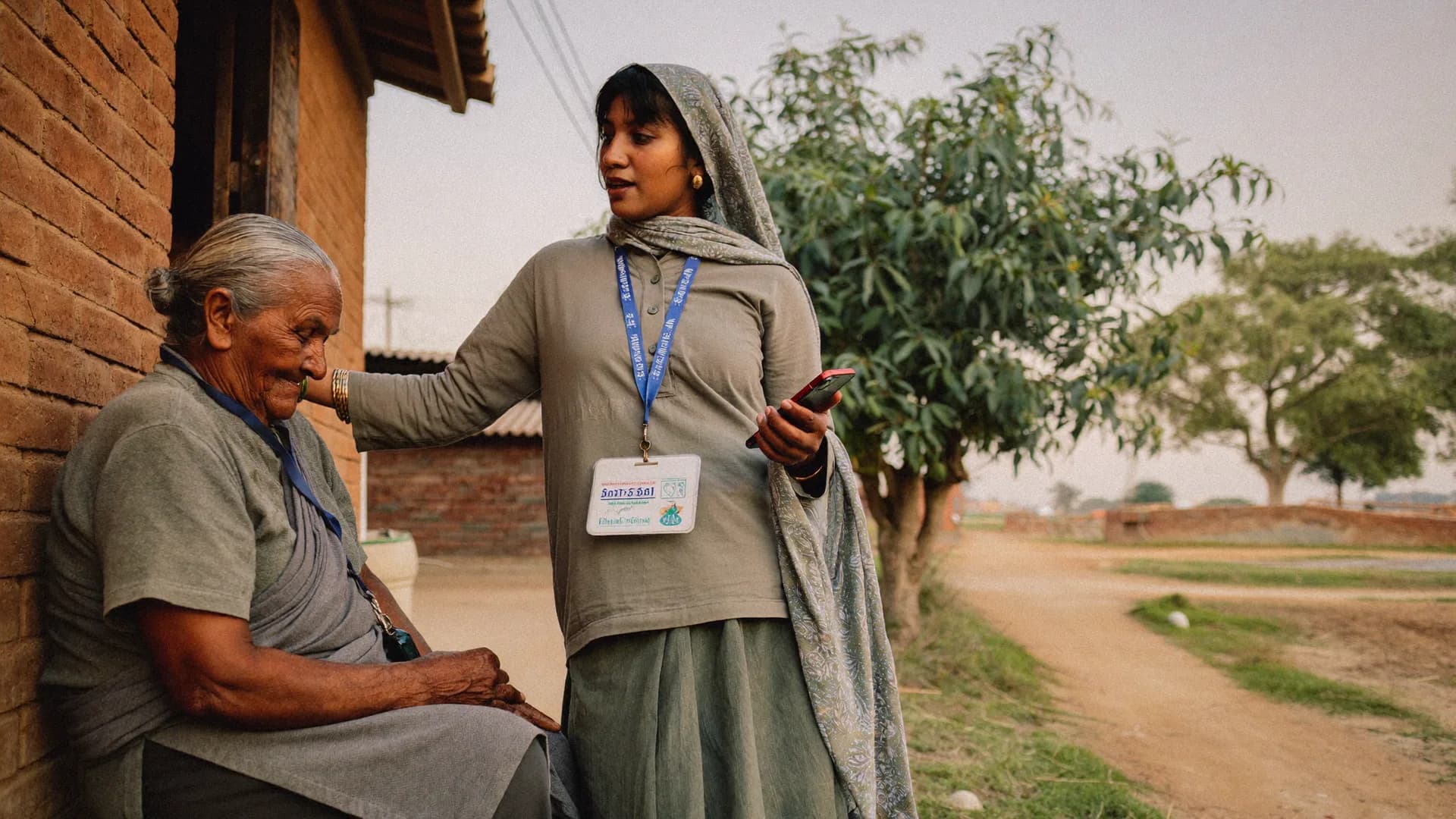
Hello, I am Ram Kumar. This survey is run by Sample Organisation. Purpose: to learn about amenities in your area. It is voluntary, and you can say no at any time.
Article 171 of the Constitution sets how council members are chosen. Andhra Pradesh, Bihar, Karnataka, Maharashtra, Telangana and Uttar Pradesh currently have a council. Each seat type needs a different research approach.
Graduates' constituencies
Teachers' constituencies
Local authorities' constituencies
Seats elected by MLAs
Council polls use proportional representation by single transferable vote. Voters rank candidates, and if nobody crosses the quota on first preferences, lower preferences are counted as candidates are eliminated. A poll that asks only for a first choice can point to the wrong winner. Our questionnaire records a full ranking and we simulate transfers on the weighted data.
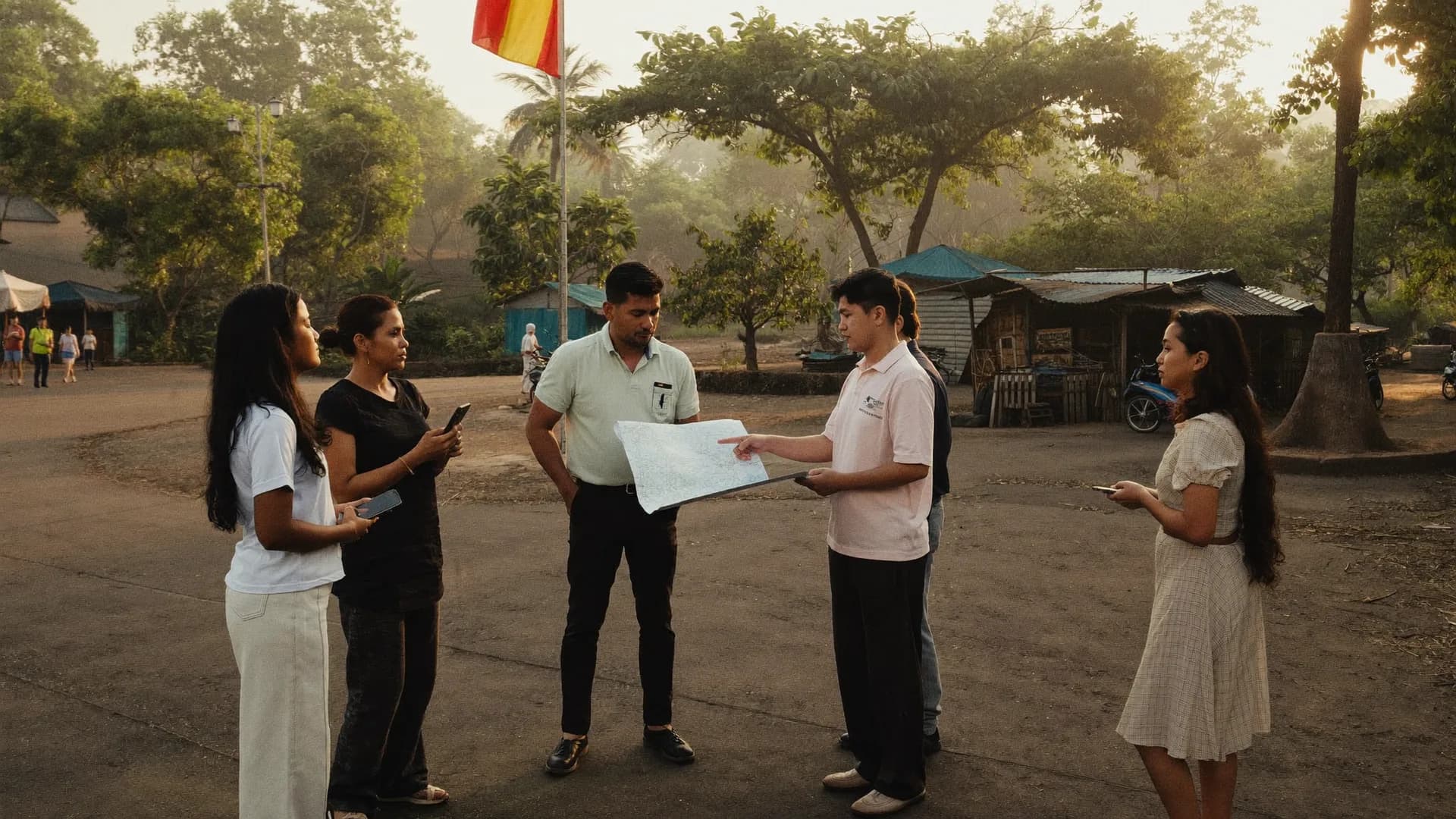
For graduates' and teachers' seats the hard part is reaching eligible voters without using the electoral roll's personal details. We use a screening question on enrolment and qualification, sample across districts in proportion to publicly reported electorate totals, and report how many screened people turned out to be enrolled. That share is itself useful: it shows how much enrolment work a campaign still has.
Local authorities seats
Elected local body members are few and well known. We interview them privately, never record names against answers in the dataset, and report only aggregates large enough that no member can be identified. If the electorate is too small to keep that promise, we advise against a survey.
What the report shows
- First-preference shares with margins
- Simulated transfer rounds
- Enrolment rate among screened eligibles
- Issues for graduates or teachers
- District-wise spread where sample allows
Vidhan Parishad election winnability survey
- Recognition among screened eligible voters
- Favourability for each shortlisted name
- Issue fit: pay, recruitment, pensions, jobs
- Preference ranking with transfers
- Same questions for every name
Pre-poll tracking
- Two rounds across the campaign
- Change in first preferences
- Change in second preferences
- Enrolment and intention to vote
- Unweighted bases published
Our position on council polls
Exit interviews at council polling stations
Vidhan Parishad election booth management app
Vidhan Parishad election voter survey app
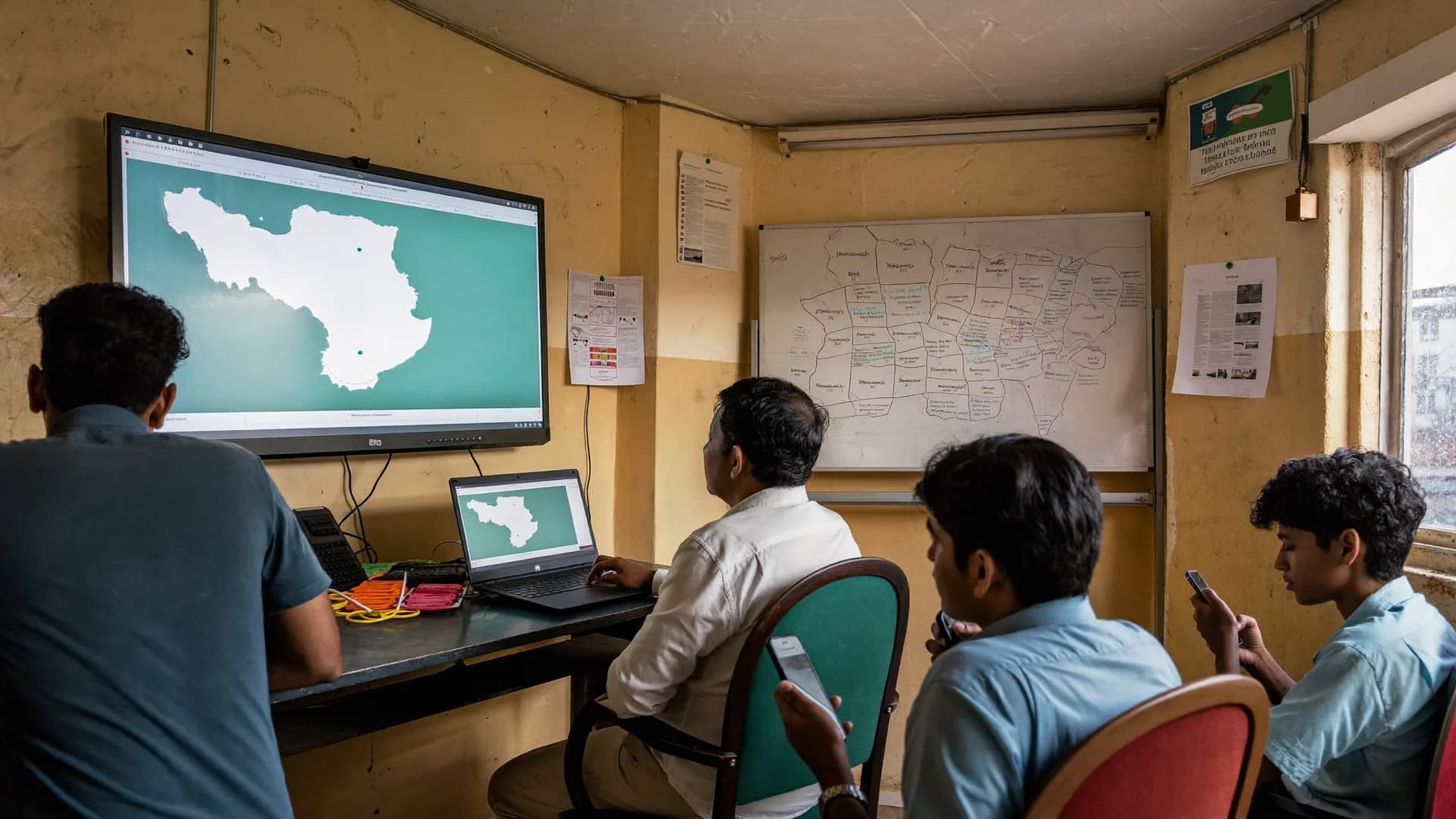
Vidhan Parishad election campaign management company support
Not the right fit if
- The seat is elected by MLAs and party numbers are already known
- A local authorities electorate is too small to keep answers anonymous
- You want the survey to use names from the graduates' roll
- You need a result guarantee
A good fit if
- A graduates' or teachers' seat spread over many districts
- A close race where second preferences may decide
- Candidates who need to know how many supporters are enrolled
- Researchers studying special electorates
Political survey solutions
All political research services.
Learn moreOpinion poll survey
Sampled pre-election polls.
Learn moreExit poll survey
Polling-day interviews and analysis.
Learn moreMedia poll partner
Field partner for newsrooms.
Learn moreराजनीतिक सर्वे
Political surveys in Hindi.
Learn moreContact
Tell us the state and seat type.
Learn moreStraight answers to the questions people ask most about this topic.
Which states have a Vidhan Parishad?
Six states currently have a Legislative Council: Andhra Pradesh, Bihar, Karnataka, Maharashtra, Telangana and Uttar Pradesh. Councils can be created or abolished by Parliament on a resolution of the state assembly, so check the current position for any state you are planning in.
How do you find graduate or teacher voters without the voter list?
We screen. Interviewers ask a short eligibility and enrolment question at homes and near colleges, schools and offices across the constituency's districts, then interview only eligible people. We report how many were screened and how many were enrolled.
Why do second preferences matter?
Council elections use the single transferable vote. If no candidate reaches the quota on first preferences, the lowest candidate is eliminated and their ballots transfer to the next preference. A close race can be decided in those later rounds, so we ask voters to rank candidates.
Can local body members be surveyed privately?
Yes, if the electorate is large enough. Answers are stored without names, reported only in groups and never shared at individual level. Where the group is too small to protect identities, we advise against the study.

Tell us the state, seat type and polling date. We will tell you honestly whether a survey will help and how we would run it.