
State government record
Recall and use of state schemes, law and order, prices and jobs, measured with specific questions instead of a single approval score.

Assembly seat research where the state government, the MLA and the street all get judged at once
Bharat Survey is a Vidhan Sabha election survey agency for MLA candidates, party state units, newsrooms and researchers. An assembly vote mixes three judgements: the state government's record, the chief ministerial choice and the local MLA's work. We sample each seat by polling-station cluster, interview with GPS-verified field teams, and separate those three judgements so the campaign knows which one is moving votes.
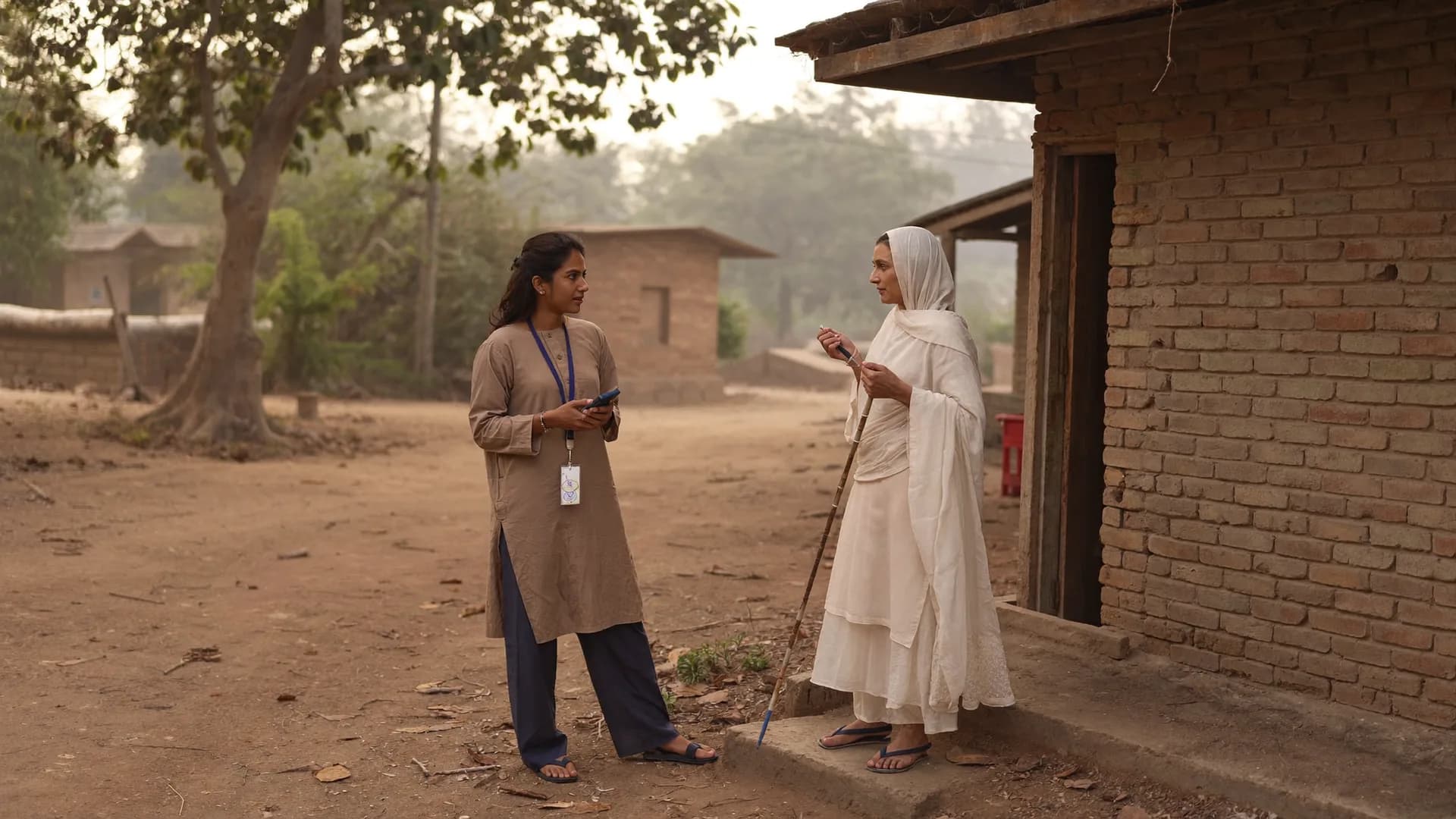
One preference question hides why people vote. We split it into the judgements voters actually make.
During a pre-poll round the campaign or newsroom sees interviews arrive on a map as phones sync. Each point is an interview with a time, an interviewer and a location check against the assigned polling-station cluster.
Points outside the cluster, very short interviews and repeated answer patterns are held for review. Nothing enters the result until a supervisor clears it.
Use the decision you face to pick the study.
| Study | Decision it supports | When | What you receive |
|---|---|---|---|
| Winnability survey | Which name gets the ticket | 6 to 12 months before | Recognition, favourability, issue fit for each shortlisted name |
| MLA report card | Whether the sitting MLA is in trouble | Any time in the final year | Satisfaction by area and issue, compared with the party's standing |
| Opinion poll | Where the seat stands | Campaign period | Preference with margin, issue ranking, turnout intent |
| Pre-poll tracking | Whether the campaign is moving voters | Two or three rounds | Change charts with sample sizes |
| Exit poll | Early vote share read | Polling day | Estimate released after the ECI window ends |
Parties shortlisting candidates for dozens of seats need comparable numbers, not dozens of different reports.
Recognition, favourability and issue fit are asked identically in every seat, so a score in one district can be compared with another.
Leaders see all seats together, sorted by margin and sample size, and can open any seat to see areas and issues.
Field teams move region by region. Each wave is reported when it closes so decisions do not wait for the last district.
Interviewers approach every nth voter leaving a random sample of stations and record the vote privately on the phone. Results stay embargoed until the Section 126A window notified by the Election Commission ends, which in multi-phase state elections is after the last phase.
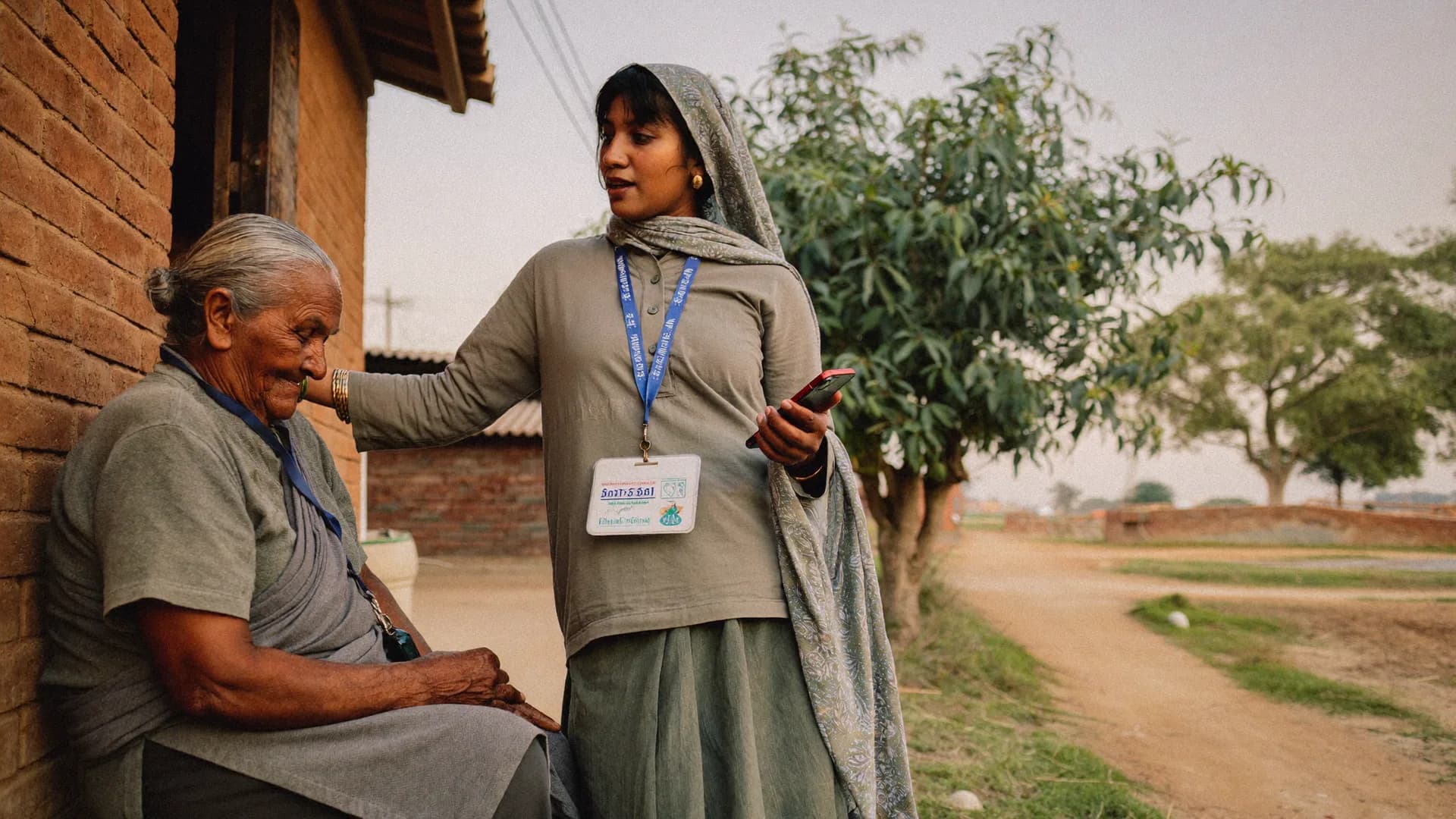
Volunteers receive booth-area assignments, log canvassing visits and post polling-day status on an offline Android app. We do not upload voter rolls and the app does not track individual voters.
Your own short doorstep surveys, run by volunteers, with GPS and time on every record. This data is labelled separately from our neutral poll.
Door-to-door canvassing coverage maps and a daily field report for the candidate. Rallies, advertising and social media are outside our scope.
All political research services.
Learn moreSampled pre-election polls.
Learn morePolling-day interviews and analysis.
Learn moreField partner for state news desks.
Learn morePolitical surveys in Hindi.
Learn moreShare the state and seats.
Learn moreStraight answers to the questions people ask most about this topic.
A seat-level estimate commonly uses 600 to 1,500 interviews. If you need results by block, ward or social group within the seat, each part needs enough interviews of its own. We calculate size from the margin of error you want and share it with the proposal.
Yes, in waves by region using one core questionnaire and one dashboard. Timelines depend on how many languages and field teams are needed; we set that out in the plan rather than promising a date before seeing the list of seats.
It measures how residents rate the sitting MLA's work, visibility and responsiveness, area by area and issue by issue, kept separate from party and leadership preference. It helps a party judge whether a seat's problem is the candidate or the government.
The method is the same whoever commissions the work: random household selection, rotated names, neutral wording and published margins. Each client's data is kept in its own workspace and never shared with another client.
Send the state, the seats and the decision you need to take. We will reply with a sample design and a wave plan.