
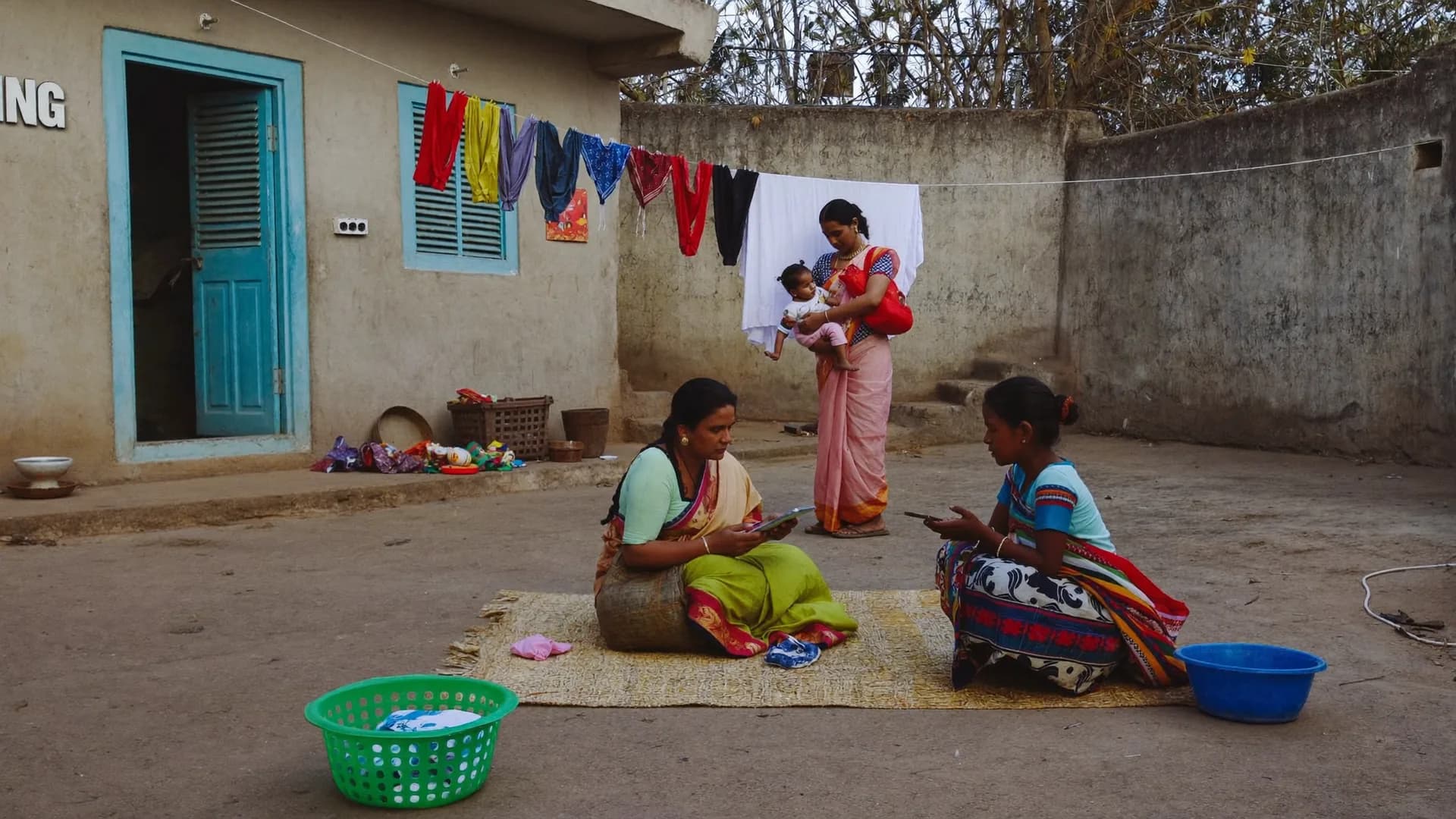
Learning levels in classrooms, placements after training, and the households in between
Bharat Survey is a survey agency for education and skill development NGOs, CSR foundations and education departments. We run one-on-one learning assessments with children, school and teacher surveys, and trainee tracking from enrolment to placement, in the child's or trainee's own language. Every record carries time and location, and supervisors re-check a share of assessments before results are released.
- Foundational literacy and numeracy assessments
- School, teacher and SMC surveys
- Trainee placement and retention tracking
- Baselines and endlines with comparison groups
- Comes regularly
- Comes sometimes
- Rarely / never
- Don't know
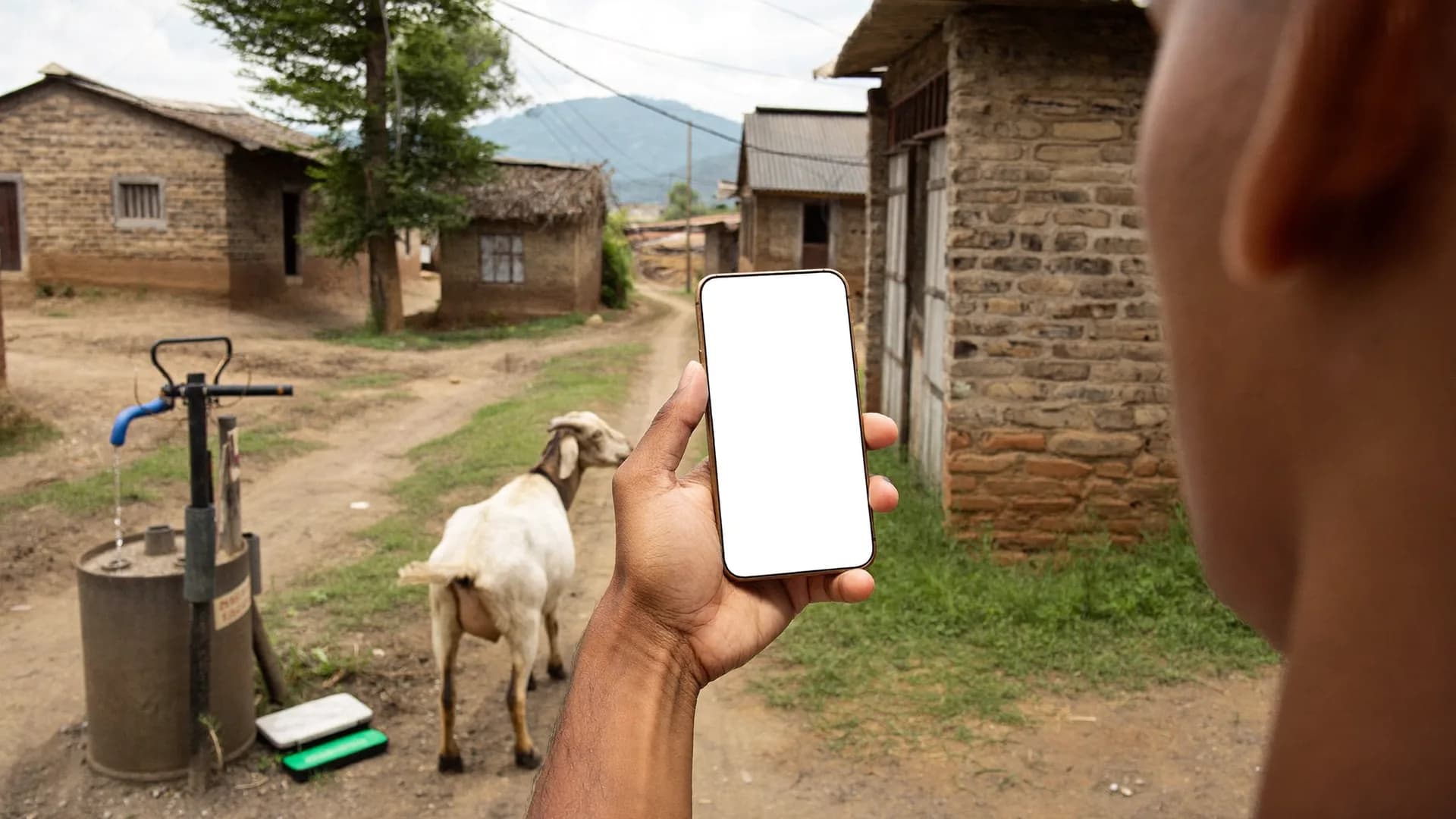
Education data is only as good as the person administering the task. A child who freezes in front of a stranger reads worse than she can.
Survey agency for public education quality and literacy assessment
School and classroom observation
Trainee outcomes after certification
The same agency, three very different field designs.
Public education quality and literacy assessment survey services India
The NIPUN Bharat mission aims for every child to reach foundational literacy and numeracy by the end of Grade 3 by 2026-27. Programmes working toward that goal need grade-level learning data at baseline and after each year. We run school-based or household-based assessments, depending on whether out-of-school children must be counted.
- Oral reading and number tasks
- Mother-tongue or medium-of-instruction versions
- Re-assessment of a share of children
School governance and infrastructure surveys
Visits to government and aided schools covering SMC functioning, teacher deployment and facilities, cross-checked against UDISE+ records where the department permits.
- Unannounced visit protocols
- Geo-tagged school photos
- Facility checklists
Data collection app for Education and Skill Development NGOs
Training partners use the app to register trainees, record attendance and assessment status, and run placement follow-up calls, all in one record per trainee.
- Trainee ID across rounds
- Placement proof fields
- Dropout reason codes
- Home 15 · RamlalDone
- Home 16 · SunitaDone
- Home 17 · LockedRevisit
- Home 18 · MohanFilling…
Our view on learning data
Sample and permissions
Assessor training and calibration
One-on-one assessment
Re-assessment checks
A baseline that measures only programme schools cannot show what the programme changed. We recommend comparison schools or blocks with similar profiles, the same tools at baseline and endline, and assessment timing matched to the same point in the academic year.
Independent evaluation for departments
When a department or funder needs a third party evaluation agency for public education quality and literacy assessment, independence matters: our assessors are not programme staff and do not report to the implementing NGO. Where the brief is only fieldwork, we act as a data collection agency for public education quality and literacy assessment and hand over raw data, tools and documentation for your analysts.
Handed over after each round
- Assessment tools and scoring rules
- Child-level anonymised dataset
- School and village summaries
- Re-assessment agreement report
- Field notes on access issues
| Consideration | School-based | Household-based |
|---|---|---|
| Covers out-of-school children | ||
| Cost per child assessed | Lower | Higher |
| Needs school permission | ||
| Captures home learning context | Limited | Yes |
| Best for | Programme schools | Village-level learning levels |
Not the right fit if
- Designing standardised national tests
- Certifying trainees or schools
- Replacing state or national achievement surveys
- Collecting children's Aadhaar numbers
A good fit if
- Independent learning assessments
- School and teacher surveys
- Trainee placement tracking
- Baseline and endline rounds with comparison groups
Straight answers to the questions people ask most about this topic.
Do you assess children in their mother tongue?
Yes, where tools exist or can be adapted and checked. We match the assessment language to the programme's medium of instruction or to the child's home language, as the study design requires, and record which version each child took so results are comparable.
How do you track trainees after a skilling programme ends?
Trainees are registered with consented contact details and an ID. Follow-up happens by phone and, for a sample, in person at three and six months, asking about job status, wages and retention. Unreachable trainees are reported as unreachable, not counted as placed.
Can you work in government schools?
Yes, with permission from the relevant education department or district authority, which the commissioning organisation usually obtains. Assessors follow school timings and do not disrupt classes beyond the agreed assessment time.
How many children should a learning baseline include?
It depends on how many grades, districts and comparison groups need separate results and on the change you expect to detect. We calculate this in the inception note and state the confidence it gives at each level.
Share your programme geography, grades or trades and reporting timeline. We will reply with a study design.