Bharat Surveyभारत सर्वे
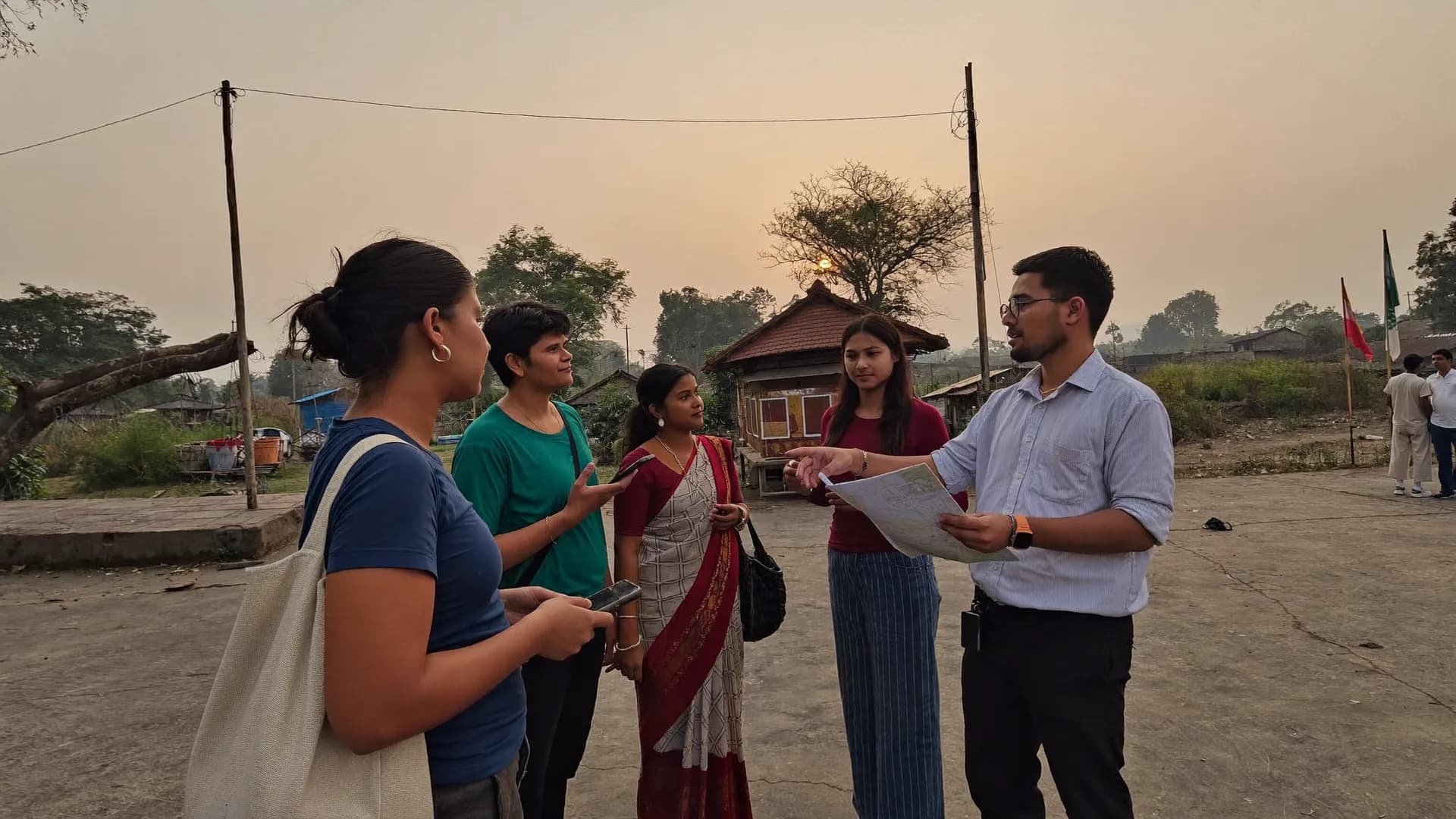
गाँव के चौक पर सुपरवाइज़र के साथ खड़ी फील्ड टीम — हर नामित सर्वेयर एक सीट
Guide · Budgeting a study

Cost drivers, quote lines and the questions to ask before you sign

If you are asking how much does a survey cost in India, the honest answer is that no single rate card exists. The budget comes from a handful of drivers: completed interviews, interview length, travel between sampling points, language, mode and how much verification you want. This guide shows each driver, how to read a quote and how to cut cost without cutting quality.

  • Seven drivers behind every survey budget
  • A quote reading table you can reuse
  • Why cheap per-interview rates often cost more
  • Our own pricing is on quotation
How much does a survey cost in India, and what are you paying for?
Home #17 · Visit outcome
  • Complete
  • Partial
  • Declined
  • No contact
  • Home locked
  • Revisit
Save
Retail audit · Wave 3 · 1,200 outletsUpdated 12s ago · sample
3,000
Target outlets
2,184
Visited
1,962
Audited
1,871
Accepted
Daily accepted auditsLast 12 days
Completed interviewsMinutes per interviewTravel daysLanguagesBack-checksReplacement rulesAnalysis scopePayment milestones
Quick answer

A survey budget in India is mostly people-time. Cost rises with the number of completed interviews, the minutes each takes, the distance field teams travel between clusters, the languages involved and the share of interviews that supervisors re-check. Design, programming, analysis and reporting add a fixed layer on top of the variable field cost.

Think of it as two budgets. The fixed part covers questionnaire design, translation, app programming, training and the report; it barely changes whether you interview 800 or 3,000 people. The variable part is field time: enumerator days, supervisor days, travel, stay and respondent contact attempts. Large samples spread the fixed part thin, which is why the cost per interview usually falls as the sample grows.

What does not show on most quotes is the cost of failure: interviews that must be redone because GPS shows the enumerator never reached the village, or a questionnaire that confused respondents and had to be re-fielded. Paying for checks up front is usually cheaper than paying for a second round.

Have these ready before asking for quotes

  • Target respondents and geography
  • Sample size or precision needed
  • Draft questionnaire or topic list
  • Languages
  • Field window and deadline
  • Deliverables: data, tables, report
Cost drivers

Each card is a lever. Change one and the quote moves; ask a vendor which lever explains any line you do not understand.

Driver 1

Completed interviews

The sample size, counted as finished and accepted interviews, not attempts. Rural door-to-door work may need two or three visits to finish one interview.

  • Attempts versus completes
  • Refusal and not-at-home rates
  • Sub-group quotas
Home #17 · Visit outcome
  • Complete
  • Partial
  • Declined
  • No contact
  • Home locked
  • Revisit
Save
Driver 2

Interview length

A 12-minute interview and a 45-minute interview are different products. Longer interviews cut the number an enumerator can finish each day, and fatigue lowers answer quality.

  • Timed in the pilot
  • Modules that can be cut
  • Consent time included
Survey 3/6 · AmenitiesOffline
How is drinking water in your area?
  • Comes regularly
  • Comes sometimes
  • Rarely / never
  • Don't know
✓ Section saved on phone · autosave
BackNext
Driver 3

Spread of the sample

Ten interviews in each of 200 villages costs far more than 50 in each of 40, because travel days replace interview days. Clustering saves money but widens the margin of error.

  • Number of clusters
  • Distance between clusters
  • Terrain and season
Retail audit · Wave 3 · 1,200 outletsUpdated 12s ago · sample
3,000
Target outlets
2,184
Visited
1,962
Audited
1,871
Accepted
Daily accepted auditsLast 12 days
Driver 4

Language and respondent type

Each language needs translation, back-translation and interviewers who speak it. Doctors, business owners and officials take longer to reach than households.

  • Translation rounds
  • Specialist respondents
  • Appointments and callbacks
Driver 5

Mode of data collection

Face-to-face with an app, telephone and online panels have very different cost structures. Mode also changes who you can reach, so price alone should not decide it.

  • CAPI, CATI or CAWI
  • Device and connectivity needs
  • Coverage of the target group
Driver 6

Verification and back-checks

GPS and time stamps, audio consent, photo evidence and supervisor revisits all add cost. They are also what lets you trust the data in front of a funder or a board.

  • Share of interviews re-checked
  • Rejected interviews replaced
  • Daily quality review
Location evidence
Survey #BS-0412
  • In areaInside approx. boundary
  • Accuracy±12 m
  • Time09:42 · fresh fix
  • Mock GPSNot detected
  • Interview length11 min
Added to accepted count
Driver 7

Analysis and reporting depth

Clean data with a codebook is one deliverable. Weighted tables, district-level estimates, dashboards and a written report with recommendations are several more.

  • Weighting
  • Cross-tabs and charts
  • Presentation rounds
Per respondent

Market research cost in India varies because a respondent is not a fixed unit. A short intercept interview in a city market, a 40-minute household interview in a remote block and a scheduled interview with a hospital buyer can differ several times over in field effort, even though each counts as one respondent.

What a per-respondent quote hides

A single per-respondent figure bundles incidence (how many people you screen to find one eligible respondent), interview length, travel and checks into one number. When incidence is low, say owners of a specific appliance brand, most field time goes into screening people who do not qualify. Ask the vendor to state the incidence they assumed; if the real figure is lower, the cost or the timeline will change.

Consumer, B2B and hard-to-reach studies

Consumer studies in towns usually have high incidence and short travel. B2B studies need appointments, senior interviewers and repeated follow-ups. Studies of migrant workers, tribal households or patients need careful consent and often a local guide. Each category should be costed separately rather than averaged into one rate.

Ask every vendor

  • Assumed incidence rate
  • Assumed minutes per interview
  • Number of clusters or towns
  • Share of interviews back-checked
  • What happens if assumptions are wrong
Read a quote

Put quotes from different agencies into the same table before comparing totals. A lower total often means a missing line, not a cheaper study.

A comparison table for survey quotations from different agencies
Quote lineWhat it should stateRed flag
Design and questionnaireNumber of drafts, who signs off, pilot includedNo pilot mentioned
TranslationLanguages, back-translation, who checks"Translation included" with no process
ProgrammingApp or platform, skip logic, range checksPaper forms with later data entry, unpriced
TrainingDays, trainer, mock interviews, testHalf-day briefing only
FieldworkCompleted interviews, clusters, days, supervisorsPrice per attempt rather than per complete
Quality controlBack-check share, GPS, audio, rejection ruleNo rejection or replacement rule
Data and analysisClean data, codebook, tables, weightingRaw export only
Report and presentationPages or format, revision roundsUnlimited revisions promised at no cost
Taxes and payment termsGST treatment, milestonesFull advance before fieldwork plan

Use the same sample size, interview length and deliverables in every request so the totals are comparable.

Household fieldwork

Door to door survey cost per household is driven less by the interview itself than by getting to the door. Travel between villages, finding the sampled house, revisiting when nobody is home and supervisor back-checks can take more field time than the conversation, especially in hilly, flooded or sparsely populated areas.

A day in the field, costed

Ask the vendor to walk you through one enumerator day. It shows whether the budget is realistic.

  1. Travel from base to the cluster, often one to two hours.
  2. Household listing or locating sampled houses.
  3. Interviews, with time for consent and callbacks.
  4. Sync, supervisor review and flagged records.
  5. Travel back or overnight stay near the next cluster.

Why the same household costs more in some districts

Enumerators in dense urban wards may finish many more interviews a day than colleagues in scattered hamlets, and monsoon months cut field days further. Local-language needs, security clearances and gated housing societies in cities also add time. A vendor who quotes one national rate for every district is either averaging heavily or has not planned the route.

Our view on survey pricing

Save money safely

Most savings come from design choices made before fieldwork, not from bargaining over the per-interview rate.

Safe to trim

  • Questions no analysis will use
  • Extra districts with no decision attached
  • Long narrative reports nobody reads
  • Separate paper data entry: use an app

Trim with care

  • Number of clusters (widens error)
  • Sub-group quotas
  • Interview languages
  • Field window during festivals or harvest

Do not trim

  • Pilot testing
  • Enumerator training days
  • Back-checks and GPS evidence
  • Consent and data protection

Not the right fit if

  • A per-interview rate that applies to every study: none exists
  • Our price list: our pricing is on quotation after scoping
  • Numbers copied from other agencies' quotes
  • A promise that the lowest bid will deliver the same data

A good fit if

  • Preparing a scope before you ask for quotes
  • Comparing two or three proposals fairly
  • Explaining a budget to a finance team
  • Deciding which cost lever to pull first
FAQ

Straight answers to the questions people ask most about this topic.

What will it cost to conduct a huge survey in India?

A national or multi-state survey is priced from the same drivers as a small one, but travel, languages, supervision layers and data management grow quickly. Budget separately for design, each state's fieldwork and central quality control. Ask for a state-wise breakdown so you can drop or phase regions if the total is too high.

Is cost per respondent the best way to compare quotes?

Only when every quote assumes the same interview length, incidence, geography and checks. Otherwise a low per-respondent rate may hide fewer back-checks, attempts counted as completes or missing analysis. Compare line by line using the same scope, then look at the per-respondent figure.

Why do online surveys cost less than door-to-door surveys?

Online surveys remove travel and enumerator time, so field cost is lower. They also reach a narrower population: people who are online, literate in the survey language and willing to join panels. For rural households, older people or low-income groups, a cheaper online sample may not represent the people you need.

Where can I see real government survey budgets?

Central government tenders and award details are published on the Central Public Procurement Portal and GeM. Reading awarded contracts for similar studies gives a realistic public benchmark. Check scope, sample and duration before comparing, because tender values include deliverables that vary widely.

How does Bharat Survey price a project?

Software is priced by seats and field projects are priced on quotation after scoping. We ask for the respondent group, geography, sample, interview length, languages and deliverables, then send a line-by-line proposal showing the assumptions behind each figure.

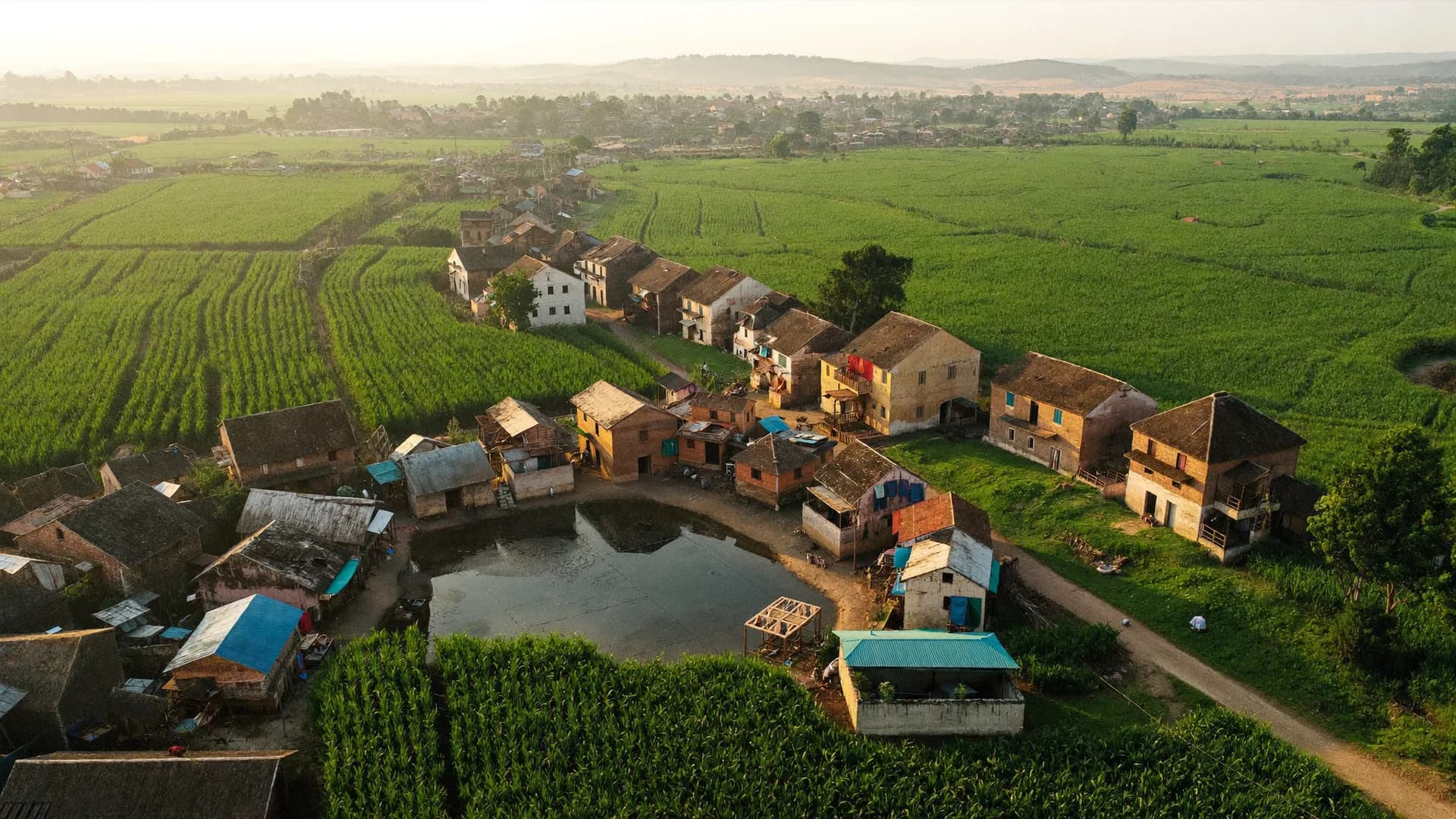
शाम के समय कस्बे का हवाई दृश्य
India Nationwide, Hindi-first

Share the respondents, geography, sample and deliverables. We will send a line-by-line proposal with every assumption written down.