Bharat Surveyभारत सर्वे
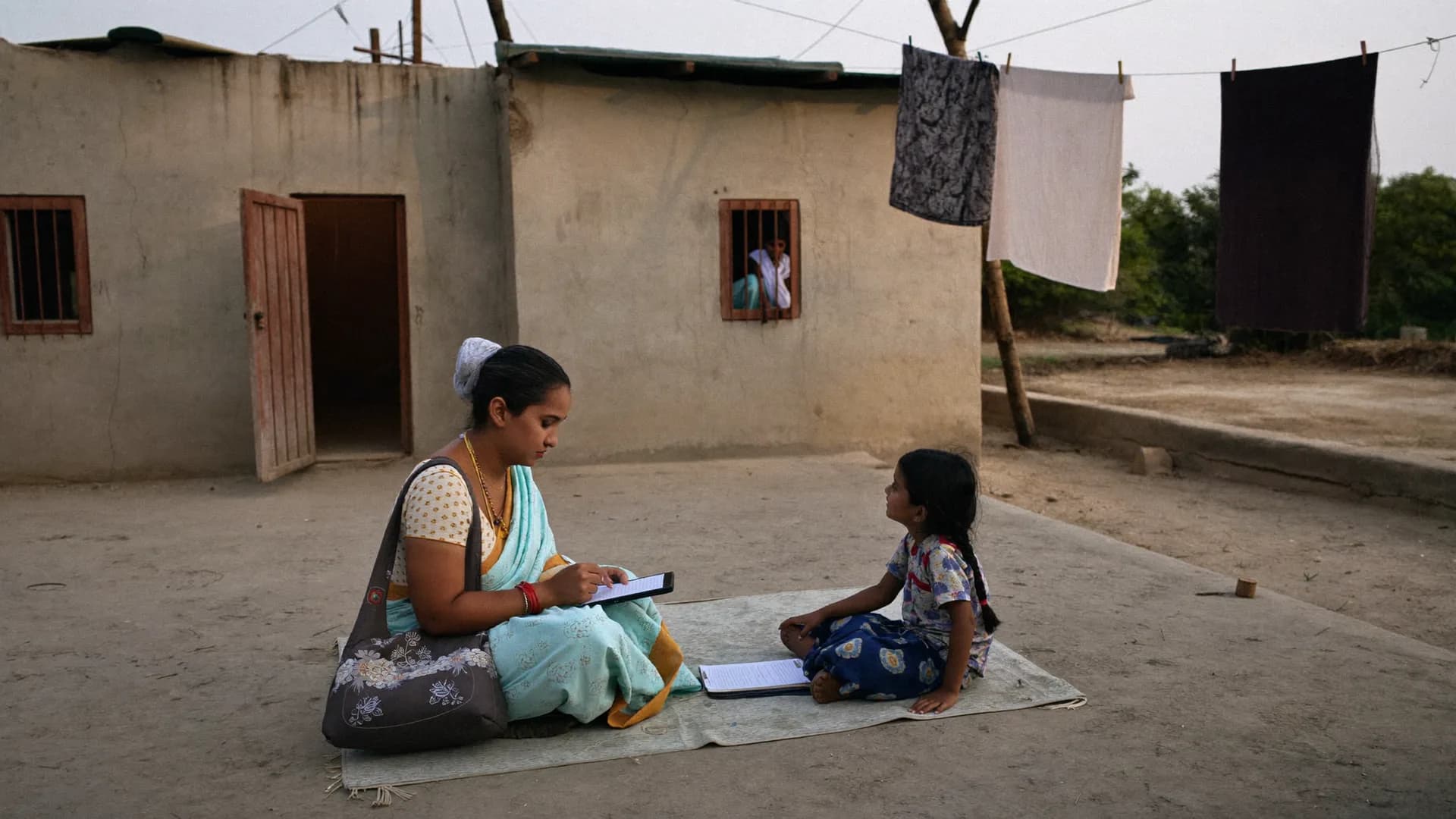
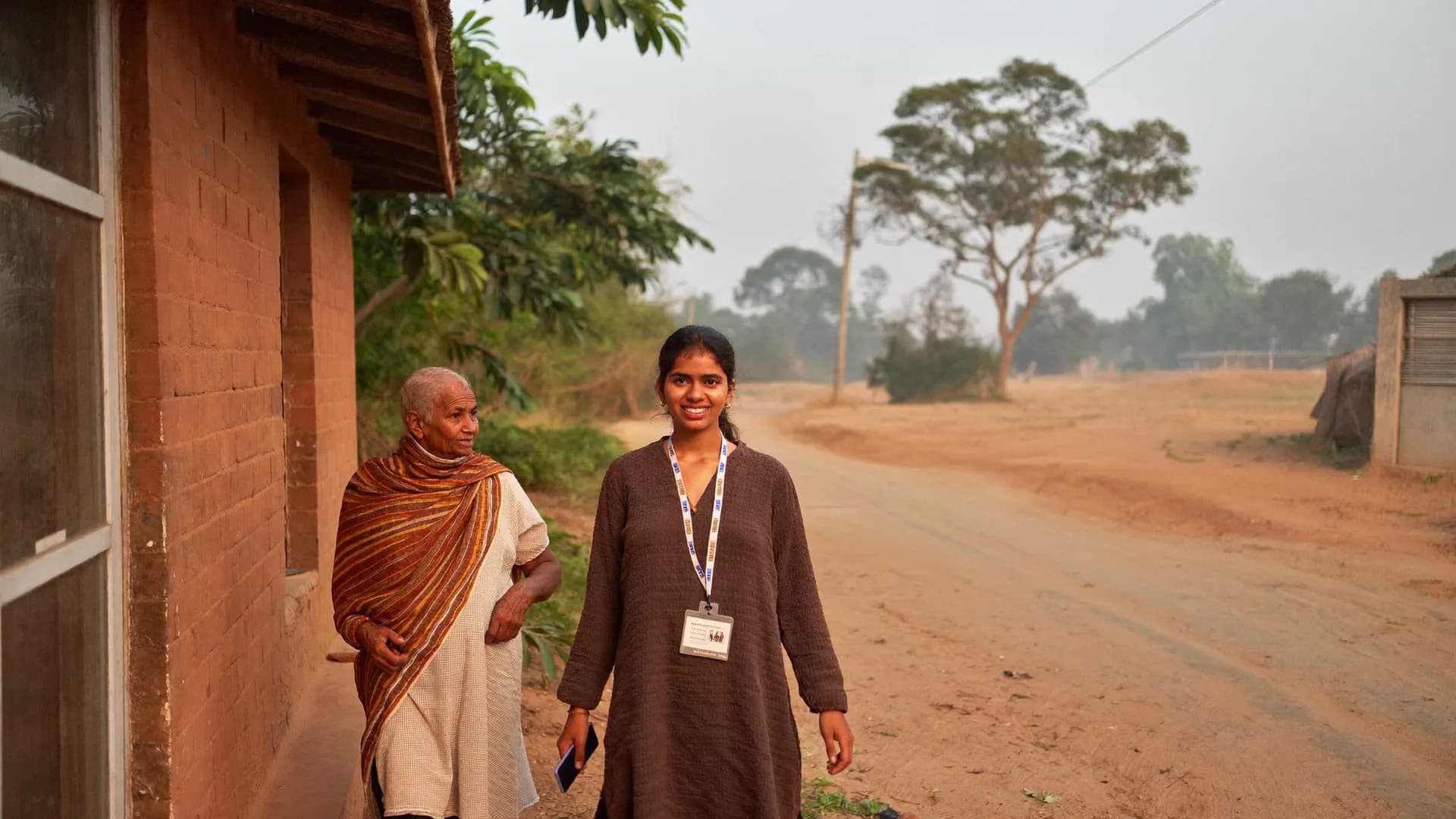
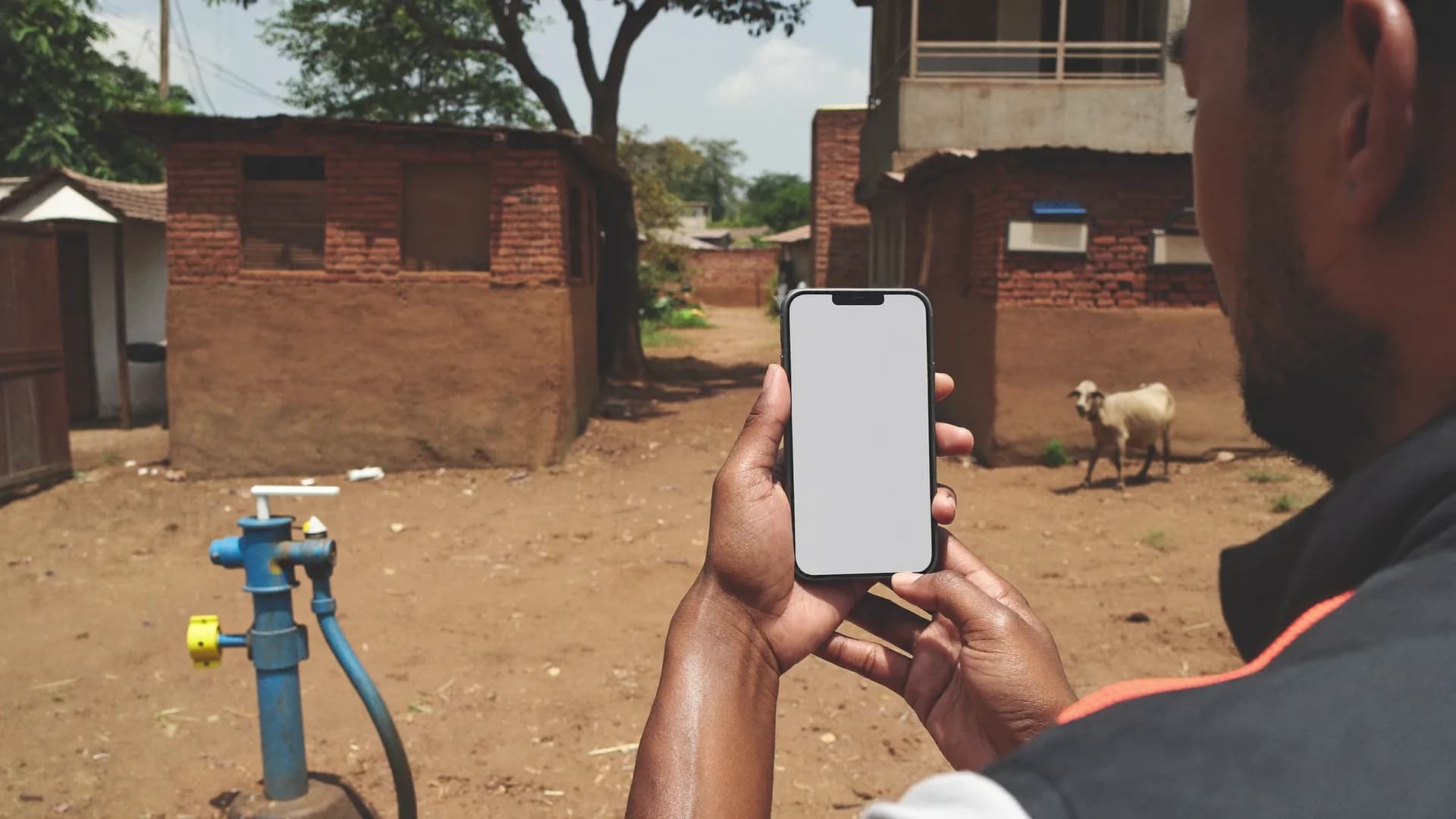
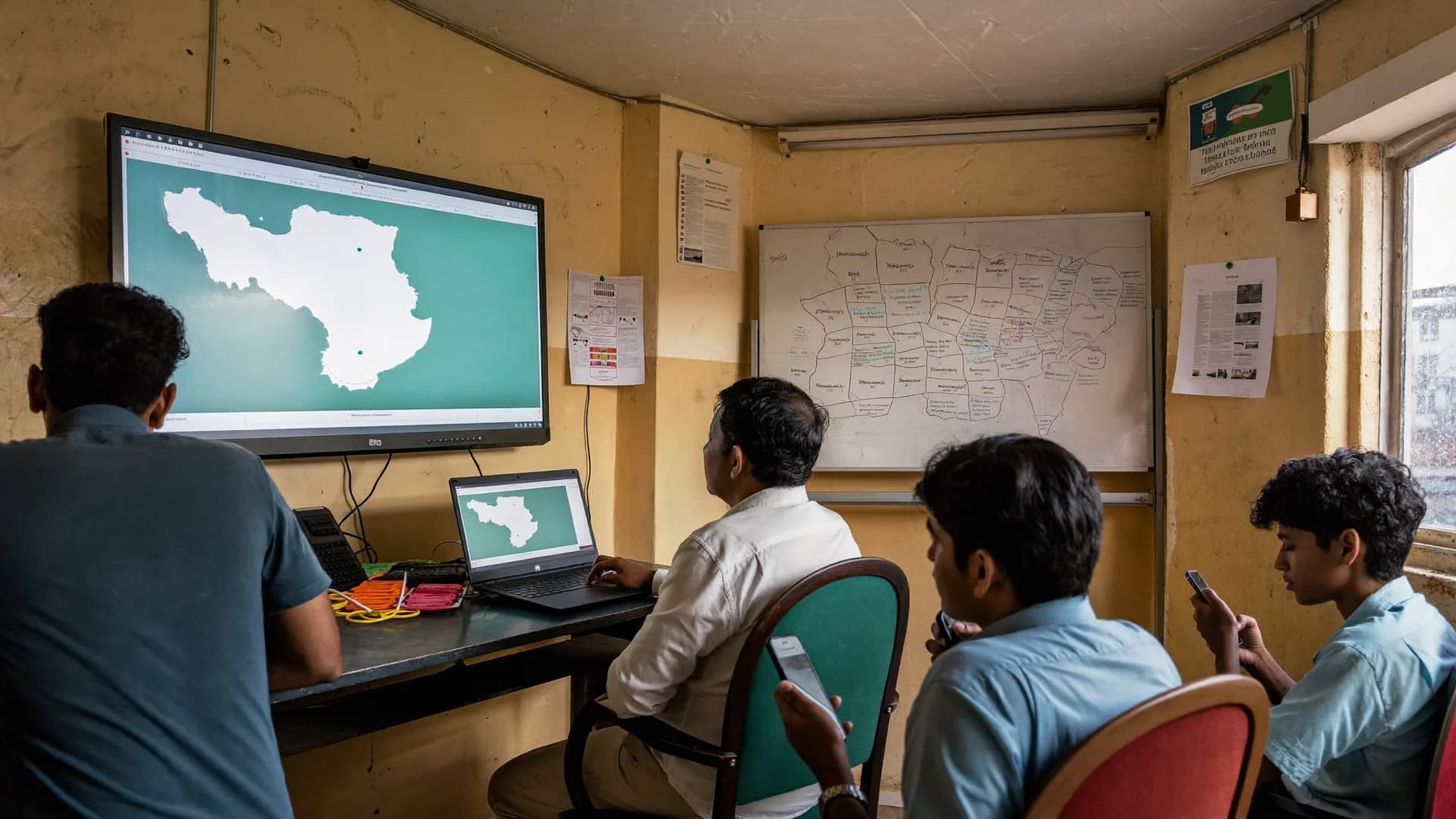
किराना दुकान की शेल्फ़ के सामने फोन से रिटेल ऑडिट करता ऑडिटर
Guide · CSR compliance

Rule 8(3), thresholds, cost limits, report format and filing

CSR impact assessment is mandatory for a company whose average CSR obligation over the three preceding financial years is ₹10 crore or more, for each CSR project with an outlay of ₹1 crore or more that finished at least a year before the study. This guide is for CSR heads, company secretaries and foundation teams planning that assessment.

  • Who is covered under Rule 8(3)
  • Which projects need an independent study
  • How much of the cost can be booked as CSR
  • Where the report goes: Board, annual report, CSR-2
When is CSR impact assessment mandatory?
Section 135Rule 8(3)₹10 crore average obligation₹1 crore project outlayIndependent agencyBoard placementAnnual report on CSRForm CSR-2
At a glance

Legal basis
Rule 8(3), Companies (CSR Policy) Rules, 2014
Inserted by the 2021 amendment, cost clause revised in 2022
Company trigger
Average CSR obligation ≥ ₹10 crore
Three immediately preceding financial years, under Section 135(5)
Project trigger
Outlay ≥ ₹1 crore
Completed at least one year before the study starts
Who assesses
An independent agency
Not the implementing agency or the company itself
Cost booked as CSR
Up to 5% of CSR spend or ₹50 lakh
Whichever is less, for that financial year
Where it goes
Board, then annexed to the annual report on CSR
Summary disclosed in the CSR report and Form CSR-2

Sources: Companies (CSR Policy) Rules, 2014 as amended, MCA

Who is covered

Section 135 applies to a company that, in the immediately preceding financial year, had net worth of ₹500 crore or more, turnover of ₹1,000 crore or more, or net profit of ₹5 crore or more. Such a company must spend at least 2% of its average net profit of the three preceding years on CSR.

Being covered by Section 135 does not by itself make an impact assessment compulsory. The assessment duty sits one level higher, with companies whose average CSR obligation is large. A company spending ₹3 crore a year on CSR must comply with Section 135 but is not required by Rule 8(3) to commission an independent impact study, although many choose to for internal learning.

CSR impact assessment 10 crore threshold

The test is the average CSR obligation under Section 135(5) in the three immediately preceding financial years, not the amount actually spent. A company whose obligation was ₹9 crore, ₹10 crore and ₹12 crore averages ₹10.33 crore and is covered. Compute this every year; companies move in and out of the class as profits change.

CSR impact assessment 1 crore project outlay

Only projects with an outlay of ₹1 crore or more qualify, and only once they were completed at least one year before the study begins. The one-year gap exists so the assessment measures outcomes that lasted, not just outputs on the day of handover. Smaller projects can be assessed voluntarily and bundled in the same study.

Quick self-check

  • Is the company covered by Section 135(1)?
  • Is the 3-year average obligation ≥ ₹10 crore?
  • Which projects had outlay ≥ ₹1 crore?
  • Which of those closed more than a year ago?
  • Is the chosen agency independent of implementation?
What changed

The Companies (CSR Policy) Amendment Rules, 2021, notified by the Ministry of Corporate Affairs in January 2021, made impact assessment a legal requirement for the largest CSR spenders for the first time. Before that, assessment was good practice. A 2022 amendment then revised how much of its cost can be counted as CSR spend.

The 2021 amendment also tightened CSR governance more broadly: registration of implementing agencies on Form CSR-1, an annual action plan approved by the Board, and rules on unspent amounts for ongoing projects. Impact assessment fits into that shift from counting rupees spent to showing what the spending achieved.

CSR impact assessment cost 5 percent cap

Under Rule 8(3)(c) as amended in September 2022, a company may book impact assessment expenditure towards CSR for that financial year up to 5% of its total CSR expenditure or ₹50 lakh, whichever is less. Anything above that must be paid from the company's own non-CSR budget. This is a separate limit from the 5% ceiling on administrative overheads under Rule 7.

CSR impact assessment 50 lakh limit

For large spenders the ₹50 lakh figure is usually the binding cap. A company with ₹40 crore of CSR spend could otherwise book ₹2 crore at 5%, but the rule stops it at ₹50 lakh. A company with ₹8 crore of spend is capped at ₹40 lakh, because 5% is the lower number. Plan assessment scope with this arithmetic in front of you.

Process

A defensible CSR impact assessment compares outcomes for project participants against a baseline or a comparison group, uses a sample large enough for the estimates it reports, verifies fieldwork independently and separates evidence from recommendations. The steps below follow that logic.

List qualifying projects and their theory of change
Step 1
01 / 05

List qualifying projects and their theory of change

Pull outlay and completion dates from CSR records, then write down what each project was meant to change: incomes, learning, health access, water availability.

  • Outlay and completion date
  • Intended outcomes
  • Available baseline data
Choose a comparison that the data supports
Step 2
02 / 05

Choose a comparison that the data supports

Use a baseline if one exists, a matched comparison village or school if not, and say plainly when only before-after or recall data is possible.

  • Baseline vs endline
  • Participants vs comparison group
  • Recall limits stated
Design sample and tools in local languages
Step 3
03 / 05

Design sample and tools in local languages

Set sample size per project, translate and pilot the questionnaire, and add consent text participants can understand.

  • Sample size note
  • Pilot in a non-sample village
  • Consent script
Run verified fieldwork
Step 4
04 / 05

Run verified fieldwork

Interview households and facilities with GPS-tagged, time-stamped records and back-check a fixed share of them with an independent supervisor.

  • Offline app in low network
  • Photo evidence with consent
  • Back-check log
Report against the OECD-DAC style criteria
Step 5
05 / 05

Report against the OECD-DAC style criteria

Write findings on relevance, effectiveness, efficiency, impact and sustainability, with denominators, then give the Board a short summary.

  • Findings with evidence
  • Limitations section
  • Executive summary
Template

The rules do not prescribe a report template, so use a structure that a Board and an auditor can both follow. Start with a two-page executive summary, then method, findings per project, limitations and annexures holding the tools and data description.

Suggested structure for a Rule 8(3) impact assessment report
SectionWhat it containsTypical length
Executive summaryProjects covered, key outcomes, main limits, top recommendations2 pages
Project profileOutlay, location, implementing agency, completion date, intended outcomes1 page per project
MethodologyDesign, comparison group, sample size, tools, field dates, quality checks3–5 pages
FindingsOutcome indicators with denominators, by project and sub-groupMain body
SustainabilityWhether assets and services still function a year or more after closure1–2 pages
LimitationsData gaps, recall bias, access problems and their likely effect1 page
RecommendationsKept separate from findings, linked to evidence1–2 pages
AnnexuresQuestionnaires, sampling list, back-check summary, independence declarationAs needed

Outline based on common evaluation practice; the MCA does not mandate a format.

Our view on assessments

Disclosure

Form CSR-2 is the MCA e-form in which companies covered by Section 135 report CSR details for the financial year, filed as an addendum to Form AOC-4. Because it mirrors the annual report on CSR, the impact assessment details should be final before the form is prepared.

CSR impact assessment executive summary board report

Rule 8(3)(b) requires assessment reports to be placed before the Board and annexed to the annual report on CSR. In practice, the annual report on CSR carries an executive summary of each assessment along with a web link to the full report. Write that summary so it stands alone: projects, method, what changed and the main limitations.

CSR annual report impact data

Report outcome numbers with their base, for example '412 of 600 sampled households reported year-round drinking water', rather than percentages alone. Keep the same indicators year to year where possible so the annual report shows a trend, not a new set of claims each time.

Checklist

Use these lists in the quarter before the Board meeting that approves the annual report.

CSR impact assessment company secretary compliance

  • Record the 3-year average obligation calculation
  • List qualifying projects with outlay and closure date
  • Minute the Board's receipt of each report
  • Annex reports to the annual report on CSR
  • Match CSR-2 entries to the annexed reports

CSR team

  • Appoint an agency with no role in implementation
  • Share project records and beneficiary counts
  • Agree indicators before fieldwork
  • Book cost within the 5% or ₹50 lakh cap
  • Plan follow-up on recommendations

Not the right fit if

  • Legal or tax advice on your specific filing
  • Statutory audit of CSR accounts
  • Deciding whether a spend qualifies under Schedule VII
  • Certifying compliance on behalf of the Board

A good fit if

  • Understanding when an assessment is required
  • Scoping the study and its budget
  • Structuring a report the Board can use
  • Planning field data collection for the assessment
FAQ

Straight answers to the questions people ask most about this topic.

Is CSR impact assessment mandatory for every company under Section 135?

No. It is mandatory only for companies whose average CSR obligation over the three preceding financial years is ₹10 crore or more, and only for projects with outlay of ₹1 crore or more completed at least one year before the study. Other companies may commission assessments voluntarily.

Can the implementing NGO do the impact assessment?

Rule 8(3) requires assessment through an independent agency. An implementing agency assessing its own project is not independent. Many companies also avoid agencies that helped design the project, and ask for a written independence declaration in the annexures.

Can impact assessment cost be counted as CSR expenditure?

Yes, within a limit. The company may book it as CSR spend for that year up to 5% of total CSR expenditure or ₹50 lakh, whichever is less. Costs above the cap are borne outside the CSR budget.

When should the assessment be done?

Not earlier than one year after the project was completed, so that lasting outcomes can be measured. Time the fieldwork so the report is ready for the Board before the annual report on CSR and Form CSR-2 are finalised.

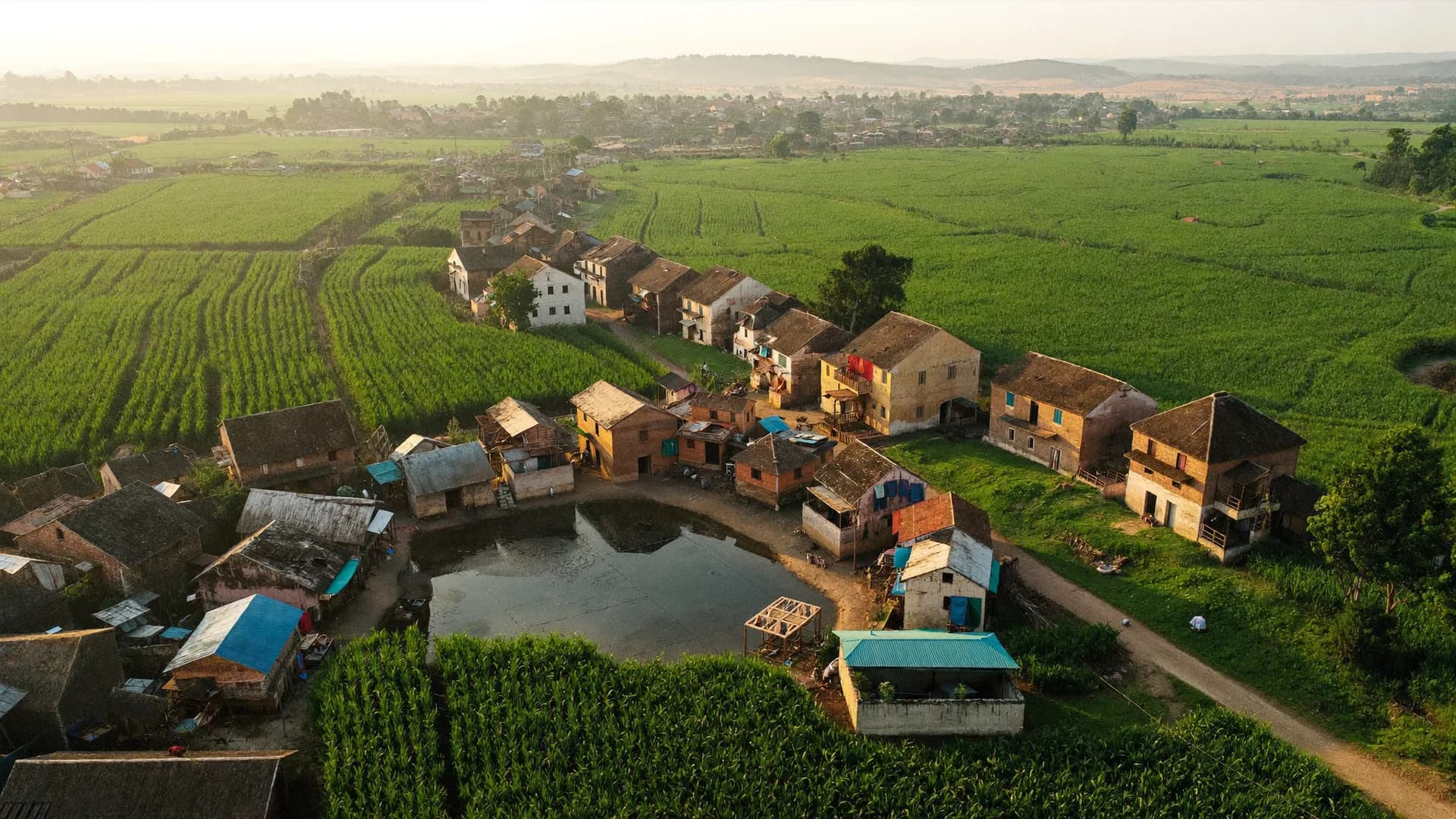
शाम के समय कस्बे का हवाई दृश्य
India Nationwide, Hindi-first

Send the project list with outlays and completion dates. We will reply with a scope, sample plan and timeline that fits the cost cap.