
How will you select respondents?
Listen for a sampling frame, a random selection rule inside each area and a replacement rule. Quota sampling can be fine if the agency says so openly.
For companies, departments, NGOs and campaign teams commissioning fieldwork
If you are working out how to choose a survey agency for a project in India, judge bidders on four things you can check: how they draw the sample, how they prove each interview happened, who owns the raw data, and whether they can interview in your respondents' language. This guide gives a 7-step selection method, questions to ask, and an RFP checklist.
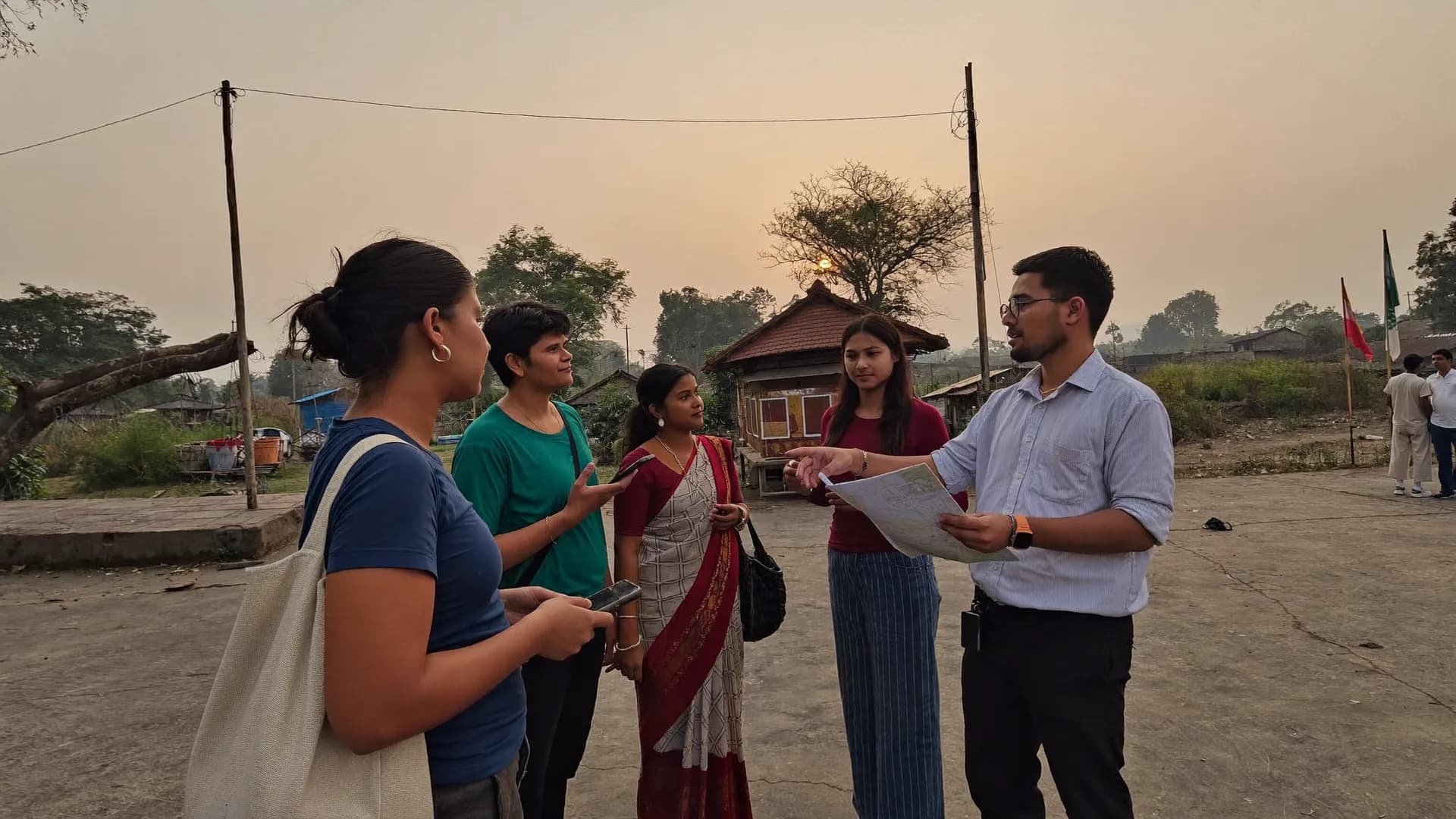
Look for a written sampling plan, verifiable fieldwork with GPS, time and duration on each record, a stated back-check share, raw data and questionnaires as deliverables, interviewers who speak the local language, and a pilot before full launch. Price matters after these, because cheap data that cannot be audited is expensive later.
Most buyers compare proposals by page count, sample size and price. None of these tells you whether interviews will be real, whether the sample represents the people you care about, or whether you can re-check the work. Agencies that cut corners usually do it in the field, where the buyer cannot see, so selection has to focus on what the agency will let you see.
Some teams need a full-service agency that designs, collects and analyses. Others have researchers in-house and only need a field team, or only need survey software for their own staff. Decide which gap you are filling before you issue a request, because the evaluation criteria differ for each.
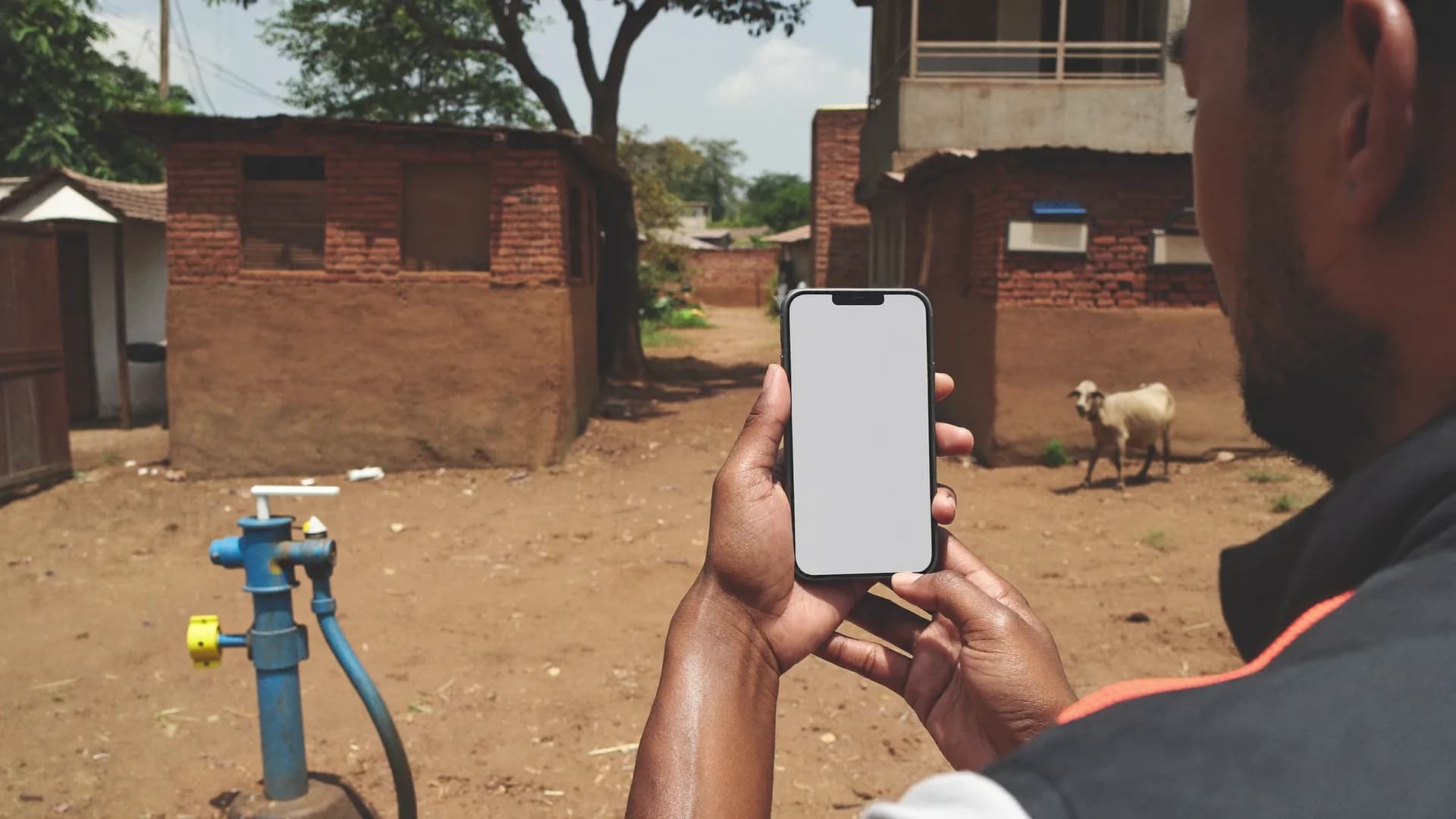
The proposal is written in an office. The data is made at a doorstep in a district two hundred kilometres away, often without network, by an interviewer paid per completed form. Choose the agency whose process still holds up there.
Follow these in order. Steps 1 and 2 cost nothing and remove most unsuitable bidders before you read a single proposal.
Specific questions get specific answers. Evasive answers to these are the most useful signal you will receive.
Each one predicts problems in the field
Things a careful agency volunteers
Copy these into your request for proposal or terms of reference. They make proposals comparable and protect data quality after award.
A full-service agency suits teams without in-house researchers who need design, fieldwork and analysis. A field-only team suits organisations with researchers who need interviews collected well. Software alone suits teams with their own staff in the field. Many projects mix these, and the table shows where each fits.
| Your situation | Full-service agency | Field team only | Survey software only |
|---|---|---|---|
| No in-house researcher | |||
| Researchers in-house, no field staff | |||
| Own field staff, need verification | |||
| Repeated monitoring by your own team | |||
| One-off multi-state study |
Bharat Survey offers field services and an offline Android survey app with a web panel, so projects can use either or both.
There is no fair standard rate. Cost is driven by sample size, interview length, how dispersed the sample is, the number of languages, travel to remote areas, verification depth and the analysis required. Ask for a quotation broken down by these drivers so you can see what changes the price and compare bids properly.
Geographic spread usually matters more than sample size. Five hundred interviews in one city cost far less than five hundred spread across forty villages in hilly blocks. Each extra language adds translation, back-translation and interviewer matching. Deeper verification adds supervisor time but reduces the cost of discarded data later.
A local firm may know one district well but struggle to run the same protocol across states. A larger survey agency India-wide can keep one method in many places but may subcontract fieldwork. Ask directly who will do the interviews in each state and how the protocol is enforced there.
Survey software and field services in one place.
Learn moreThe Bharat Survey homepage in Hindi.
Learn moreOpinion research and booth-level fieldwork with neutral methods.
Learn moreMarket research, retail audits and customer surveys.
Learn moreOffline capture, GPS verification, web panel and reports.
Learn moreStraight answers to the questions people ask most about this topic.
Only after the method and verification are equal. Price differences often come from fewer back-checks, shorter training or clustered interviews that cut travel. Normalise every quote to the same sample design, interview length, languages and deliverables, then compare. A slightly higher price for auditable data usually costs less than repeating a failed study.
Ask for record-level data with GPS coordinates, start and end times and interview duration, then check a sample yourself. Look for clusters of very short interviews or many records from one spot. Request the back-check log showing which respondents were re-contacted and what was found.
The client should, and the contract should say so. The agency delivers raw data, codebook and final questionnaires, and deletes or returns identifiable data after an agreed retention period. Agencies may keep anonymised copies only if the contract allows it.
Yes. A pilot in a few locations shows whether questions are understood, how long interviews really take and whether the agency's field process works. Problems found in a pilot cost little to fix; the same problems found after full fieldwork can invalidate the dataset.
For a straightforward project, a brief, a shortlist call and a method note can be done in a week or two. Government procurement follows its own timelines. Rushing selection to save a week often costs more time later when data has to be cleaned or re-collected.
Send the brief you are sending others. We will reply with a method note, a sample record and a quotation you can compare line by line.