
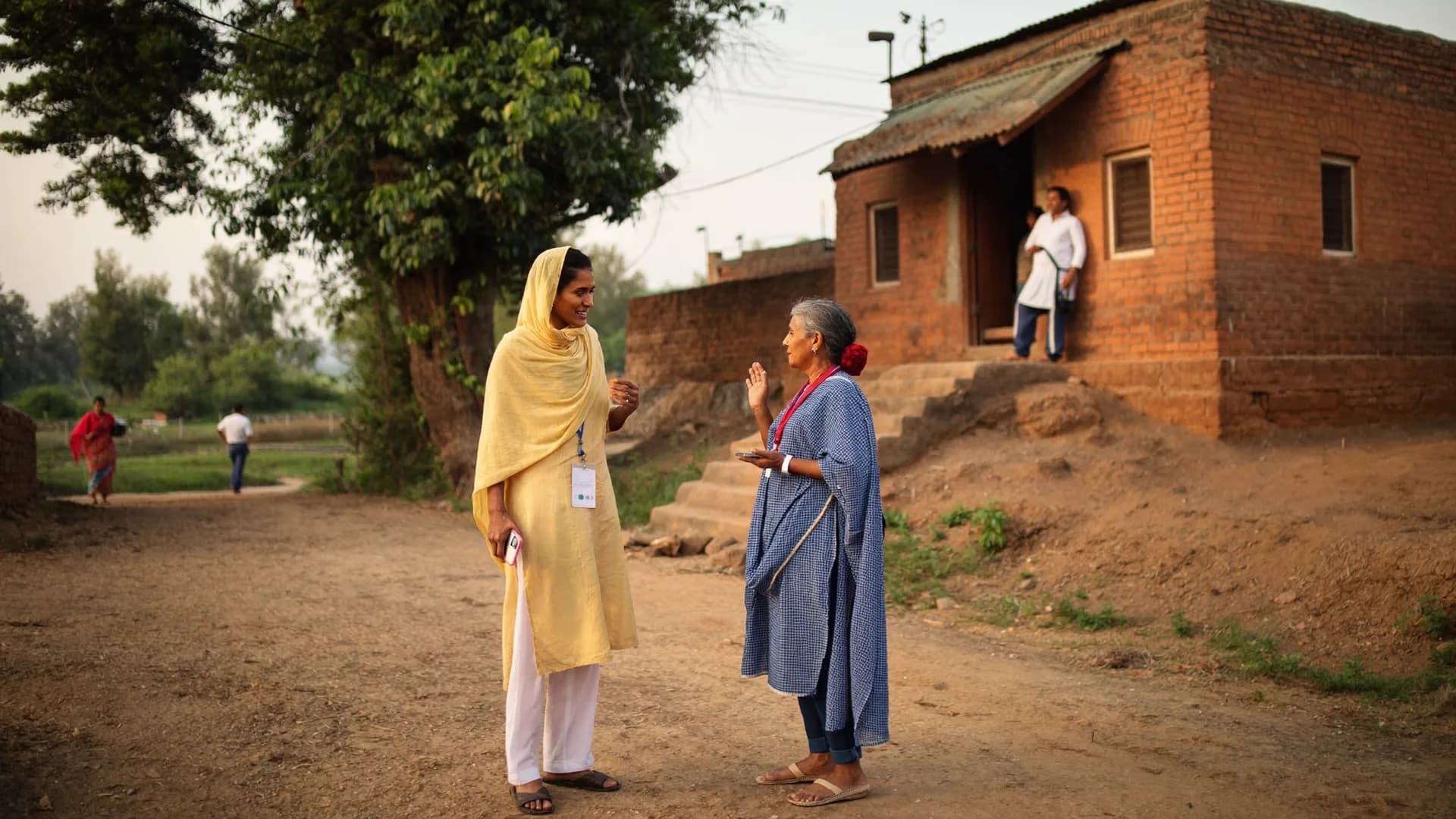
Focus groups, depth interviews and ethnography that explain the numbers
Bharat Survey is a qualitative research agency in India for brands, NGOs, government programmes and research teams who need to understand why people behave the way they do. We recruit the right participants, moderate focus groups and in-depth interviews in Hindi, English and regional languages, run key informant interviews and field ethnography, and deliver transcripts, translations and a clear analysis of themes with quotes.
- Screened recruitment with verification
- Moderators who speak the participants' language
- Consent, audio and transcripts handled carefully
- Thematic analysis tied to your decisions
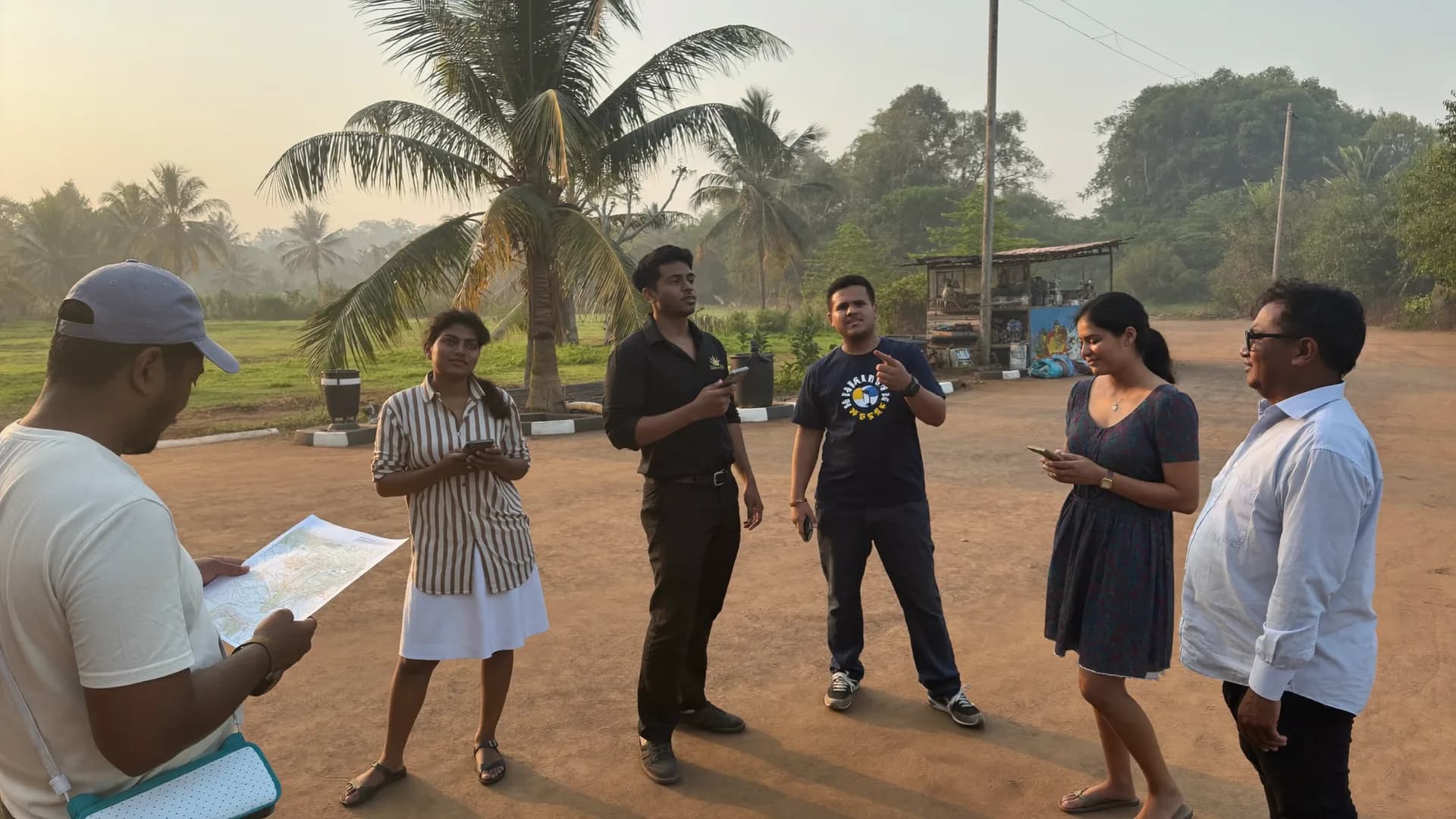
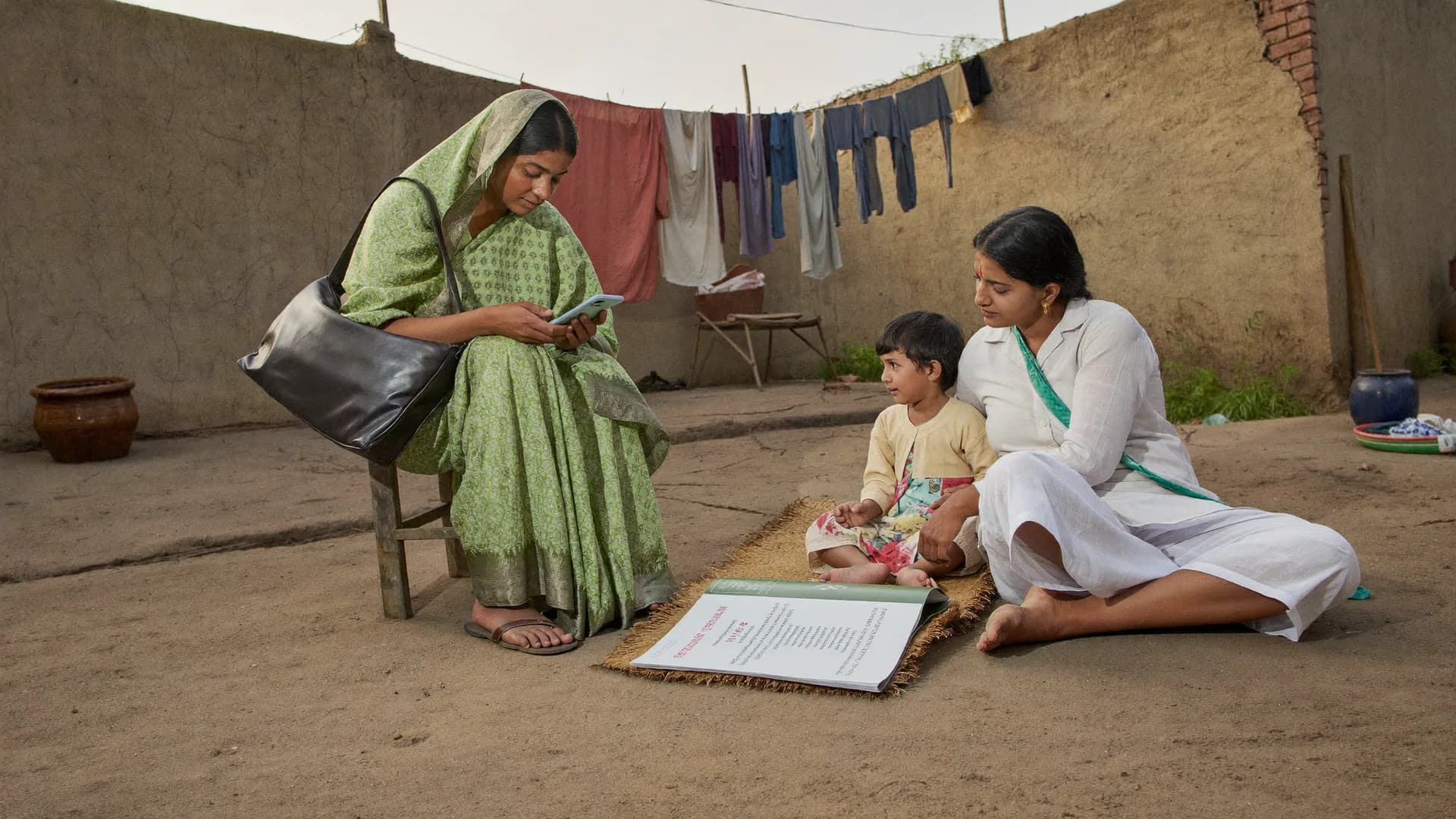
People talk differently in a room, at home, in a shop and under a village tree. The setting is a research choice, not logistics.
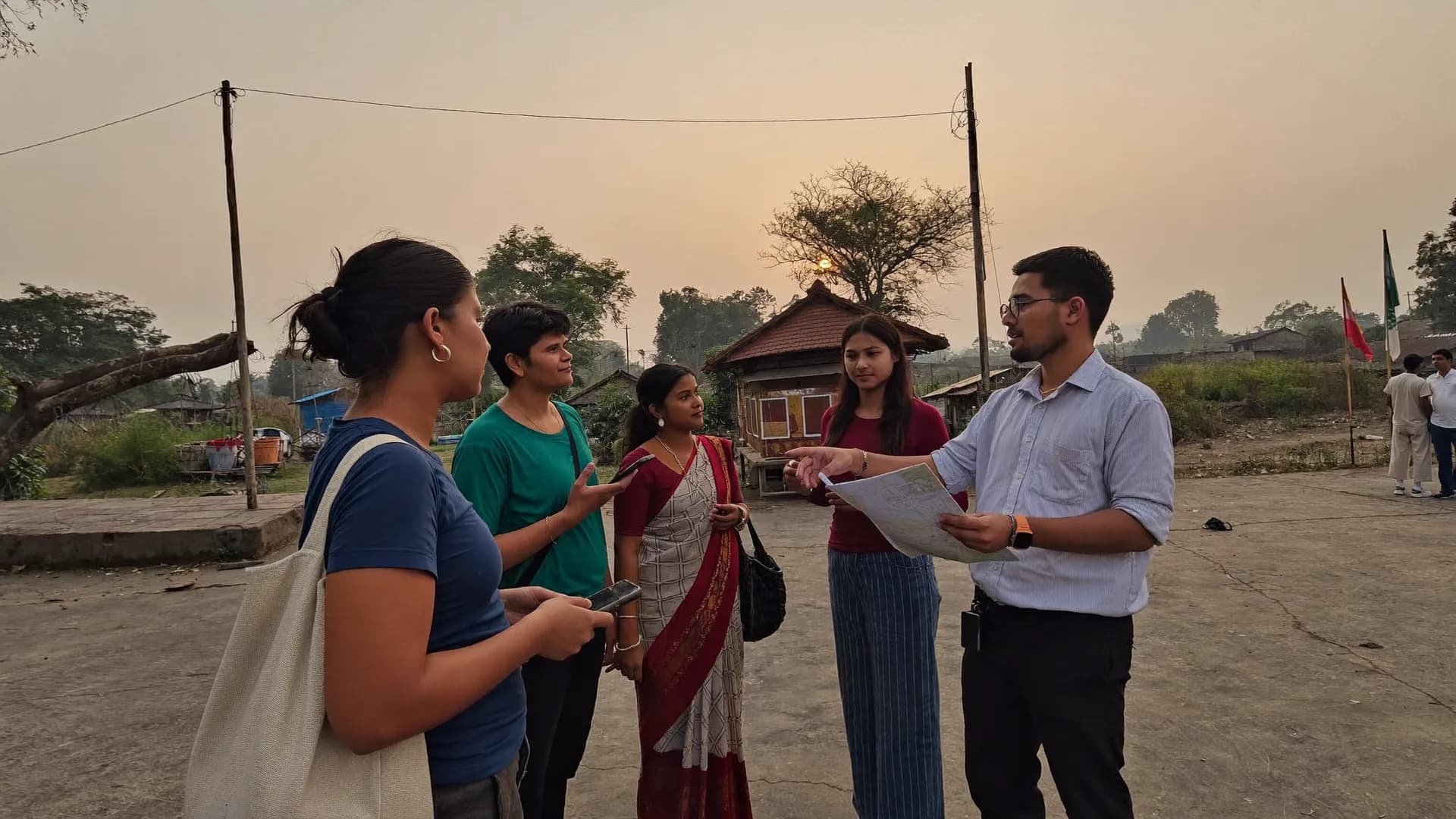
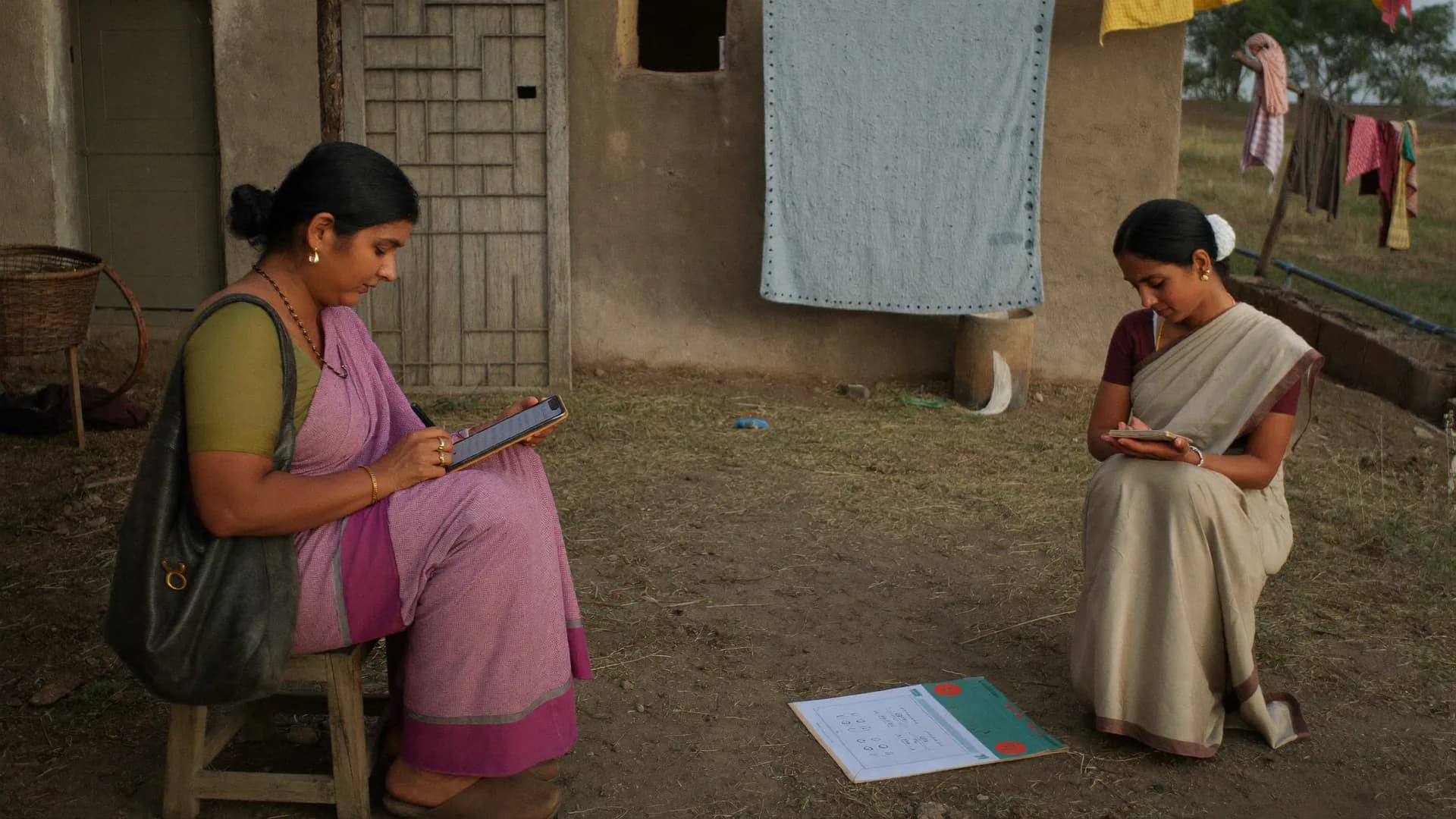
Our focus group discussion services cover recruitment, discussion guide, moderation, recording, transcription and analysis. Groups usually have six to eight participants who share the characteristics that matter for the topic — for example, recent buyers of a category in a town class, or mothers of young children in a block.
Recruitment is where most FGDs quietly fail. Professional respondents who attend many groups, friends of the recruiter, or people who don't actually use the category all distort findings. We screen with a written questionnaire, verify key criteria such as product usage, and don't reuse participants from recent groups.
Focus group facility India: our honest arrangement
We don't own a viewing facility. For a focus group facility in India with one-way mirrors, we book partner venues in the cities where they exist; elsewhere we use hired meeting rooms, community halls or homes, with discreet audio and optional live video streaming to observers where consent allows.
Focus group discussion political research
A focus group discussion for political research explores how voters talk about issues, leaders and schemes in their own words. We run these with neutral moderators, no party material in the room, mixed or separate groups by gender as the topic needs, and no recording of participants' identities in reports.
Per FGD you receive
- Screener and recruitment log
- Discussion guide
- Audio recording (with consent)
- Transcript and English translation
- Moderator debrief note
In-depth interviews research in India suits topics people won't discuss in a group, or decisions that belong to one person.
Depth interviews with consumers
- 60–90 minutes
- At home or by video
- Photos of usage with consent
B2B and professional interviews
- Pre-screened expertise
- 30–60 minutes
- Honorarium where appropriate
Interviews on sensitive subjects
- Private setting
- Referral protocol
- Anonymised reporting
Our view on qualitative research
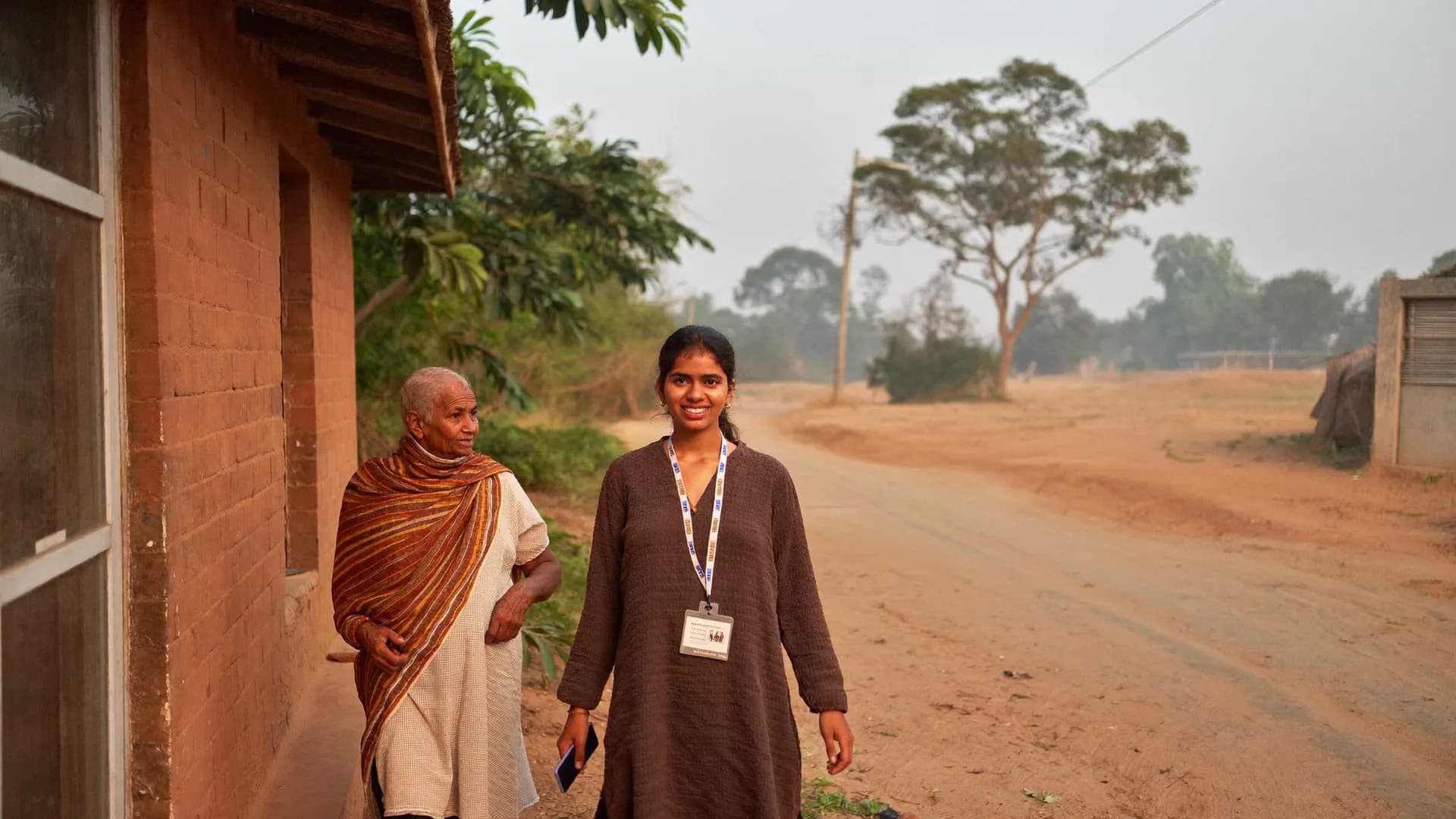
As a key informant interview (KII) research agency, we speak with people whose position gives them knowledge others lack.
Officials and frontline workers
Local leaders
Trade and industry
For development programmes, qualitative work usually sits inside a mixed-methods evaluation: a household survey measures how much changed, and FGDs and KIIs explain why. As a qualitative research agency for the development sector, we align guides with the evaluation matrix and code transcripts against the same evaluation questions, so both strands answer the same things.
Participatory tools — community mapping, seasonal calendars, ranking exercises — are used where literacy is low or where group discussion would be dominated by a few voices.
Ethnographic research in India spends time with people in their daily settings, because what people do often differs from what they say.
Day-in-the-life visits
A researcher spends several hours with a household, observing routines around cooking, cleaning, money or media use.
- Observation notes
- Photo diary with consent
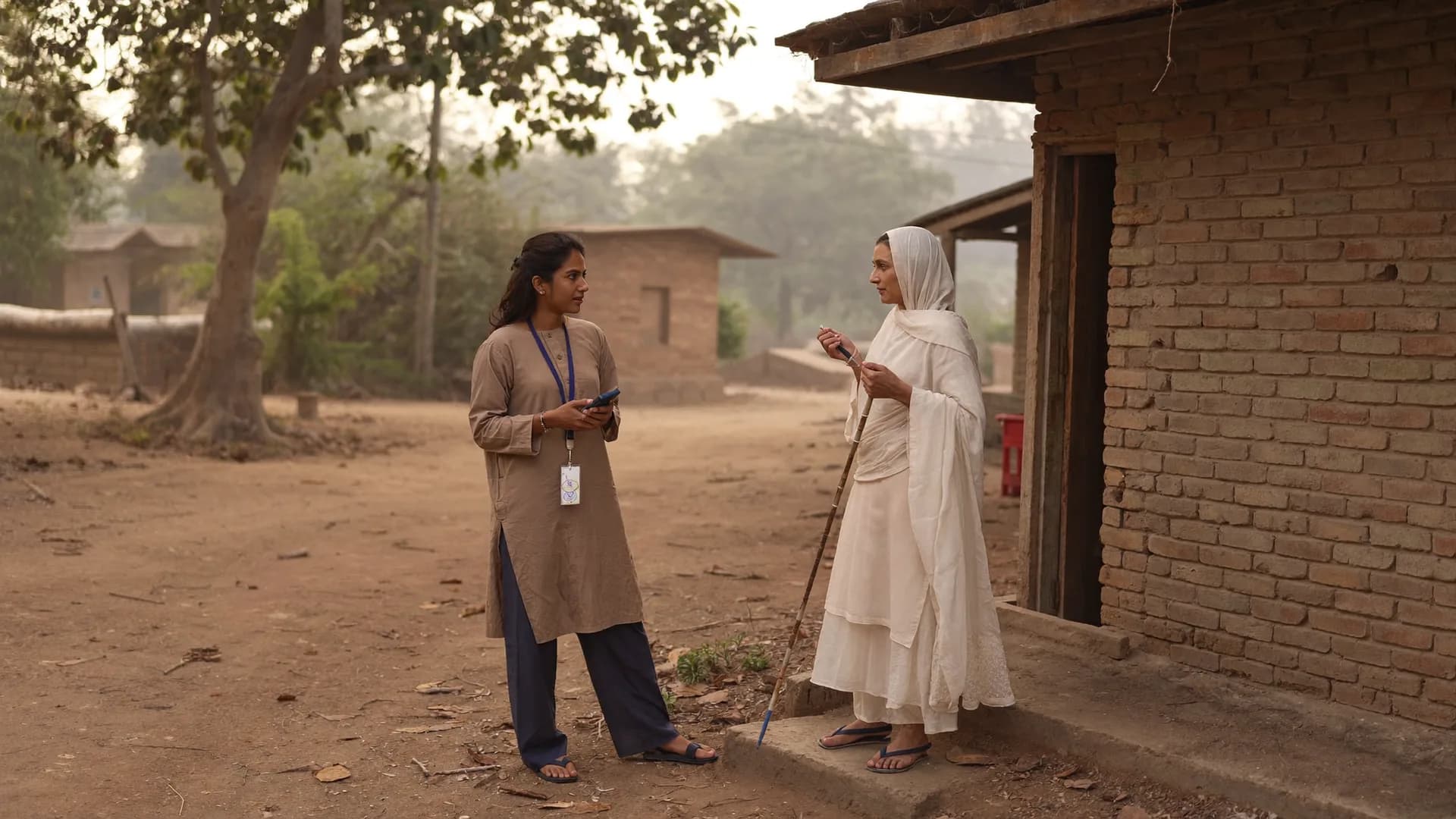
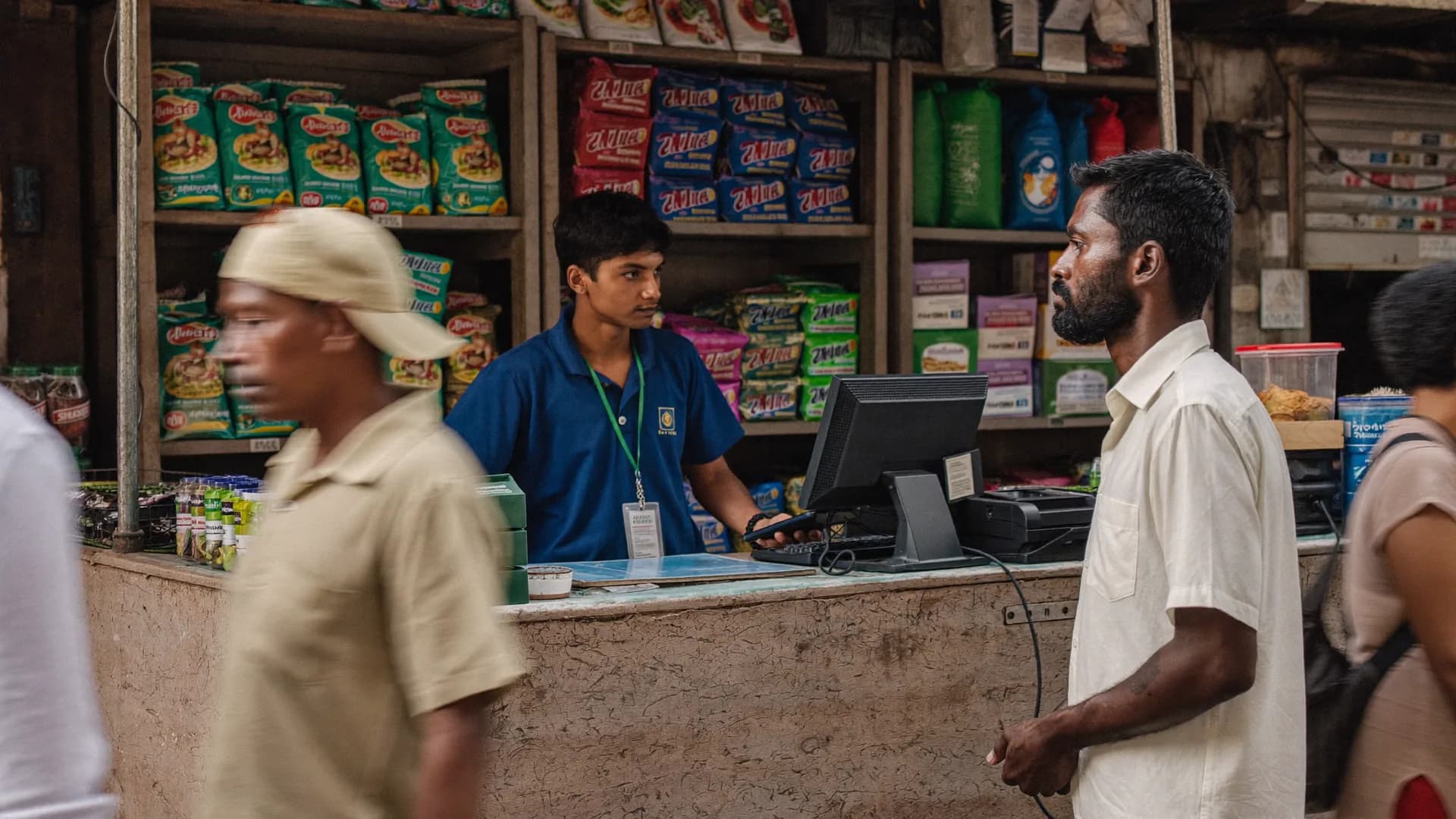
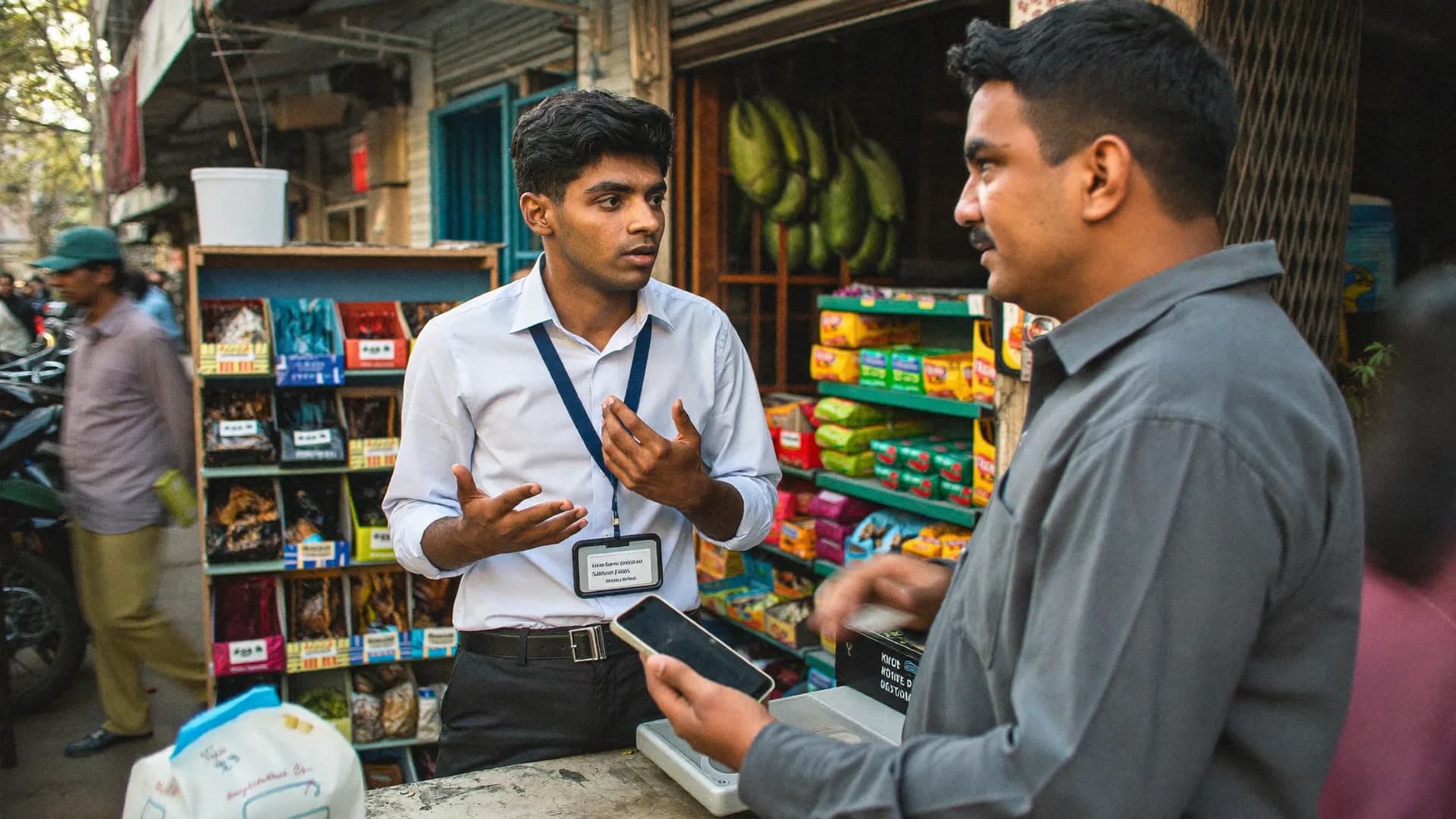
Shop-alongs and retail observation
Accompanying shoppers or observing counters to see how choices are actually made at the shelf.
- Decision moments
- Influence of shopkeeper
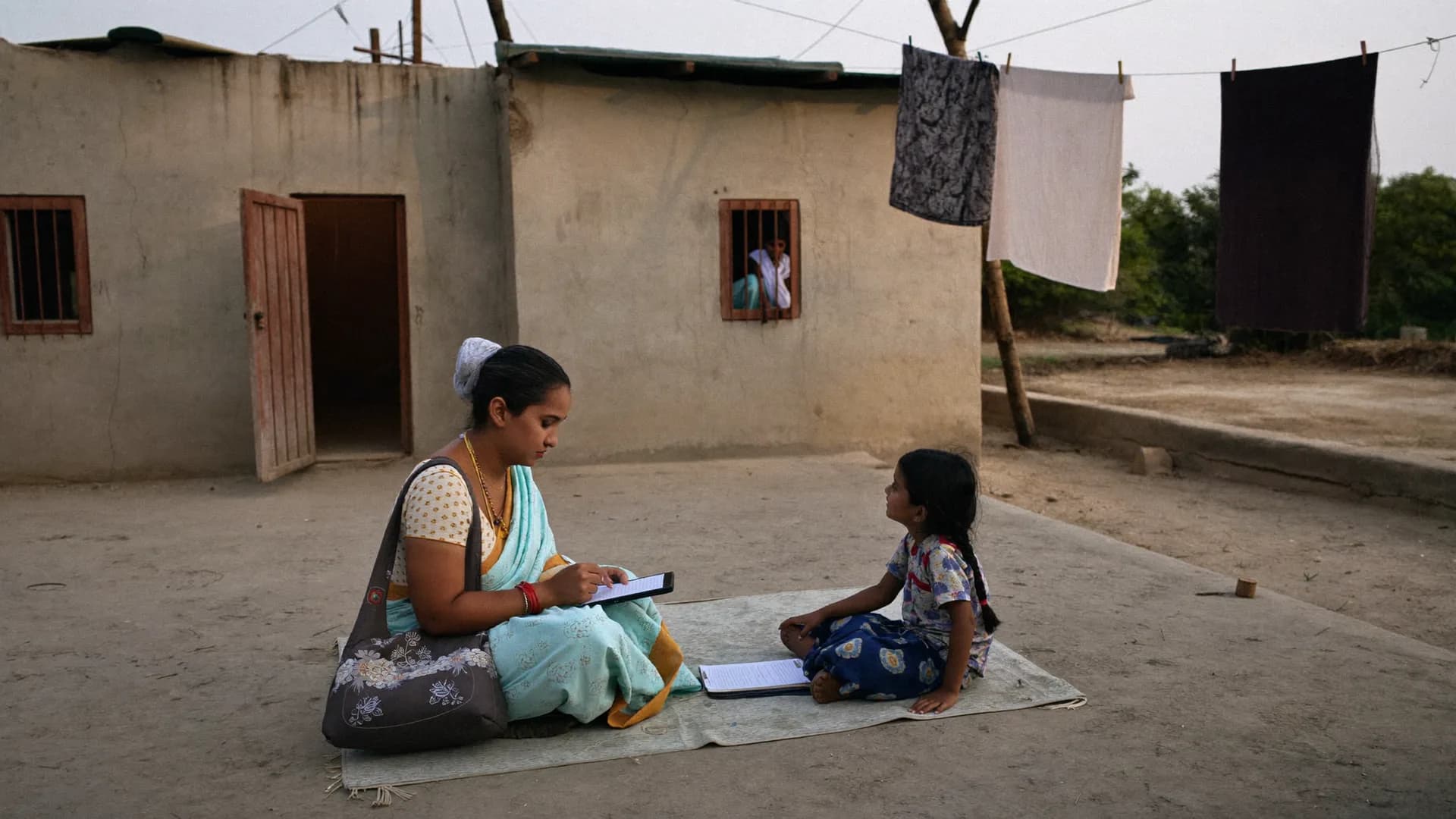
Village and neighbourhood immersion
Several days in a community to understand social structures, information flows and service access.
- Field diaries
- Informal conversations
Before
- Plain-language consent in the participant's language
- Explicit consent for audio, video and photos
- Right to stop at any time
During
- No observers without disclosure
- Same-gender moderators for sensitive topics
- Referral information on hand
After
- Names removed from transcripts
- Recordings stored securely with a deletion date
- Quotes reported without identifiers
Not the right fit if
- Measuring how many people hold a view — use a survey
- Market sizing or share estimates
- Owned viewing facilities in every city
- Clinical or medical research needing ethics committee approval we don't hold
A good fit if
- Understanding motivations and barriers
- Developing and testing concepts and messages
- Explaining survey or programme results
- Hearing people in their own language
Straight answers to the questions people ask most about this topic.
How many focus groups does a study need?
Enough to cover each distinct participant group at least twice, so a finding isn't the product of one room. A study comparing two town classes and two age bands might need eight groups. We stop adding groups when new ones stop producing new themes.
Do you provide transcripts in English?
Yes. Discussions are transcribed in the original language and translated into English, with key terms kept in the original where translation would lose meaning.
Can clients watch focus groups live?
Yes, where participants consent. In partner facilities observers use viewing rooms; elsewhere we can stream audio or video securely. Participants are always told who is observing.
What does qualitative research cost?
Pricing is on quotation. It depends on the number of groups or interviews, recruitment difficulty, locations, languages, incentives, and whether you need analysis and reporting or only fieldwork and transcripts.
Tell us the question, the people you need to hear from and where they are. We will propose a design, sample and schedule.