
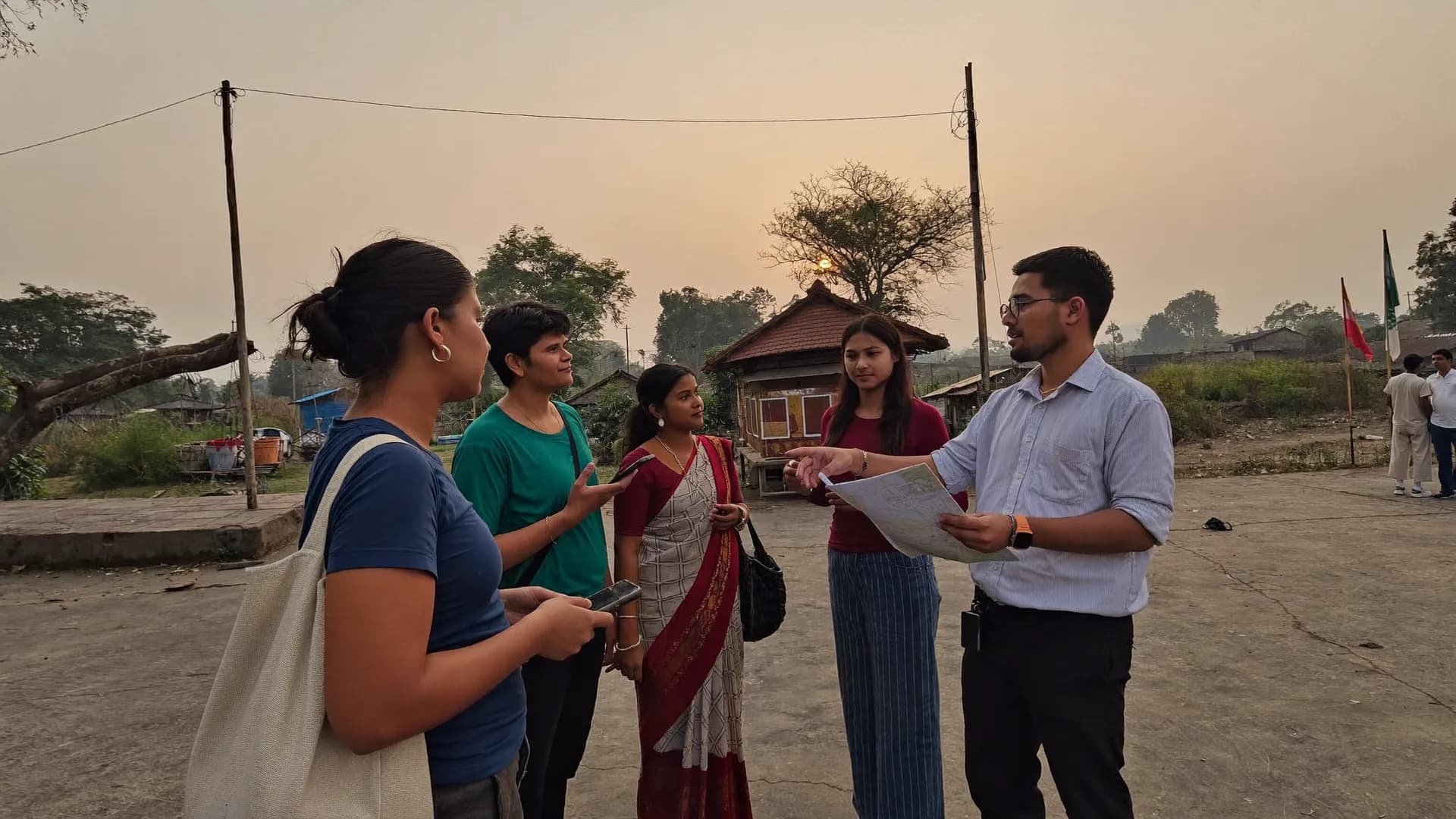
6 months out
01 / 04Baseline round with a full questionnaire in the constituency
Issues, satisfaction, scheme reach, awareness of likely candidates and voting intention with a firmness follow-up.
- Largest sample
- Full modules
- Segment baselines
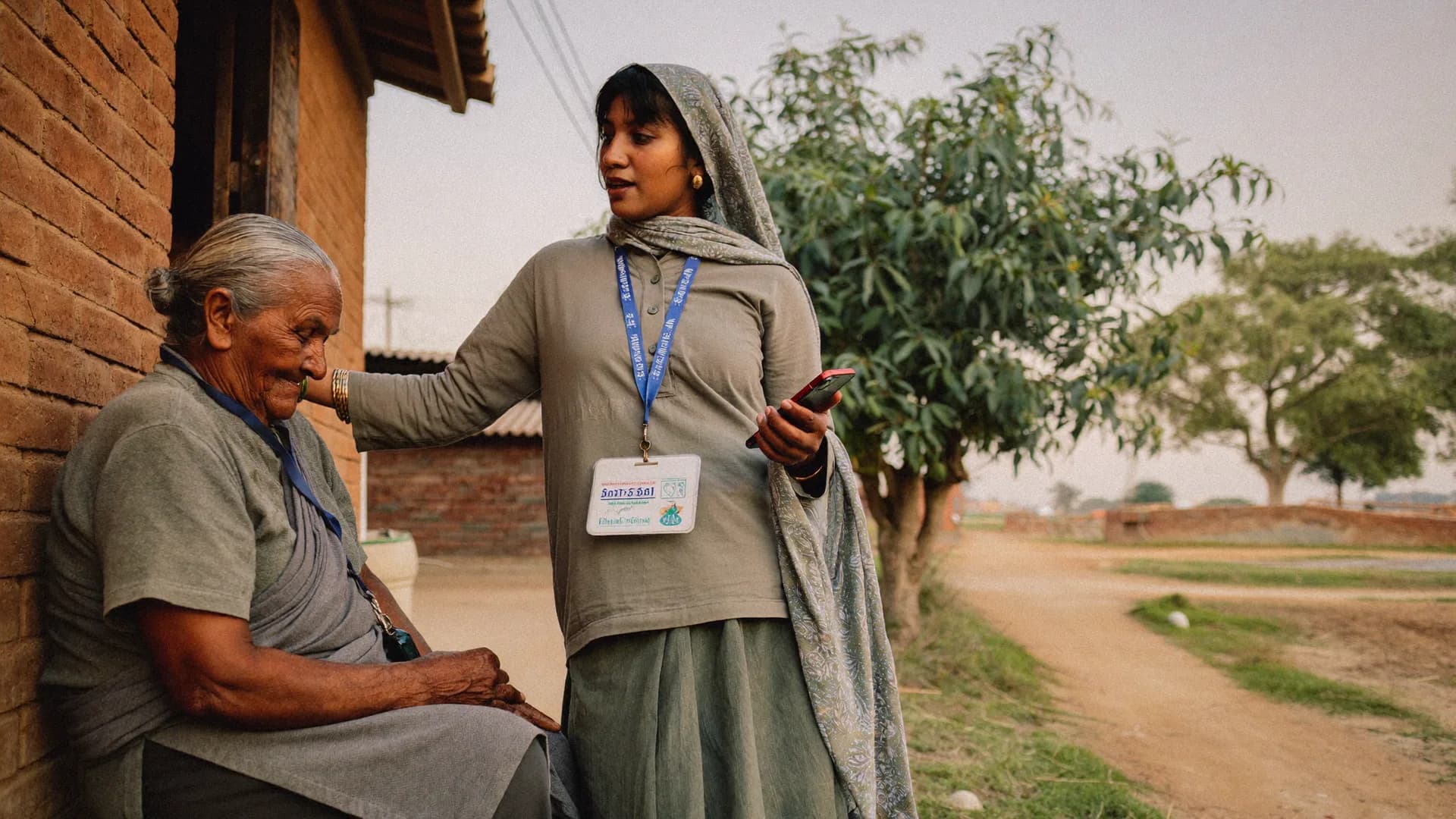
Tracking rounds in the months before polling, with a method that stays the same each time
Bharat Survey is a pre poll survey agency in India for candidates, parties, newsrooms and researchers who need to see how voter preferences and priorities move as an election approaches. We run repeated survey rounds with the same sampling design, interview adults face to face in their language, verify every record by GPS and time, and show change between rounds only where it is larger than the margin of error.
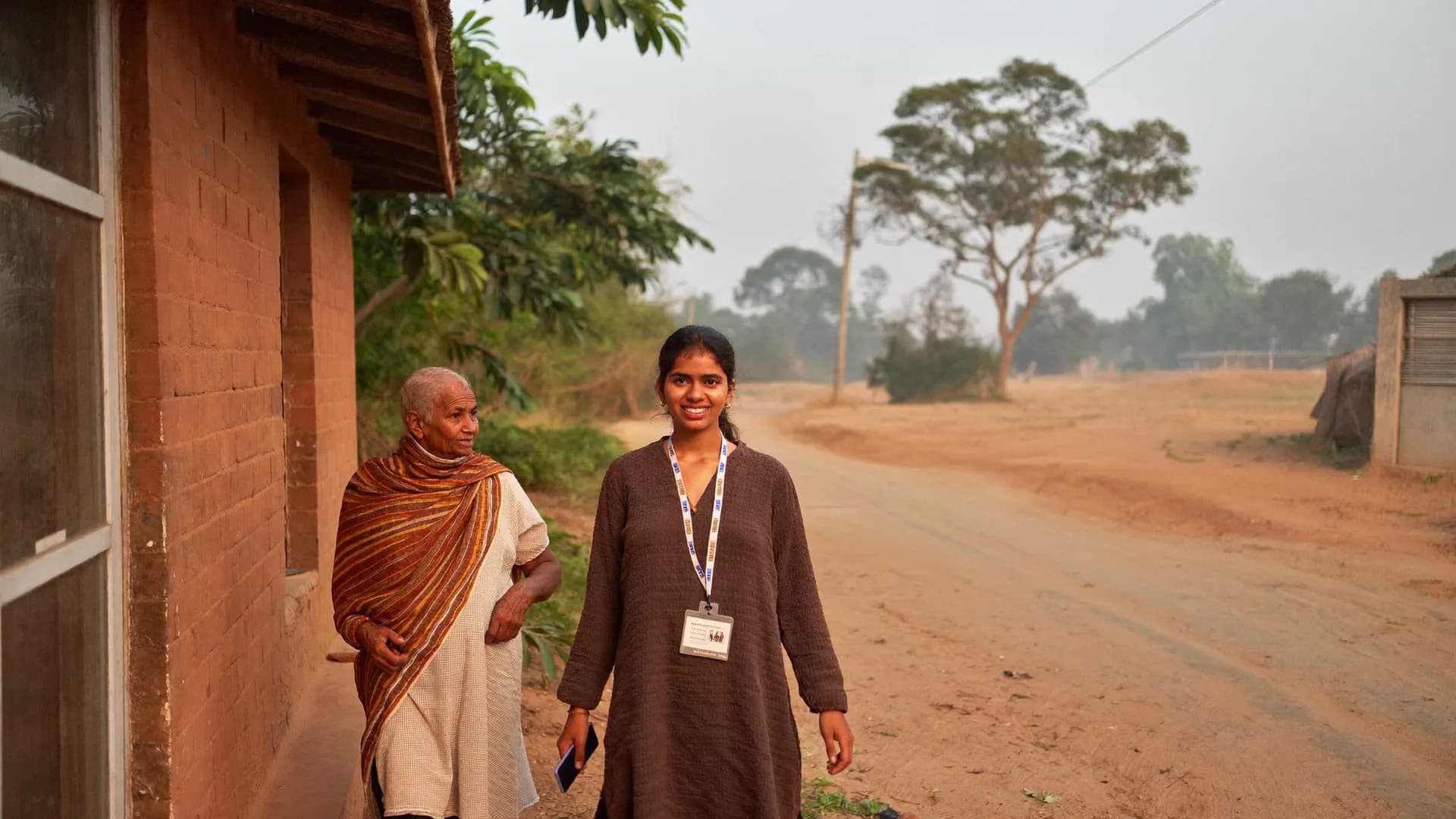
A pre election survey company earns its fee in the gap between rounds: what changed, for whom, and is the change real.
Issues, satisfaction, scheme reach, awareness of likely candidates and voting intention with a firmness follow-up.
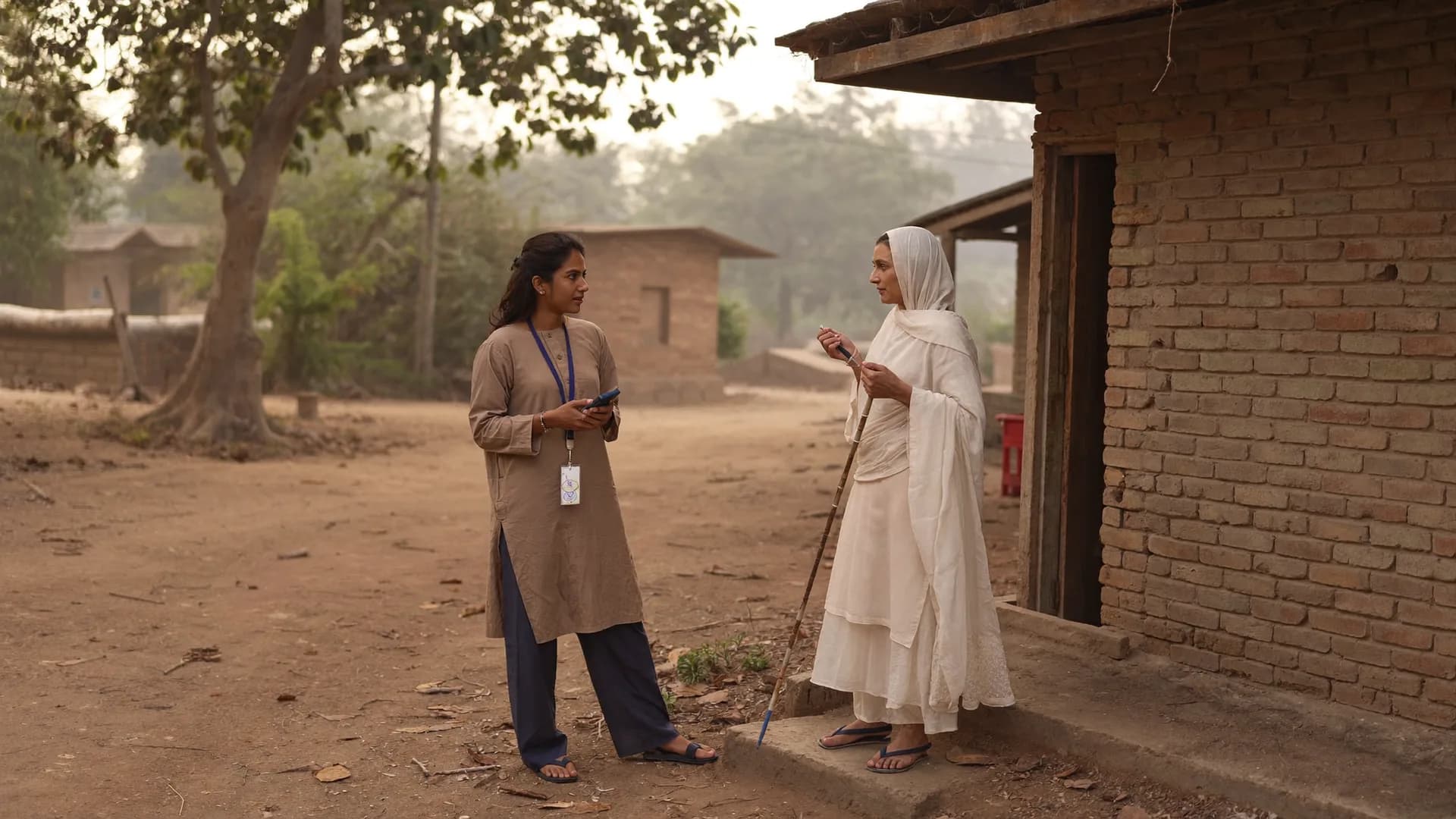
A shorter form repeats core items so movement can be compared with the baseline on the same terms.
Measures which campaign messages people have heard, alongside intention and undecided share.
Fieldwork closes early enough that any publication happens before the Section 126 silence period applies.
An exit poll records a vote already cast. A pre-poll survey records an intention that can still change, which makes it less useful for predicting the result and more useful for understanding the campaign. It shows which issues are rising, which groups remain undecided and whether a candidate is known outside their home block.
Because intentions move, a single pre-poll number is fragile. The value is in the trend across rounds run the same way. Change the sample design between rounds and you can no longer tell voter movement from method movement.
We report the undecided share instead of quietly allocating it. Where clients need an allocation for modelling, we show the method separately — for example, leaning questions or past-vote patterns — and keep the raw figure visible.
| Question you need answered | Best design |
|---|---|
| What issues matter and who is undecided, months ahead? | Pre-poll tracking rounds |
| What does the public think right now, one time? | Opinion poll |
| How did people vote, reported after the window closes? | Exit poll |
| Why did people vote as they did? | Post-poll survey |
| Are booth workers covering their areas? | Booth activity tracking, not a poll |
The sample for each round is set by the smallest group whose change you want to detect. With about 1,000 random interviews, a single vote share near 50% carries roughly ±3 points at 95% confidence before clustering. Detecting a real change between two rounds of that size needs a shift of around four points or more, because both rounds carry error.
Household interviews are clustered in polling-station areas, which widens those margins further. If a campaign wants to track women voters in one region, or first-time voters across a seat, that group needs its own adequate base in every round. We show the minimum detectable change for each reported group in the proposal, so nobody is surprised when a small movement is labelled 'within error'.
The baseline carries the longest questionnaire and the largest sample. Later rounds can be shorter and slightly smaller if they concentrate on the core tracking items and the segments that matter to decisions, without changing how areas and households are selected.
Straight answers to the questions people ask most about this topic.
It is a survey of voters conducted before an election, often in several rounds, to measure voting intention, issues, candidate awareness and undecided voters. Unlike an exit poll, it records intentions that can still change, so trends across rounds matter more than a single figure.
Section 126 of the Representation of the People Act, 1951 bars displaying election matter, including opinion poll results, through electronic media in the 48 hours ending with the close of polling in a constituency. We plan the last fieldwork round to finish before that period.
Many campaigns use two to four: a baseline, one after candidates are announced, and one or two during the campaign. Fewer rounds with adequate samples are better than many small rounds whose changes are within the margin of error.
Yes. Clients receive anonymised raw data with GPS, time and weighting variables, plus the questionnaire and codebook, so their analysts can check every table.
Share the constituency or state, election month and questions. We will propose a round schedule and sample plan.