
Outlet audits in Shillong and Tura
Shelf photos, prices and GPS from Iewduh-area wholesalers to Tura's retail streets.
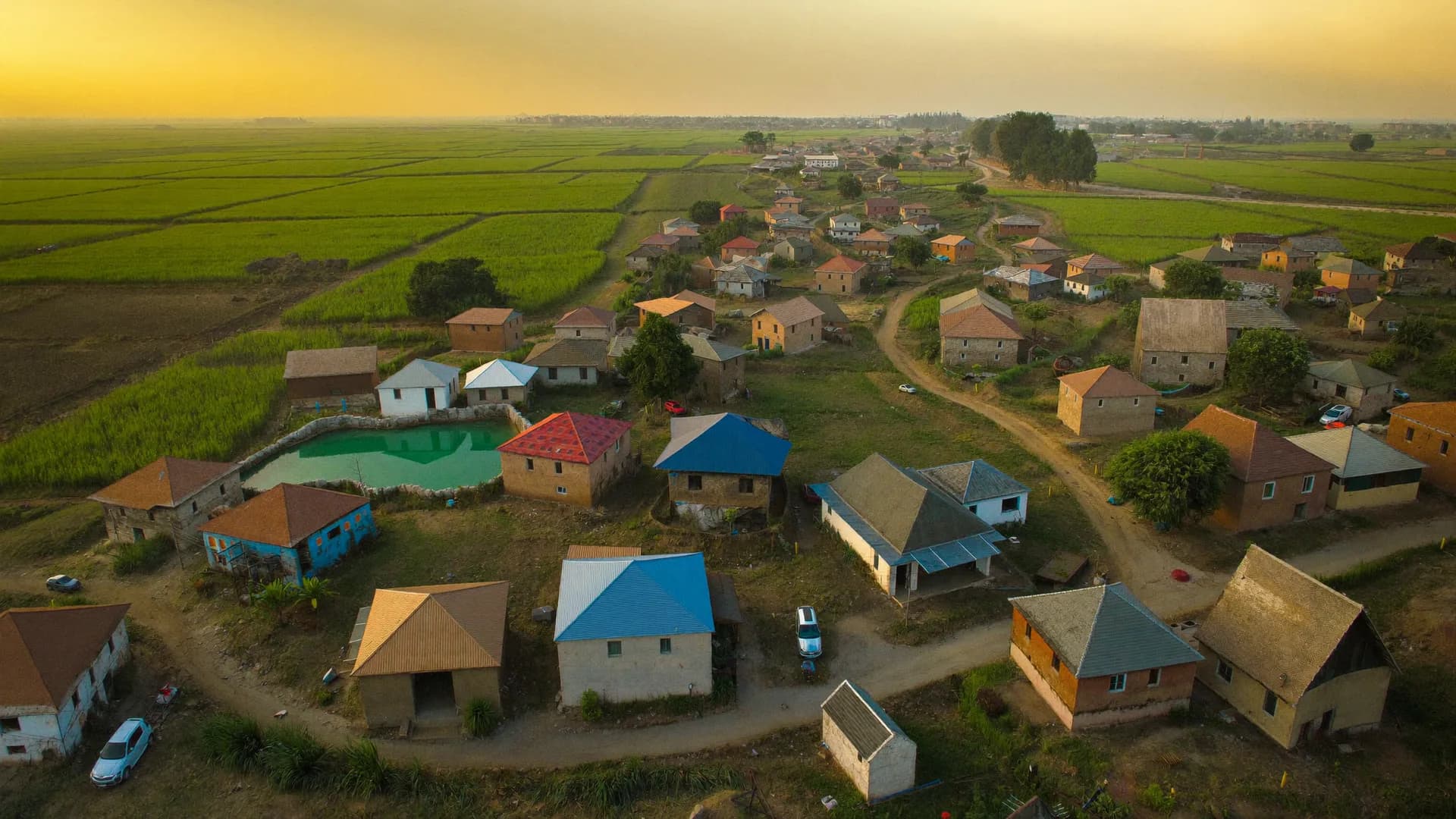
Three hill regions, three district councils, no panchayats
Bharat Survey is a survey company in Meghalaya for departments, CSR teams, researchers, brands and campaign teams working across the Khasi, Jaintia and Garo Hills. We write questionnaires in Khasi, Garo and English, sample through villages led by traditional institutions rather than panchayats, and use an offline app that GPS-stamps each interview through heavy monsoon months.
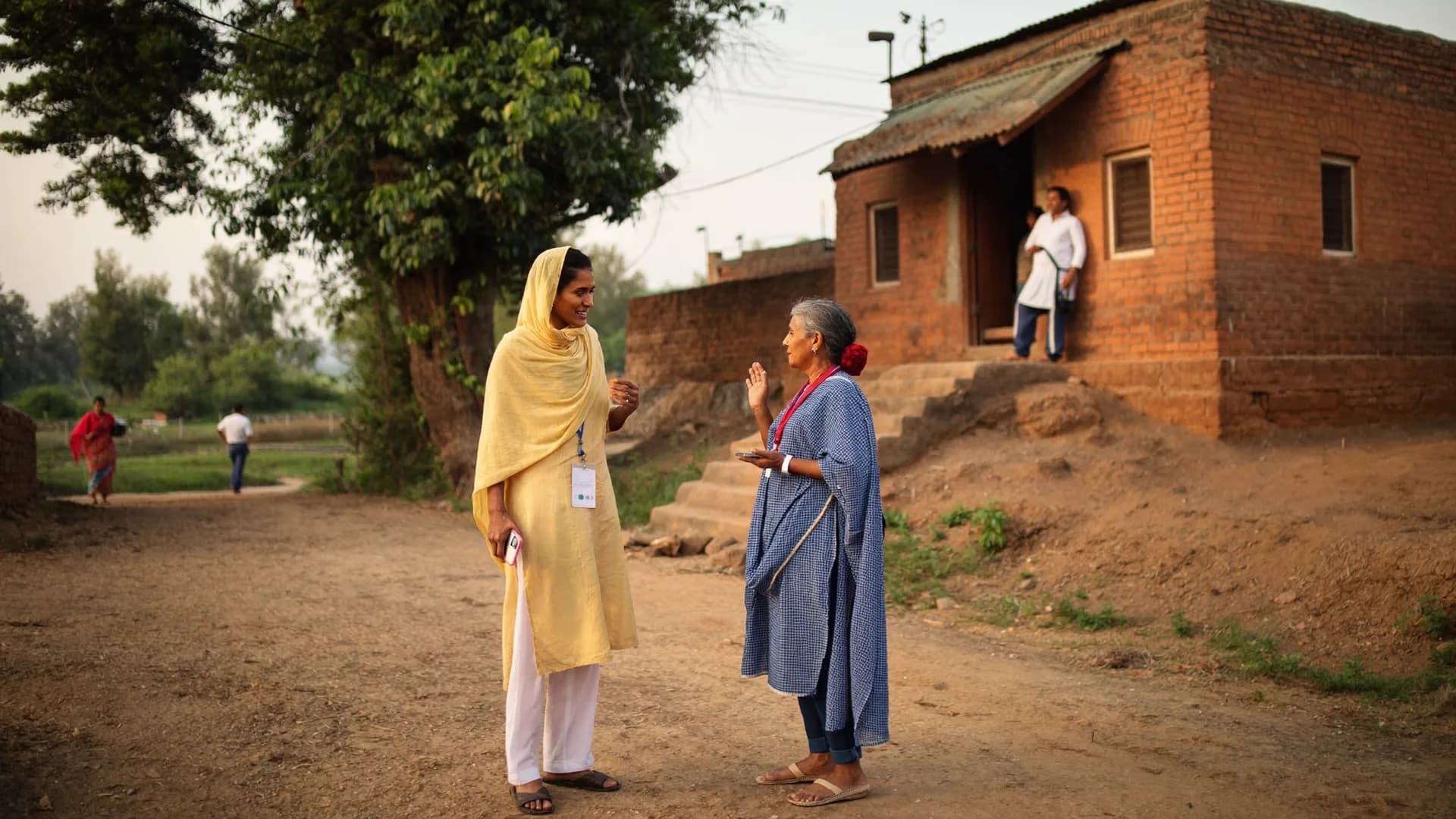
Shillong's Khasi-speaking market and the Garo Hills market around Tura behave like separate states. A single quota misses both.
Sources: Election Commission of India · Chief Electoral Officer, Meghalaya · Meghalaya Government Portal: Districts · The Shillong Times: Eastern West Khasi Hills, 12th district · Akashvani News: Khasi and Garo declared official languages
Shillong, the state capital and East Khasi Hills headquarters, is run by the Shillong Municipal Board, while localities within it keep their own dorbar shnong. As a survey agency in Shillong we list households with locality headmen's knowledge. Campaigns that need a political survey company in Shillong or an election survey agency in Shillong get the same neutral method brands get from a market research company in Shillong. Departments use us as a data collection agency in Shillong that works as a door to door survey agency in Shillong, and booth management app Shillong teams work offline.
Tura, headquarters of West Garo Hills, is the main town of the Garo-speaking west. A survey agency in Tura writes Garo tools and plans around village nokmas. Campaigns brief us as a political survey company in Tura or an election survey agency in Tura, and traders use us as a market research company in Tura. As a data collection agency in Tura we also act as a door to door survey agency in Tura, and booth management app Tura volunteers sync when network returns.
The assembly was last elected in 2023, and the three Autonomous District Councils hold their own elections on separate cycles. An assembly election survey agency Meghalaya campaigns use should keep those calendars apart: council elections turn on land, trade licensing and customary issues that state polls do not.
The booth management app Meghalaya volunteers use stores tasks offline for villages where rain cuts both roads and towers, and syncs with GPS and time. It holds no voter-list personal data.
We recruit and train enumerators for the project, preferring Khasi or Garo speakers from the surveyed region. Forms and GPS stay on the phone until sync, and supervisors review location and duration.
NGOs on maternal health, nutrition or schooling in Meghalaya often work in matrilineal Khasi and Garo households, where the right respondent for a household module may differ from other states. We agree respondent rules with the NGO before the pilot and keep dashboards aggregate.
Straight answers to the questions people ask most about this topic.
No. Meghalaya is a Sixth Schedule state without panchayati raj. Villages are led by traditional institutions such as the dorbar shnong in Khasi and Jaintia areas and the nokma in Garo areas, under three Autonomous District Councils. We build household listings with their knowledge and permission.
Khasi for Khasi and Jaintia Hills, Garo for the Garo Hills, and English where respondents prefer it. Since 2026, Khasi and Garo are official languages alongside English; earlier they had associate status. Each version is back-translated and piloted before fieldwork.
Meghalaya receives very heavy monsoon rain, and landslides can close hill roads for days. We schedule remote villages outside the peak months where possible, keep the app offline-capable, and report any substitution of sampled villages in the methodology note.
We do not claim one. Field teams are deployed per project: we recruit and train enumerators for the study and supervise through GPS, timestamps and back-checks recorded in the app.
Share the districts, languages and timeline. We will reply with a region-wise sampling plan.