
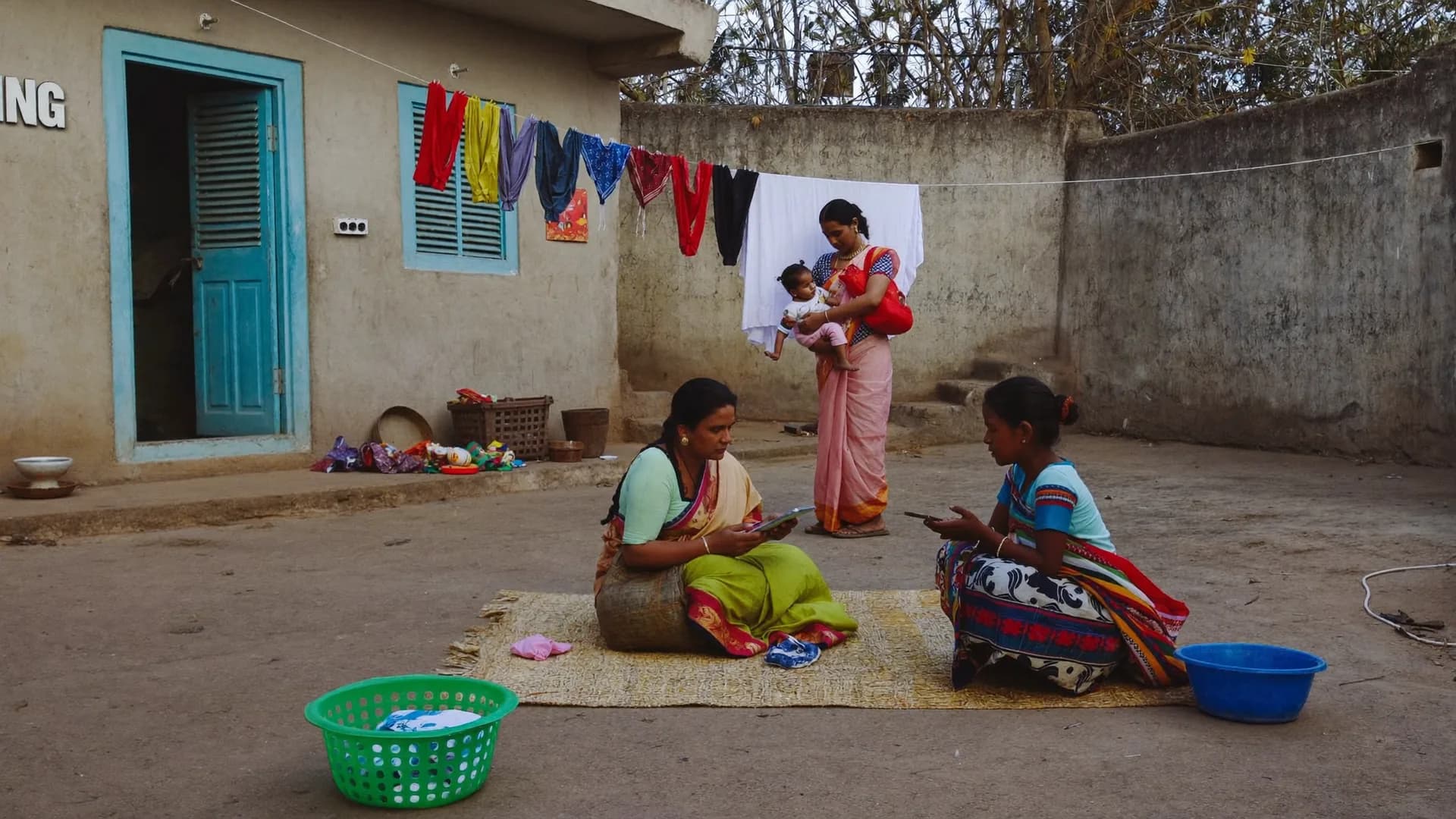
Private interviews, trained women enumerators and safeguarding for every child
Bharat Survey is a survey agency for women empowerment and child welfare NGOs, CSR programmes and research partners. We measure women's income, decision-making, mobility and access to services, and children's schooling, protection and wellbeing. Interviews with women are done by women, in private, and any study involving children follows a written safeguarding protocol agreed before fieldwork begins.
- Women's agency, income and decision-making surveys
- Child protection and schooling studies
- Women enumerators and private interview settings
- Safeguarding protocol and referral pathways
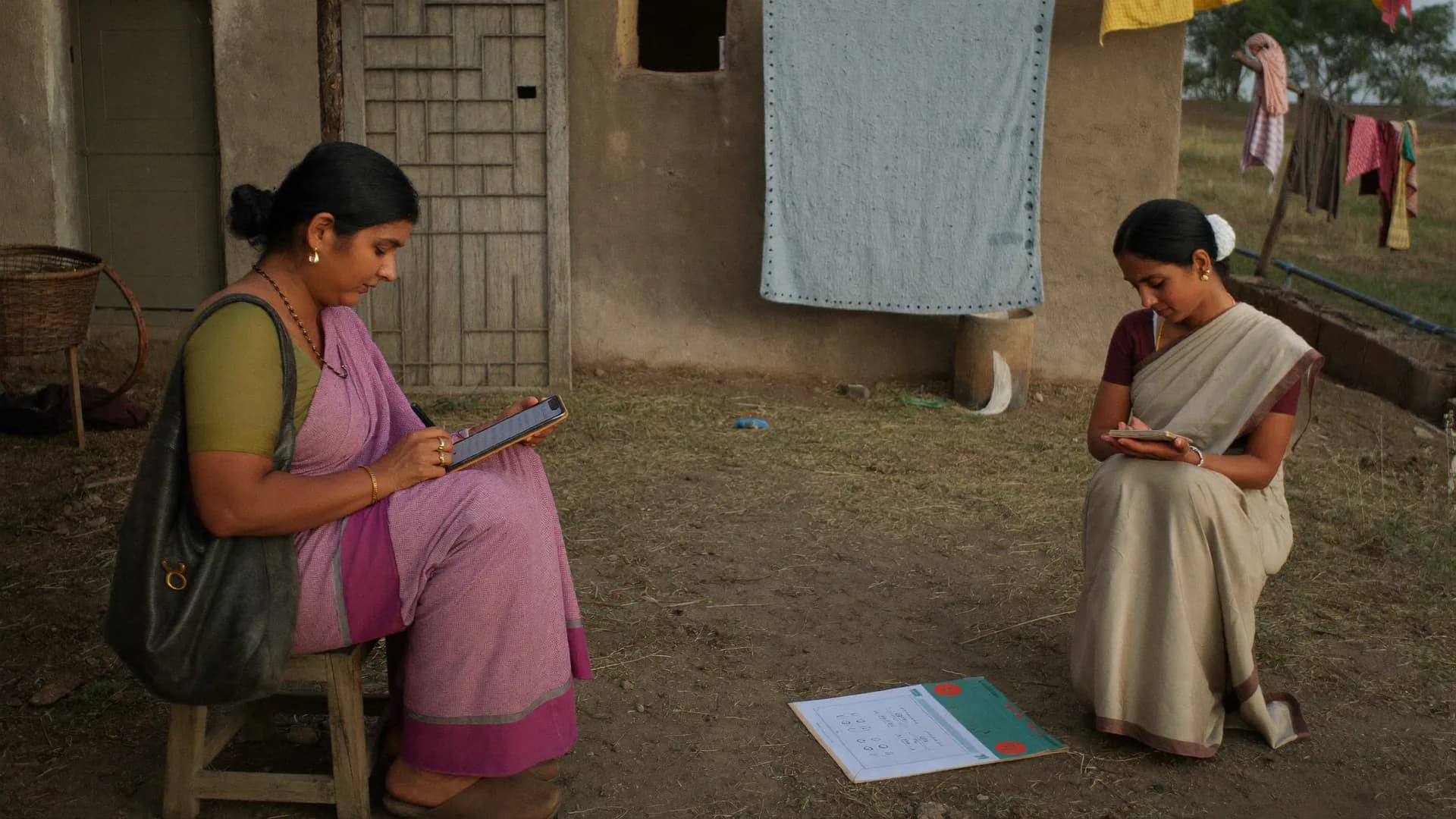
Empowerment is hard to measure because the most important answers are the ones a woman may not give with her husband or mother-in-law in the room.
So privacy is designed in, not hoped for. Interviews with women are scheduled when they can talk alone, conducted by trained women enumerators, and paused if someone enters. Questionnaires use tested modules for decision-making, control over income, mobility and group participation, rather than a single yes-or-no question on whether a woman feels empowered.
Modules we commonly use
Say over major purchases and her own earnings, ability to visit a health facility or market alone, membership and voice in collectives, access to a bank account she operates, and time use across paid and unpaid work.
Privacy rules in the field
- Women enumerators for women respondents
- Interview alone or stop
- Neutral cover topic if interrupted
- No sensitive module on shared phones
- Optional questions clearly marked
Each setting needs a different permission and a different way of asking.
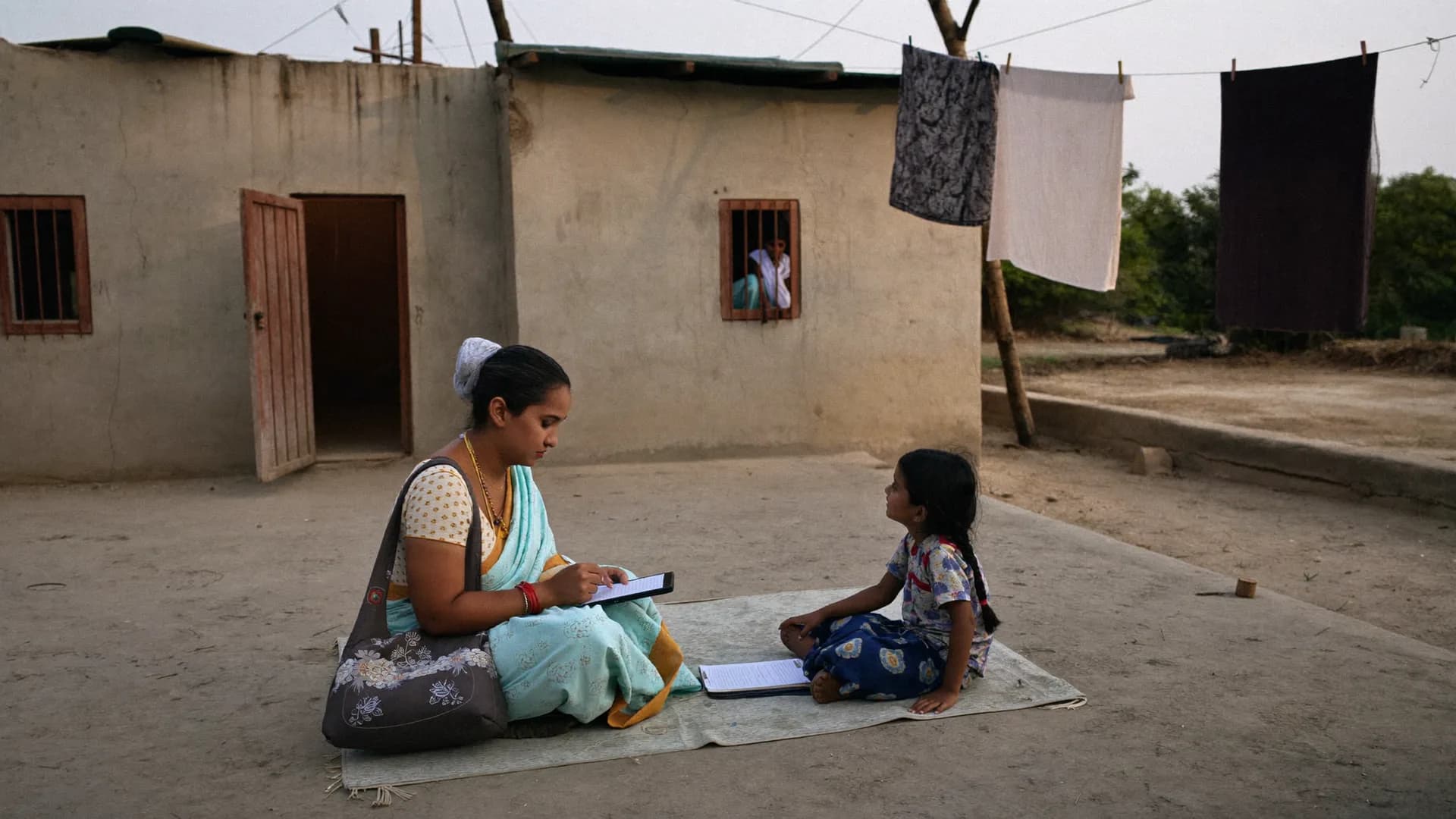
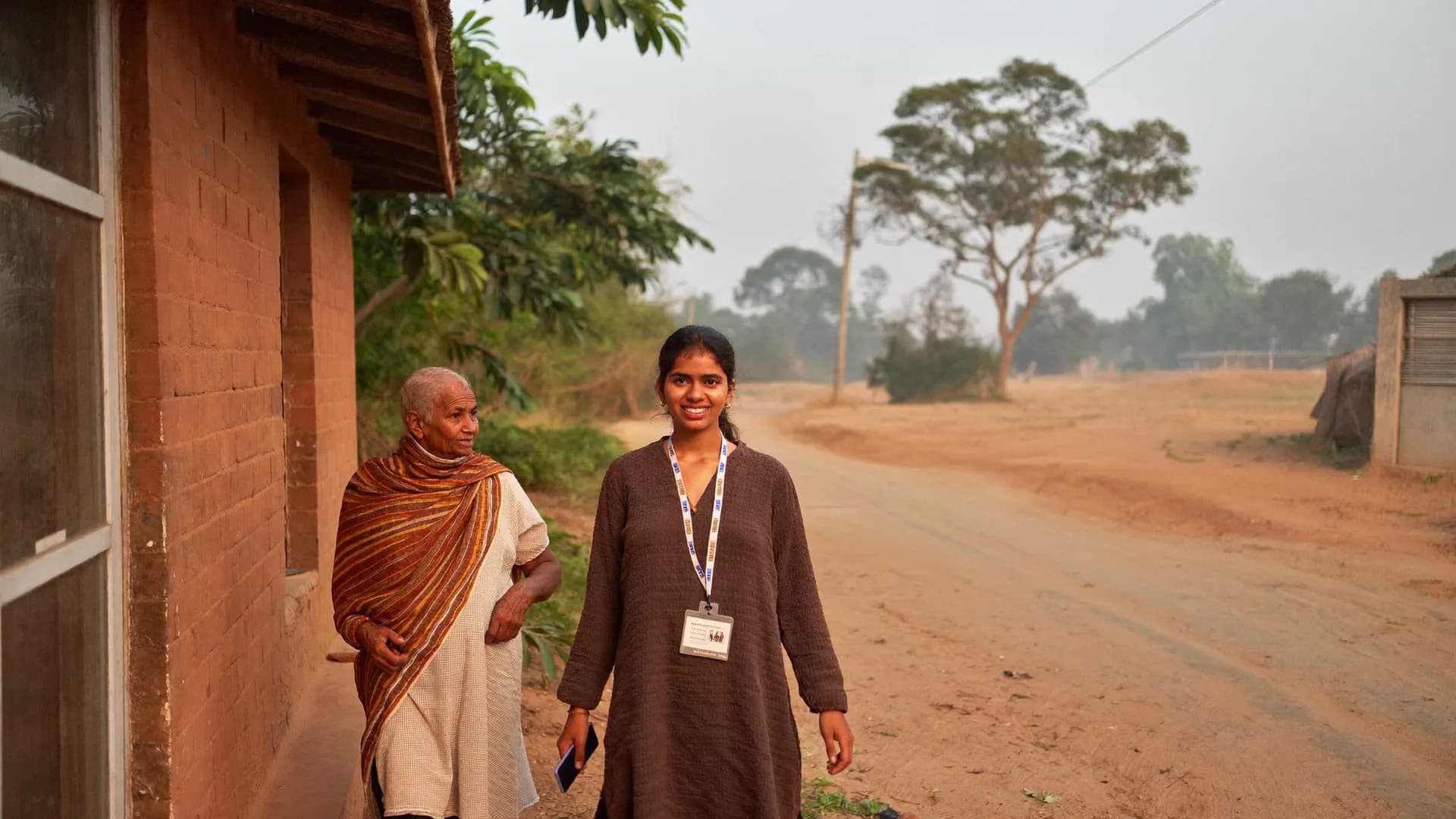
The National Commission for Protection of Child Rights monitors laws such as the POCSO Act, the Juvenile Justice Act and the Right to Education Act. Surveys involving children must respect the same protections.
Before fieldwork
- Written safeguarding protocol signed by all staff
- Parent or guardian consent and child assent
- Child helpline and child welfare committee contacts listed
- Ethics review where the topic requires it
During interviews
- Never alone with a child out of sight of others
- Age-appropriate, short questions
- No photos of children without explicit consent
- Stop and refer if a child discloses harm
After fieldwork
- No child names in datasets
- Small groups suppressed in reports
- Restricted access to raw data
- Disclosure handling documented
Our position
A good baseline measures outcomes the programme can realistically change within its timeframe, such as savings, group participation or girls' attendance, alongside longer-term outcomes like age at marriage that may shift only over years. We agree which outcomes the endline will test before fieldwork, so the evaluation is not judged on indicators the programme never aimed to move within the period.
- Women's income and control over it
- Participation in collectives and local bodies
- Girls' enrolment, attendance and transition
- Child protection risk indicators
- Access to entitlements and services
Monitoring support
During the programme
- Regular rounds on outputs and early outcomes
- Tools for your field staff
- Dashboards by village and cohort
- Quick flags on safeguarding concerns
Independent evaluation
Baseline, midline and endline
- Enumerators independent of programme staff
- Comparison groups where feasible
- Methods and limits documented
- Findings reported to the funder and NGO together
Data collection app for Women Empowerment and Child Welfare NGOs
Community mobilisers and case workers record group sessions, household visits and referrals offline, with role-based access so sensitive notes are seen only by named supervisors and records leave the phone after sync.
- Role-based access to sensitive fields
- Encrypted on device until sync
- Referral follow-up tracking
Hello, I am Ram Kumar. This survey is run by Sample Organisation. Purpose: to learn about amenities in your area. It is voluntary, and you can say no at any time.
Not the right fit if
- Investigating individual abuse cases
- Gender-based violence prevalence studies without specialist protocols and ethics approval
- Interviewing children without guardian consent
- Sharing identifiable data with employers, families or authorities
A good fit if
- Women's empowerment baselines and endlines
- Girls' education and child protection surveys
- Private, women-led interviewing
- Safe data tools for community workers
Straight answers to the questions people ask most about this topic.
Do you always use women enumerators for women respondents?
Yes, for interviews with women on empowerment, health, safety or household decisions. Teams are recruited and trained accordingly, and field schedules allow for safe travel. Where a study also interviews men, male enumerators handle those interviews separately.
What happens if a child discloses abuse during a survey?
The enumerator stops the interview, stays calm and follows the safeguarding protocol agreed before fieldwork. That includes informing the designated safeguarding lead and, where required, contacting the child helpline or the relevant authorities. We never promise a child secrecy we cannot keep.
Can you measure women's empowerment reliably?
More reliably with several tested modules than with one question. We combine decision-making, control over income, mobility and participation items, interview in private, and report each dimension separately so a gain in one does not hide a loss in another.
Do you run surveys in schools and anganwadi centres?
Yes, with permission from the relevant department or institution and consent from parents. Visits follow institutional timings and do not interrupt teaching or nutrition services.
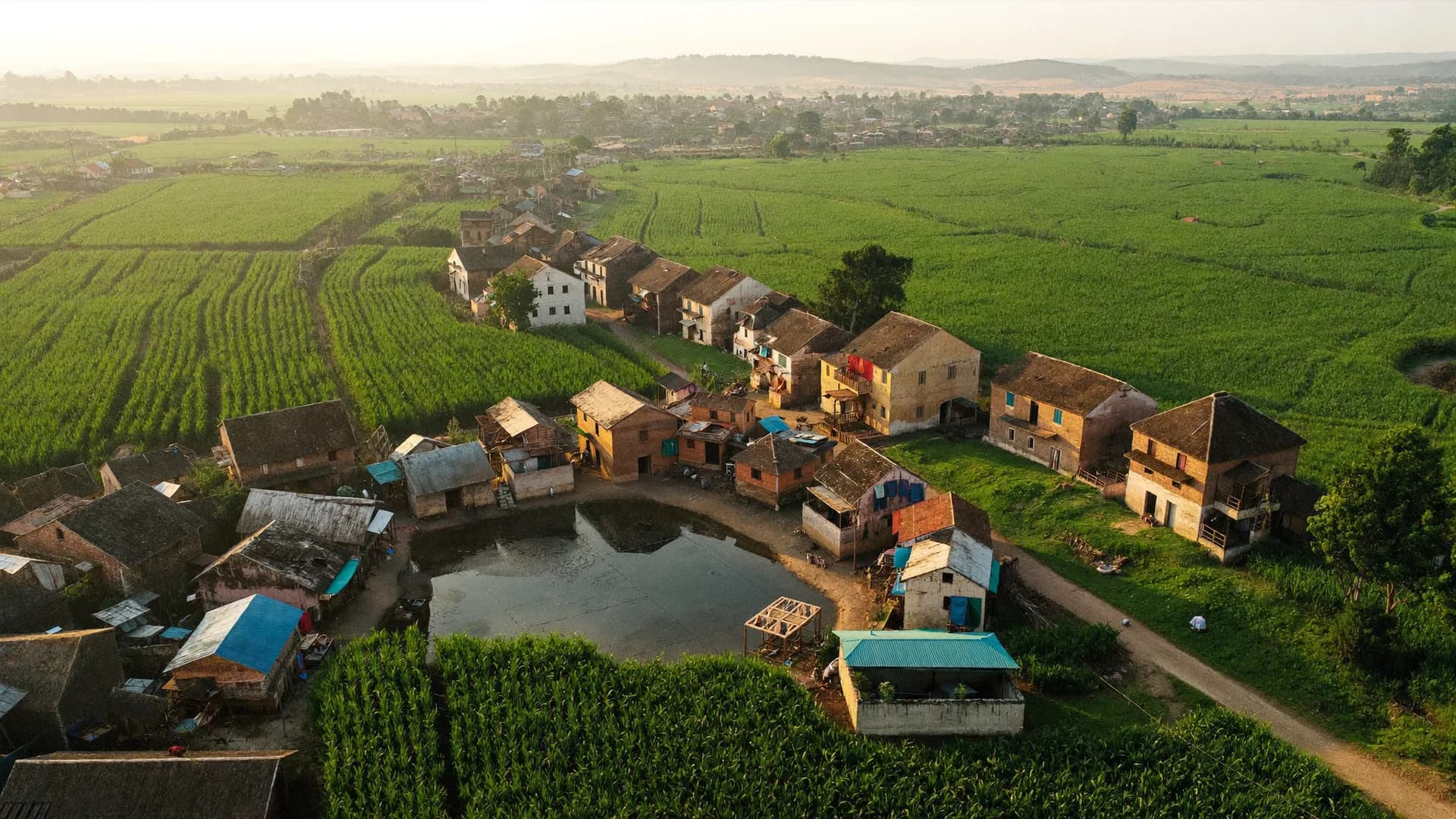
Share the programme, geography and outcomes. We will reply with a design and the safeguarding steps it needs.