
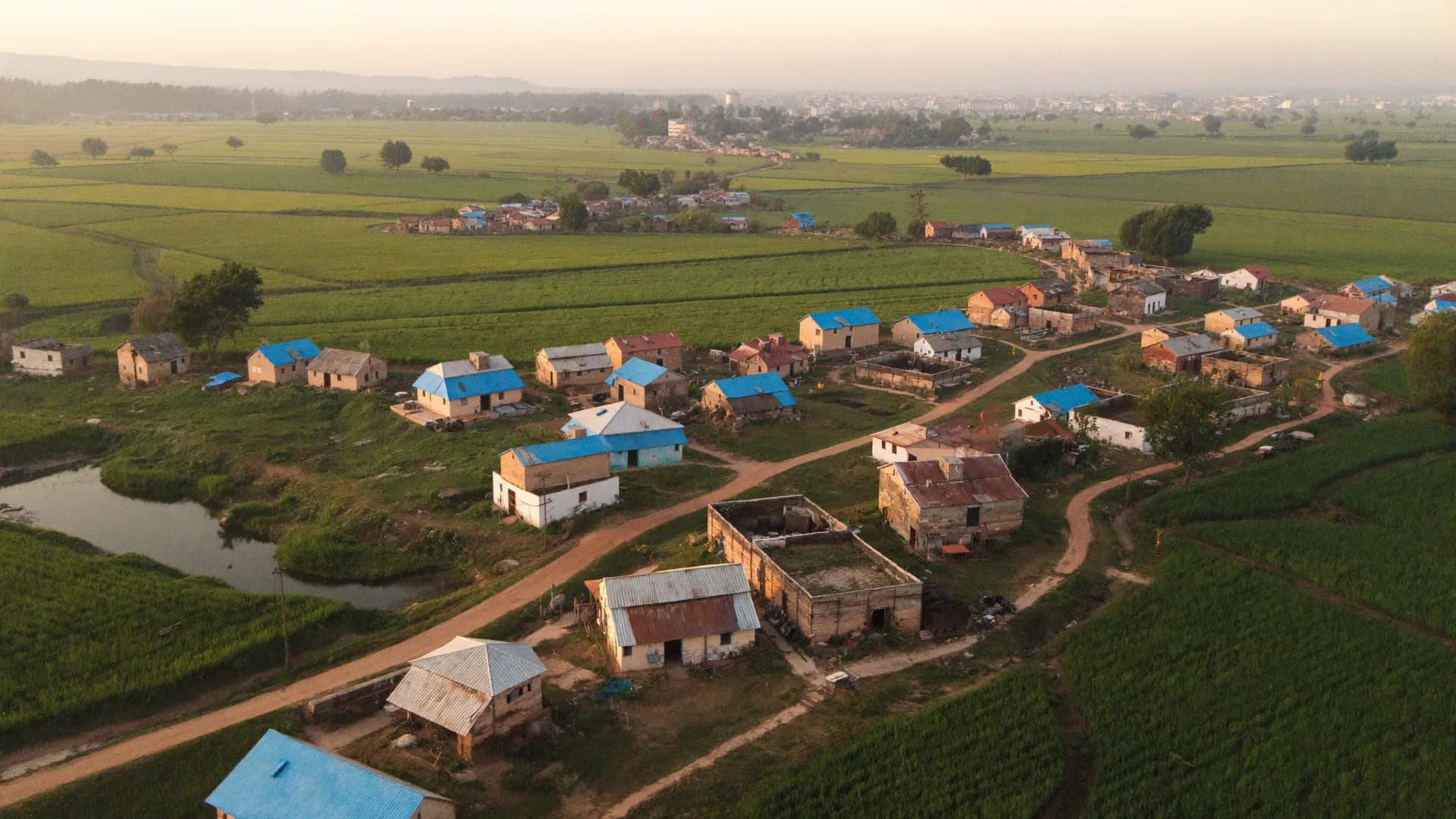
Independent patient voice, facility checks and community coverage data
Bharat Survey is a survey agency for public health departments and hospitals that need patient and community evidence collected independently of the staff being assessed. We run patient exit interviews, facility readiness assessments and household coverage surveys, and we set up feedback apps hospitals can run themselves. Every interview is time-stamped and location-checked, and patient identity is kept out of analysis files.
- Patient exit interviews at OPD, IPD and labour rooms
- Facility assessments with geo-tagged evidence
- Household coverage and utilisation surveys
- Feedback apps for quality teams
Hello, I am Ram Kumar. This survey is run by Sample Organisation. Purpose: to learn about amenities in your area. It is voluntary, and you can say no at any time.
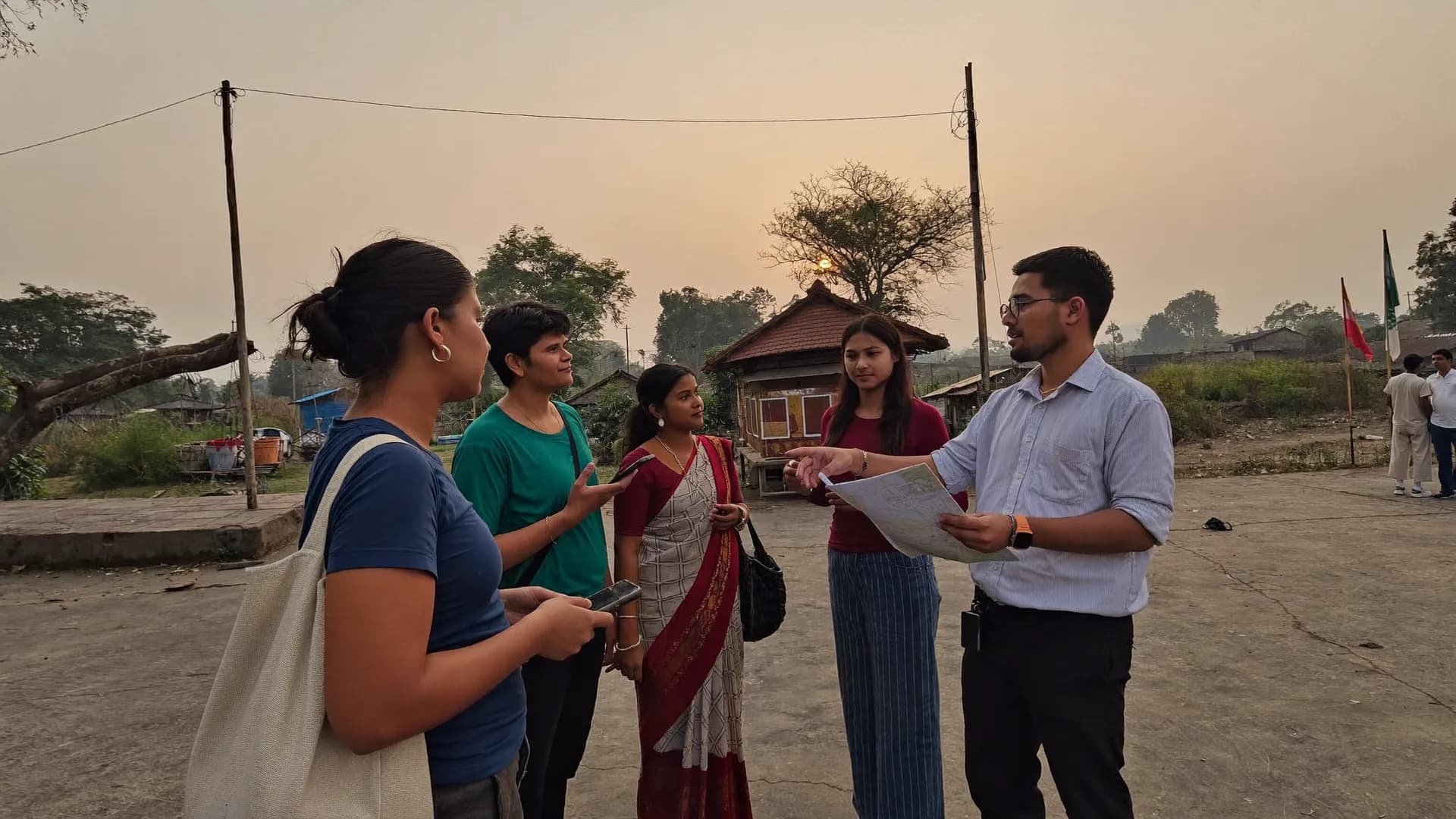
State and district health departments
District and medical college hospitals

Private and trust hospitals
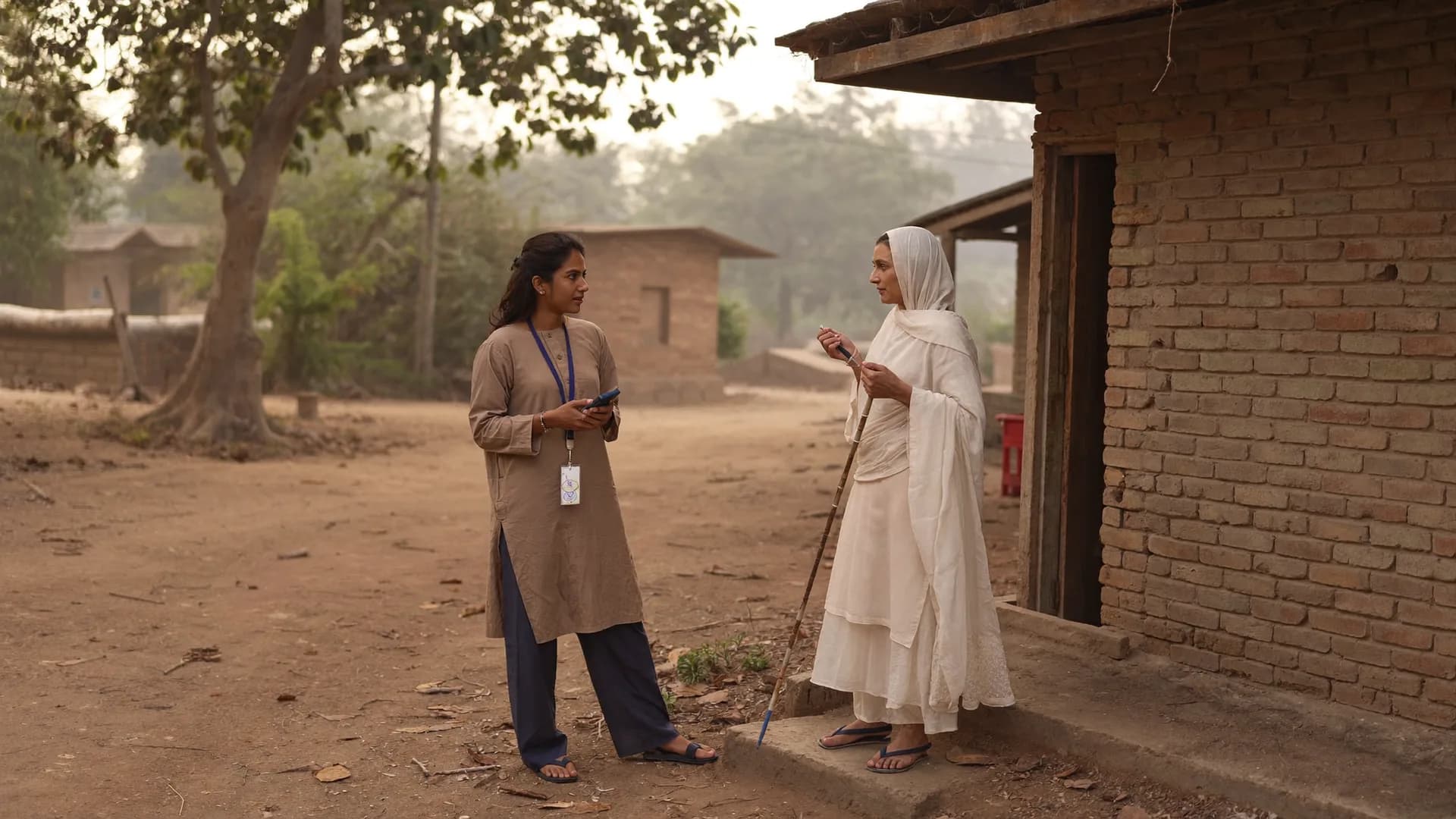
Urban health programmes
Public facilities are certified against the National Quality Assurance Standards, which cover areas such as patient rights, clinical care, infection control and outcomes, and certification guidance links patient satisfaction to feedback collected through the Mera Aspataal system. Private hospitals seeking NABH accreditation must show mechanisms for patient feedback and complaint redress.
What an outside survey adds
Self-reported feedback systems hear from patients who choose to respond. An independent exit interview samples patients systematically by department and shift, asks the same questions every round, and is conducted by someone the patient does not associate with the hospital. That makes it useful for checking whether routine feedback reflects the whole patient population.
We do not
- Certify facilities under NQAS or NABH
- Access Mera Aspataal data
- Review clinical records
- Interview patients during treatment
Sampling by department and shift
Consent and privacy
Survey app for Public Health Departments and Hospitals
Department-level report
Our position
In the scope or RFP
- Departments, facilities and shifts to cover
- Sample per facility and how it is drawn
- Interviewer independence from facility staff
- Back-check share and method
On privacy
- No names, bed numbers or diagnoses
- Consent text in local language
- Data retention period
- Who can see raw records
In the deliverables
- Facility and department scores
- Theme-coded complaints
- Clean data and codebook
- Methods and limits note
Not the right fit if
- Clinical audits or medical record reviews
- Accreditation or certification decisions
- Hospital information system integration without your IT team
- Interviewing patients who are acutely unwell
A good fit if
- Independent patient exit interviews
- Facility readiness assessments across districts
- Community coverage and utilisation surveys
- Feedback apps for hospital quality teams
Straight answers to the questions people ask most about this topic.
Can you run patient surveys in government hospitals?
Yes, with written permission from the hospital or department. Interviewers work at agreed points such as OPD exits and discharge counters, carry authorisation letters, and follow the facility's rules on movement and timing.
Does your survey replace Mera Aspataal feedback?
No. Mera Aspataal is the government's patient feedback system and continues as is. An independent exit survey is a separate check that departments can use to compare systematic samples with self-reported feedback.
Do you collect any patient medical information?
Not by default. Questions cover experience, waiting time, costs and respect, not diagnoses. If a study genuinely needs health information, it goes through ethics review and consent designed for that purpose.
Can hospital quality teams run surveys themselves?
Yes. Quality teams can use the offline Android app and dashboard on a seat basis, and we can add periodic independent rounds so internal and external results can be compared.

Share the facilities, departments and timeline. We will propose a sampling plan and privacy protocol.