
40 seats
01 / 03Vidhan Sabha survey rounds
The assembly elected in 2022 serves a five-year term. Tracking rounds are spaced so each seat gets enough interviews, not just the state total.
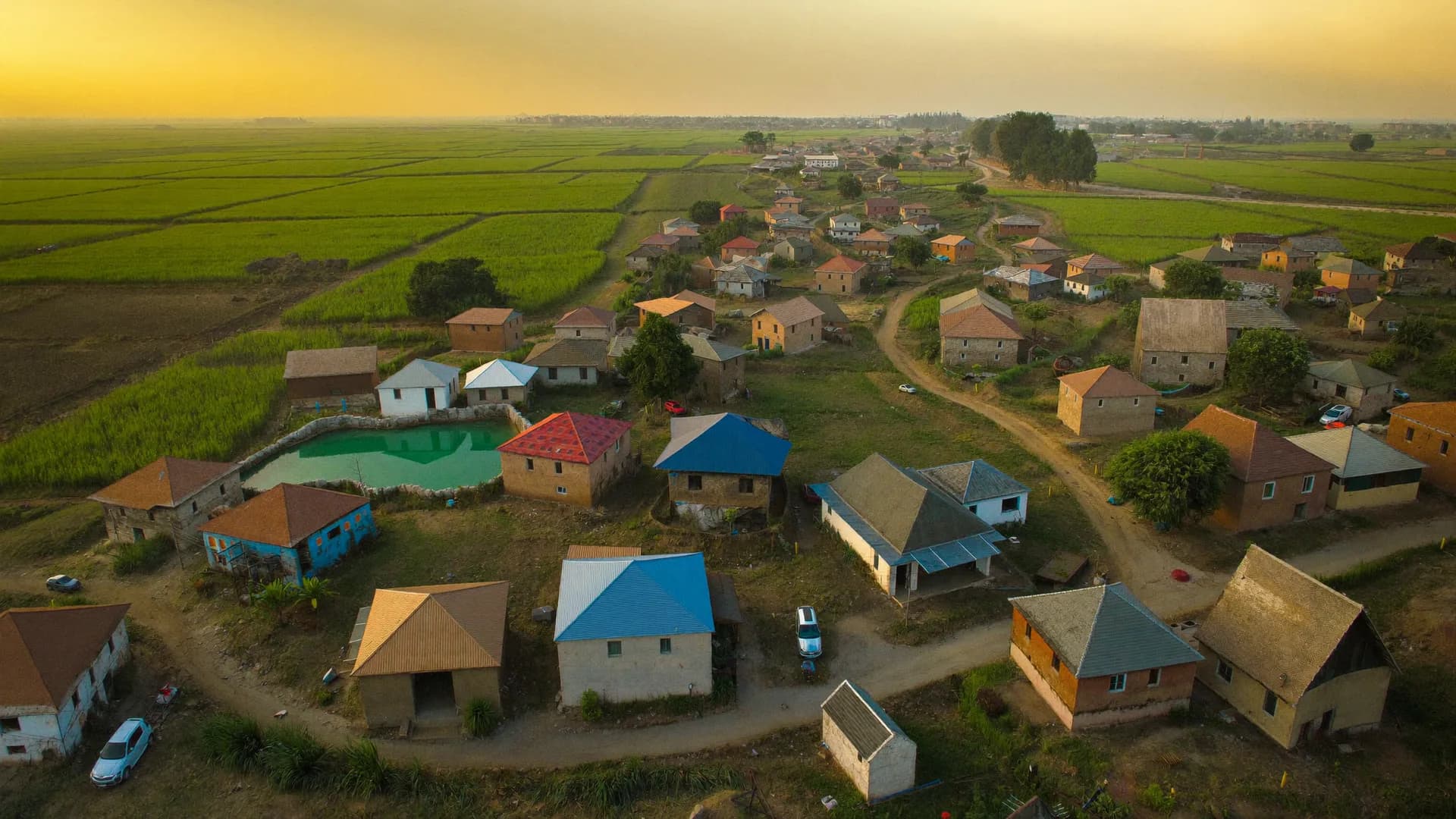
Small state, 40 tight constituencies, very different villages
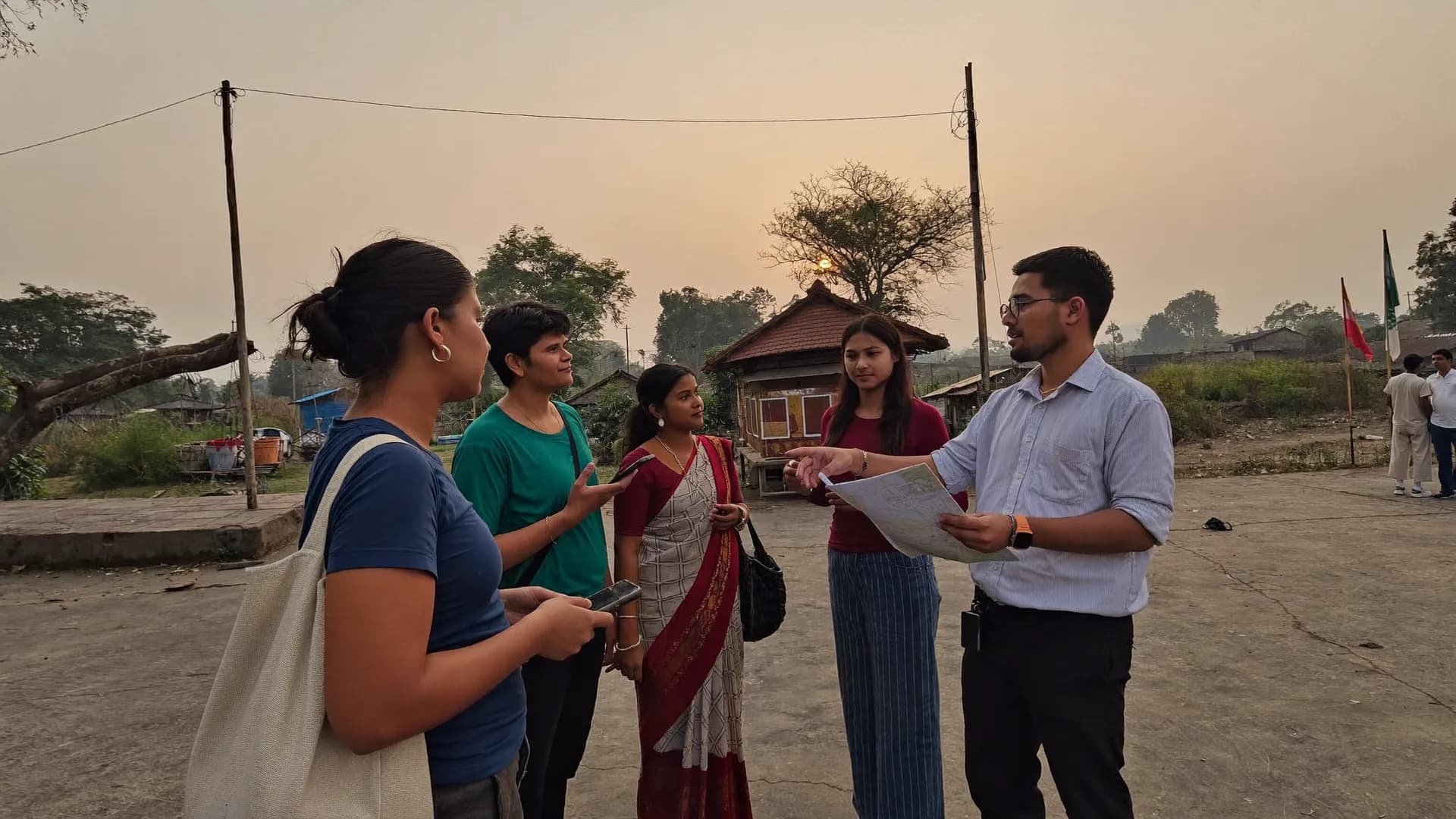
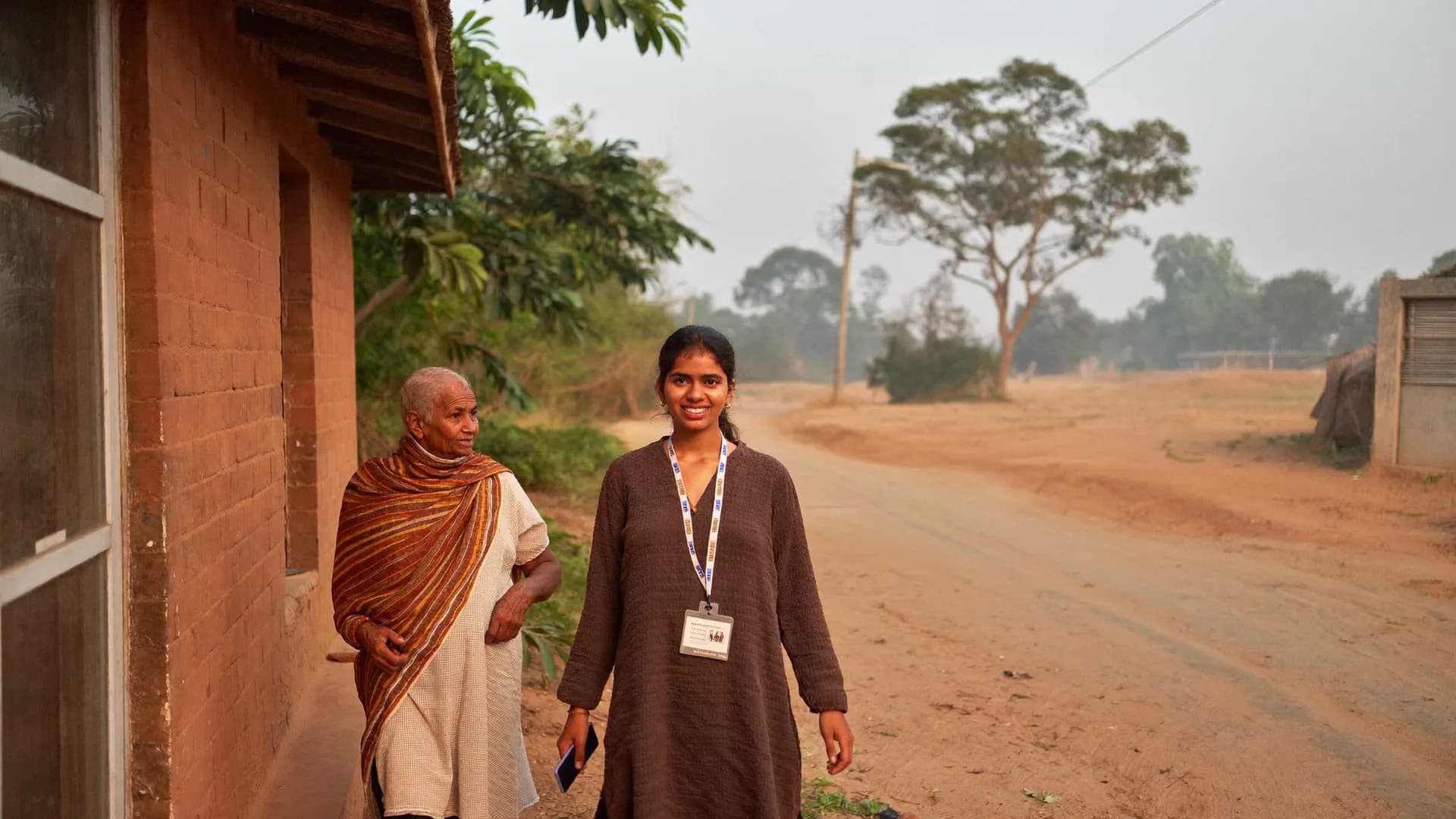
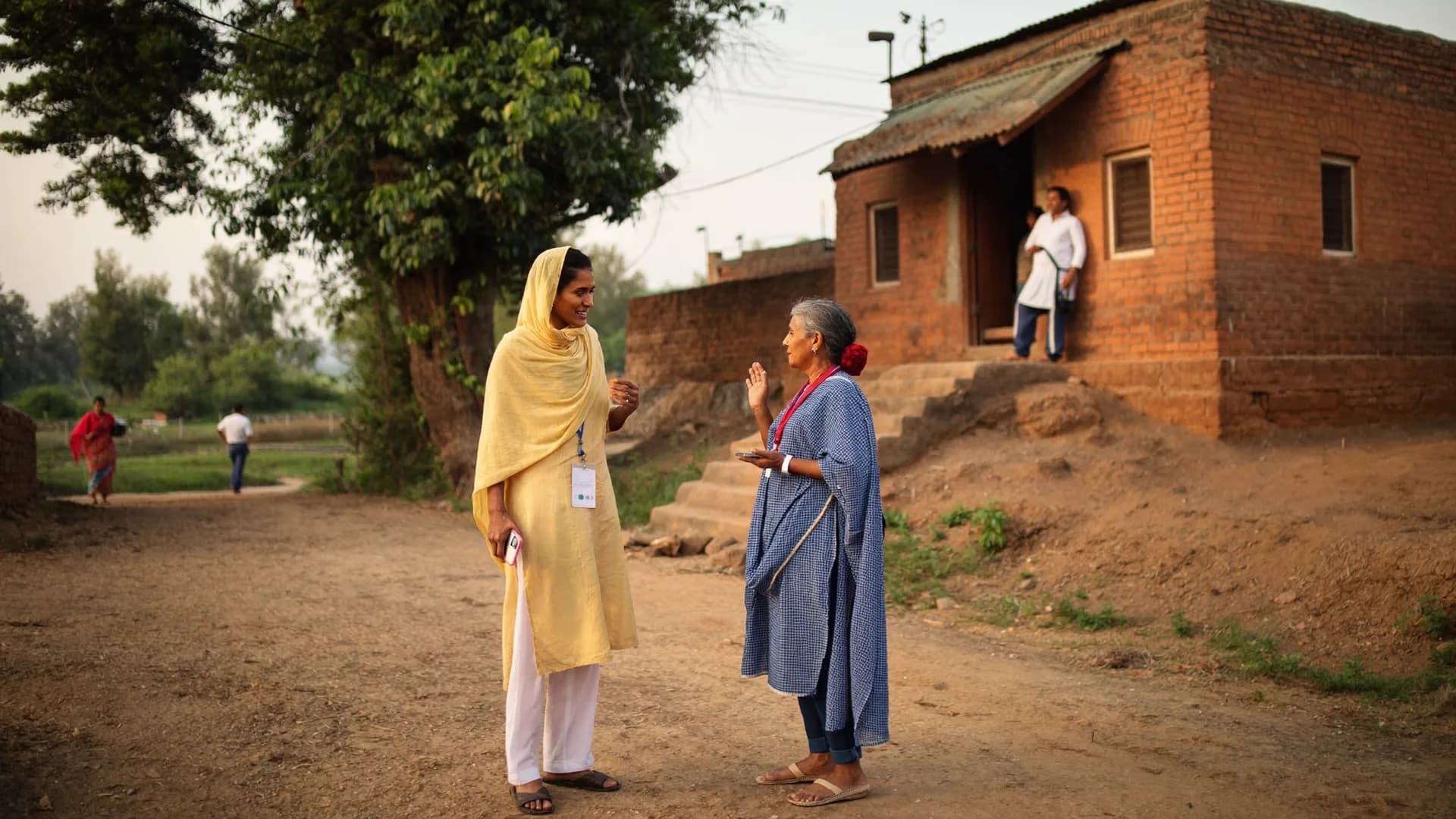
Bharat Survey is a survey company in Goa for campaign teams, departments, CSR foundations and brands that need household evidence beyond the tourist belt. We recruit and train enumerators for each project, interview in Konkani, Marathi and English, and use an offline Android app that GPS-stamps every visit, from Pernem to Canacona.
Sources: Goa State Election Commission: duties and local bodies · Chief Electoral Officer, Goa · The Goan: Kushavati notification
Goa's 40 assembly seats have small electorates, so a statewide sample of 2,000 says almost nothing about any single seat. As an assembly election survey agency Goa campaigns can brief, we size samples per constituency and stratify by village panchayat and municipal ward, so Margao town and the Salcete villages around it are read separately.
Questions are asked in Konkani by default, in Marathi where households prefer it, and in English in parts of Panaji and Porvorim. Reports are neutral and never name a client party.
The booth management app Goa volunteer teams use assigns areas, tracks visits and syncs offline records. It does not import voter-roll personal data or track individual voters.
Goa votes at three levels, each with its own rhythm.
The assembly elected in 2022 serves a five-year term. Tracking rounds are spaced so each seat gets enough interviews, not just the state total.
North Goa and South Goa each span 20 assembly segments; we report by segment as well as by seat.
Elections to the Corporation of the City of Panaji, 13 municipal councils, zilla panchayats and village panchayats are run by the Goa State Election Commission, often on ward maps that change between cycles.
Department studies in Goa usually need small, precise samples rather than huge ones.
Goa's small population makes full enumeration of beneficiaries practical for some schemes, where larger states must sample. We tell you in the inception report whether a census or a sample fits the question, agree the evaluation matrix, pilot the Konkani tools in a non-sample village and back-check a fixed share of households with independent supervisors.
From June to September heavy rain slows travel into the Western Ghats talukas. The app works offline, but access is the constraint, so we plan hinterland clusters before or after the peak weeks.
| Month range | Good for | Watch out for |
|---|---|---|
| October–November | Household surveys statewide | Festival weeks |
| December–February | Tourist and hospitality research | Residents harder to find in beach belt |
| March–May | Hinterland and mining villages | Heat, cashew harvest work |
| June–September | Urban ward surveys | Heavy rain in Ghats talukas |
For non-profits working on migrant labour, fisheries, disability or education.
Straight answers to the questions people ask most about this topic.
Konkani is the default, written in Devanagari as used officially, with a Marathi version for households that prefer it and English for parts of Panaji and Porvorim. Migrant worker samples can use Hindi. Every version is back-translated and piloted before fieldwork starts.
It depends on how close the contest is and which sub-groups you want to read. Because Goa seats are small, even a few hundred interviews per seat can be informative if they are spread across every panchayat and ward. We share the calculation instead of a fixed number.
We do not claim a local office. Field teams are deployed per project: we recruit and train enumerators for the talukas in scope and check quality through GPS location, interview duration flags and independent back-checks visible on the web panel.
Yes, but the beach belt changes. Many residents work long hours and short-stay visitors inflate footfall, so we schedule resident interviews for mornings and state the fieldwork month in the report so results can be read in context.
Tell us the constituencies or talukas, languages and dates. We reply with a sample plan and timeline.