
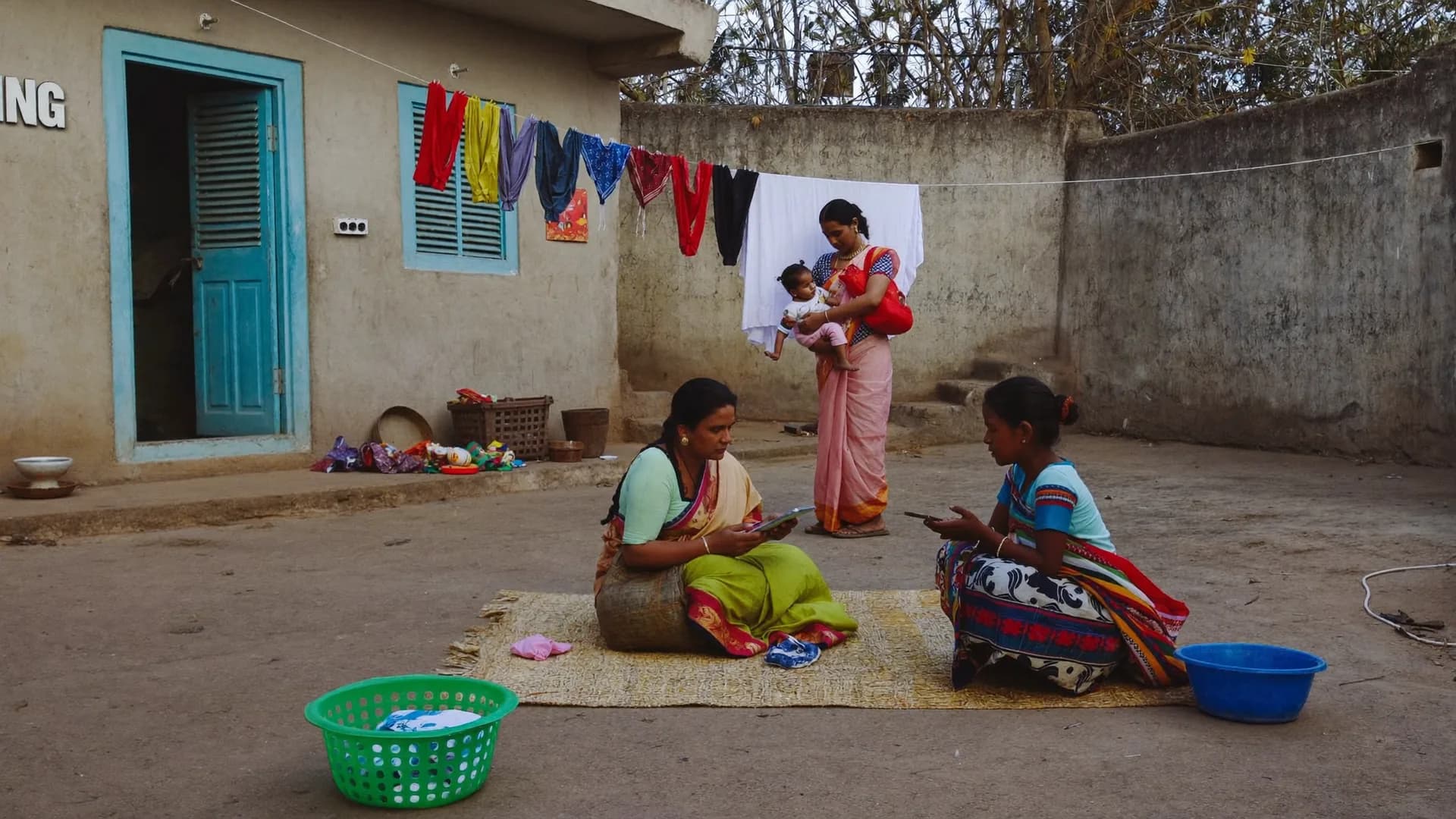
Community health studies and follow-ups, not validated regulatory trials
If you are comparing electronic data capture EDC software in India for a health study, start with one question: does the protocol need a system validated for regulated clinical trials? If it does, Bharat Survey is not that system. If your study is observational, community-based or runs household follow-ups in low-network districts, our offline Android app gives investigators structured forms, consent records, location evidence and supervisor review.
- Offline forms for households, camps and outreach sites
- Consent recorded before the first question
- Location, time and duration on each record
- No GCP, 21 CFR Part 11 or HIPAA validation claimed
Not the right fit if
- Interventional drug or device trials that need a validated EDC with audit-trail certification
- Studies whose sponsor requires 21 CFR Part 11, GCP-validated or HIPAA-attested software
- Randomisation, drug accountability or adverse-event reporting to regulators
- Patients completing questionnaires alone on their own phones
A good fit if
- Observational and cross-sectional community health studies
- Household follow-ups in districts with weak network
- Screening camps and outreach where proof of location matters
- Programme evaluations run by NGOs, CSR teams and departments
A large share of health research in India never enters a hospital case report form. It happens at doorsteps, anganwadi centres, school health camps and village screening sessions. Here the difficulties are practical: no network for days, long household rosters, enumerators who must be supervised from a district office, and investigators who need to know that each visit really took place.
What the app records
Structured forms with skip logic and range checks, repeat groups for household members, consent before the interview, the visit outcome if no one is home, and a location captured when the enumerator taps. Records are encrypted on the phone until they sync. After sync, the location is compared with the assigned village or ward and labelled, and supervisors can back-check a share of households.
What it does not claim
We do not describe Bharat Survey as a HIPAA compliant survey tool. HIPAA is a United States law and we have not been assessed against it. For Indian studies, the relevant frame is the Digital Personal Data Protection Act, 2023, the ICMR National Ethical Guidelines and your ethics committee's conditions, and we will walk your team through how consent, access and retention are handled.
Ask any EDC vendor
- Which validation documents exist?
- Who can edit a submitted record?
- Is every change audit-logged?
- Where is data hosted?
- How long is data retained?
The form engine was built for surveys. Many case-report-style instruments translate well; some trial workflows do not.
Case-report style forms for follow-up visits
Visit forms with required fields, numeric ranges for measurements, date checks between visits and conditional sections for symptoms or referrals. Each published change creates a new form version, and each record keeps the version it was collected on.
- Stable participant IDs across visits
- Range and consistency checks
- Versioned forms
- Comes regularly
- Comes sometimes
- Rarely / never
- Don't know
Supervisor review before data counts
Records with short durations, locations outside the assigned area or mock GPS go to a queue. A supervisor accepts, sends back for correction or rejects with a reason, and that action is logged.
- Back-check forms
- Correction requests
- Logged decisions
- In areaInside approx. boundary
- Accuracy±12 m
- Time09:42 · fresh fix
- Mock GPSNot detected
- Interview length11 min
Our position
Patient reported outcomes can be collected three ways. Only two fit Bharat Survey today.
Interviewer-administered
Tablet handed over at a clinic or camp
Self-completion on the patient's own phone
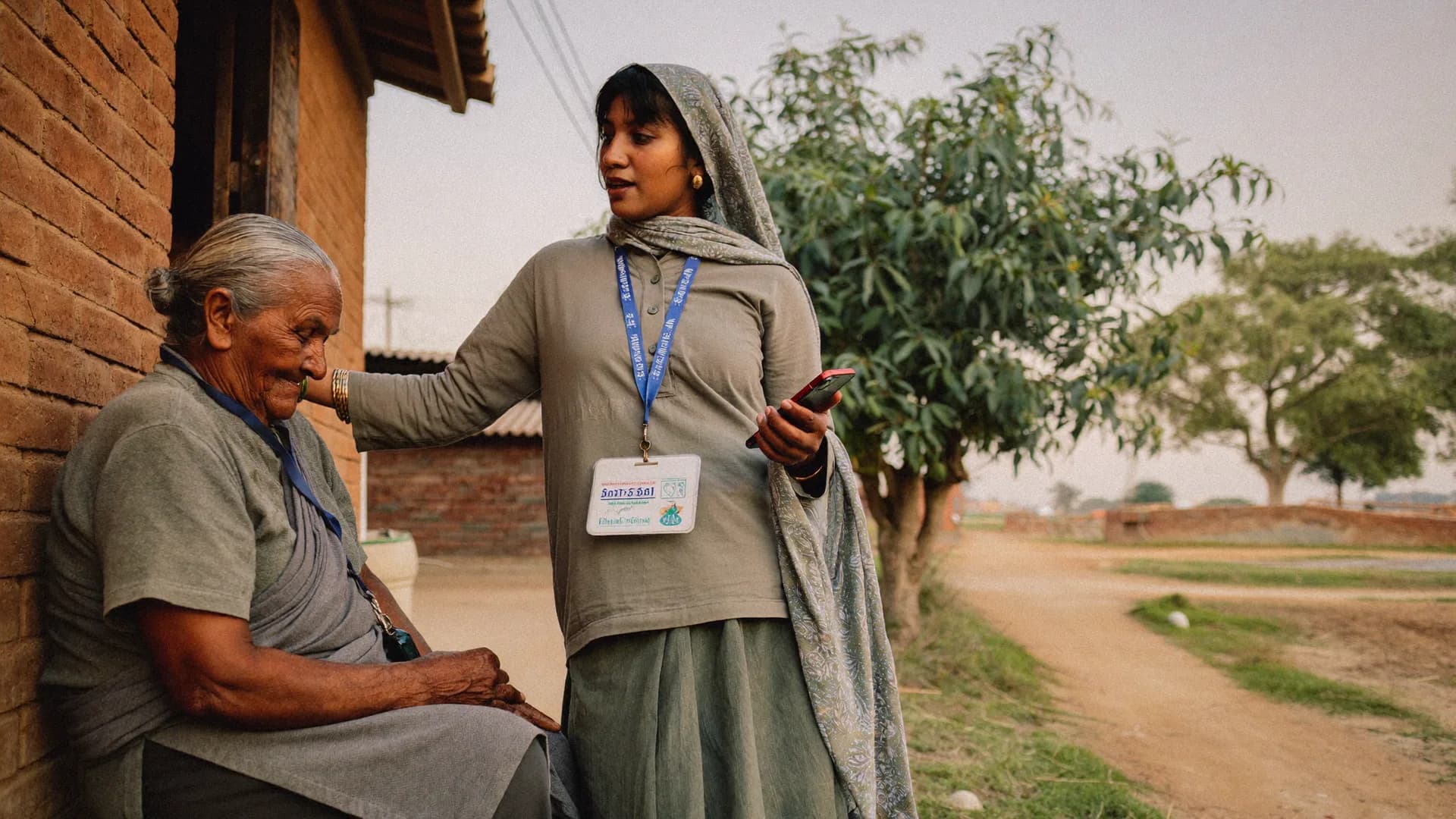
Household follow-ups
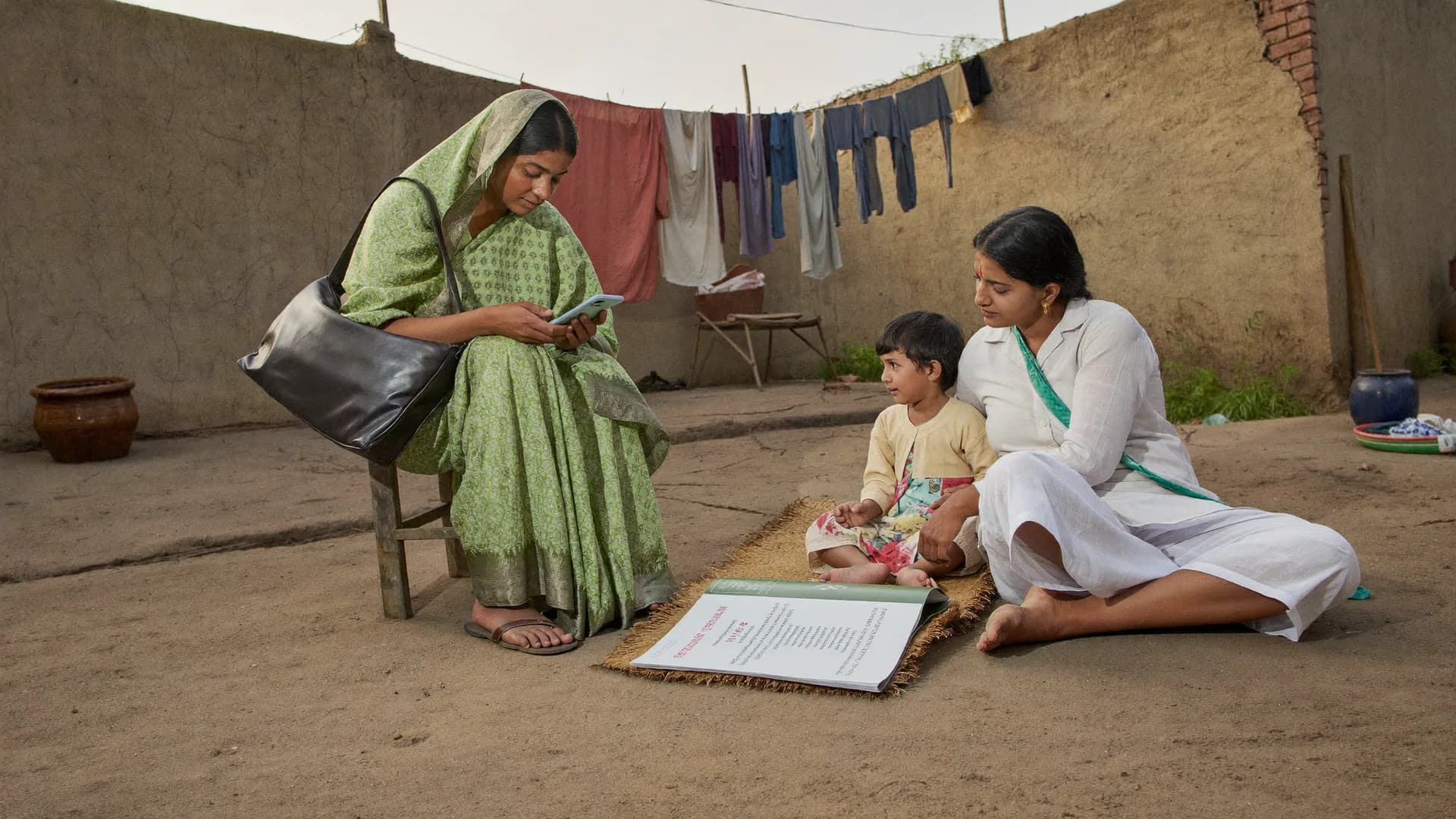
Screening camps
Facility surveys
Hard-to-reach areas
Choose a validated EDC if
- The study is regulated under the New Drugs and Clinical Trials Rules
- The sponsor audits against GCP or 21 CFR Part 11
- You need randomisation or safety reporting modules
- Data entry happens mainly at hospital sites
A field data app fits if
- Most data comes from homes, camps or villages
- Network is unreliable for long stretches
- You need evidence of where each visit happened
- Enumerators need daily supervision from far away
Many studies use both
- Site data in the EDC
- Community follow-ups in the field app
- Shared participant ID and codebook
- Merged at analysis
Straight answers to the questions people ask most about this topic.
Is Bharat Survey a validated EDC for clinical trials?
No. We have not validated the software against GCP or 21 CFR Part 11 and do not claim HIPAA compliance. It is suited to observational, community and programme studies. For interventional trials regulated in India, use an EDC with validation documentation your sponsor accepts.
How is patient consent recorded?
The consent text approved by your ethics committee appears before the first question. The enumerator records the participant's decision, and a refusal is saved as an outcome. The form cannot proceed to questions without a recorded consent decision.
Can health data stay on the phone safely without network?
Records are stored encrypted on the device and sync when the network returns. Tell us your ethics committee's conditions on device handling, access and retention, and we will explain how access roles and data retention are set up for your project.
Can enumerators collect data in regional languages?
Yes. Forms can be written in the language of the study area. The app interface is Hindi-first with English, and question text follows whatever translation your team has validated.
Share the protocol summary, districts and timeline. We will tell you frankly whether the app fits, and where it does not.